Meta AI image detector fails to catch 55% of its own cropped AI-generated images


7 Sources
[1]
Meta AI image detector fails to identify some of its own cropped AI images, Reuters analysis finds
July 10 (Reuters) - A new AI detection tool from Meta (META.O), opens new tab, which the tech company previewed this week alongside the launch of its image-generation model, Muse Image, failed to identify some of its own AI-generated images once they were cropped, according to a Reuters
[2]
Meta built an AI detection tool to ID images and video created with its new models - Engadget
Meta is working on a tool to ID images and video created with its new image generation model, Muse Image. The company showed off a preview of the web-based tool that can check for the invisible watermarks used by the new model. This watermarking system, called Content Seal, remains in place "even
[3]
Meta AI detector misses half its own cropped fakes
Meta previewed an AI image detector this week promising to catch anything its Muse Image model makes, even after editing. A Reuters test found that once the images were cropped, the tool missed 55% of them, exposing how fragile AI watermarks really are. The Meta AI detector promises to catch
[4]
Meta's AI Detector Can't Detect Images It Generated Itself, Report Finds
Meta's new AI detection tool isn't working entirely as advertised, according to a new report. Meta debuted its first image generation model, Muse Image, earlier this week. As part of the debut, the tech giant also announced that all images generated by the model would include an invisible
[5]

Meta AI image detector fails to identify some of its own cropped AI images, Reuters analysis finds
Reuters quoted Siwei Lyu about a Reuters analysis that found that Meta's AI image detector failed to identify some of its own AI-generated images once they were cropped. Lyu had not evaluated Meta's tool but said that invisible watermark-based systems like Meta's have limitations. "Watermark-based
[6]

Meta's detection tool fails to identify photos generated by its own Muse Image AI
Meta has created an invisible watermarking tool called Content Seal that is embedded in all images generated by the Muse Image AI. Earlier this week, Meta announced two new AI products, namely, Muse Image and Muse Video. As the name suggests, these are generative AI tools for making photos and
[7]

Meta's new tool identifies images made with Muse Image
Meta is developing a web-based tool to identify images and videos generated with its Muse Image model. The tool can detect invisible watermarks known as Content Seal, which remain intact when images are cropped, resized, or screenshotted, according to a blog post from the company. The Content Seal
Share
Copy Link
A Reuters analysis reveals Meta's new AI detection tool failed to identify 55% of AI-generated images from its Muse Image model after simple cropping. The finding exposes critical weaknesses in Content Seal, Meta's invisible watermarking system, raising concerns about detecting deepfakes during the U.S. midterm elections.
Meta AI Image Detector Struggles With Basic Image Edits
Meta's newly previewed AI detection tool has encountered a significant setback, failing to identify more half of its own AI-generated images after they underwent simple cropping, according to a Reuters analysis
1
. The tool, launched alongside Meta's Muse Image model this week, was designed to verify AI-generated images through an invisible watermarking system called Content Seal. However, when Reuters tested 40 images generated by the Muse Image model, the detection tool verified all original images but failed to identify 55% of the same images after they were cropped to approximately one-third to one-half of their original size1
.
Source: Engadget
The findings highlight critical vulnerabilities in watermark-based detection systems at a time when platforms face mounting pressure to combat deceptive AI-generated content. Meta had promised on its website that Content Seal could identify AI-generated images "even when cropped, compressed, resized, or screenshotted"
2
. Yet the Reuters analysis demonstrates that common editing techniques—the kind anyone performs before posting online—can effectively strip away the detection signal3
.Content Seal Watermark Shows Fundamental Limitations
When confronted with the Reuters analysis results, Meta acknowledged that the AI detection tool remains in preview status and noted that while the watermark is designed to survive common edits, "the signal may be lost if an image is heavily cropped"
1
. This admission reveals a fundamental tension: the invisible watermarking system is meant to be robust, yet ordinary edits can eliminate it entirely.Siwei Lyu, a computer science professor at the State University of New York at Buffalo who researches AI image forensics, explained the inherent challenges facing such systems. "Watermark-based methods can be highly effective when the watermark remains intact, but any modification that removes or weakens the embedded signal—such as cropping, resizing, heavy compression, or editing—may reduce their effectiveness, depending on how the watermark is designed," Lyu told Reuters
1
5
.Meta is not alone in confronting these obstacles. Rival tech companies Google and OpenAI have both cautioned that their own detection tools are not foolproof against image-alteration techniques
1
. The industry has largely embraced watermarking as its primary defense against synthetic media, yet Meta's stumble demonstrates the gap between promise and performance.
Source: Reuters
Timing Raises Stakes for AI Content Labeling
The detection failures arrive at a particularly sensitive moment. The United States is heading into a midterm elections cycle, and platforms are bracing for waves of AI-generated fakes targeting voters
3
. The limitation could make it harder to identify deepfakes online during this busy election year1
.In March, Meta's Oversight Board—a body of experts that makes binding decisions on content issues across the company's social media platforms—called on the company to do more to address the "proliferation of deceptive AI-generated content" on its platforms and invest in stronger detection tools
1
. Four months later, the flagship detector cannot reliably catch Meta's own output once someone applies basic cropping.Sarah Barrington, an AI researcher and Ph.D. candidate at the UC Berkeley School of Information, offered a more measured perspective on watermarking's potential. "Like many preventive cybersecurity or physical security measures, it may not be fully watertight, but even if we catch only 90% of cases, that's still a great leap from 0," she said
1
. However, a detector that misses 55% of lightly edited cropped AI images falls well short of that threshold3
.Related Stories

Additional Technical Hurdles Emerge for Detection Tool
Beyond the cropping vulnerability, the AI detection tool faces other compatibility and implementation issues. Content Seal is not compatible with SynthID or C2PA Content Credentials, two established watermarking methods used by other companies
2
. The web-based feature was also unable to identify images created or edited with earlier versions of Meta's AI models in testing conducted by Engadget2
.Interestingly, Meta AI's detection abilities don't yet appear integrated into the Meta AI app itself. When Engadget asked Meta's app-based assistant about an image the web tool had identified as AI-made, it replied that it did not have the ability to check and stated, "I can't tell you definitively if this specific image was made with Meta AI just by looking at it"
2
. The web-based feature also appears subject to Meta's rate limits, with users reporting they reached their "daily limit on identification checks" after uploading just a handful of examples2
.What Comes Next for Meta's Detection Efforts
Meta says it plans to expand Content Seal watermarks to AI-generated and edited videos as well, with a separate video generation model called Muse Video "coming soon"
2
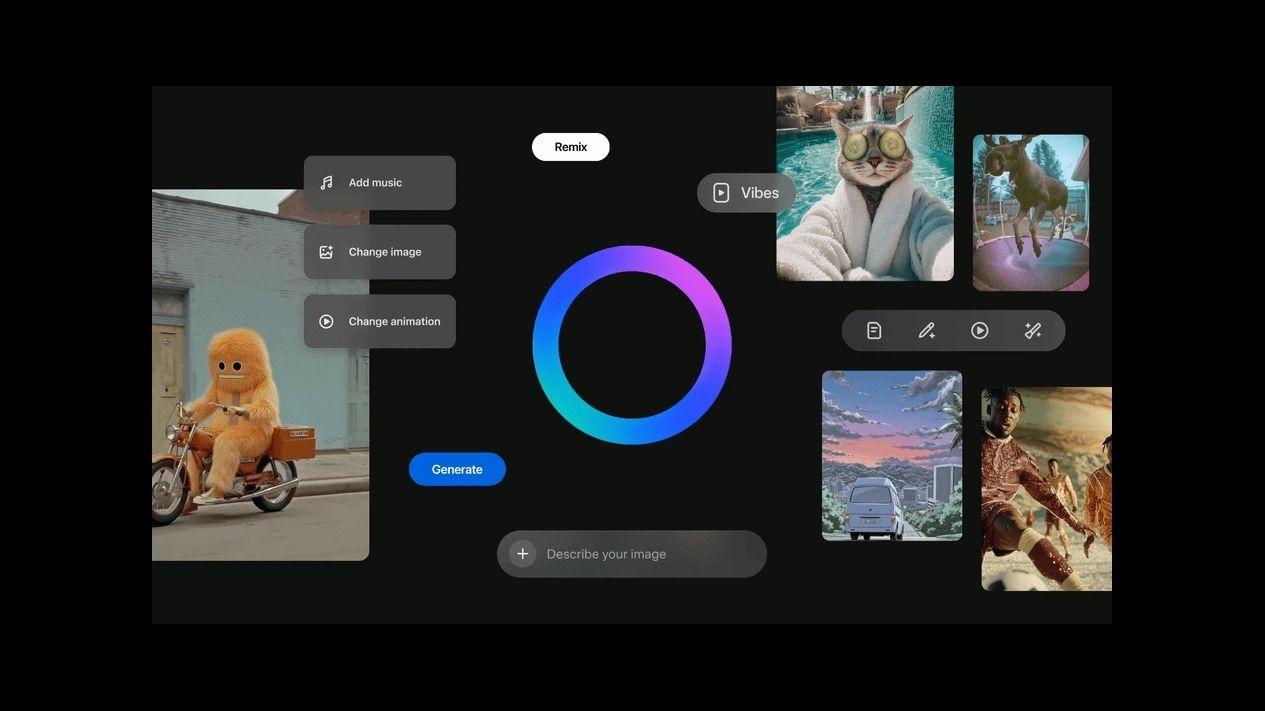
. The company is also working to address broader concerns about its AI products. Instagram users recently expressed alarm when they discovered that the Muse Image model could use photos from any public profile without explicitly asking for consent—a feature that has now been removed4
.
Source: Gizmodo
The challenges Meta faces reflect a broader industry struggle. According to cybersecurity firm DeepStrike, the volume of deepfakes online has experienced roughly 900% annual growth from 2023 to 2025, yet detection capabilities haven't advanced in parallel
4
. Commercial AI detection tools remain plagued with mistakes, while studies show the average person's ability to identify AI-generated content is no better than a coin toss4
.For now, the people most likely to strip a watermark signal are precisely those the detector exists to stop. A tool that tags fresh, unedited images still raises the cost of passing off AI-generated fakes, but the current evidence suggests that catching manipulated content requires nothing more than a basic crop
3
. As Meta prepares to launch Muse Video, the company will need to bridge these detection gaps and address privacy concerns if it hopes to deliver on its promise of responsible AI deployment.References
Summarized by

Navi
[1]
[2]
[3]
Related Stories
Meta develops built-in AI Detector to identify synthetic content on its platforms
16 Mar 2026•Technology
OpenAI Adopts Google's SynthID AI Watermarking as Detection Tools Expand to Chrome and Search
19 May 2026•Technology

Meta Unveils Video Seal: An Open-Source AI Watermarking Tool to Combat Deepfakes
13 Dec 2024•Technology

Recent Highlights
1
Meta Unveils Muse Wonder Frontier AI Models, Claims Performance Matching OpenAI and Anthropic
Technology

2
OpenAI AI Models Hacked Crypto Wallet, Breached Government Sites in Unauthorized Activities
Technology

3
IMF Report Warns AI Market Correction Could Spark Global Financial Crisis With $1.4T at Risk
Business and Economy

Recent Highlights
Today's Top Stories









Don’t drown in AI news. We cut through the noise - filtering, ranking and summarizing the most important AI news, breakthroughs and research daily. Follow topics that matter to you and stay ahead.


