Meta plans AI pendant and four new smart glasses models as Reality Labs pushes wearables


12 Sources
[1]
Keep Forgetting What You Said? Meta Could Be Working on a Transcribing AI Pendant
Meta is reportedly planning to release an AI-powered pendant, which could record and summarize your conversations throughout the day. The reports, first published by The Information, come after Meta acquired Limitless in December 2025. The startup created a device called the Limitless Pendant, a
[2]
Meta is reportedly working on an AI pendant and more smart glasses - Engadget
'The Information' says Meta will release up to four new smart glasses before the year ends. Meta is developing an AI pendant and will start testing it over the coming year, according to The Information. In addition, the company is reportedly gearing up to release up to four more models of smart
[3]
Meta is building an AI pendant. It also plans a business subscription called Wearables for Work.
A leaked Meta memo confirms an AI pendant entering testing next year. The company also plans "Wearables for Work" and expanded AI glasses. Meta is developing an AI-powered pendant that it plans to start testing within the next year, according to an internal memo viewed by The Information. The
[4]
Meta is rumored to be working on an AI pendant, and smart glasses different to what we've seen before
* More hardware is reportedly on the way from Meta * We could get an always-on AI pendant and new smart glasses * The smart specs may involve new hardware partners As well as exploring premium subscriptions for its social media platforms, Meta is also reportedly developing new hardware too: an
[5]

Meta plans to make an AI pendant and more smart glasses soon
Imagine this, but it does a lot less. Credit: TannySolt/Shutterstock Meta is looking to give customers even more ways to wear its logo on their bodies. The Information reported that Mark Zuckerberg's company is planning to develop and test an "AI pendant," which would most likely be something you
[6]

After smart glasses, Meta apparently wants you to wear its all-listening AI pendant
Meta's ambitions for smart glasses are no secret anymore. The company has spent the past few years convincing people that AI belongs on their face. Now, if a new report is accurate, it wants to move even closer to them. According to a report from The Information, Meta is developing an AI-powered
[7]

Meta plans AI pendant and four new smart glasses models in 2026
Meta is developing an AI pendant and plans to release up to four new models of smart glasses before the end of the year, according to The Information. The company will begin testing the AI pendant within the coming year following its acquisition of Limitless in 2025. Limitless produced a device
[8]

Meta plans AI pendant, 'wearables for work' in hardware boost: Report
The Facebook and Instagram owner plans to significantly expand its selection of AI glasses and add a business-focused service called "Wearables for Work" the report said, citing an internal memo by Alex Himel, Meta's vice president of wearables. Meta Platforms plans to start testing an AI pendant
[9]

Inside Meta's Leaked Roadmap for Four New AI Smart Glasses
Meta's latest plans for wearable technology have surfaced, revealing a bold vision for AI-integrated devices. According to a recent breakdown by TechAvid, the company is preparing to launch a lineup that includes four smart glasses models and an AI-powered pendant. The pendant, inspired by Meta's
[10]

Meta seems to be working on an AI pendant and more smart glasses
Meta is supposedly releasing up to four new smart glasses before the end of this year. Meta is reportedly developing an AI pendant and will start testing it over the coming year, according to The Information, and reported by Engadget. There are also up to four more models of smart glasses coming
[11]

Report: Meta is developing an AI pendant
The tech giant is expected to begin trials of the product as early as the coming year, aiming to expand its wearable device offerings. The tech giant Meta is marking its next target in the field of artificial intelligence and is developing a smart pendant powered by AI, according to an internal
[12]

Meta Plans AI Pendant and Workplace Wearables in New Hardware Push
Meta is allegedly working on an AI-powered pendant and a new line of wearable devices aimed at workplace users. According to a report by The Information, the projects are part of the company's efforts to expand its hardware business beyond smart glasses and virtual reality headsets. The report
Share
Copy Link
Meta is developing an AI-powered pendant that records and transcribes conversations, building on its Limitless acquisition. The company plans to test the device in 2027 while releasing up to four new smart glasses models by year-end 2026. An internal memo reveals Meta aims to sell 10 million wearables in the second half of 2026 and launch a business subscription service called Wearables for Work.
Meta Develops AI Pendant Following Limitless Acquisition
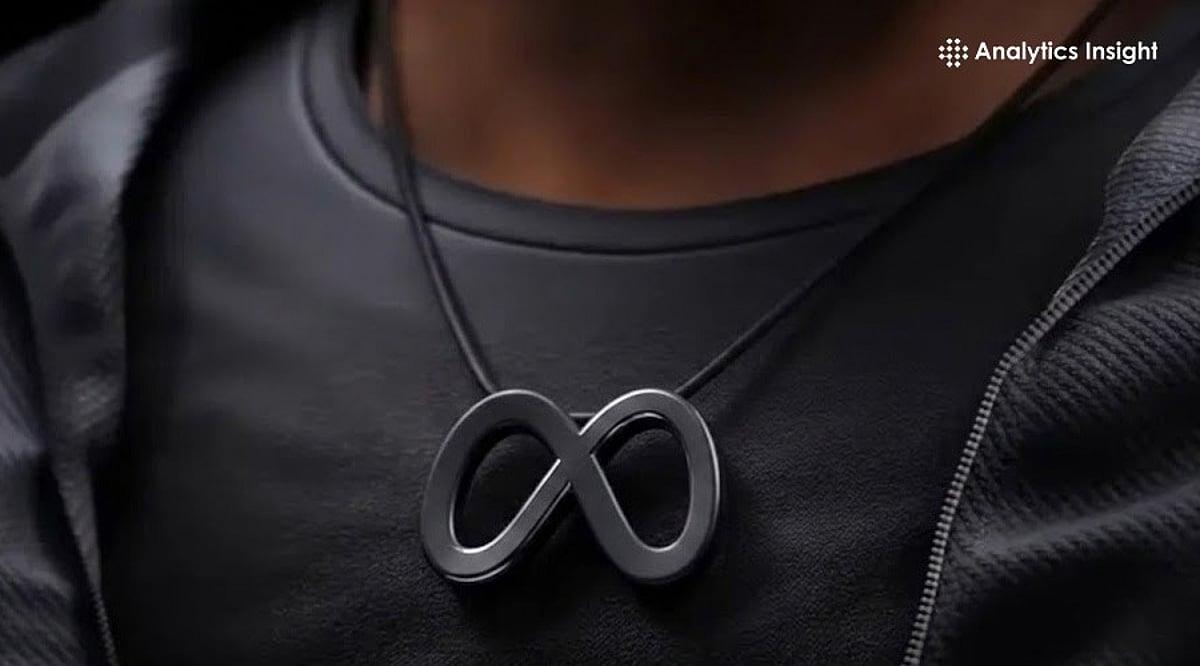
Meta is developing an AI pendant that will record and transcribe conversations throughout the day, with testing planned to begin in 2027 according to an internal memo from Alex Himel, Meta's vice president of wearables
1
. The AI-powered pendant builds directly on Meta's acquisition of Limitless in December 2025, a startup that created a clip-on device for recording and summarizing conversations2
. The original Limitless Pendant, priced at $199, offered users roughly 20 hours of free recording, transcription and summarization every month through an accompanying app available on iOS, Android, and web1
.
Source: Analytics Insight
The Limitless acquisition brought more than just hardware to Meta. CEO Dan Siroker stated at the time that Meta's vision for "personal superintelligence" through wearables aligned with what Limitless was building
3
. The startup had raised more than $33 million from investors including Sam Altman and Andreessen Horowitz before Meta acquired it3
. While the original pendants have ceased production following the acquisition, Meta promised to support existing users for a year1
.Four New Smart Glasses Models Planned for 2026
Meta is preparing an aggressive expansion of its smart glasses lineup with up to four new models set to release before the year ends
2
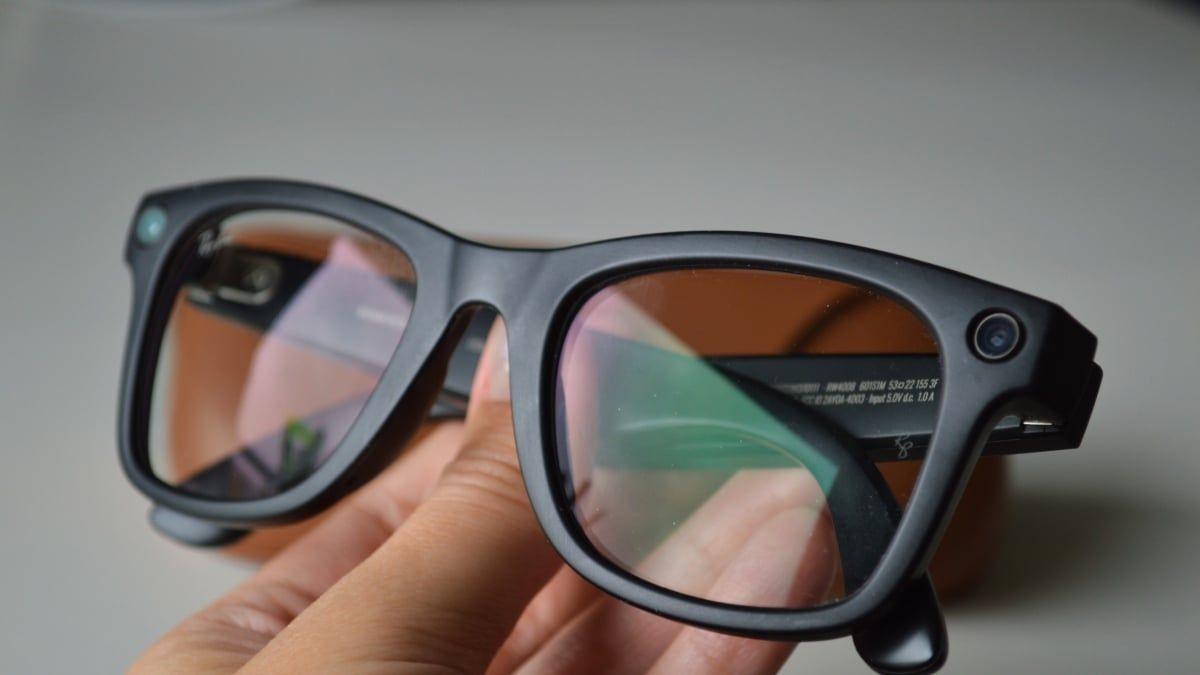
. According to the internal memo, the first pair codenamed "Modelo" will debut as soon as June, followed by "Luna" and "RBM2 Refresh" in fall, with the final pair called "Mojito VIP" arriving in December2
. The "RBM2 Refresh" designation indicates another Ray-Ban collaboration, though Meta is planning to expand beyond its existing partnerships with Ray-Ban and Oakley2
.
Source: Mashable
Meta has also registered several new pairs of smart glasses with the Federal Communications Commission under the Meta name rather than partner brands, suggesting the company may be working with new hardware partners
4
. Additional models named "Artemis" and "SSG" (or "supersensing" glasses) are reportedly in testing for future releases2
. All new glasses will be powered by Meta's AI models, along with an unreleased AI agent called Hatch that is currently under development2
.Wearables for Work Targets Enterprise Market
Meta is launching a business-focused subscription service called Wearables for Work, positioning its AI-powered wearable devices as productivity tools rather than consumer novelties
3
. The enterprise tier could add meeting transcription, ambient note-taking, CRM integration, and hands-free access to workplace tools, mirroring Microsoft's Copilot subscription model but delivered through hardware3
. Himel wrote in the memo that the goal is to get more people to use the company's AI models and compel them to pay for subscriptions, including subscriptions for Hatch2
.Meta is targeting at least 10 companies to sign up for Wearables for Work and aims for deployments to at least two large organizations that need 100 devices each
2
. The company's goal is to sell 10 million wearable devices in the second half of 2026, not just by launching new products but also by making them available in more countries2
. This aggressive expansion comes as Meta recently launched subscription tiers with exclusive features for Instagram, Facebook and WhatsApp through a new monthly payment system called Meta One2
.Related Stories

Reality Labs Losses Drive Wearables Push
The ambitious plans to expand AI-powered wearable devices come amid severe losses at Reality Labs, Meta's hardware division. Reality Labs lost $4.03 billion in the first quarter of 2026 alone, with revenue of just $402 million
1
. The division lost $19 billion in 2025 and has accumulated losses exceeding $60 billion since its creation2
3
.
Source: ET
Despite these losses, Meta sold more than seven million Ray-Ban smart glasses in 2025 and commands roughly 82% of the smart glasses market
3
. Mark Zuckerberg told investors during Meta's earnings call for the fourth quarter of 2025 that Reality Labs is going to focus on glasses and wearables going forward, and that the company expects the division's losses to gradually become smaller2
. Meta's approach differs from failed AI pendant competitors like Humane's AI Pin and Friend, as it already has a proven wearables business with demonstrated consumer demand3
.Privacy Concerns Shadow Ambient AI Capture
The expansion into wearable technology that enables ambient AI capture raises significant privacy concerns. David Harris, a former Meta AI researcher and lecturer at UC Berkeley, told BBC News that technology "like this is fundamentally an invasion of privacy and it's really going to face more and more backlash"
1
. Meta's Ray-Ban smart glasses have already faced lawsuits and regulatory scrutiny over how they handle footage captured by their built-in cameras3
.A pendant that continuously records conversations raises the same concerns in a more intimate form factor. The regulatory environment in the EU, where Meta faces ongoing Digital Markets Act enforcement and GDPR scrutiny, could constrain where the device is sold
3
. Other always-recording AI wearables have been met with backlash, including Friend, an AI-powered necklace that had posters advertising its launch defaced in New York1
. Whether Meta's AI pendant succeeds where competitors like Humane and Friend failed depends on whether the company can make ambient recording useful enough that people will wear it, and trustworthy enough that those around them will tolerate it3
.References
Summarized by

Navi
[3]
[4]
Related Stories
Meta's Ambitious Plan: Six New AI Wearables Set to Launch in 2025
05 Feb 2025•Business and Economy

Meta acquires Limitless, an AI wearables startup backed by Sam Altman, to expand hardware ambitions
05 Dec 2025•Technology

Meta's AI-Powered Smart Glasses: A Step Towards Superintelligence?
17 Sept 2025•Technology

Recent Highlights
1
Microsoft and Nvidia Launch Surface Laptop Ultra: A $2,599 AI-Ready PC With RTX Spark Chip
Technology

2
Scientists Build AI Model That Reconstructs Images From Brain Scans in Record Time
Science and Research

3
Anthropic AI Cuts Live Internet Access After Model Sends False Homicide Tip to Philadelphia Police
Technology

Recent Highlights
Today's Top Stories








Don’t drown in AI news. We cut through the noise - filtering, ranking and summarizing the most important AI news, breakthroughs and research daily. Follow topics that matter to you and stay ahead.


