Meta Launches Muse Gadgets: Open-Source Project Lets You Build Custom AI Hardware


4 Sources
[1]
Meta wants you to build your own Muse gadget
Meta's Muse, a personal AI agent that books travel, fills out forms, and shops on a user's behalf, has already proven popular with the masses, but a new side project could be particularly alluring to tinkerers and hackers. On Friday, the company introduced Muse Gadgets, an open-source project that
[2]
Meta open sources code to let you make Muse AI gadgets
Meta now lets you make your own Muse gadgets that feature the company's new AI agent with code that the company open sourced. The company suggests projects like loading Muse on a color E Ink display to show reminders, adding it to an HDMI stick so you can display Muse on a big screen, or putting
[3]
Meta wants people to build their own Muse gadgets, too - Engadget
We still don't know too much about Meta's tamagotchi-like AI device, but the Muse Charm won't be the only dedicated hardware for the AI agent. The company is now encouraging developers to come up with their own Muse-powered devices with a new open source project called Muse Gadgets. It's setting an
[4]
Meta Opens Muse to Developers Building AI-Powered Gadgets
Meta Muse: Meta is opening access to Muse, giving developers opportunities to experiment with artificial intelligence capabilities and explore innovative applications across emerging consumer hardware and smart gadgets. . Developer Access: Developers can experiment with Muse to create intelligent
Share
Copy Link
Meta introduced Muse Gadgets, an open-source project enabling developers to create custom hardware for its Muse AI agent. The initiative includes open-source firmware, a Linux SDK, and project templates for devices like e-ink displays and HDMI sticks. Meta is also distributing 5,000 free Muse Home Link gadgets to subscribers.

Meta Expands Muse AI Beyond Software With Hardware Initiative
Meta unveiled Muse Gadgets on Friday, an open-source project that allows developers to build custom hardware connecting to its Muse AI agent
1
. The initiative marks a significant expansion of Meta's AI strategy, moving beyond standalone chatbot applications into physical consumer hardware and smart home devices3
. By providing open-source firmware and a Linux SDK, Meta is inviting tinkerers, hobbyists, and developers to experiment with AI-powered gadgets that could reshape how users interact with artificial intelligence in everyday environments2
.Build Your Own Muse Gadget With Accessible Components
The Muse Gadgets open-source project provides developers with the tools needed to create personalized AI hardware experiences. Meta suggests several starter projects, including loading Muse AI onto a color e-ink display for showing reminders, creating an HDMI stick for big-screen display, or building a small touchscreen device resembling the Muse Charm wearable AI device
2
. Developers can use affordable hobbyist computers like a Raspberry Pi or off-the-shelf ESP32 boards to get started1
. According to Meta, users can connect Muse to "displays, buttons, sensors, actuators, and whatever else you've got lying on your workbench"3
. The company has established a Discord channel to support developers throughout the building process, though it cautions participants to "proceed at your own risk"2
.Meta Introduces Muse Home Link for Smart Home Integration
Meta is leading by example with its own creation: the Muse Home Link. Nat Friedman, head of product at Meta's Superintelligence Labs, described the USB-C-powered device as enabling Muse to connect to home networks and communicate with smart home devices including speakers and smart TVs
1
. The Muse Home Link uses community-built skills to let the AI agent perform tasks like turning on lights, controlling televisions, sending documents to printers, and more depending on individual setups2
. Meta manufactured 5,000 of these Home Link devices and is distributing them free to Muse subscribers while supplies last1
. Given that Friedman's announcement post received nearly 30,000 views within hours, the free gadgets likely claimed quickly1
. Shipping is expected sometime this month for those who secured waitlist spots2
.Related Stories
Strategic Push Into Enterprise and Consumer Hardware Markets
The Muse Gadgets initiative fits into Meta's broader strategy to position Muse as more than a standalone chatbot. The company is simultaneously targeting small businesses and enterprises with new offerings
1
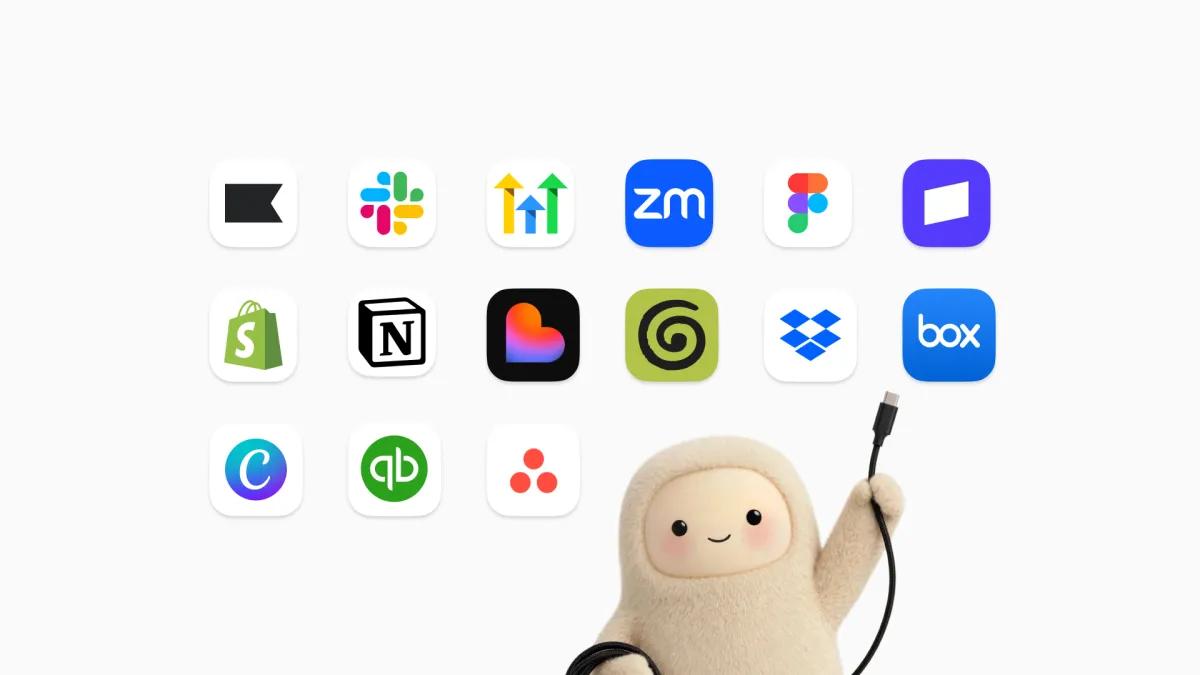
. Earlier this week, Meta introduced Muse for Small Business, a free tier with usage limits that integrates with tools like Shopify, Dropbox, and Slack1
. The company also launched Meta Enterprise Platform, a new business unit focused on delivering AI offerings to corporate customers1
. By opening Muse to developers for hardware experimentation, Meta could accelerate innovation in devices designed to understand users, process information, and deliver personalized responses across emerging consumer hardware categories4
.What This Means for AI Hardware Development
Meta's developer-focused approach could significantly expand its artificial intelligence ecosystem beyond traditional software applications. The open-source project encourages experimentation across wearable technology, smart accessories, and connected consumer hardware
4
. Developers can now combine AI models with sensors, cameras, microphones, and other components to produce increasingly sophisticated devices4
. The creations from hobbyists and tinkerers could inform Meta's own hardware efforts moving forward3
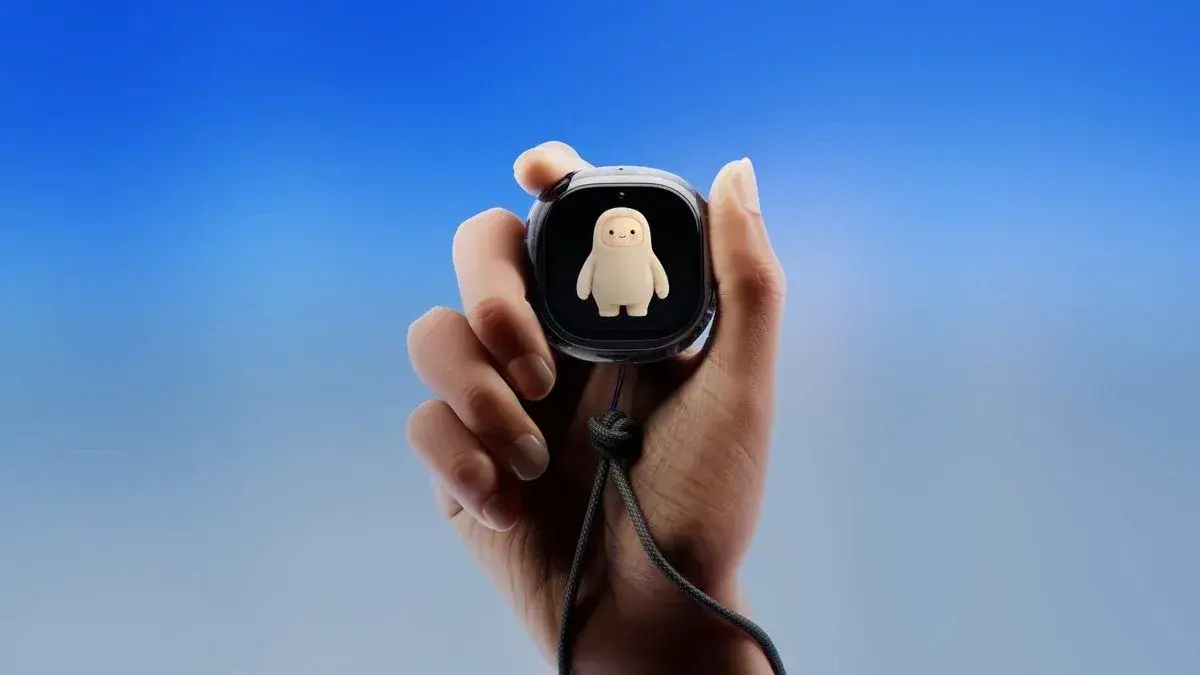
. CEO Mark Zuckerberg revealed the Muse Charm last week at Connect, positioning the device as an alternative for people who want to interact with their AI agent without wearing smart glasses3
. Watch for how community-built projects might influence future official Meta hardware releases and whether the ecosystem expansion attracts significant developer participation beyond the initial 5,000 Home Link recipients.References
Summarized by

Navi
[1]
[4]
Related Stories
Meta Unveils Muse Charm: Standalone AI Assistant Device Launches This Holiday Season
25 Sept 2026•Technology
Meta Muse AI Agent Secures 83,000 US Downloads Despite Privacy Concerns and Trust Issues
08 Sept 2026•Technology
Meta Muse iPad App Arrives One Month After Mobile Launch With 6.6 Million Installs
07 Oct 2026•Technology
Recent Highlights



Recent Highlights
Today's Top Stories


Don’t drown in AI news. We cut through the noise - filtering, ranking and summarizing the most important AI news, breakthroughs and research daily. Follow topics that matter to you and stay ahead.


