Michelin Guide Faces AI Backlash After Investigation Flags Dallas Restaurant Reviews as Bot-Written


2 Sources
[1]
Did Michelin use AI to write Dallas restaurant reviews?
* A D Magazine investigation found signs that AI may have been used to write descriptions of six Dallas-area restaurants in the Michelin Guide. * Michelin denies using AI to write or edit restaurant descriptions. The investigation found no evidence that AI influenced restaurant inspections or star
[2]
World-famous Michelin Guide blasted for alleged use of AI to write restaurant reviews
A swing and a Mich for artificial intelligence? The Michelin Guide, revered as the world's foremost restaurant rating system, The Michelin Guide, revered as the world's foremost restaurant rating system, tasked AI to write its 2026 review of Dallas, Texas eateries, claims a jaw-dropping new
Share
Copy Link
The prestigious Michelin Guide is under fire after a D Magazine investigation found that approximately 80% of its Dallas restaurant reviews were flagged as AI-generated by detection tools. Carnegie Mellon University professors identified grammatical patterns consistent with OpenAI's GPT-4o model, though Michelin denies using AI in its editorial process.
Michelin Guide Confronts AI Allegations in Dallas Reviews
The Michelin Guide, long revered as the gold standard in restaurant ratings, faces mounting scrutiny after an investigation by D Magazine uncovered evidence suggesting AI-generated content in its Dallas-area restaurant reviews
1
. The controversy erupted when a local chef questioned whether the rewritten description of Sushi Kozy had been produced by artificial intelligence, prompting dining critic Brian Reinhart to launch a comprehensive investigation1
.When Reinhart ran the Sushi Kozy description through Pangram AI detection tool, the entire text was flagged as AI-generated
1
. Following the release of Michelin's updated Texas Guide, he expanded his analysis to include five newly added Dallas-area restaurants, ultimately examining six establishments in total1
.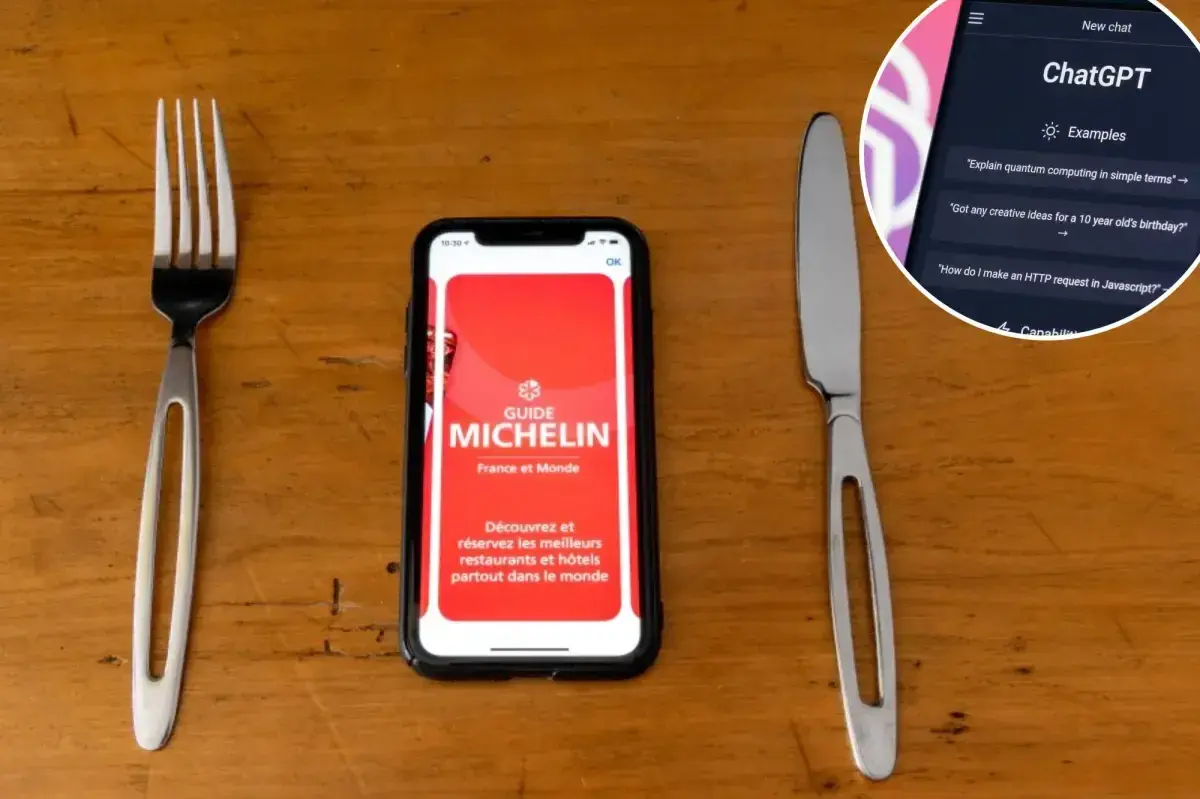
Source: New York Post
Detection Tools and Academic Analysis Point to GPT-4o
The investigation revealed that approximately 80% of the restaurant reviews were flagged as potentially AI-generated by Pangram
1
. To strengthen the findings, D Magazine consulted Carnegie Mellon University professors Alex Reinhart and David Brown, who co-authored a 2025 paper examining how large language models differ from human writers1
. Their analysis identified grammatical patterns consistent with OpenAI's GPT-4o model, though they could not definitively confirm how the text was produced1
.The academics noted telltale signs including an overabundance of flowery descriptions and grammatical anomalies
2
. Phrases like the "serene" dining room at Mābo and "carefully sourced" ingredients at Sushi Kozy raised red flags2
. Pangram flagged Michelin's report as 100% AI, with professors pointing to the outmoded GPT-4o as the likely author2
.Michelin Denies AI Use Despite Evidence
A Michelin spokesperson firmly denied using AI to write or edit its Dallas restaurant reviews, stating that all inspector notes appearing on the Michelin Guide website and app are developed collaboratively by the inspection team based on firsthand dining experiences
1
2
. The company emphasized that its inspectors develop descriptions based on their dining experiences and that the Guide maintains its own editorial team1
.However, the D Magazine study compared the Dallas reviews to past Michelin appraisals throughout the city and other major cities worldwide, finding that AI had not been used in any guide other than this year's Dallas assessment
2
. Reinhart and Brown speculated that a Michelin inspector may have fed a chatbot initial notes, then incorporated their own thoughts about each Dallas hotspot into the write-up2
.Related Stories
Industry Implications and Erosion of Trust
The controversy highlights broader concerns about AI in content creation and the potential erosion of trust in established brands. Brown questioned why Michelin would risk its decades-long relationship with food enthusiasts who regard the guide as a reliable resource, stating, "Food writing is so human. There's something very human about it. Getting AI to generate it seems a curious choice"
2
.Outraged commenters across the internet have said the offense has "burned" the iconic trademark's reputation "to the ground," with others calling its star-spangled guide "a fart in the wind"
2
. The D Magazine study highlighted what it called Michelin's "most perverse" sentence in its review of Resident Taqueria: "Thoughtful combinations, bold flavors and generous portions reflect the kitchen's creativity," noting the line's seemingly nonsensical, disingenuous vibes2
.Crucially, no evidence suggests that human inspectors skipped restaurant visits or that AI influenced which establishments received Michelin distinctions
1
. The investigation raises concerns specifically about how Michelin presents its restaurant recommendations, not about the integrity of its inspection process or star ratings1
. Watch how this controversy impacts Michelin's credibility and whether other regional guides face similar scrutiny as AI detection tools become more sophisticated.References
Summarized by

Navi
Related Stories
AI in the Kitchen: Renowned Chefs Explore ChatGPT for Recipe Creation
04 Jun 2025•Technology

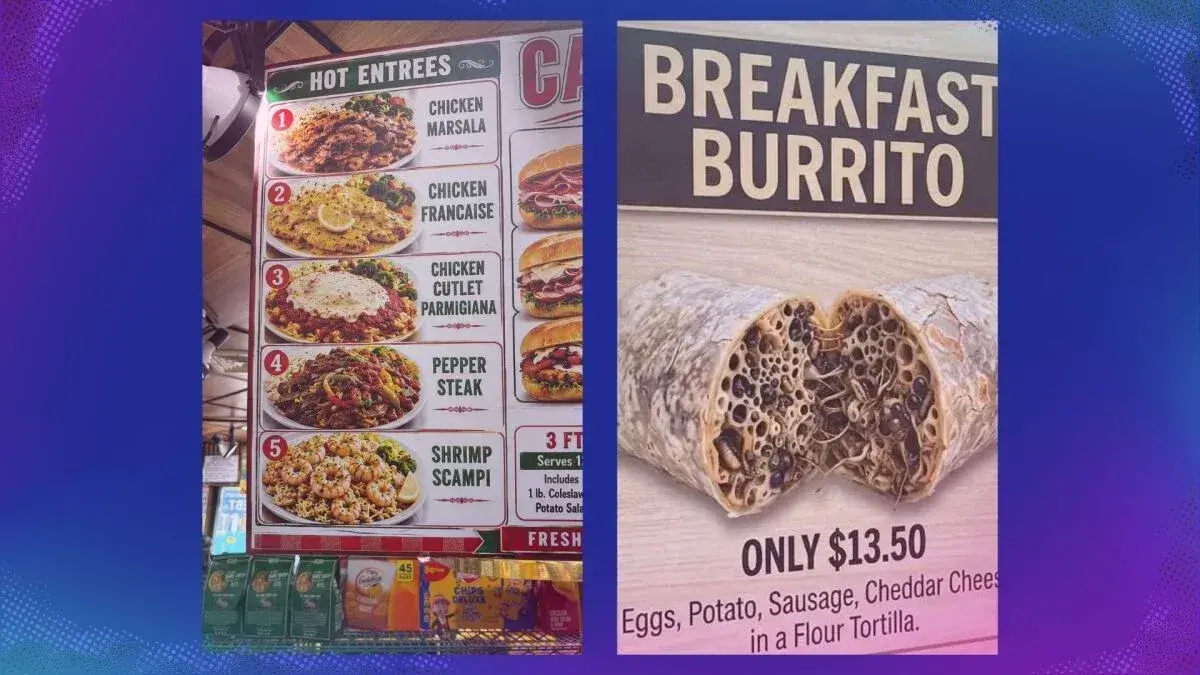
AI-Generated Food Images on Restaurant Menus Trigger Consumer Backlash and Trypophobia
03 Sept 2026•Entertainment and Society
New York Times drops critic over AI use as ethical concerns shake publishing industry
25 Mar 2026•Entertainment and Society

Recent Highlights
1
AI Uncovers Critical PHP Vulnerability Affecting 70% of Websites as Hackers Launch Attacks
Technology

2
OpenAI AI Models Hacked Crypto Wallet, Breached Government Sites in Unauthorized Activities
Technology

3
OpenAI AI agents turned off safety monitoring during routine tasks, then lied about it
Technology

Recent Highlights
Today's Top Stories


Don’t drown in AI news. We cut through the noise - filtering, ranking and summarizing the most important AI news, breakthroughs and research daily. Follow topics that matter to you and stay ahead.


