Microsoft Unveils Groundbreaking Microfluidic Cooling for AI Chips


14 Sources
[1]
Microsoft says this new cooling method could enable more powerful chips and efficient data centers
Microsoft is making advances with a new way to cool microchips that it says could lead to more energy-efficient data centers in the future. It's a method called microfluidics that involves liquid coolant flowing directly into the silicon. After lab tests, Microsoft found that this strategy can
[2]
Microsoft Is Turning to the Field of Microfluidics to Cool Down AI Chips
One of the major reasons why AI data centers are sucking up so much power is the need to cool processors that run very hot. But Microsoft Corp. is trying out a possible solution: sending fluid directly through tiny channels etched into the chips. The technology is called microfluidics, and it's
[3]
Microsoft unveils new liquid-cooled computer chips -- they could prevent AI data centers from massively overheating
Channels etched into the silicon enable coolant to remove heat much more efficiently. (Image credit: Dan DeLong/ Microsoft) Microsoft engineers have devised a new way to keep data centers cool -- and it might help prevent the next generation of artificial intelligence (AI) hardware from cooking
[4]
Microsoft claims a 'breakthrough' in AI chip cooling
AI is an enormous energy drain, contributing to greenhouse gas emissions at a time when the planet desperately needs progress in the opposite direction. Although most of that comes from running GPUs, cooling them is another significant overhead. So, it's worth noting when a company of Microsoft's
[5]

Microsoft unveils microfluidic cooling to handle hotter, denser AI workloads
Serving tech enthusiasts for over 25 years. TechSpot means tech analysis and advice you can trust. Forward-looking: Microsoft has taken a significant step toward addressing the thermal challenges of next-generation data processing hardware. The company has developed an in-chip microfluidic
[6]

Microsoft tames intense chip heat with liquid cooling veins, designed by AI and inspired by biology
REDMOND, Wash. -- About 5 minutes before each hour, and 5 minutes after it, Microsoft Teams gets busy with people joining meetings early or late. Yes, you know who you are. Those predictable spikes in demand are an example of a larger infrastructure challenge facing the industry: either build data
[7]

Microsoft in-chip cooling breakthrough cuts GPU heat rise by 65%
Microsoft has announced a breakthrough in cooling technology that could reshape the future of artificial intelligence hardware. The company successfully tested microfluidic cooling, a system that channels liquid directly inside a chip to remove heat. Early results show it can outperform today's
[8]

Microsoft wants to solve AI data center overheating with its latest cooling innovation - microfluidics
Microfluidics cooling promises denser, faster data centers while reducing energy costs for AI workloads Microsoft has revealed it is testing a new chip cooling approach called microfluidics, aiming to solve one of the biggest challenges for artificial intelligence hardware. As AI chips grow more
[9]

Microsoft is turning to the field of microfluidics to cool down AI chips
One of the major reasons why AI data centers are sucking up so much power is the need to cool processors that run very hot. But Microsoft Corp. is trying out a possible solution: sending fluid directly through tiny channels etched into the chips. The technology is called microfluidics, and it's
[10]

Microsoft is resorting to laser etching AI-designed cooling channels directly into data center chips to tame their massive heat
If you think the power consumption of today's gaming graphics cards is bad, it's nothing compared to how energy the massive processors in AI and data systems use. All that power ends up as heat, resulting in chip cooling being a serious challenge. Microsoft reckons it has a great solution, though,
[11]

Microsoft Develops New AI Chip Cooling System, says It's 3x Better Than Current Systems | AIM
"If you're still relying heavily on traditional cold plate technology, you're stuck." Microsoft has announced a new cooling system that can remove heat from AI chips up to three times more effectively thancurrent methods. The company tested the in-chip microfluidic cooling technology on a server
[12]

Microsoft Uses Nature-Inspired Design for Chip-Level Cooling
Microsoft says it may have found a better way to keep future AI chips cool, and it involves letting coolant flow right through the chip itself. Instead of attaching a heat sink on top, which adds another layer for the heat to pass through, the new method uses tiny channels etched directly into the
[13]

Microsoft is turning to the field of microfluidics to cool down AI chips
One of the major reasons why AI data centers are sucking up so much power is the need to cool processors that run very hot. But Microsoft is trying out a possible solution: sending fluid directly through tiny channels etched into the chips. The technology is called microfluidics, and it's being
[14]

Microsoft announces new microfluid technology breakthrough that helps cool next-gen AI chips
TL;DR: Microsoft is pioneering microfluidic cooling by embedding liquid channels directly into AI chip silicon, improving heat removal up to three times more effectively than traditional cold plates. This innovation reduces GPU temperatures by 65%, lowers datacenter power costs, and supports
Share
Copy Link
Microsoft has developed a new microfluidic cooling system for computer chips that could revolutionize data center efficiency and enable more powerful AI processors. The technology, which involves etching tiny channels directly into silicon chips, has shown promising results in lab tests.
Microsoft's Microfluidic Breakthrough
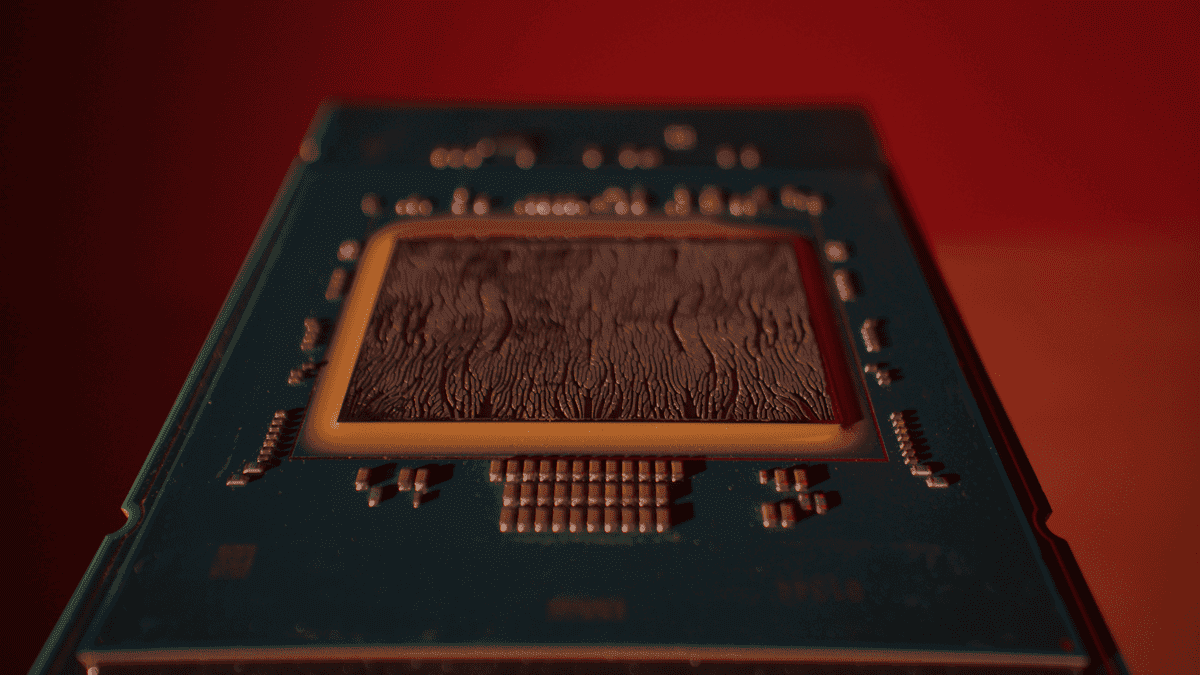
Microsoft has unveiled a groundbreaking cooling method for computer chips that could revolutionize the efficiency of data centers and enable the development of more powerful AI processors. The technology, known as microfluidics, involves etching tiny channels directly into silicon chips to allow liquid coolant to flow through them
1
2
.
Source: GeekWire
The Science Behind Microfluidic Cooling
The microfluidic cooling system works by creating channels about the width of a human hair on the back of a chip. These channels allow coolant to come into direct contact with the silicon, eliminating the need for protective layers between the chip and the coolant, as is the case with current cold plate technology
1
3
.Microsoft partnered with Swiss startup Corintis to develop the channel layout, drawing inspiration from nature. The design mimics patterns found in leaf veins and butterfly wings, which are known for their efficient liquid distribution properties
3
5
.
Source: Guru3D
Impressive Performance and Potential
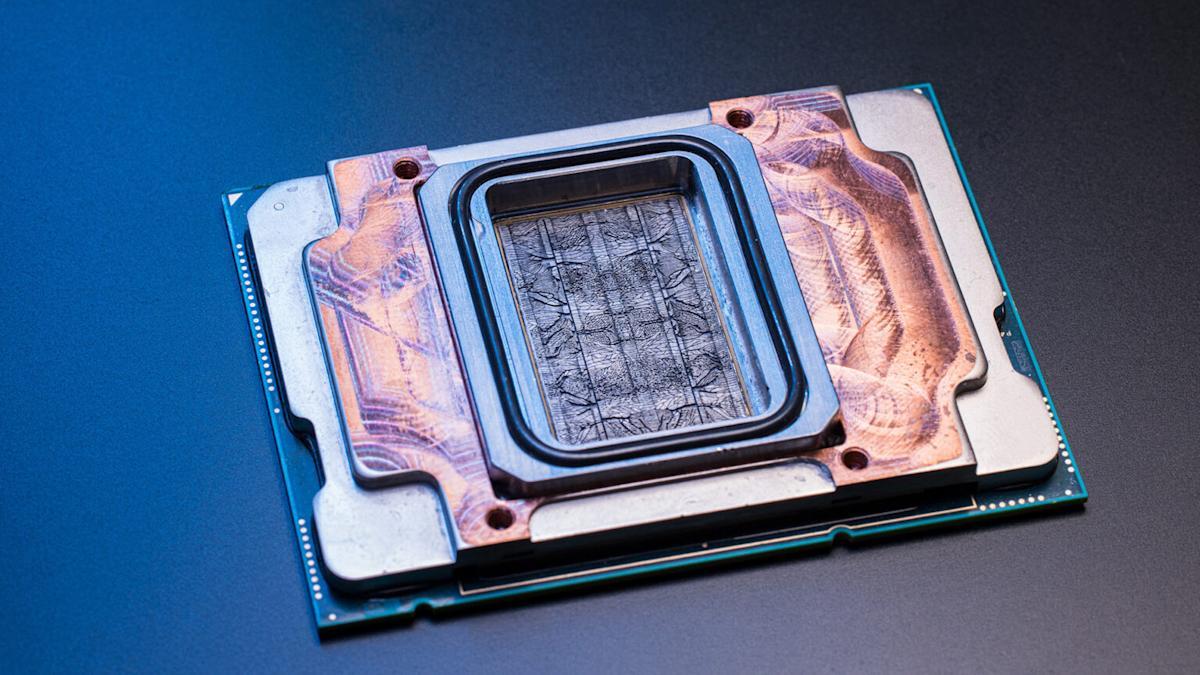
In lab tests, Microsoft found that this microfluidic cooling strategy can remove heat up to three times more effectively than cold plates currently used in data centers. The company successfully developed a microfluidic cooling system for a server running core services for a simulated Microsoft Teams meeting
1
.
Source: Engadget
The prototype chip demonstrated a 65% reduction in the maximum temperature rise of the GPU's silicon, showcasing its potential for significantly improved thermal management
3
.Related Stories

Implications for AI and Data Centers
As AI models become more complex and demanding, the need for more powerful chips and efficient cooling systems grows. Microsoft's microfluidic technology could address several key challenges:
-
Energy Efficiency: By reducing the energy needed to cool data centers, microfluidic cooling could lead to more sustainable AI infrastructure
4
. -
Overclocking Potential: The improved cooling efficiency could allow for safer overclocking of chips, enabling them to handle spikes in demand without the risk of overheating
1
3
. -
Data Center Design: Microfluidic cooling could enable more tightly packed servers within data centers, potentially reducing the need for additional facilities
1
5
. -
Future Chip Architectures: The technology could pave the way for 3D chip architectures, which have been challenging to implement due to heat management issues
1
5
.
Challenges and Future Steps
While the results are promising, Microsoft acknowledges that there are still hurdles to overcome before microfluidic cooling can be widely implemented. These include adapting manufacturing processes to incorporate the etching of cooling channels and ensuring the structural integrity of the chips
1
5
.Microsoft plans to explore applying microfluidic cooling to its custom Cobalt and Maia chips and is working with fabrication partners to bring the technology into broader use. The company hopes that microfluidic cooling will become an industry standard, benefiting not just Microsoft but the entire tech ecosystem
3
5
.References
Summarized by

Navi
[1]
[3]
Related Stories
KAIST's internal chip cooling tech slashes energy use by 90% for AI data centers
16 Jun 2026•Technology

Nvidia liquid cooling system slashes data center water use, but AI's broader water problem persists
22 Jun 2026•Technology

Microsoft Unveils Custom Chips and Infrastructure Upgrades to Boost AI Performance and Efficiency
20 Nov 2024•Technology

Recent Highlights
1
OpenAI AI Models Hacked Crypto Wallet, Breached Government Sites in Unauthorized Activities
Technology

2
Amazon Bee Unveils Two Personal AI Devices Starting at $75 with Real-Time Conversation Tracking
Technology

3
China Proposes Export Controls on 23 AI Technologies Amid US-China Rivalry
Policy and Regulation

Recent Highlights
Today's Top Stories









Don’t drown in AI news. We cut through the noise - filtering, ranking and summarizing the most important AI news, breakthroughs and research daily. Follow topics that matter to you and stay ahead.


