Microsoft Taps Intel's 18A Process for Next-Gen AI Accelerator


2 Sources
[1]
Intel has secured Microsoft as a major foundry client for its 18A process, sources say
Serving tech enthusiasts for over 25 years. TechSpot means tech analysis and advice you can trust. In a nutshell: Intel has been struggling to establish a competitive chip foundry business for years. Now, industry sources indicate the US corporation is set to manufacture the next few generations
[2]
Microsoft to reportedly use Intel Foundry and 18A for its next-gen Maia AI accelerator
TL;DR: Intel's advanced 18A semiconductor process, produced at its Arizona Fab 52, is set for use in upcoming Panther Lake and Clearwater Forest chips. Microsoft plans to utilize this technology for its Maia 3 AI accelerator, highlighting Intel Foundry's growing role in high-performance chip
Share
Copy Link
Microsoft is reportedly planning to use Intel Foundry's advanced 18A semiconductor process for its next-generation Maia 3 AI accelerator. This move highlights Intel's growing role in high-performance chip manufacturing and its push into the AI hardware market.
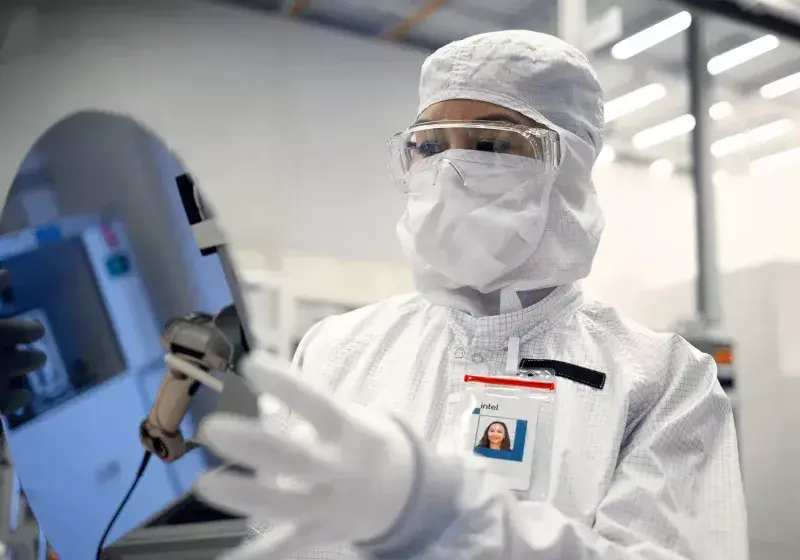
Intel's 18A Process Attracts Major Tech Players
Intel's advanced 18A semiconductor process, developed at its Arizona Fab 52 facility, is gaining traction among tech giants. Microsoft, in particular, is reportedly planning to leverage this cutting-edge technology for its next-generation Maia 3 AI accelerator, codenamed "Griffin"
1
2
.Microsoft's AI Ambitions
The Maia 3 project represents a significant upgrade to Microsoft's earlier Maia initiatives, which the company has been developing as potential alternatives to third-party AI chips. While most of Microsoft's current AI cloud workloads still rely on Nvidia's GPU technology, the company is actively working on its own AI chip solutions
1
.Intel's 18A Process and Future Prospects
Intel's 18A process is being introduced as the first advanced sub-2-nanometer manufacturing node available in North America. The company offers variations of this technology, including 18A-P and 18A-PT, which are specifically designed to enhance performance and power efficiency for AI and high-performance computing applications
1
.Expanding Client Base for Intel Foundry
Intel's efforts to establish a competitive chip foundry business are gaining momentum. In addition to Microsoft, the company has secured partnerships with other major tech players such as NVIDIA, Broadcom, and ARM. This growing client base is crucial for the success of Intel Foundry and its 18A technology in the chip market
2
.Microsoft's Commitment to Advanced Semiconductors
Microsoft CEO Satya Nadella has expressed the company's commitment to leveraging advanced semiconductor technology for its AI initiatives. In a statement earlier this year, Nadella emphasized the importance of a reliable supply of high-performance and high-quality semiconductors in achieving Microsoft's vision for transforming productivity across industries
2
.Related Stories

Future Prospects and Challenges
If the Maia 3 project proves successful, there are indications that Microsoft may continue to use Intel's foundry for future generations of its AI chips. This could potentially involve even more advanced nodes such as 18A-PT or 14A. However, it's worth noting that Intel has faced some setbacks in its process node development, including issues with low yields and poor quality
1
.Implications for the AI Hardware Market
This collaboration between Microsoft and Intel signifies a significant shift in the AI hardware landscape. As tech giants increasingly develop their own AI accelerators, the competition in this sector is likely to intensify. Intel's ability to secure major clients like Microsoft for its foundry services could potentially challenge the dominance of established players in the AI chip market
1
2
.References
Summarized by

Navi
Related Stories
Recent Highlights



Recent Highlights
Today's Top Stories






Don’t drown in AI news. We cut through the noise - filtering, ranking and summarizing the most important AI news, breakthroughs and research daily. Follow topics that matter to you and stay ahead.


