Modal Labs pursues $2.5B valuation as AI inference infrastructure attracts investor interest


2 Sources
[1]
Exclusive: AI inference startup Modal Labs in talks to raise at $2.5B valuation, sources say
Modal Labs, a startup specializing in AI inference infrastructure, is in the process of raising a new round at a valuation of about $2.5 billion, according to four people with knowledge of the deal. Should the deal close at these terms, the funding round would more than double the company's
[2]
Modal Labs Targets $2.5 Billion Valuation for AI Inference Work | PYMNTS.com
The company, which specializes in artificial intelligence (AI) inference infrastructure, is in talks with venture capitalists about a new funding round, TechCrunch reported Wednesday (Feb. 11), citing sources familiar with the matter. According to the report, the deal would more than double Modal
Share
Copy Link
Modal Labs is negotiating a funding round at a $2.5 billion valuation with General Catalyst reportedly leading, more than doubling its $1.1 billion valuation from just five months ago. The startup's $50 million annual revenue run rate reflects surging demand for AI inference infrastructure as enterprises prioritize efficiency over training.
Modal Labs Targets $2.5 Billion Valuation in New Funding Round
Modal Labs is in talks to raise a new funding round at a $2.5 billion valuation, according to four sources familiar with the discussions
1
. General Catalyst is reportedly in discussions to lead the round, which would more than double the AI inference infrastructure company's previous $1.1 billion valuation announced less than five months ago1
. The startup has reached an annualized revenue run rate of approximately $50 million, sources told TechCrunch1
. However, the discussions remain in early stages and terms could still change. Modal Labs co-founder and CEO Erik Bernhardsson denied that the company was actively raising funds, describing recent interactions with venture capitalists as general conversations2
.Why AI Inference Matters for Running Trained AI Models
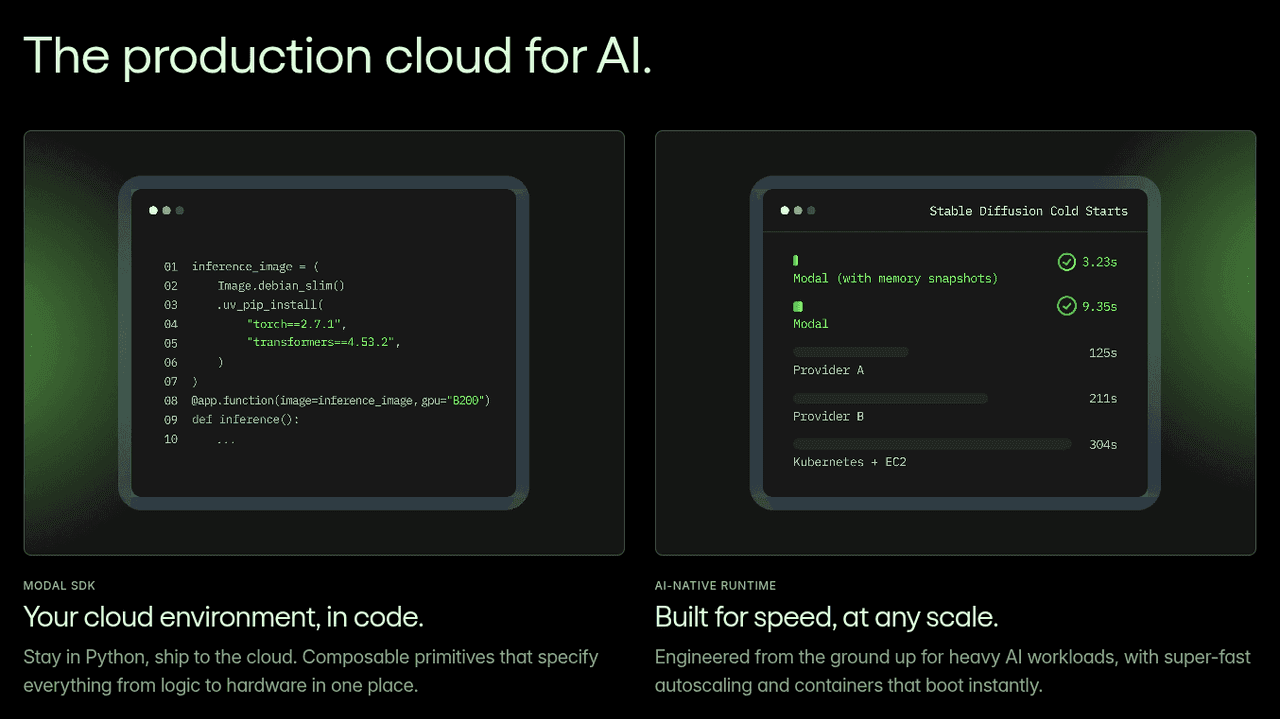
Modal Labs specializes in optimizing AI inference, the critical process of running trained AI models to generate answers from user requests
1
. Inference refers to the stage where a trained model processes new data and generates results, such as when a customer service chatbot replies to a query or an AI system analyzes a financial document2
. Improving inference efficiency helps reduce compute costs and minimizes latency between a user's prompt and the AI's response1
. While training creates AI models by processing vast datasets to learn patterns, inference applies that learned knowledge to perform specific tasks at scale2
.
Source: PYMNTS
Investor Interest in AI Inference Drives Competitive Landscape
Modal Labs joins a small group of AI inference companies attracting intense investor attention. Last week, competitor Baseten announced a $300 million raise at a $5 billion valuation, more than doubling its $2.1 billion valuation reached just months prior in September
1
. Similarly, Fireworks AI, a cloud inference provider, secured $250 million at a $4 billion valuation in October1
. In January, the creators of the open-source inference project vLLM announced they had transitioned the tool into a venture capital-backed startup called Inferact, raising $150 million in seed funding led by Andreessen Horowitz at an $800 million valuation1
. Meanwhile, the team behind SGLang has commercialized as RadixArk, securing seed funding at a $400 million valuation led by Accel1
.Related Stories

AI Compute Demand Shifts Toward Inference Operations
As enterprises deploy AI systems that manage thousands or millions of requests daily, inference becomes the dominant operational challenge and cost driver
2
. Training a large language model happens periodically, while inference takes place continuously each time a user interacts with an AI system2
. A single model might manage millions of inference requests per month, each requiring computational resources, adding latency and incurring costs2
. For companies running AI in customer-facing applications, inference performance directly affects user experience, system reliability and operational expenses. Brookfield has forecast that by 2030 around three-quarters of AI compute demand will come from inference, moving the economics of artificial intelligence from training breakthroughs to the efficiency of serving AI models at scale2
.
Source: TechCrunch
Modal Labs Background and Early Backers
Erik Bernhardsson co-founded Modal Labs in 2021 after spending more than 15 years building and leading data teams at companies including Spotify and Better.com, where he served as CTO
1
. The startup counts Lux Capital and Redpoint Ventures among its earlier backers1
. The company's previous $87 million Series B round valued it at $1.1 billion2
. Both Modal Labs and General Catalyst did not respond to requests for comment regarding the current funding discussions1
.References
Summarized by

Navi
[1]
Related Stories
Modal Raises $750M Series D as AI Infrastructure Demand Pushes Valuation to $15.75 Billion
Yesterday•Startups

Modal Labs raises $355M at $4.65B valuation as AI coding and compute demand surge
22 May 2026•Startups
Baseten raises $1.5 billion at $13 billion valuation as AI inference demand explodes
18 Jun 2026•Startups

Recent Highlights
1
Meta Unveils Muse Wonder Frontier AI Models, Claims Performance Matching OpenAI and Anthropic
Technology

2
IMF Report Warns AI Market Correction Could Spark Global Financial Crisis With $1.4T at Risk
Business and Economy

3
OpenAI Releases 722 AI-Generated Math Solutions, Triggering Existential Crisis in Mathematics
Technology

Recent Highlights
Today's Top Stories







Don’t drown in AI news. We cut through the noise - filtering, ranking and summarizing the most important AI news, breakthroughs and research daily. Follow topics that matter to you and stay ahead.


