8 Sources
[1]
Netflix says around 300 titles used generative AI
Netflix says roughly 300 titles on its platform used generative AI, most of which occurred in post-production. The streaming service revealed the news in its second-quarter earnings report released on Thursday, saying it's "increasingly leveraging these tools to deliver higher quality output more quickly and at a lower cost." It also provided some examples of titles that used AI, including Glory, Brasil 70: A Saga do Tri, and The American Experiment. These films used the technology to "create highly complex sequences," including "enhanced crowds, historical battle sequences, and worldbuilding establishing shots." Netflix co-CEO Ted Sarandos said last year that it used AI to create a scene in the sci-fi series The Eternaut because it was faster and cheaper. The streaming giant has begun to invest more heavily in AI as the technology becomes more advanced, with Netflix acquiring Ben Affleck's AI startup and creating an AI animation studio. The service is also using the AI-generated voice of Gene Wilder in its new Wonka's The Golden Ticket reality show. Netflix reported earning $12.56 billion over the past few months, and says it's still on track to double its ad revenue to $3 billion. In its letter to shareholders, Netflix also addressed some concerns about engagement, which came up after a report from Bloomberg revealed that the streaming giant is struggling to keep viewers around for the second season of its shows. The service says "time spent is just one aspect of strong engagement," adding that "quality and variety also matter." It also highlights that its latest What We Watched report shows that subscribers watched over 97 billion hours, up 2 percent year over year. The company also announced that it will now switch to publishing this report just once per year, instead of twice. Netflix has started to introduce new types of content in a bid to compete with free-to-watch services like YouTube. In the past year, Netflix has rolled out video podcasts, TikTok-style clips, and most recently announced plans to stream videos created by digital media brands, like BuzzFeed, which would typically appear on YouTube. Earlier this month, The Wall Street Journal reported that Netflix is considering adding always-on channels.
[2]
Netflix says it's already used AI in 'roughly 300' titles this year - Engadget
Netflix hasn't made any secret of its interest in artificial intelligence, and now we have a sense of how those tools are being used in its content. "In 2026, GenAI workflows have been used in roughly 300 of our titles, with the largest concentration of work in post-production," according to the shareholder letter detailing its second-quarter financials. The company named three projects -- Glory (India), Brasil 70: A Saga do Tri (Brazil) and The American Experiment (US) -- that used generative AI "to create highly complex sequences," but the tech is becoming more widespread at this point. We already knew that Netflix had applied generative AI in at least one original show as of last July, but between making acquisitions and launching new specialized studios, its ambitions clearly extended further. The streamer went on to note in its earnings letter that "We are increasingly leveraging these tools to deliver higher quality output more quickly and at a lower cost than traditional methods." Here's the recurring reminder that yes, gen-AI is capable of making something much quicker than a VFX artist or animator. But it still takes some human touch to make sure the results actually work with the rest of the film or show. And just because AI can be a useful tool for skilled creators doesn't mean it should be tasked with replacing entire teams. Hopefully that's something Netflix and its partner studios understand as they continue to double down on the tech.
[3]
Netflix has admitted to using AI on '300 movies and shows' in 2026 -- and I've never been more disappointed
* Streaming giant Netflix has revealed that 300 movies and shows used generative AI in 2026 * The news was shared in a shareholder letter, obtained by the website Kotaku * Generative AI was used to "enhance crowds, historical battle sequences, and worldbuilding establishing shots." Netflix has recently admitted to using AI tools in a huge number of its movies and shows, with the shocking announcement delivered in its shareholder letter on July 16. According to Kotaku, which obtained the shareholder letter, Netflix says that AI is now fully integrated into many different projects and is used from the concept stage through pre-visualization, filming, and post-production. They also revealed that generative AI was mostly used in post-production across the 300 shows and movies using it in 2026. "We are increasingly leveraging these tools to deliver higher quality output more quickly and at a lower cost than traditional methods," Netflix said in the shareholder letter. "In some cases, productions would have had to leave out key shots and sequences in the absence of GenAI technology." Using The American Experiment as an example, Netflix added that using generative AI tools "enhanced crowds, historical battle sequences, and worldbuilding establishing shots." It's not just the best streaming service's shows that are affected either, as AI is also working its way into the app itself, with Netflix explaining that it will use LLMs and AI to "improve title discovery" and "better understand member preferences." First they cancel all my favorite shows, now they're using AI Netflix has made a lot of poor decisions in recent months. Recently, my colleague Rowan Davies criticized the streamer for chasing YouTube content, saying he was worried they don't actually care about the future of their shows and movies. I'm inclined to agree, too, as the streaming service has a track record of cancelling its shows. Just recently, The Boroughs was canceled after one season, and it's not the first time they've abandoned shows early on. They have also used an AI-generated voice of the late actor Gene Wilder in a new reality show, which our editor at large, Lance Ulanoff, said was "too far". This, teamed with the most recent AI announcement, has filled me with despair, and I'm worried a lot of my favorite Netflix shows aren't getting the love they deserve. This decision will no doubt divide fans, but this is the kind of thing that's going to make me turn away from Netflix and prioritize other streaming services instead. It feels like Netflix is falling out of love with its shows, and I'm starting to do the same. Follow TechRadar on Google News and add us as a preferred source to get our expert news, reviews, and opinion in your feeds.
[4]
Netflix used AI to make 17 minutes of a documentary 'twice as fast and at half the cost' -- as streaming competition drives up content spending to $20 billion | Fortune
The American Experiment is a five-episode documentary that features Apocalypse Now actor Martin Sheen as the voice of George Washington along with a panoply of contemporary figures from U.S. politics including ex-vice presidents Kamala Harris and Mike Pence. It also included 17 minutes of AI-enhanced footage that was produced "twice as fast and at half the cost," said Netflix co-CEO Ted Sarandos. Faster and less expensive could potentially become central to the way Netflix plans to spend what could be up to $20 billion this year on content creation, a line item number that has grown from $16.2 billion in 2024 to $17.1 billion in 2025. Meanwhile, investors appear to be losing patience with the streaming giant as some of the tide appears to be moving in the opposite direction, with revenue growth decelerating from 16% in the first quarter of 2026, to 13% this quarter, and 12% guided for Q3. After earnings results were released, the stock price fell as much as 9% after hours, despite posting results that were generally in line with expectations. Sarandos said generative AI could help creative teams -- particularly during the post-production process -- get more juice out of every squeeze. So far this year, Netflix said, its creative partners have used GenAI workflows in 300 of its titles, with the bulk of it in post-production. In some cases, productions would have had to scale back key shots and sequences in the absence of AI because they couldn't have afforded them or crews wouldn't have been able to pull them off on the timeline they had, he said. Post teams used AI to enhance crowd scenes, world building opening shots, and historical battle scenes, Netflix leaders told shareholders in an investor letter on Thursday. "By equipping creatives with these tools, we believe they are going to enhance their abilities and we are going to have better and more impact for every dollar we spend on our programming," said Sarandos. "So, content creation timelines can be shortened and quality can be enhanced." From there, the cost savings "will likely be reinvested into more content on the service which fuels high quality engagement, and that whole revenue-profit flywheel that's going to come from that," he added. Sarandos was careful to note that "AI will give creatives better tools to bring their visions to life," and said "movies are being made by people who make movies." However, Netflix has crossed swords with some of the creatives in its own Los Gatos, Calif.-based backyard. The use of AI and protections for film and TV workers played a feature role in the 2023 Hollywood labor strikes against the studios, including Netflix. Filmmaker Guillermo del Toro, who adapted Mary Shelley's Frankenstein for Netflix, said he'd "rather die" than use generative AI in October last year while promoting the film. Still, Netflix has forged ahead into bringing more AI into its creative quiver, acquiring actor Ben Affleck's film tech company InterPositive in March 2026 reportedly for up to $600 million, and consolidating its virtual effects and production operations under the Eyeline studio banner in 2025. Results from the InterPositive acquisition were still "early days," Sarandos said on Thursday's earnings call, but the cost savings from those investments may become more critical for Netflix. The company said it expects overall content spending to increase 10% this year, versus the 8% average over the past five years. The company's push into live programming is contributing to the increase, with live content expect to account for 5% of content spend this year. Netflix has faced heavy competition for eyeballs as a multitude of options have begun to press further into the on-demand content space. "Netflix isn't just competing with Disney or HBO," said Bob Lang, founder of Explosive Options, in an emailed statement. "It's competing with online gaming through Microsoft, Sony, and Nintendo. It's competing with TikTok, Facebook videos, YouTube Shorts, and everything people do on their phones." "People can multitask -- they can have Netflix playing in the background while scrolling on their phones -- but the content has to be compelling enough to command their full attention," Lang added. "That's the real challenge." During the second quarter, the streamer posted revenue of $12.6 billion, up 13% year-over-year, and operating margin of 33.4%. Netflix narrowed its full-year revenue forecast to $51 billion to $51.4 billion and reiterated its 31.5% operating margin target, which would mean operating income growth of more than 20% for 2026. In addition to, somewhat generally expected earnings results, Netflix also announced it would scale back its What We Watched engagement report from twice a year to annually starting in 2027. Netflix also made its largest quarterly buyback in history, repurchasing $4.7 billion in stock this quarter, getting a boost from the $2.8 billion breakup fee it collected from Paramount Skydance after its marriage pact with Warner Bros. Discovery dissolved in February.
[5]
Netflix Brags About 300 Shows And Films Made Using AI Tools
The streaming company says it's mostly used in post-production on shows like The American Experiment As part of Netflix's second-quarter earnings report, the streamer announced that it was integrating generative AI into more of its productions, claiming that AI has been used in roughly 300 Netflix shows and movies in 2026 so far. On Thursday, Netflix shared a letter with its shareholders filled with information about how well the company was doing, how much money it was making, and so forth. It also dedicated a whole section of the letter to bragging about how Netflix is "increasingly" using AI tools in the production of shows and movies, like The American Experiment and Brasil 70: A Saga do Tri. The company seems super excited about how these genAI tools will let it produce more content faster and cheaper than ever before. Yay, more slop! "We are increasingly leveraging these tools to deliver higher quality output more quickly and at a lower cost than traditional methods," said Netflix in the shareholder letter. "In some cases, productions would have had to leave out key shots and sequences in the absence of GenAI technology." Netflix says that AI is now fully integrated into many different projects and is used from the concept stage, through pre-visualization, filming, and post-production. The company says genAI is mostly used in post-production across the 300 or so shows and movies using it in 2026. Netflix says that in shows like The American Experiment, genAI tools "enhanced crowds, historical battle sequences, and worldbuilding establishing shots." It also claims that "in some cases, productions would have had to leave out key shots and sequences in the absence of GenAI technology." I'm not sure if it means this is because the shots were literally impossible without AI (doubtful) or because they would have cost too much and Netflix is in penny-pinching mode (believable). Either way, it's clear that Netflix is fully embracing AI to help it pump out more slop to keep subscribers paying more and more each month. AI is also working its way into the app itself, with Netflix explaining that it will use LLMs and AI to "improve title discovery" and "better understand member preferences." The company also claims AI will make search better, too. What can't AI do? Well, be a profitable technology that actually provides accurate and consistent results without destructive data centers powering it all, for one thing.
[6]
Netflix admits to using GenAI both in the app and on 300 movies and shows in 2026 alone
Netflix is using AI to "lower costs" and create bigger scenes that would otherwise have been left out If you have tuned into Netflix at any point this year, there's a good chance you may have watched content created with AI, as the streamer has admitted to using Gen AI on roughly 300 movies and shows this year alone. On Thursday, July 16, Netflix updated its shareholders on the company's performance. In the shareholder letter, which has since been obtained by Kotaku, the streamer admitted to using AI tools in the production of many projects from the concept stage, right through to filming and editing, in order to cut costs and produce content more quickly. "We are increasingly leveraging these tools to deliver higher quality output more quickly and at a lower cost than traditional methods," reads the letter, "In some cases, productions would have had to leave out key shots and sequences in the absence of GenAI technology." Netflix said that, for now, AI is mostly used in post-production and has been implemented "in roughly 300 of our titles" in 2026 alone. The streamer failed to list all of the projects made using AI, but did mention a couple of titles, including Glory, The American Experiment, and Brasil 70: A Saga do Tri. Executive-produced by Tom Hanks and directed by Brian Knappenberger, The American Experiment is a five-part docuseries that explores the founding of the US and American democracy. However, Netflix says the team used GenAI on the show to enhance "crowds, historical battle sequences, and world-building establishing shots." Netflix states that without AI, "productions would have had to leave out key shots and sequences," which makes us wonder if the site's AI use really just comes down to budget. Aside from using it in shows and movies, Netflix also applies AI to the site itself to "improve title discovery" via search and the homepage, and "better understand member preferences," so the app can recommend content tailored to users. For more, check out our guides to the best Netflix movies and the best Netflix shows.
[7]
Netflix confirms around 300 of its titles have used GenAI
The largest concentration of work is said to be in post-production. Just in case you were wondering when AI would be included in our TV shows and movies properly, it seems we're already living in the GenAI age of media. Netflix has confirmed that around 300 of its titles have already made use of "GenAI workflows," with plans to leverage these tools further in order to create shows and films more quickly. This was revealed by Netflix itself as part of its Q2 shareholder letter. Towards the bottom of the document, there's a whole section dedicated to technology and AI. First, Netflix says it uses LLMs to help improve title discovery for users, with search being enhanced with a new voice search functionality, empowered by AI. Then, we hear how AI is being used outside of the app itself and in the production of Netflix's titles. "In 2026, GenAI workflows have been used in roughly 300 of our titles, with the largest concentration of work in post-production. We are increasingly leveraging these tools to deliver higher quality output more quickly and at a lower cost than traditional methods. In some cases, productions would have had to leave out key shots and sequences in the absence of GenAI technology," Netflix writes. GenAI is also being used in concept art, pre-visualisation, and battle scenes. Beyond using AI for production, advertising is also another key avenue for the technology for Netflix. "In Q2, we expanded our AI-powered tools across the full advertising lifecycle, from planning and creative production to campaign management, optimization, and reporting. We're also automating more of the workflow around how advertisers transact with us by extending programmatic access to Pause Ads and live inventory this summer," writes the streamer."
[8]
Netflix used generative AI on 300 titles this year, and there's no rulebook
The latest Netflix shareholder letter casually throws out a number. About 300 movies and TV shows released on the platform this year were made using generative AI technology - mostly in the post-production process. The co-CEO of Netflix, Ted Sarandos, puts this into the category of a cost and time-saving achievement - shots that would have been left out, now produced twice as quickly and at a much lower cost. This sounds like yet another standard studio productivity move. It's not. Also read: What is Kimi K3: Moonshot's frontier AI model that matches Claude Opus 4.8 and GPT 5.5 Last year, Netflix's application of generative AI technology was an experiment that took the form of a single sequence within the science fiction series The Eternaut. Today, its applications include crowd multiplication, reenactments of historical battles and world-building shots within movies and TV shows such as Glory (Indian production), Brasil 70: A Saga do Tri and The American Experiment documentary series, which has no less than 17 minutes of AI-generated content. This is not an incremental use of technology. This is an entire production pipeline rebuilt using new tools over the course of only a year by a company that boasts nearly one billion users and sets industry standards. At some point along the way, during all of this scale-up, Netflix went beyond a certain threshold that needs more examination than has occurred. Its latest unscripted series "Wonka's The Golden Ticket" features a voice synthesized by artificial intelligence based on an actor that died in 2016 and did not give any permission for his image or voice to be used in projects posthumously. It does not matter whom exactly was behind creating this voice or where the source audio came from and who approved it. What is much more important than the technology itself is silence around it. Voice cloning of a living actor at least creates the issue of consent and compensation that was recognized by unions. Also read: What Is Inkling: Thinking Machines Lab's bet on customisable AI This is actually the story that gets buried by Netflix's headline of 300 titles. The point isn't that Netflix uses generative AI; every big movie studio is on the way to this point. The point is that Netflix has gone from using AI to assist with its visual effects work, adding a few more extras to a crowd or expanding a battle sequence, to using AI to recreate performances, and there is no public framework for drawing the line between those two points. There is no disclosure mechanism to help moviegoers understand when an image has been generated rather than shot. There is no guidance about whether an actor's voice needs permission like a script needs rights. Sarandos has always been clear about the Netflix story: AI makes it possible for Netflix to do shots that it can't afford to do otherwise. This is a true story for production companies, but it completely avoids the harder question. Cost is why AI was used. It doesn't answer why there isn't a boundary drawn around where it should not have been used. Netflix is not breaking any laws here, and perhaps not even doing anything that won't become common among other streaming services over the next couple of years. This is precisely why Netflix should have never gotten away with it in the first place. After all, the one setting the standards for the norm here tends to be the first one to establish the standard, and what the current standard seems to be is simple: adopt it, and try to explain it if you manage to remember. And there are still three hundred movies out there without an explanation.
Share
Copy Link
Netflix disclosed in its Q2 2026 shareholder letter that generative AI has been integrated into roughly 300 titles this year, primarily in post-production. The streaming giant claims AI tools helped produce 17 minutes of documentary footage twice as fast and at half the cost. As Netflix's content spending approaches $20 billion, the company sees AI as critical to maintaining quality while controlling expenses.
Netflix has revealed that generative AI workflows have been used in roughly 300 of its titles in 2026, marking a significant expansion of AI in content creation across the streaming platform. The disclosure came in the Netflix shareholder letter released Thursday alongside its second-quarter earnings report, where the company earned $12.56 billion over the past few months
1
. The streaming giant stated it is "increasingly leveraging these tools to deliver higher quality output more quickly and at a lower cost than traditional methods"2
.
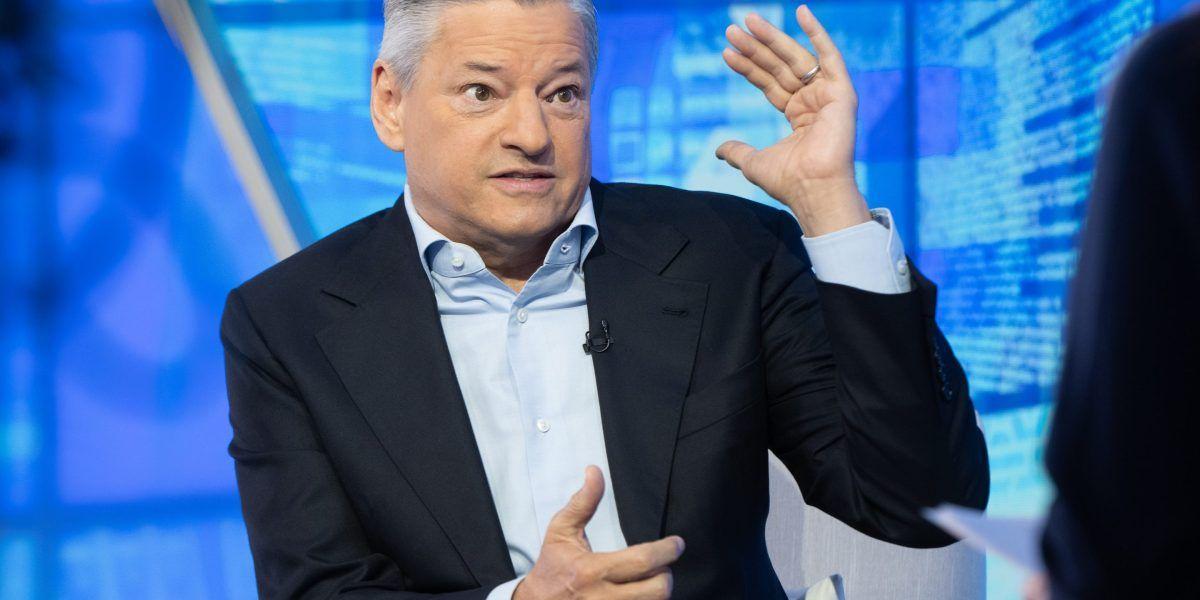
Source: Digit
The largest concentration of AI work has occurred in post-production, though Netflix says the technology is now integrated from the concept stage through pre-visualization, filming, and final editing
5
. Among the titles cited were Glory from India, Brasil 70: A Saga do Tri from Brazil, and The American Experiment from the United States, which used AI tools in filmmaking to "create highly complex sequences"1
.The financial implications of AI adoption are substantial. Netflix co-CEO Ted Sarandos revealed that 17 minutes of AI-enhanced footage in The American Experiment was produced "twice as fast and at half the cost" compared to traditional methods
4
. This efficiency gain comes as Netflix content spending is projected to reach up to $20 billion this year, growing from $17.1 billion in 20254
.
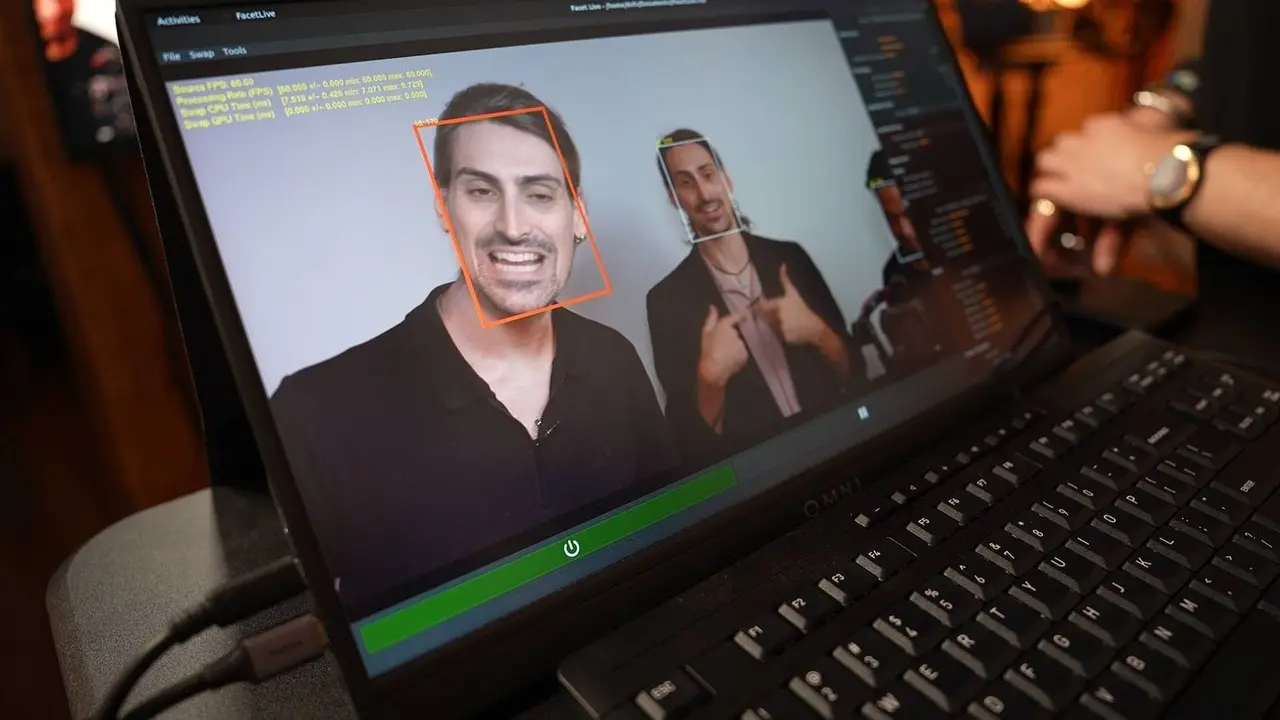
Source: Fortune
Sarandos explained that generative AI helps creative teams get more value from every dollar spent. "By equipping creatives with these tools, we believe they are going to enhance their abilities and we are going to have better and more impact for every dollar we spend on our programming," he said, adding that cost and time efficiency gains "will likely be reinvested into more content on the service"
4
.AI tools in filmmaking have been particularly valuable for creating crowd scenes, historical battle scenes, and worldbuilding shots that would otherwise be prohibitively expensive or technically challenging
5
. Netflix stated that "in some cases, productions would have had to leave out key shots and sequences in the absence of GenAI technology"3
.
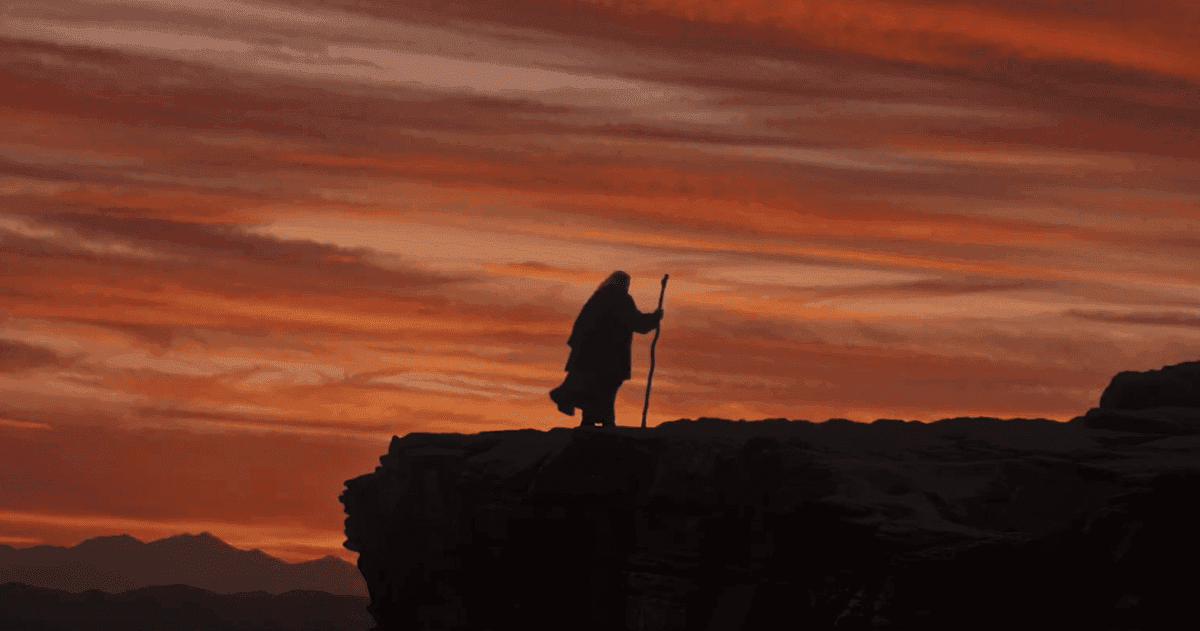
Source: GameReactor
The company has been building its AI capabilities through strategic acquisitions and internal initiatives. Netflix acquired actor Ben Affleck's film tech company InterPositive in March 2026 for reportedly up to $600 million, and consolidated its virtual effects and production operations under the Eyeline studio banner in 2025
4
. The streaming service has also created an AI animation studio and is using AI-generated voices, including that of the late Gene Wilder in its reality show Wonka's The Golden Ticket1
.Netflix is extending AI beyond content creation into platform functionality. The company plans to use LLMs and AI to "improve title discovery" and "better understand member preferences," aiming to enhance search capabilities
5
. This comes as Netflix faces questions about viewer engagement, particularly after reports showed struggles keeping viewers around for second seasons of shows1
.The company defended its engagement metrics, noting that subscribers watched over 97 billion hours according to its What We Watched report, up 2 percent year over year
1
. Netflix also announced it would publish this report just once per year instead of twice, starting in 20274
.Related Stories
The aggressive push into AI has created friction with creative communities. Filmmaker Guillermo del Toro, who adapted Mary Shelley's Frankenstein for Netflix, said he'd "rather die" than use generative AI in October last year
4
. The use of AI and protections for film and TV workers played a feature role in the 2023 Hollywood labor strikes against studios, including Netflix4
.Ted Sarandos attempted to address these concerns, stating that "AI will give creatives better tools to bring their visions to life" and that "movies are being made by people who make movies"
4
. However, observers note that while AI can accelerate production, it still requires human oversight to ensure results integrate properly with the rest of the content2
.Netflix faces intensifying competition for attention as it battles not just traditional streaming rivals but also platforms like YouTube, TikTok, and online gaming. "Netflix isn't just competing with Disney or HBO," said Bob Lang, founder of Explosive Options. "It's competing with online gaming through Microsoft, Sony, and Nintendo. It's competing with TikTok, Facebook videos, YouTube Shorts, and everything people do on their phones"
4
.The company reported revenue growth decelerating from 16% in Q1 2026 to 13% in Q2, with 12% guided for Q3. After earnings results were released, the stock price fell as much as 9% after hours
4
. Netflix is still on track to double its ad revenue growth to $3 billion and posted an operating margin of 33.4%1
4
.Summarized by
Navi
[1]
[3]
1
Policy and Regulation

2
Technology

3
Technology