Netflix uses AI-generated Gene Wilder voice for Willy Wonka reality show, sparking backlash


11 Sources
[1]
Netflix is using an AI-generated Gene Wilder voice in its Willy Wonka reality show
A new teaser trailer confirmed that Wonka's The Golden Ticket will premiere on Netflix on September 23rd, following its Squid Game reality show in the trend of creating real competitions based on fictional torture scenarios. While the sets seen in the trailer are real and not some Glasgow-style AI
[2]
Netflix used AI to put Gene Wilder's voice into a new reality show - Engadget
Netflix has worked with ElevenLabs to develop a recreation of Gene Wilder's voice for use in an upcoming unscripted reality show inspired by Roald Dahl's novel Charlie and the Chocolate Factory. Wilder played chocolate factory owner Willy Wonka in the 1971 film adaptation of the book and the gen-AI
[3]
'Wait a minute. Strike that. Reverse it:' Netflix is using an AI-generated Gene Wilder voice for 'Wonka' reality show
Netflix is using an AI-generated Gene Wilder voice for its new 'Wonka' reality show -- and the project is already dividing fans and critics Netflix revealed it is bringing one of Hollywood's most recognizable voices back with AI for the upcoming reality competition "Wonka's The Golden Ticket." The
[4]
Netflix's 'Wonka' reality show will use AI-generated voice of Gene Wilder
Netflix has announced a new reality competition show based on the beloved film Willy Wonka and the Chocolate Factory, as well as the novel it's based on. The company is also using AI to recreate the voice of deceased actor Gene Wilder, who played Willy Wonka in the 1971 movie. And people are
[5]

I'm an AI fan, but Netflix's use of an AI-generated Gene Wilder voice for its Willy Wonka reality show broke me -- and we've officially gone too far
55 years ago, the legendary Gene Wilder invited us to join him in "a world of pure imagination." Now, a disembodied AI recreation of his sonorous vocals is inviting us to join him in his "my newest wonders beyond imagination." But there's little-to-nothing imaginative about the use of an
[6]

Fans Furious as Netflix Uses AI to Bring Gene Wilder's Voice Back From the Dead for Willy Wonka Reality Show
Can't-miss innovations from the bleeding edge of science and tech Beloved actor Gene Wilder, perhaps best known for his portrayal of the titular Willy Wonka in the 1971 musical fantasy film "Willy Wonka & the Chocolate Factory," died in 2016 at the age of 83 from complications of Alzheimer's
[7]

Netflix faces backlash over AI Gene Wilder voice for Willy Wonka show
The voice of deceased actor Gene Wilder has been recreated using AI for a new Willy Wonka-themed competition show on Netflix... Fans are not happy that the eccentric chocolatier's voice has been recreated. "There's no earthly way of knowing / Which direction we are going / There's no knowing where
[8]

Netflix Wonka Show Uses AI To Bring Back Gene Wilder For Teaser
Netflix has released the first teaser for its upcoming reality show, Wonka's Golden Ticket. And because the future is terrible, Netflix used AI to copy the late Gene Wilder's voice to narrate the teaser. It's yet one more sign of the streaming giant's slide from a high-end, premium content creator
[9]

Willy Wonka Competition Show at Netflix Uses AI to Re-Create Gene Wilder's Voice
Netflix has unveiled a first look at its forthcoming competition show based on Willy Wonka & the Chocolate Factory -- and also a first listen, which might be the key element here. Titled Wonka's The Golden Ticket, the unscripted series uses the re-created voice of actor Gene Wilder, who played
[10]

Fans React to Netflix's AI Voice of Gene Wilder in Willy Wonka Reality Show
The sweet trailer for Netflix's upcoming Willy Wonka reality show has been soured by outrage over an AI-generated voice of late Willy Wonka & the Chocolate Factory star Gene Wilder. Netflix took to Instagram on Tuesday, June 30, to share a look at Wonka's The Golden Ticket, its new reality
[11]

Netflix Resurrecting Gene Wilder's Voice Using AI for Willy Wonka Reality Series The Golden Ticket
Netflix has used AI technology to revive the voice of Gene Wilder for its new Willy Wonka reality show, Wonka's The Golden Ticket. The nine-episode series will debut via Netflix on September 23, and see 12 contestants enter a fresh version of Wonka's infamous chocolate factory to face challenges
Share
Copy Link
Netflix partnered with ElevenLabs to recreate Gene Wilder's voice for its upcoming reality competition Wonka's The Golden Ticket. Despite approval from Wilder's estate, the move has ignited fierce debate about AI recreation of deceased performers' voices. Critics label it 'digital necromancy' while questioning whether estate consent can truly substitute for the performer's own approval.
Netflix Brings Back Gene Wilder Through AI for Reality Competition
Netflix has confirmed it will use an AI-generated voice of Gene Wilder to narrate its upcoming reality competition show Wonka's The Golden Ticket, set to premiere on September 23rd
1
. The streaming giant worked with AI voice company ElevenLabs to recreate the late actor's distinctive voice, nearly a decade after Wilder died in 20163
. The Netflix Willy Wonka reality show will feature 12 golden ticket winners and their chosen partners competing in a series of challenges inspired by both Roald Dahl's 1964 novel and the 1971 film Willy Wonka & the Chocolate Factory2
.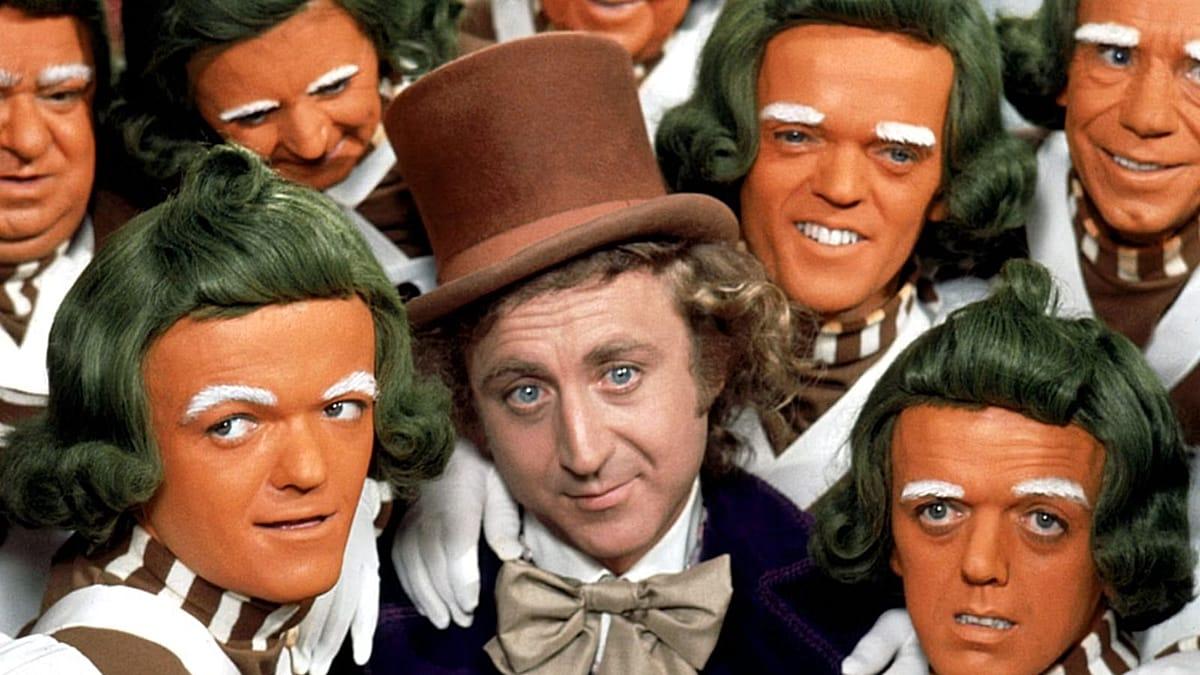
Source: Euronews
The show's teaser trailer features the AI-generated Wilder delivering entirely new dialogue, including lines like "the most extraordinary competition on Earth is about to begin" that never appeared in the original film
3
. Netflix describes Wonka's The Golden Ticket as a "high-stakes social experiment" that will push contestants "physically, mentally, and morally" over nine episodes, culminating in a two-part finale on September 30th1
. The production will also feature Rusty Goffe, who played an Oompa Loompa in the 1971 film, reprising his role during the challenges3
.
Source: The Verge
Estate Approval Doesn't Silence Critics of Digital Necromancy
The voice recreation was created with approval from Wilder's estate and his wife, Karen B. Wilder, who stated that Gene "had a remarkable ability to bring humor, wonder and heart into people's lives" and that the family is "delighted" the show will introduce "that magic to a new generation"
3
. However, this consent from Wilder's estate has not quieted the ethical debate over AI recreation of deceased performers' voices. Social media users have labeled the project "digital necromancy," with critics questioning whether consent from a spouse or estate can truly stand in for consent from the performer himself4
.Some fans have pointed out that Wilder himself was skeptical of efforts to revisit his most famous role, citing his criticism of the 2005 Charlie and the Chocolate Factory remake
3
. Film reviewer Stefan Ellison captured the frustration, writing: "Just hire someone to play Willy Wonka. Even the Wonka Experience in Glasgow did that"3
. One critic described the AI recreation as "a soulless Gene Wilder," noting that while the technology can mimic Wilder's voice, it lacks the emotional range and authenticity that made his performances legendary5
.ElevenLabs Expands Hollywood Presence with Voice Recreation Model
This isn't an isolated experiment for AI voice company ElevenLabs, which has been steadily expanding its presence in the entertainment industry. The company has already created similar AI voice recreations of Judy Garland and Burt Reynolds
3
. Just last week, ElevenLabs released an audiobook of Homer's "Odyssey" narrated by an AI-generated clone of Michael Caine's voice, timed to arrive ahead of Christopher Nolan's feature adaptation3
. The company is positioning AI voice recreation as a licensing model, pairing iconic voices with major entertainment properties at strategically timed release windows.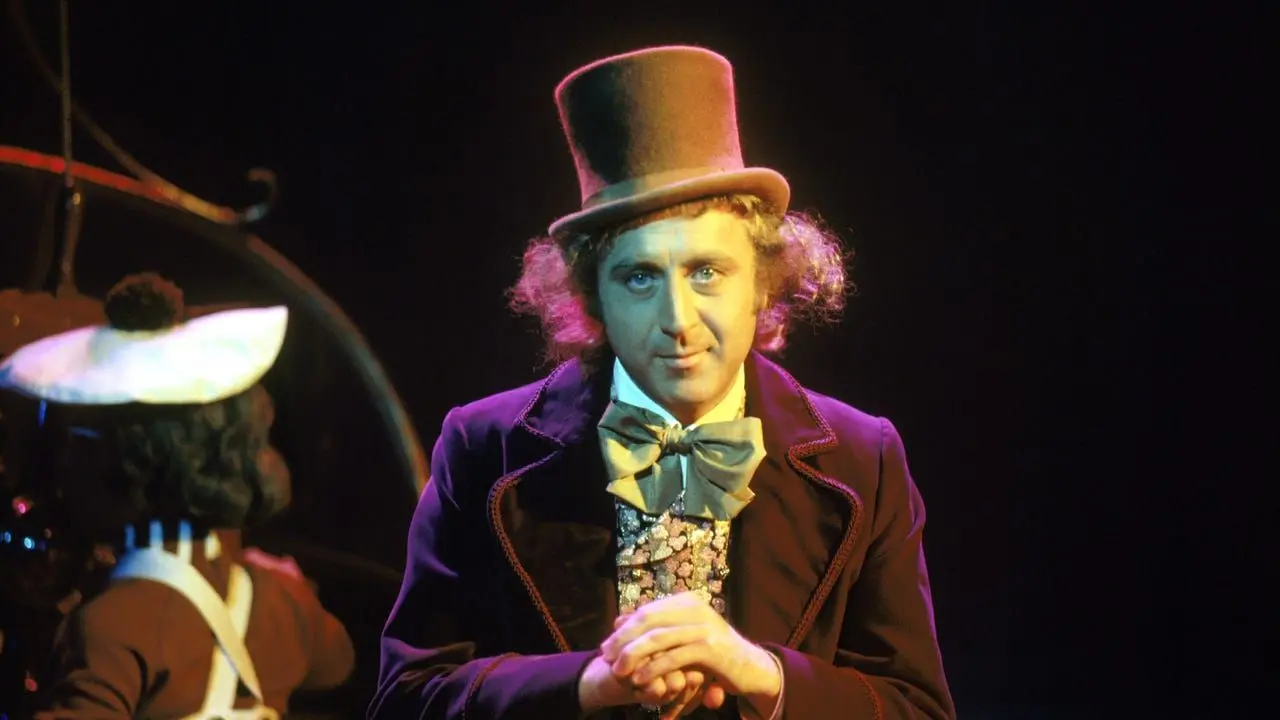
Source: IGN
Netflix's partnership with the Roald Dahl Company continues a 2021 collaboration, and the reality competition show is separate from the Charlie vs. the Chocolate Factory animated feature that will arrive in 2027
1
. The estate-approved and commercially licensed AI recreation represents a middle path between leaving iconic performances in the past and the unrestricted deepfake free-for-all that many in the industry fear3
.Related Stories
Why This Matters for the Future of Entertainment
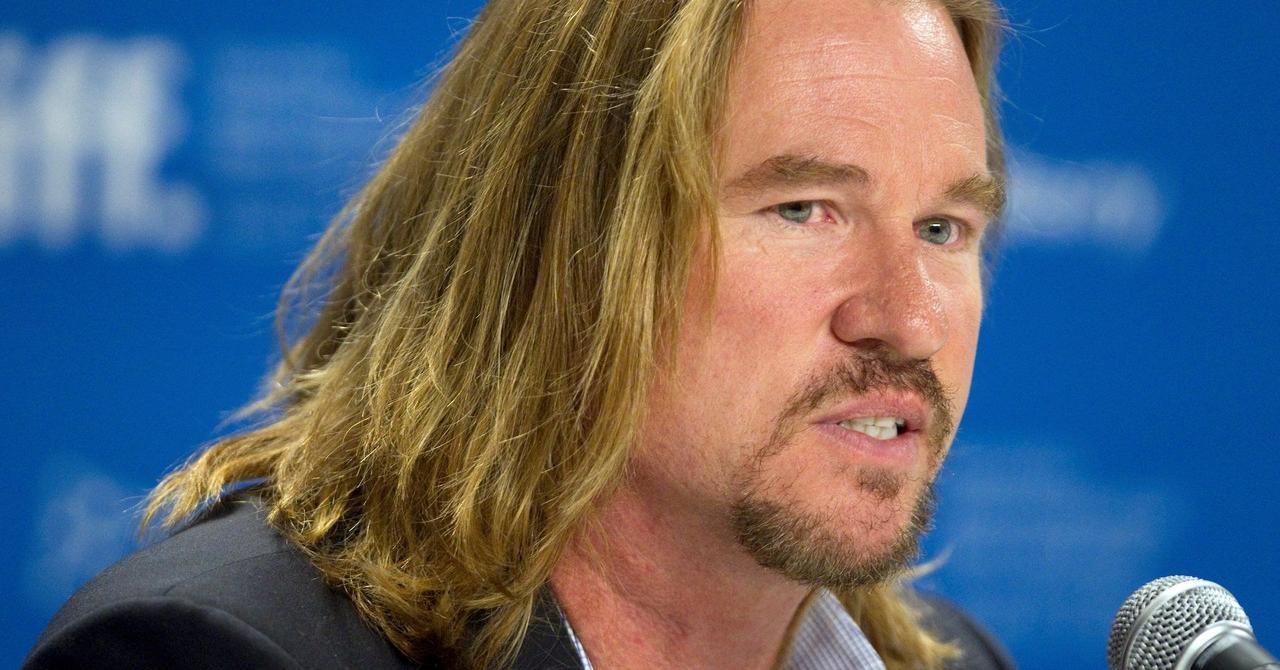
The backlash against Netflix's use of an AI-generated voice mirrors reactions to other recent projects involving deceased actors. Earlier this year, the film As Deep as the Grave faced criticism for using a completely AI-generated deepfake of Val Kilmer in a prominent role, despite his children's consent
4
. Alien: Romulus also drew negative responses in 2024 for using generative AI to bring back the late Sir Ian Holm4
. As one commentator noted, "No matter what permissions an estate may grant, a late actor cannot consent to having their likeness used in a movie. Doing so is an immediate violation of their personhood"4
.The immediate reaction suggests that paying to recapture a particular performance with AI is both a stunt to draw attention and a way to avoid paying a real actor to do a similar job
2
. Whether the estate-licensing model becomes an industry standard or draws a regulatory response remains an open question, but the debate is no longer theoretical3
. As AI technology advances, the tension between commercial opportunity and artistic integrity will continue to define how the entertainment industry navigates AI recreation of deceased performers' voices.References
Summarized by

Navi
[3]
Related Stories
Amazon-Backed AI Startup Aims to Recreate Lost Footage from Orson Welles' "The Magnificent Ambersons"
06 Sept 2025•Technology

Netflix's Use of AI-Generated Voice in Gabby Petito Docuseries Sparks Ethical Debate
25 Feb 2025•Technology

Sora 2: OpenAI's AI Video Generator Sparks Controversy and Ethical Concerns
14 Oct 2025•Technology

Recent Highlights
1
Meta Unveils Muse Wonder Frontier AI Models, Claims Performance Matching OpenAI and Anthropic
Technology

2
IMF Report Warns AI Market Correction Could Spark Global Financial Crisis With $1.4T at Risk
Business and Economy

3
OpenAI Releases 722 AI-Generated Math Solutions, Triggering Existential Crisis in Mathematics
Technology

Recent Highlights
Today's Top Stories










Don’t drown in AI news. We cut through the noise - filtering, ranking and summarizing the most important AI news, breakthroughs and research daily. Follow topics that matter to you and stay ahead.


