3 Sources
[1]
Nvidia behind $50bn lease on Texas data centre that will use its chips
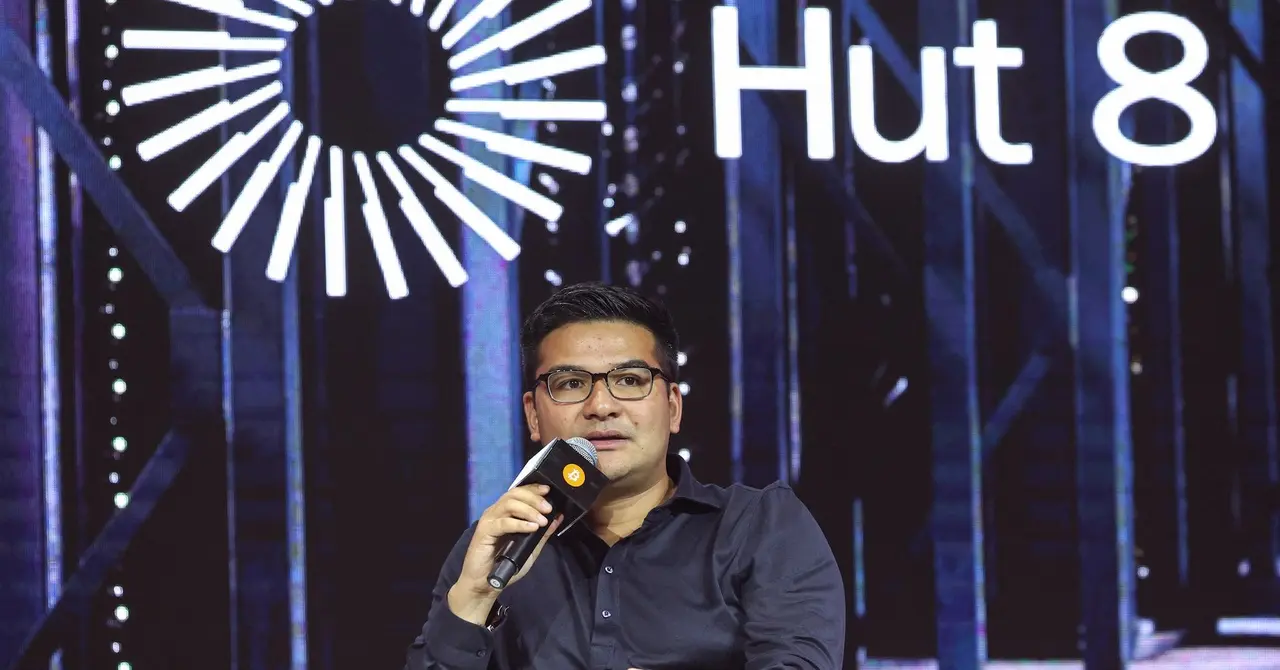
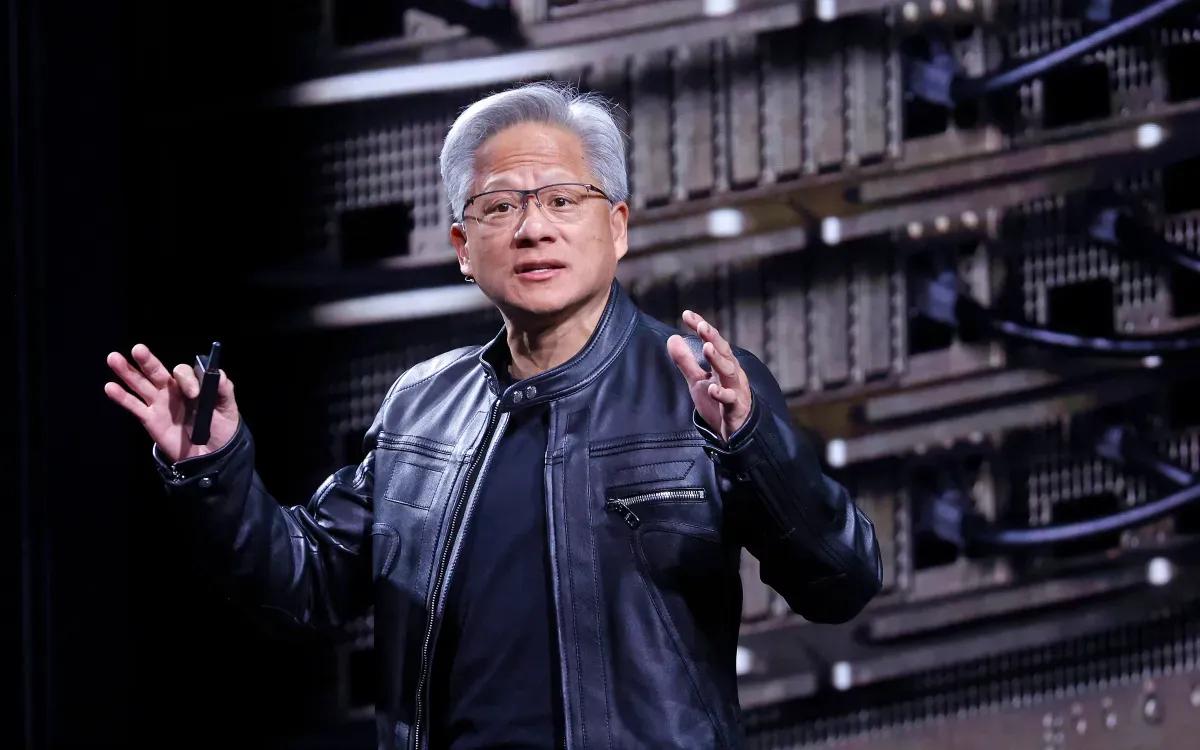
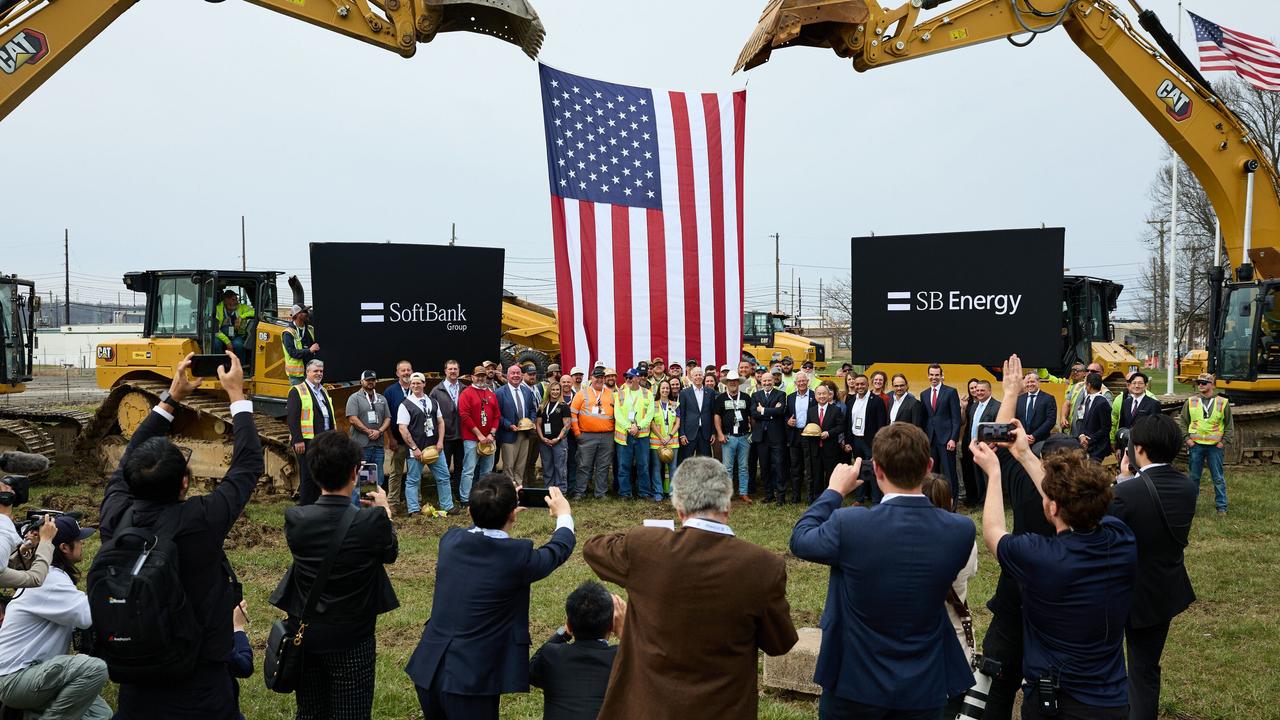
Nvidia has signed leases worth up to $50bn for a massive Texas data centre, a previously undisclosed commitment that shines a new spotlight on the chip group's growing role in financing AI. The nearly $5tn company is leasing the entire 1 gigawatt facility that developer Hut 8 is building, which will house hundreds of thousands of Nvidia's graphics processing units, said five people familiar with the deal. The move is the latest example of Nvidia's chief executive Jensen Huang aggressively using the company's financial strength to keep it at the centre of the fast-growing market for AI computing power. These efforts have included spending billions of dollars to foster a new generation of AI infrastructure providers, such as CoreWeave, to buy and run its GPUs. The Texas lease goes further, putting Nvidia behind the facilities that will house its chips. The Texas site has secured access to electricity, something that is increasingly rare as developers compete for grid power. Nvidia wielded its financial muscle to lock in the site for its own chips, said an executive familiar with the deal. "They have the balance sheet to acquire power, and in doing so, ensure their product is deployed," the person said, asking not to be named. Once completed, Nvidia could sublease capacity to its "neocloud" partners that buy its GPUs and sell AI cloud computing, the person said. The arrangement will intensify concerns about circular financing, as the chip group underwrites more of the market for its chips. Nvidia is also in talks to provide a $250bn backstop to OpenAI to help it lease a 10GW data centre SoftBank is building in Ohio, according to people familiar with the move. Details of Nvidia's involvement in the Ohio project were first reported by The Information and The Wall Street Journal. Nvidia's 15-year lease commitment for the Texas site is worth $19.6bn, and renewal options would take the total value to $50bn over 30 years, according to Hut 8. The chipmaker's leases are central to Hut 8's ability to cheaply finance the project, with about $4.3bn in bonds issued at 6.129 per cent in June to support the first phase of the project. The bonds drew an investment-grade rating from Moody's because of the lease and were priced at roughly 100 basis points above the chip group's own 30-year debt. Hut 8 is expected to seek further financing to support a second phase of the project which will double the campus's size and which was announced last week. Nvidia is facing increasing competition from Google as the search giant also uses its balance sheet to push its tensor processing unit chips, including backstopping data centres and unlocking cheaper debt for developers. When a Big Tech group guarantees the data centre leases, the cost of financing roughly halves, according to bankers. Hut 8 has publicly described its tenant at the Beacon Point project only as "a high-investment-grade company" with bond documents identifying six Big Tech companies including Nvidia as permitted tenants. The people familiar with the matter said Nvidia was the data centre's tenant. Nvidia's most recent quarterly filing shows $32.4bn of data centre lease payments that have yet to commence, primarily to support research and development, up from $7.4bn a year earlier. The $9.8bn lease on the first phase of Beacon Point, which was signed in March, would account for nearly one-third of that figure. Hut 8 said the company would not "comment on rumours or speculation regarding tenant identity" and that it has not provided guidance regarding additional financing beyond its public disclosures. The company has said the data centre would be built around Nvidia's DSX architecture, which standardises a site's computing power, networking, power and cooling around the chip group's hardware and software. Asked about the Texas lease, Nvidia said it was "working with ecosystem partners to accelerate the deployment of efficient AI infrastructure through the DSX AI factory architecture", which is a "blueprint for building and operating AI factories". Additional reporting by Michael Acton and George Hammond in San Francisco
[2]
Nvidia is the mystery tenant behind Hut 8's $50bn Texas data centre, FT reports
The chipmaker has not confirmed it, but five people tell the Financial Times that the "unnamed hyperscaler" leasing Beacon Point is Nvidia. For the better part of a fortnight, the tenant behind one of the largest data centre leases in Texas history existed only in the negative, described in Hut 8's own filings as an "unnamed, investment-grade hyperscaler," and now the Financial Times says the name is Nvidia. The FT reported citing five people familiar with the arrangement, that Nvidia is the counterparty behind two 15-year leases at Hut 8's Beacon Point campus in Nueces County, near Corpus Christi, and that the deal could be worth as much as $50bn to the developer over its full life. Hut 8 did not respond to requests for comment, and Nvidia has not confirmed that it is the tenant. The circularity that story implies is already familiar territory: Nvidia is separately reported to be in talks to backstop $250bn of OpenAI debt, and it took a $2.1bn warrant in IREN earlier this year as part of a 5GW neocloud agreement. The $50bn headline needs a footnote, though, because the contracted base is both smaller and already public. Hut 8 announced the first 352-MW lease weeks earlier, worth $9.8bn on a triple-net basis over 15 years, then doubled it on July 20 with a second 352-MW lease that brought the campus's base-term value to $19.6bn. The path to $50bn, or $50.2bn to be precise, runs through three five-year renewal options attached to each lease. Exercise all of them and the rent reaches the ceiling; leave them and it does not. So the number in the slug is a maximum, not a signed commitment. What is not in doubt is the shape of the campus. Beacon Point sits on 525 acres with a gigawatt of utility capacity secured through an interconnection agreement with AEP Texas, and it is being built to Nvidia's DSX reference architecture for gigawatt-scale AI factories. Hut 8 expects to energise the site in the first quarter of 2027, with a Phase II data hall following in the second quarter of 2028. The company, a bitcoin miner until fairly recently, has now let 704 of the 949 megawatts across its AI portfolio, according to the terms it disclosed without naming the tenant. If the FT is right, the arrangement puts Nvidia on three sides of the same table at once. It designs the reference architecture the campus is built around, it supplies the chips that will fill the halls, and it now appears to be the tenant whose rent makes the whole thing bankable. That pattern is not confined to Nvidia, either. Google has quietly come to guarantee $44bn of lease payments on data centres it does not own, up from $6.5bn nine months earlier, as it pushes its own TPU chips against Nvidia's. And in Texas the former crypto miners have become the preferred vehicle for these builds, since Cipher Digital raised $810m in junk bonds to put up another campus on much the same logic, that a long, investment-grade lease makes the debt cheap. For Hut 8 the appeal of a tenant like Nvidia is obvious, because a lease is only as good as the credit behind it, and few names in technology carry more of it right now. The silence is harder to read. Hut 8 has every commercial reason to trumpet an anchor of that calibre, which suggests the reticence is contractual rather than coy, the kind of confidentiality large hyperscalers routinely write into their leases, and which the FT's sources have now stepped around. Whether the full $50bn is ever paid turns on demand no one can forecast 15 years out, and on options that will not be tested until the 2040s. What Hut 8 has actually banked is the $19.6bn. What the market took from the reporting is narrower and more immediate, that the money behind Corpus Christi's newest gigawatt is, in all likelihood, Nvidia's.
[3]
Nvidia behind $50 billion lease on Texas data center, FT reports
In an impressive move, Nvidia is reportedly set to lease Hut 8's data center in Texas, with the value of the arrangement potentially soaring to fifty billion dollars in the future. This state-of-the-art campus is designed to facilitate extensive artificial intelligence training and operations. Moreover, Nvidia is expected to sublease parts of the facility to its cloud computing allies, significantly advancing their AI infrastructure through the cutting-edge DSX architecture. Nvidia has signed leases worth up to $50 billion for Hut 8's Texas data center, the Financial Times reported on Tuesday, citing five people familiar with the deal. Hut 8 said last week its 1-gigawatt Beacon Point campus had a base-term contract value of $19.6 billion over 15 years, rising to as much as $50.2 billion if renewal options are exercised. The company did not disclose the tenant at the time, saying it was an "existing investment-grade customer" which would install computing equipment at the site to support large-scale AI training and operations. The FT reported that Nvidia was the data center's tenant, citing sources. Nvidia could sublease the property to its "neocloud" partners that buy its GPUs and sell AI cloud computing, according to the FT. Reuters could not immediately verify the report. Hut 8 did not respond to a request for comment outside business hours. "Nvidia is working with ecosystem partners to accelerate the deployment of efficient AI infrastructure through the DSX AI factory architecture," an Nvidia spokesperson said, without confirming or denying the report. DSX is Nvidia's full-stack AI factory architecture to help design, build and run large-scale AI data centers, bringing together the company's technology with equipment from partner companies.
Share
Copy Link
Nvidia has committed up to $50bn to lease Hut 8's entire 1-gigawatt Beacon Point facility in Texas, housing hundreds of thousands of its GPUs. The Financial Times reports the chipmaker could sublease capacity to cloud computing partners, but the arrangement intensifies concerns about circular financing as Nvidia underwrites more of the market for its own chips.
Nvidia has signed leases worth up to $50bn for a massive Texas data centre, according to a Financial Times report citing five people familiar with the deal
1
. The chipmaker is leasing the entire 1-gigawatt Beacon Point data center that developer Hut 8 is building in Nueces County, near Corpus Christi. The facility will house hundreds of thousands of Nvidia's graphics processing units, marking one of the largest data centre commitments in recent history2
.
Source: ET
The 15-year lease commitment for the site is worth $19.6bn in base terms, with renewal options potentially taking the total value to $50bn over 30 years
1
. Hut 8 had previously described its tenant only as an "unnamed, investment-grade hyperscaler," but sources confirmed to the Financial Times that Nvidia is behind the deal2
. The company announced the first 352-MW lease worth $9.8bn, then doubled it on July 20 with a second 352-MW lease2
.The move demonstrates CEO Jensen Huang's aggressive strategy to keep Nvidia at the centre of the fast-growing AI computing market. The Texas site has secured access to electricity through an interconnection agreement with AEP Texas, something increasingly rare as developers compete for grid power
1
. "They have the balance sheet to acquire power, and in doing so, ensure their product is deployed," said an executive familiar with the deal1
.Once completed, Nvidia could sublease capacity to its "neocloud" cloud computing partners that buy its GPUs and sell AI cloud computing services
1
3
. The campus is being built around Nvidia's DSX architecture, which standardizes a site's computing power, networking, power and cooling around the chipmaker's hardware and software for gigawatt-scale AI factories1
2
. Hut 8 expects to energize the site in the first quarter of 2027, with a Phase II data hall following in the second quarter of 20282
.The arrangement intensifies concerns about circular financing, as Nvidia underwrites more of the market for its own chips
1
. The deal puts Nvidia on three sides of the same transaction: it designs the reference architecture the campus is built around, supplies the chips that will fill the halls, and now appears to be the tenant whose rent makes the project financially viable2
.Nvidia's leases are central to Hut 8's ability to cheaply finance the project, with about $4.3bn in bonds issued at 6.129 per cent in June to support the first phase. The bonds drew an investment-grade rating from Moody's because of the lease and were priced at roughly 100 basis points above Nvidia's own 30-year debt
1
. Nvidia is also in talks to provide a $250bn backstop to OpenAI to help it lease a 10GW data centre SoftBank is building in Ohio1
.Related Stories
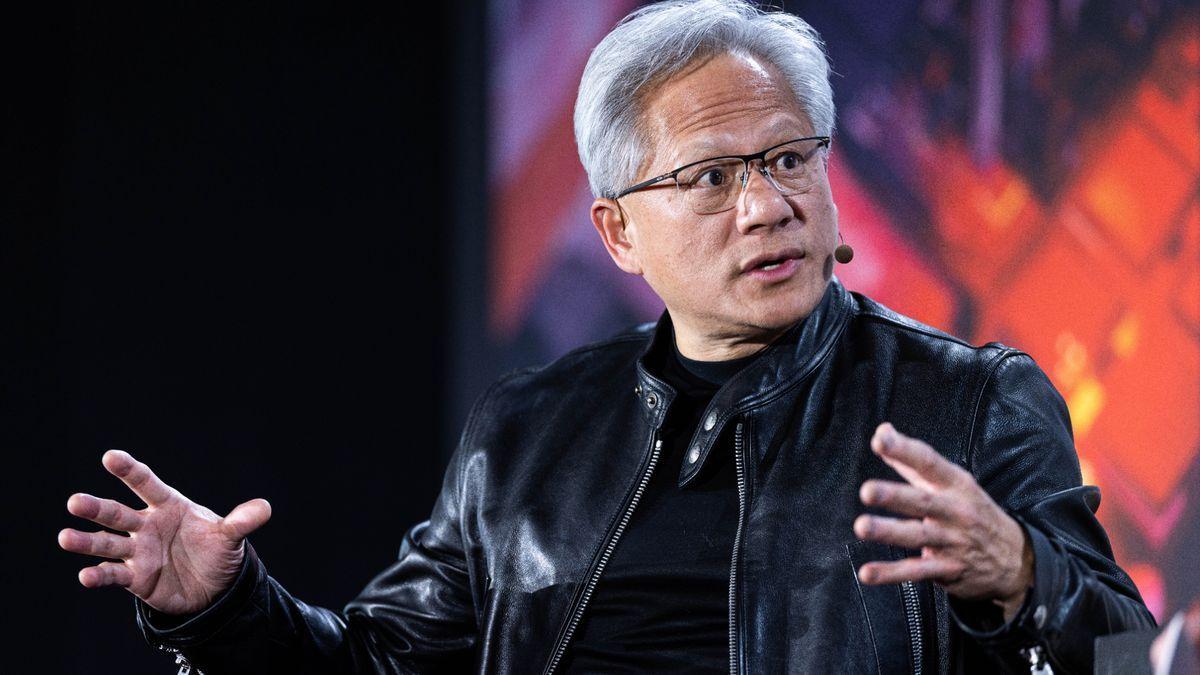
Nvidia is facing increasing competition from Google as the search giant also uses its balance sheet to push its tensor processing unit chips, including backstopping data centres and unlocking cheaper debt for developers
1
. Google has quietly come to guarantee $44bn of lease payments on data centres it does not own, up from $6.5bn nine months earlier2
. When a Big Tech group guarantees the data centre leases, the cost of financing roughly halves, according to bankers1
.Nvidia's most recent quarterly filing shows $32.4bn of data centre lease payments that have yet to commence, primarily to support research and development, up from $7.4bn a year earlier
1
. The $9.8bn lease on the first phase of Beacon Point, which was signed in March, would account for nearly one-third of that figure1
. With Hut 8 having now leased 704 of the 949 megawatts across its AI portfolio, the company has transformed from a bitcoin miner into a major player in AI infrastructure development2
.Summarized by
Navi
20 Jul 2026•Business and Economy

27 Jul 2026•Business and Economy

02 Jul 2026•Business and Economy

1
Technology

2
Policy and Regulation

3
Technology