4 Sources
[1]
Nvidia CEO Jensen Huang declines Senate testimony on AI, China and exports
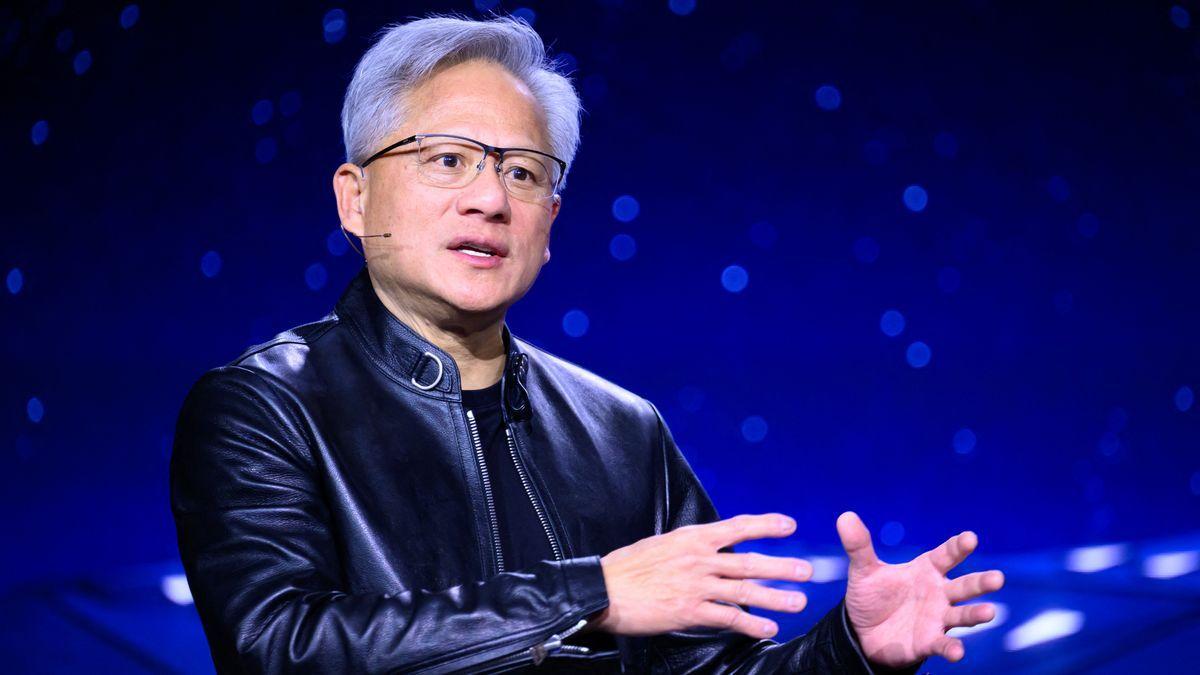
Nvidia CEO Jensen Huang has declined an invitation from Sen. Elizabeth Warren to testify before the Senate Banking Committee this Thursday, as lawmakers increase scrutiny of the chipmaker's China business and its role at the center of the global AI boom. Huang's decision means one of the most powerful executives in AI will not appear at a hearing focused on American AI development, innovation, affordability and U.S. technological dominance. Warren, D-Mass., had asked Huang to testify about Nvidia's business in China and its views on U.S. export controls, which govern the sale of advanced American technology abroad. "I appreciate Mr. Huang's response, but the American people deserve answers in a public forum," Warren said in a statement. "NVIDIA sits at the center of some of the most important questions facing our country about artificial intelligence, economic competition, and national security." "If Mr. Huang has time to attend a $1 million-a-head dinner at Mar-a-Lago and fly across the world to meet with President Xi Jinping of China, he should be able to find time to answer questions from Congress," Warren added. In a letter to Warren, Huang said he was unable to attend the hearing, titled "AI and the American Dream: Promoting Innovation, Affordability, and American Dominance," but said Nvidia appreciated the committee's focus on the issue. "NVIDIA designed, built, and delivered the first AI supercomputer to American researchers over a decade ago," Huang wrote. "Since that time, we have been dedicated to keeping American researchers, academics, startups, and businesses at the forefront of AI-related technologies." "American leadership in AI technologies cannot be taken for granted, but we are confident in the future and believe in the American system," Huang added. Huang said he would welcome Warren or any member of the committee to Nvidia's headquarters in Santa Clara, California, "to discuss our technology, the American AI ecosystem and how we can support U.S. leadership."
[2]
Huang declines Senate testimony on Nvidia China chip sales
Nvidia CEO Jensen Huang declined Senator Warren's invitation to testify before the Senate Banking Committee on AI chip exports to China. He offered a headquarters tour instead. Warren says the chips are being used for military purposes. Nvidia CEO Jensen Huang has declined an invitation from Senator Elizabeth Warren to testify before the Senate Banking Committee on Thursday about the chipmaker's sales to China and US export controls. Warren had asked Huang to appear under oath to discuss how Nvidia's AI chips reach Chinese buyers and whether they end up in military applications. Huang offered an alternative. He said he would welcome Warren or any committee member to Nvidia's headquarters in Santa Clara "to discuss our technology, the American AI ecosystem, and how we can support US leadership." What Warren wants to know Warren's concerns centre on whether Nvidia's chips, designed for AI training and inference, are being repurposed for military use in China. "AI chips exported to the Chinese market are not just used in the AI industry; they are also being used for military purposes," she wrote in her letter to Huang. She also raised concerns about the Commerce Department's export control regime, which she has separately criticised as riddled with loopholes that allow Chinese companies to acquire advanced chips through overseas subsidiaries in Singapore, Malaysia, and Thailand. Huang's position Huang has consistently argued that restricting Nvidia's China sales hurts American competitiveness without slowing Chinese AI development. He sits on Trump's Council of Advisors on Science and Technology and has lobbied for a policy that gives American companies priority access to the best chips while still allowing sales of competitive products to China. "We should ensure that American companies have the best and the most and first," Huang told reporters in December. "We should offer the most competitive chips we can to the Chinese market." The political context The hearing is scheduled for Thursday, the same day SpaceX begins trading publicly. Nvidia's share price fell roughly 6% in last week's semiconductor rout, shedding $740 billion in market value, but the company's Vera Rubin platform is entering production and its compute deals with SpaceX, Google, and others continue to expand. Huang's refusal to testify is not unusual for a tech CEO, but the optics are sharp. Warren is building a record of AI policy challenges that now spans chip exports, voluntary model reviews, and government equity stakes, all targeting the same companies that the administration is simultaneously courting for investment. Whether the committee subpoenas Huang or accepts his counterproposal will signal how far Congress is willing to push the confrontation with the AI industry's most powerful hardware supplier.
[3]
Nvidia CEO Jensen Huang declines Warren's request to testify at AI hearing
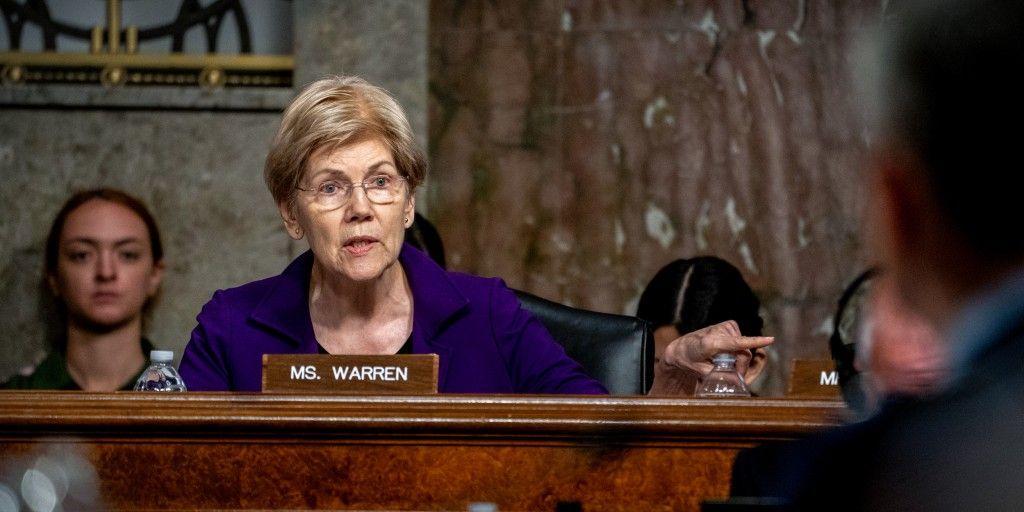
Sen. Elizabeth Warren, D-Mass., during a committee hearing on Capitol Hill on April 30.Stefani Reynolds / Bloomberg via Getty Images file Nvidia CEO Jensen Huang has declined an invitation from Sen. Elizabeth Warren, D-Mass., to testify at a Senate committee hearing later this week about American AI development, NBC News has learned. Thursday's hearing, held by the Senate Committee on Banking, Housing, and Urban Affairs, will examine AI's role in American innovation, affordability and technological dominance. Warren had requested Huang's attendance to learn more about Nvidia's business in China and its approach to export controls -- rules that regulate sales of American AI technology abroad. "NVIDIA sits at the center of some of the most important questions facing our country about artificial intelligence, economic competition, and national security," Warren wrote in a statement about Huang's decision not to attend. "If Mr. Huang has time to attend a $1 million-a-head dinner at Mar-a-Lago and fly across the world to meet with President Xi Jinping of China, he should be able to find time to answer questions from Congress." Nvidia is the world's most valuable company, with a market capitalization of over $5 trillion. It designs some of the world's most advanced chips and hardware that power today's AI systems. "I am unable to attend, but appreciate the Committee's focus on these important issues," Huang wrote to Warren in a letter seen by NBC News. "American leadership in AI technologies cannot be taken for granted, but we are confident in the future and believe in the American system." "I would welcome the opportunity to host you, or any member of the Committee, at NVIDIA's headquarters in Santa Clara to discuss our technology, the American AI ecosystem and how we can support U.S. leadership," Huang added. Huang, who sits on President Donald Trump's Council of Advisors on Science and Technology, has repeatedly urged American lawmakers and regulators to allow broader sales of Nvidia chips around the world. NBC News could not locate any record of Huang previously testifying before Congress. "We should ensure that American companies have the best and the most and first," Huang told reporters in December, though "we should offer the most competitive chips we can to the Chinese market." At the time, Warren said that Huang's lobbying "could turbocharge China's military and undercut American technological leadership." Nvidia did not reply to a request for comment. Just last week, the Commerce Department moved to close a glaring export control loophole that may have allowed companies like Nvidia to export powerful AI chips to countries otherwise banned from obtaining advanced American chips. Export controls for American AI systems have been a perennial issue and challenge for Washington. While some in Washington argue that selling American chips abroad is critical for American innovation and competitiveness, many argue that AI chips are so powerful that they require a stringent export approach. They say that AI chips can be used for a wide-range of applications, and their potential use by foreign militaries necessitates an extremely vigilant approach. Congress is currently contemplating several bills that would further restrict the sale of chips and relevant chipmaking equipment to China, along with other U.S. rivals. Thursday's panel will convene a panel of experts from D.C. think tanks and advocacy groups about America's AI export controls, according to an aide from the Senate Banking committee. Scheduled to appear are Mike Flynn, senior vice president of the The Information Technology Industry Council, David Feith, senior fellow at the Hudson Institute, Will Rinehart, senior fellow at The American Enterprise Institute, and Dr. Sarah Myers West, co-executive director of the AI Now Institute.
[4]
Elizabeth Warren Says If Jensen Huang Has Time To Attend $1 Billion Mara-A-Lago Dinner He Should Be Able
Warren Presses Nvidia On China And AI Export Controls Last week, Warren invited Huang to appear at Thursday's hearing, titled "AI and the American Dream: Promoting Innovation, Affordability, and American Dominance." Nvidia Defends Its Commitment To U.S. AI Leadership In a letter dated June 6, Huang informed the committee that he would be "unable to attend" the hearing but expressed support for its focus on AI and American competitiveness. He also highlighted Nvidia's long-standing role in the U.S. AI ecosystem. The Nvidia chief also invited Warren and other committee members to visit the company's Santa Clara, California, headquarters. "I would welcome the opportunity to host you, or any member of the Committee, at NVIDIA's headquarters in Santa Clara to discuss our technology, the American AI ecosystem and how we can support U.S. leadership," the letter read. Warren Criticizes Huang For Skipping Hearing "I appreciate Mr. Huang's response, but the American people deserve answers in a public forum," Warren said in a statement, CNBC reported. In a separate post on X, Warren also aimed at Huang's schedule, arguing that if he had the time to have "dinner at Mar-a-Lago and meet with President Xi in China," he should make time to answer some questions. China Business Under Pressure Nvidia has repeatedly warned that stringent export restrictions could undermine U.S. competitiveness and push customers toward foreign alternatives. Nvidia's May quarterly filing showed that revenue from customers headquartered in China, including Hong Kong, fell to $4.55 billion in the first quarter from $9.66 billion a year earlier, a decline of about 53%. Despite the sharp drop, the chipmaker reported record first-quarter revenue of $81.6 billion, up 85% year over year. Price Action: Nvidia shares closed Monday up 1.73% at $208.64 and slipped 0.47% to $207.65 in after-hours trading, according to Benzinga Pro. According to Benzinga Edge Stock Rankings, NVDA ranks in the 98th percentile for Growth, reflecting strong performance across short, medium and long-term time frames. Disclaimer: This content was partially produced with the help of AI tools and was reviewed and published by Benzinga editors. Photo Courtesy: FotoField on Shutterstock.com Market News and Data brought to you by Benzinga APIs To add Benzinga News as your preferred source on Google, click here.
Share
Copy Link
Nvidia CEO Jensen Huang turned down Senator Elizabeth Warren's request to testify before the Senate Banking Committee about the company's China business and export controls. Warren criticized the decision, noting Huang attended a $1 million Mar-a-Lago dinner and met with President Xi Jinping. The hearing will examine American AI development and technological dominance without one of AI's most powerful executives.
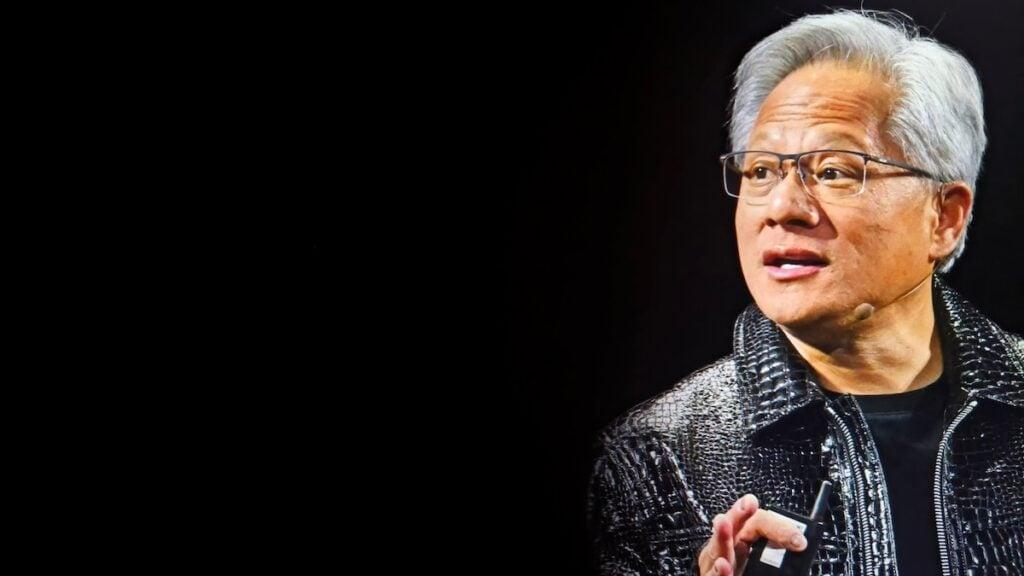
Nvidia CEO Jensen Huang has declined an invitation from Senator Elizabeth Warren to testify before the Senate Banking Committee this Thursday, marking a significant absence at a hearing focused on American AI development and technological dominance
1
. Warren, D-Mass., had specifically requested Huang appear under oath to discuss Nvidia's business in China and the company's views on U.S. export controls, which govern the sale of advanced American technology abroad2
. The hearing, titled "AI and the American Dream: Promoting Innovation, Affordability, and American Dominance," will now proceed without one of the most powerful executives in the AI industry3
.
Source: Benzinga
Warren responded sharply to Huang's decision, questioning his priorities and availability. "If Mr. Huang has time to attend a $1 million-a-head dinner at Mar-a-Lago and fly across the world to meet with President Xi Jinping of China, he should be able to find time to answer questions from Congress," Warren stated
1
. She emphasized that "the American people deserve answers in a public forum" and noted that Nvidia sits at the center of critical questions about artificial intelligence, economic competition, and national security3
. Warren's concerns center on whether Nvidia's AI chips, designed for AI training and inference, are being repurposed for military applications in China2
.
Source: NBC
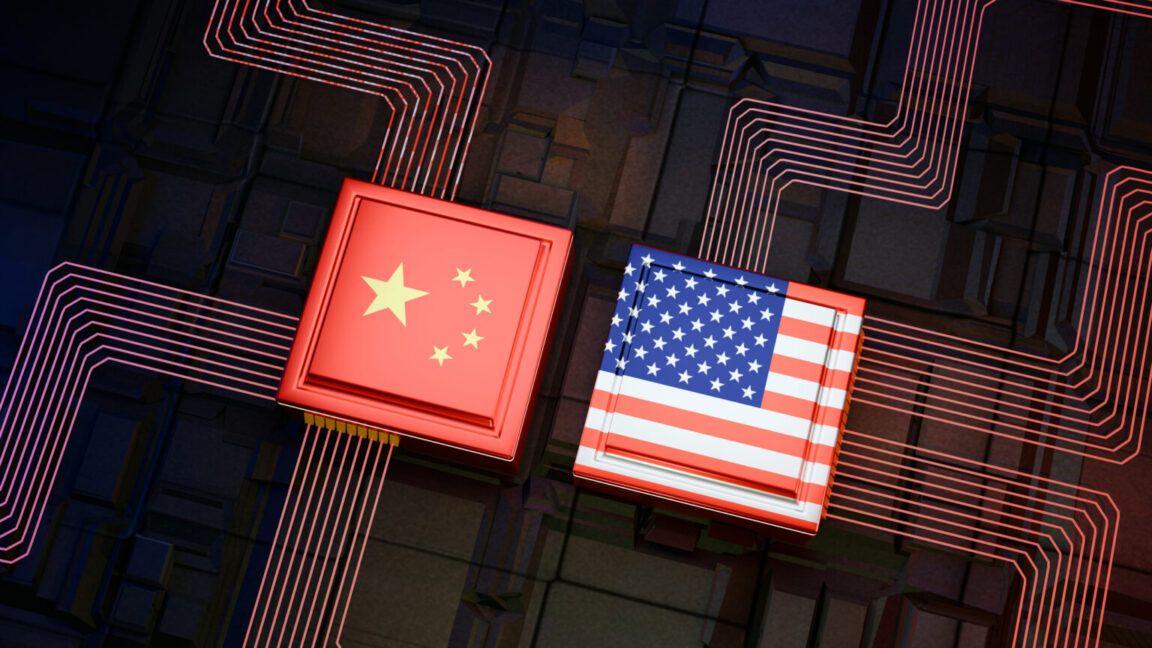
The scrutiny comes as Nvidia's China business faces significant headwinds from export restrictions. Revenue from customers headquartered in China, including Hong Kong, fell to $4.55 billion in the first quarter from $9.66 billion a year earlier, a decline of approximately 53%
4
. Despite this sharp drop, Nvidia reported record first-quarter revenue of $81.6 billion, up 85% year over year4
. Warren has separately criticized the Commerce Department's export control regime as riddled with loopholes that allow Chinese companies to acquire advanced chips through overseas subsidiaries in Singapore, Malaysia, and Thailand2
. Just last week, the Commerce Department moved to close a glaring export control loophole that may have allowed companies like Nvidia to export powerful AI chips to countries otherwise banned from obtaining advanced American chips3
.Related Stories
In his response letter to Warren dated June 6, Huang said he was unable to attend the AI hearing but appreciated the committee's focus on these important issues
1
. He emphasized Nvidia's long-standing commitment to US AI leadership, noting that "NVIDIA designed, built, and delivered the first AI supercomputer to American researchers over a decade ago"1
. Huang has consistently argued that restricting Nvidia's China sales hurts American competitiveness without slowing Chinese AI development2
. "We should ensure that American companies have the best and the most and first," Huang told reporters in December, though "we should offer the most competitive chips we can to the Chinese market"3
. He sits on President Donald Trump's Council of Advisors on Science and Technology and has repeatedly urged American lawmakers and regulators to allow broader sales of Nvidia chips around the world3
.Whether the Senate Banking Committee subpoenas Huang or accepts his counterproposal to visit Nvidia's Santa Clara headquarters will signal how far Congress is willing to push the confrontation with the AI industry's most powerful hardware supplier
2
. Congress is currently contemplating several bills that would further restrict the sale of chips and relevant chipmaking equipment to China, along with other U.S. rivals3
. The Thursday panel will convene experts from D.C. think tanks and advocacy groups about America's AI export controls, including Mike Flynn from The Information Technology Industry Council, David Feith from the Hudson Institute, Will Rinehart from The American Enterprise Institute, and Dr. Sarah Myers West from the AI Now Institute3
. The ongoing debate highlights the tension between maintaining American competitiveness in global markets while preventing advanced technology from potentially strengthening foreign military capabilities.Summarized by
Navi
[2]
12 Dec 2025•Policy and Regulation

30 May 2025•Policy and Regulation

24 Mar 2026•Policy and Regulation

1
Technology

2
Business and Economy

3
Health