NVIDIA CEO's Visit to TSMC: Debunking Rumors and Exploring AI Chip Developments


3 Sources
[1]
TSMC responds to rumor that NVIDIA CEO's visit was about revenue sharing with the US
TL;DR: NVIDIA CEO Jensen Huang's recent visit to TSMC was to celebrate the founder's birthday and discuss company matters, not to propose revenue sharing with the US government. TSMC denies rumors linking it to Trump's chip export deal, while preparing to launch advanced Rubin AI chips by
[2]
TSMC Debunks Wild Rumor Claiming NVIDIA CEO Visited Taiwan To Discuss A Purported Trump Suggested 'AI Chip Profit-Sharing' Plan
This is not investment advice. The author has no position in any of the stocks mentioned. Wccftech.com has a disclosure and ethics policy. The Taiwan Semiconductor Manufacturing Company (TSMC) has denied that a recent visit by NVIDIA CEO Jensen Huang to Taiwan was to discuss a purported demand
[3]
NVIDIA CEO's Recent Visit to Taiwan Was Reportedly to Tell TSMC That President Trump Wants Them Involved in a 'Profit-Sharing' Deal for Chips Sold to China
In a rather wild rumor, it seems like NVIDIA's CEO visit to Taiwan was not only for the company's internal matters, rather Jensen apparently had to convey a message from President Trump. For those unaware, President Trump had put up a deal for American chip manufacturers a few weeks ago, where
Share
Copy Link
NVIDIA CEO Jensen Huang's recent visit to TSMC sparks speculation about revenue sharing with the US government, which TSMC denies. The visit coincides with discussions on advanced AI chip production and potential geopolitical implications.
NVIDIA CEO's Visit to TSMC: Separating Fact from Fiction
NVIDIA CEO Jensen Huang's recent visit to Taiwan Semiconductor Manufacturing Company (TSMC) has sparked a flurry of speculation and rumors in the tech industry. The visit, which coincided with TSMC founder Morris Chang's birthday celebration, has been the subject of various reports, some of which TSMC has officially denied
1
.Debunking Revenue Sharing Rumors
Contrary to initial reports, TSMC has categorically dismissed claims that Huang's visit was related to discussions about revenue sharing with the US government. The rumor, which suggested that TSMC might need to share revenue from chips sold to China with the Trump administration, has been refuted by the semiconductor giant
2
.TSMC Chairman C. C. Wei stated, "They [US government] have already announced that they will not take shares," in response to questions about a proposed plan for the US government to take an equity stake in TSMC in exchange for subsidies
1
.The Real Purpose of Huang's Visit
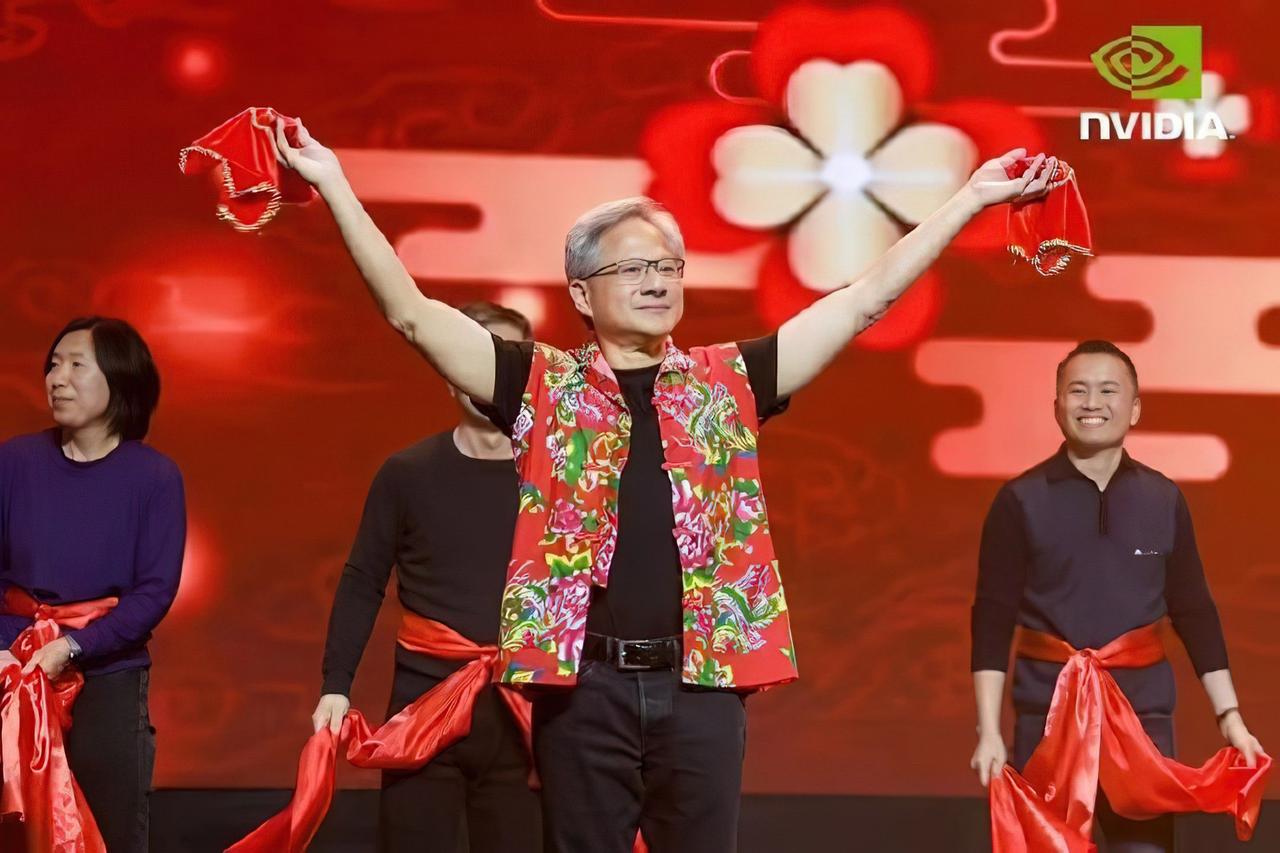
According to TSMC, Huang was invited to their headquarters to give a speech and participate in the birthday celebration for TSMC founder Morris Chang. The company emphasized that it maintains a stable and robust communication channel with the US government, suggesting that such high-level discussions would not necessitate an impromptu visit from NVIDIA's CEO
2
.
Source: Wccftech
Focus on Advanced AI Chip Development
While the revenue sharing rumors have been debunked, industry analysts speculate that Huang's visit may have been related to TSMC's upcoming production of advanced Rubin AI chips. These next-generation chips, slated for production by the end of the year, are said to be a ground-up redesign and could potentially revolutionize AI processing capabilities
1
.Related Stories
Geopolitical Context and Industry Implications

Source: Wccftech
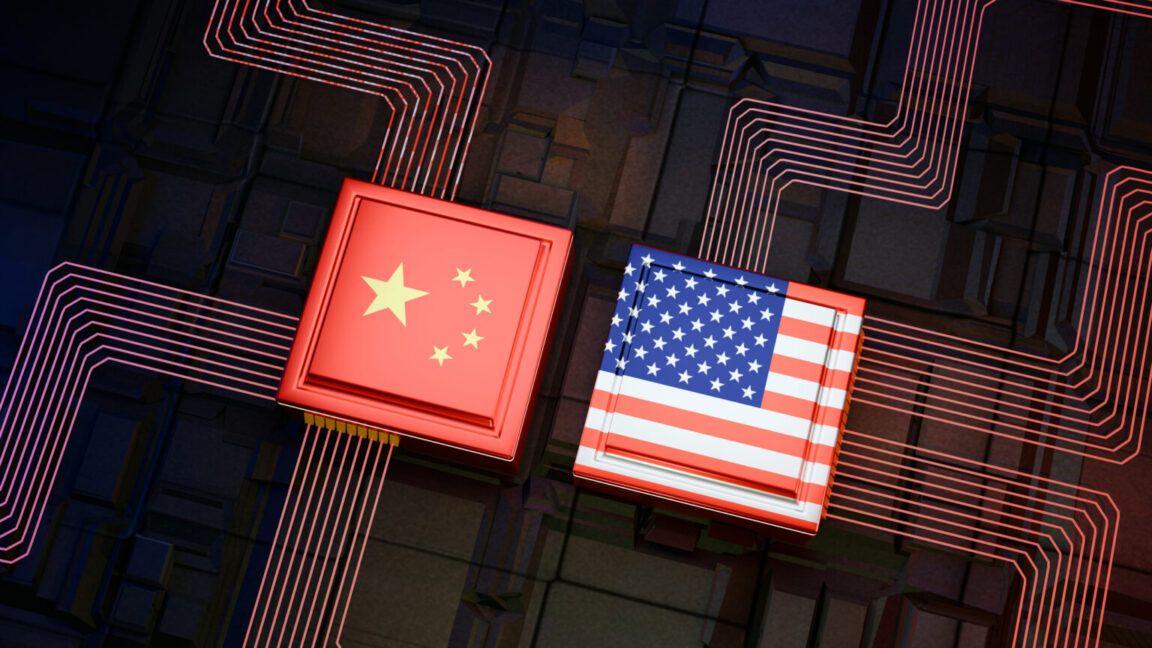
The visit comes amid ongoing tensions between the US and China over semiconductor technology. The Trump administration recently approved NVIDIA's China H20 AI GPU licenses on the condition of sharing 15% of the sales with the US government. This move has raised questions about the future of international chip sales and the potential for similar arrangements with other companies
3
.NVIDIA's Stance and Future Outlook
Source: TweakTown
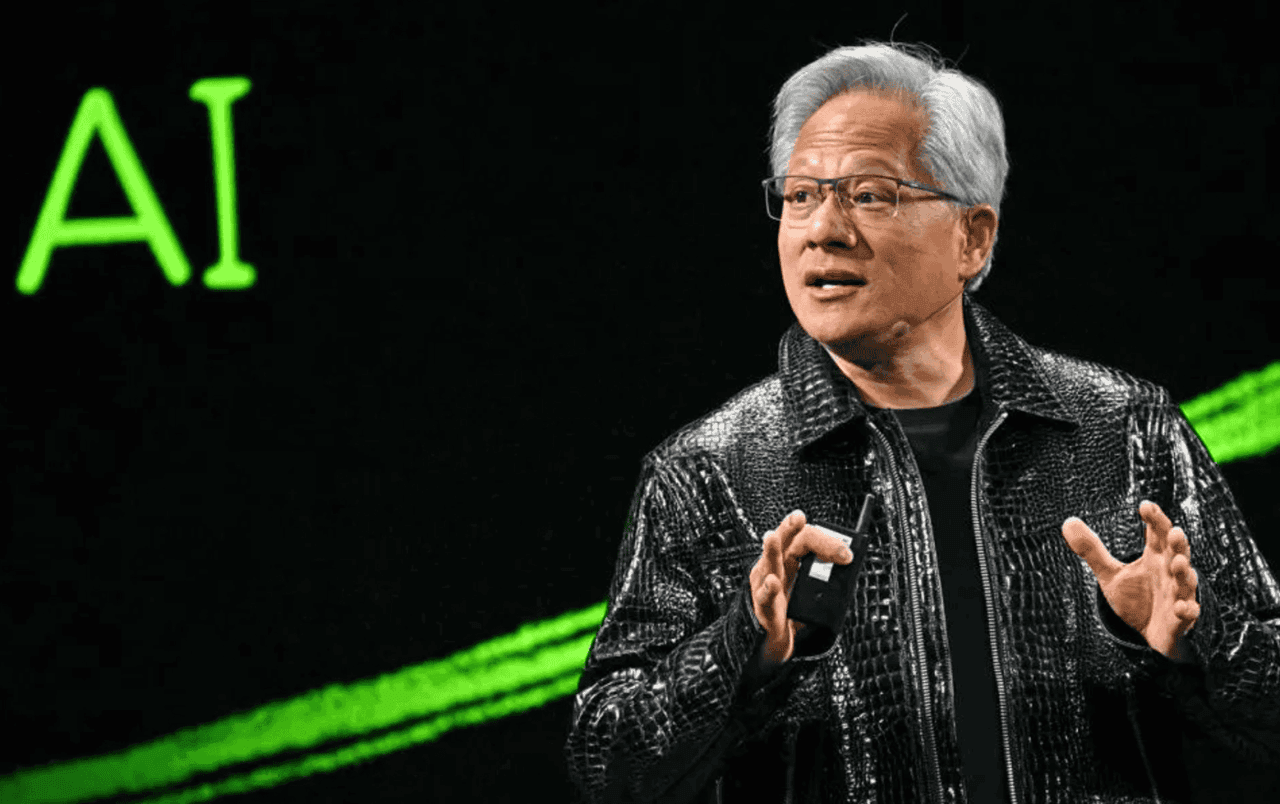
Jensen Huang has expressed gratitude for the Trump administration's approval of licenses for Chinese customers. However, he also noted surprise at reports of Chinese government restrictions on the sale of NVIDIA's H20 GPUs, stating that Chinese officials had previously requested him to secure these licenses
2
.As the semiconductor industry continues to navigate complex geopolitical waters, the relationship between major players like NVIDIA and TSMC, and their interactions with governments, will likely remain under scrutiny. The focus on advanced AI chip development, coupled with evolving international trade policies, suggests a dynamic and challenging landscape for the global semiconductor industry in the coming months.
References
Summarized by

Navi
Related Stories
NVIDIA CEO Jensen Huang Secures 50% Production Boost from TSMC Amid Soaring AI Chip Demand
09 Nov 2025•Business and Economy
U.S. Imposes 15% Revenue Share on Nvidia and AMD's AI Chip Sales to China Amid Escalating Tech Rivalry
05 Aug 2025•Policy and Regulation

Nvidia CEO Jensen Huang Dismisses Rumors of Intel Foundry Takeover Amid AI Chip Demand and Onshoring Discussions
20 Mar 2025•Business and Economy

Recent Highlights



Recent Highlights
Today's Top Stories



Don’t drown in AI news. We cut through the noise - filtering, ranking and summarizing the most important AI news, breakthroughs and research daily. Follow topics that matter to you and stay ahead.


