Nvidia cut Megaspeed off. Its team kept getting chips under a new name


3 Sources
[1]
Who is Li Ming? Was he the man behind the Nvidia chip smuggling network to China, and how is he linked to Alice Huang, Megaspeed and NovaGate Cloud?
Li Ming is reportedly one of the individuals implicated in Singapore's investigation into the alleged illegal diversion of Nvidia AI chips. The Wall Street Journal's latest report describes him as a key operator behind a wider business network that allegedly helped Chinese companies obtain access
[2]
Chinese national Li Ming charged in fraud case in Singapore linked to Megaspeed and Alice Huang: Report
Li Ming, a Chinese national, is facing fraud charges in Singapore regarding alleged transshipment of Nvidia chips. He was involved with Megaspeed, a company linked to Alice Huang, the former romantic partner of Nvidia's CEO Jensen Huang. Li is accused of misleading an American supplier by
[3]
NVIDIA's China Chip Controversy Deepens as Li Ming's Business Network Faces Scrutiny
Chinese businessman Li Ming is facing fraud charges over an alleged network that moved NVIDIA AI chips to China through Southeast Asia. His business links with Alice Huang and Kang Wei have also drawn attention. NVIDIA's China chip controversy has taken a new turn. Recent reports have highlighted
Share
Copy Link
Li Ming, a 52-year-old Chinese businessman the Wall Street Journal describes as a key operator in a network supplying advanced computing capacity to Chinese customers, faced a fraud charge from Singapore prosecutors in February 2025 over the alleged transshipment of servers carrying Nvidia chips
2
1
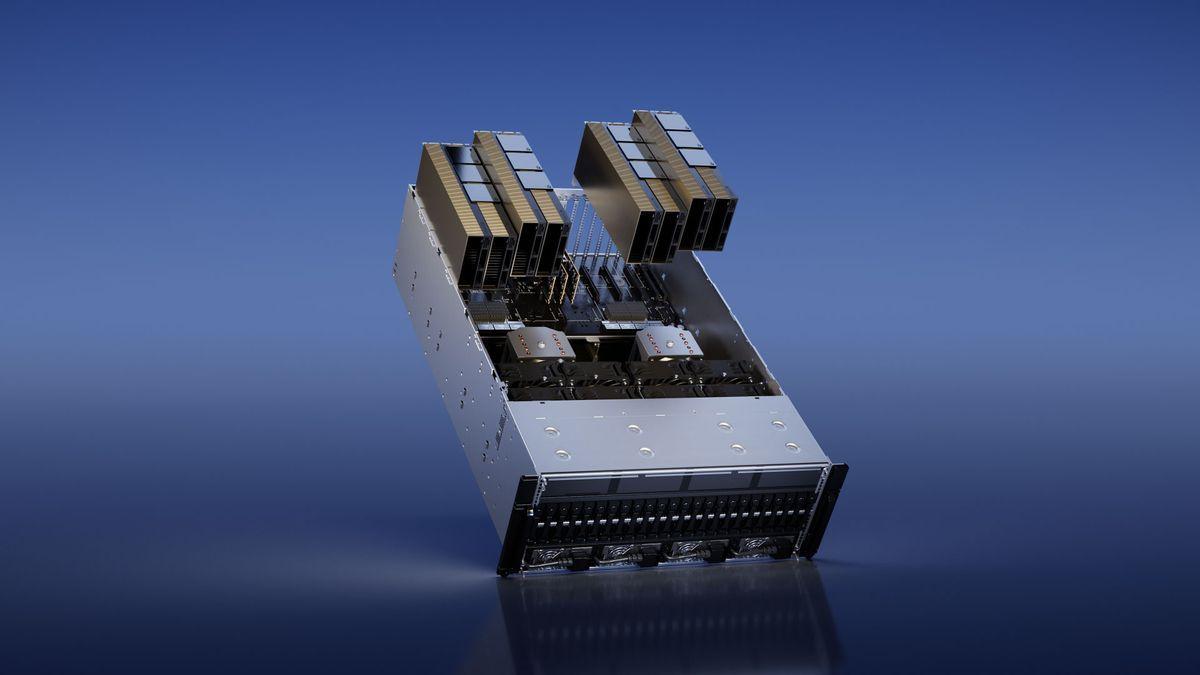
. The case has become a window into how restricted AI chips reach China through Southeast Asia. Per the Journal's reporting, the network kept operating after Nvidia cut it off.Prosecutors allege Li bought the servers through his Singapore company, Luxuriate Your Life, telling US supplier Super Micro they were for his own firm. Prosecutors allege the servers instead went to Malaysia and then to a destination they have not named
1
. Per the Singapore case information, the alleged transaction was valued at about $390 million1
. Li is out on bail and the case is ongoing; his lawyers declined to comment2
1
. The allegations have not been tested in court.How the network got priority chips
Alice Huang, a Chinese businesswoman whom media reports identify as the former romantic partner of Nvidia CEO Jensen Huang, set up cloud-computing joint venture Century Longteng with her husband Kang Wei in 2021, per Chinese corporate registry records
2
1
. The reports note the personal link is not evidence of wrongdoing by the Nvidia chief. Li had worked with Huang and Kang Wei for years. A January 2023 social media post put him in Century Longteng's chief strategy officer role during a visit to a Shanghai AI equipment company2
1
.
Source: ET
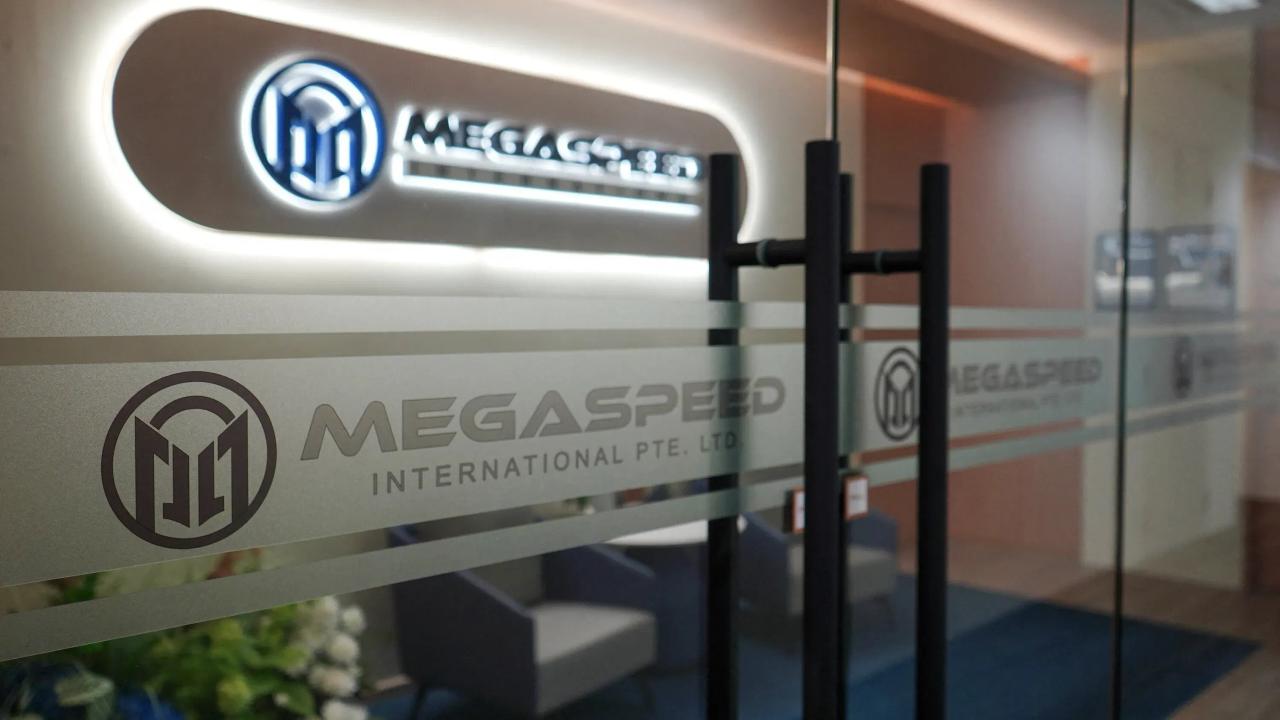
The group bought a Chinese video game company's Singapore arm, renamed it Megaspeed and registered Huang as a director, then built a network of Southeast Asian partners to sell computing capacity to Chinese customers
2
1
. Megaspeed entered Nvidia's cloud partner programme in November 2023, per the Journal's earlier reporting, after naming Alibaba as an anchor customer; that gave it priority access to the newest chips2
1
. Some servers it brought into Malaysia later went to Shanghai's Century Litong, in breach of US export controls, per the Journal's earlier reporting1
. Bloomberg, analysing customs records from Malaysia and Indonesia, puts the group's imports at more than $4.6 billion in Nvidia gear, over 136,000 GPUs among them, from 2023 through November 20251
.Nvidia put Megaspeed on a no-sell list in June 2025, as US and Singapore investigators were looking at the company
2
1
. Megaspeed says it conducts legitimate, lawful business2
1
. Huang left that August; Singapore officials said they questioned her over suspected chip smuggling, then let her leave but barred her from returning2
1
. The episode sits inside a billing mismatch. Nvidia booked $10.2 billion in revenue billed to Singapore in the May-July 2025 quarter. Singapore's trade ministry estimates less than 1% of it was actually delivered there1
.
Source: ET
A new name, the same inflow
Megaspeed is now largely dormant in Singapore. The team behind it now runs a venture called Novagate Cloud, per the Journal
2
1
. Per shipment records the Journal reviewed, Novagate received at least $300 million of Nvidia-containing hardware at a Malaysian entity in the first five months of 20262
1
.The linkage rests on corporate paperwork. Novagate's two Singaporean officeholders hold the same posts at a company run by a director of a Singapore sister firm of Century Litong. That director now faces charges in Singapore similar to Li's
2
1
. A May report by short-selling firm Culper Research flagged the likely link earlier that year, citing near-identical websites and a shared address between one Novagate director and Megaspeed's headquarters; Culper bets against Nvidia's stock2
. Novagate did not respond to requests for comment2
1
.The renewed attention lands as enforcement tightens. The Commerce and Justice departments have, since 2024, been investigating possible export-control breaches tied to Megaspeed
1
. On November 16, the Commerce Department's Bureau of Industry and Security announced a rule aimed at chip access through data centres abroad, published in the Federal Register three days later1
. Per the department, it aims to address setups that let Chinese customers tap restricted computing power housed overseas without importing the chips1
.
Source: Analytics Insight
References
Summarized by

Navi
[3]
Related Stories
Recent Highlights


Recent Highlights
Today's Top Stories





Don’t drown in AI news. We cut through the noise - filtering, ranking and summarizing the most important AI news, breakthroughs and research daily. Follow topics that matter to you and stay ahead.


