Nvidia Eyes Germany's Retired Nuclear Sites for AI Data Centers


2 Sources
[1]
Nvidia and PreussenElektra to evaluate shuttered nuclear sites
Could decommissioned nuclear sites really host data centers? * Nvidia wants to turn Germany's retired nuclear sites into AI data centers * Germany's nuclear shutdown leaves dozens of former power stations awaiting dismantling * Nvidia and PreussenElektra are investigating new uses for Germany's
[2]
Nvidia signs Germany nuclear-site study: data centers at retired plants
Feasibility review targets grid links, land and cooling water Nvidia has signed a preliminary agreement with the German nuclear operator PreussenElektra to examine a pretty specific idea: whether retired nuclear plant sites in Germany could be repurposed as large data centers. The plan is to use
Share
Copy Link
Nvidia signed a preliminary agreement with PreussenElektra to study converting decommissioned nuclear sites in Germany into AI data centers. The feasibility study will assess grid connections, industrial infrastructure, and cooling water access at eight retired plants without restarting reactors.
Nvidia and PreussenElektra Sign Preliminary Agreement for Nuclear Site Study
Nvidia has signed a preliminary agreement with German utility PreussenElektra (PEL) to explore whether decommissioned nuclear sites in Germany could be transformed into AI data centers
1
2
. The chipmaker made clear it will not restart any idle reactors, focusing instead on leveraging existing industrial infrastructure at retired facilities1
. Germany permanently closed its final operating nuclear reactors in April 2023 following the Fukushima incident and is now dismantling about 30 atomic stations nationwide1
. PreussenElektra oversees the closure and teardown of eight of those stations, which are the likely candidates for this feasibility study1
.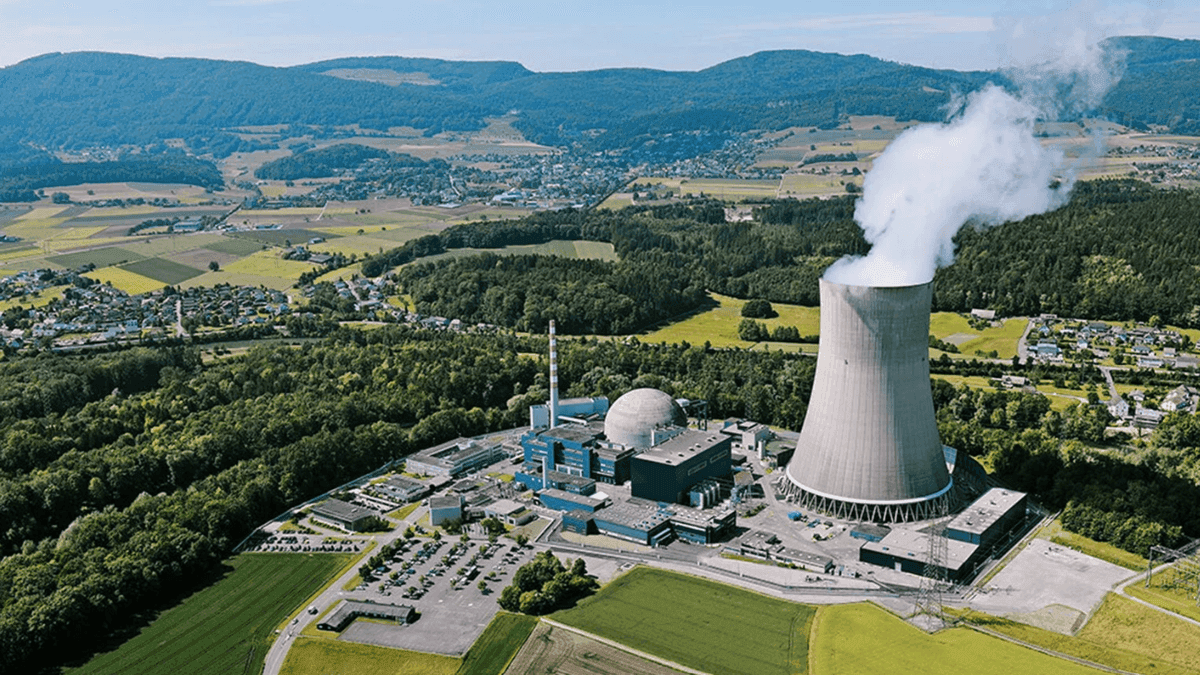
Source: TechRadar
Why Repurposing Retired Nuclear Plant Sites Makes Practical Sense
Former power stations already possess the heavy-duty grid connections, available land, and cooling water access that new AI campuses typically struggle to secure
2
. Guido Knott, chairman of PEL's management board, stated that their former power plant sites have valuable industrial infrastructure and offer opportunities for future-oriented uses1
. Nvidia hopes that reusing these locations could lower expenses and shorten development schedules compared with constructing new campuses during an unprecedented expansion of AI infrastructure1
. Markus Hacker, senior regional director at Nvidia, explained that AI factories require access to power, land and high-capacity infrastructure, and former industrial sites could provide a strong foundation for this next generation of computing1
.Feasibility Study Will Assess Technical and Operational Requirements
The feasibility study will examine whether decommissioned nuclear sites in Germany can meet the strict operating requirements of AI factories
1
. The assessment will review grid connections, open land and industrial infrastructure to judge whether each site satisfies engineering and running needs while supporting Germany's computing capacity for AI1
. Both companies describe the effort as exploratory, and neither has disclosed funding figures, sanctioned designs or binding building contracts1
. The arrangement does not involve generating electricity from fission for any future facility, since the work concentrates on existing grid links and water access1
.Related Stories

Market Context and Unresolved Questions
Forecasts indicate Germany's data center market will top $10 billion in 2026, and policymakers there have been signaling support for more computing capacity inside the country
2
. However, neither company has shown that grid capacity at the sites matches the power appetite of AI clusters1
. Approval processes for dismantled facilities, local acceptance and the cost of conversion remain unaddressed, so any savings in time or money are still speculative1
. Big questions still hanging include decommissioning regulations, nuclear waste, water use, approvals, and whether local communities would actually benefit2
. The refusal to revive reactors may ease political concerns in Germany, although the announcement does not say whether regional authorities or residents have been consulted1
. Public support seems to hinge on renewables and environmental protections2
.References
Summarized by

Navi
Related Stories
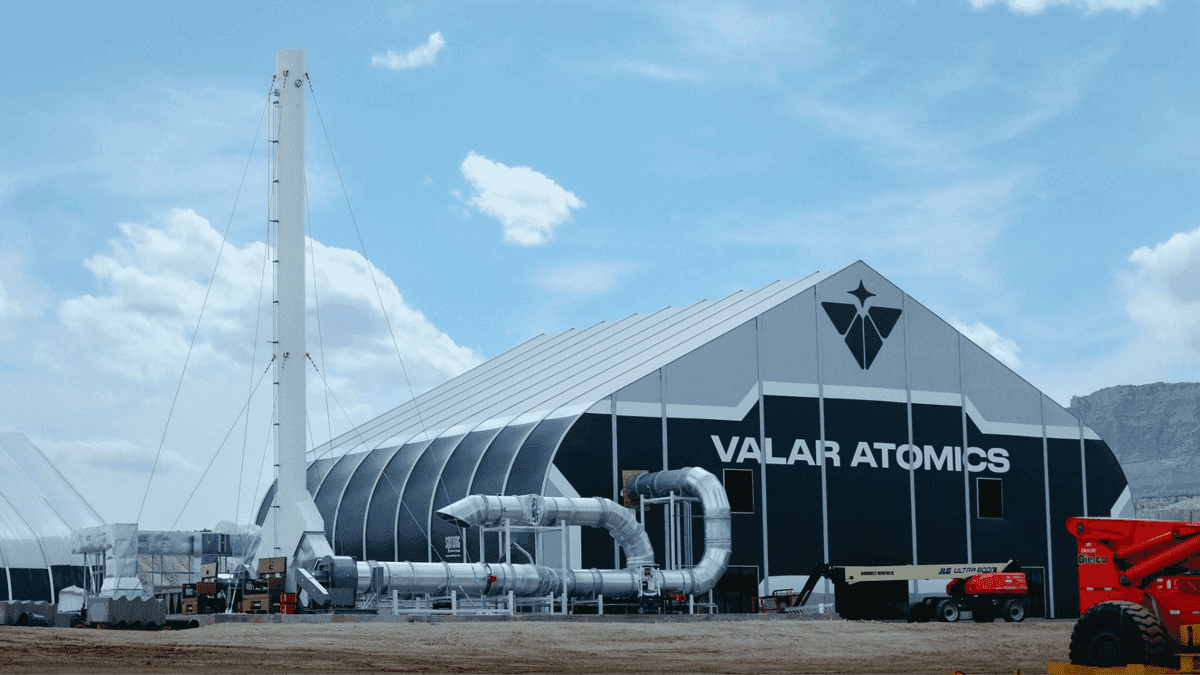
Valar Atomics activates nuclear microreactor live to power Nvidia AI chip in first US demonstration
01 Jul 2026•Technology
Nvidia Invests in Nuclear Startup TerraPower to Power AI's Growing Energy Demands
19 Jun 2025•Business and Economy
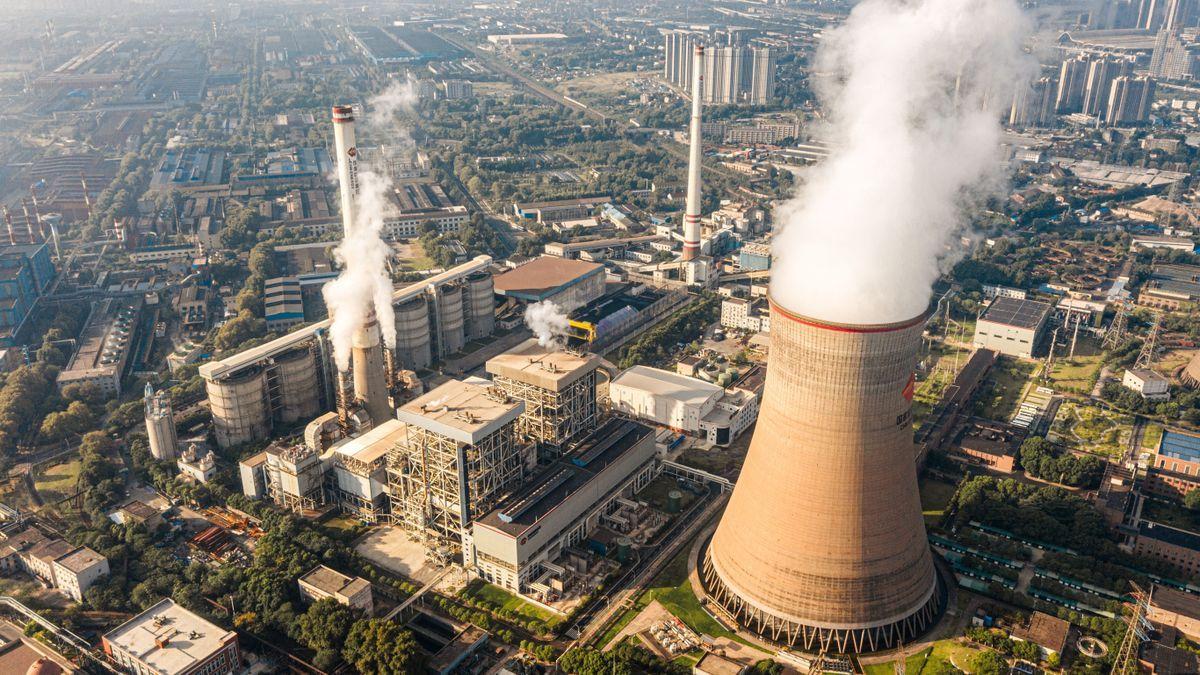
Equinix Embraces Nuclear Power for AI-Driven Data Centers
15 Aug 2025•Business and Economy

Recent Highlights
1
OpenAI's AI Models Disprove 27-Year Exponential Time Hypothesis, Rendering Decades of Research Obsolete
Science and Research

2
Google DeepMind unveils Genie 4 world model with audio and 2-minute interactive simulations
Technology

3
Microsoft AI Diagnostic Tool Beats Doctors With 83% Accuracy on Complex Medical Cases
Health

Recent Highlights
Today's Top Stories







Don’t drown in AI news. We cut through the noise - filtering, ranking and summarizing the most important AI news, breakthroughs and research daily. Follow topics that matter to you and stay ahead.


