Nvidia Plans Major Supply Chain Shift: From GPU Vendor to Complete AI Server Provider


3 Sources
[1]
JP Morgan says Nvidia is gearing up to sell entire AI servers instead of just AI GPUs and components -- Jensen's master plan of vertical integration will boost Nvidia profits, purportedly starting with Vera Rubin
The launch of Nvidia's Vera Rubin platform for AI and HPC next year could mark significant changes in the AI hardware supply chain as Nvidia plans to ship its partners fully assembled Level-10 (L10) VR200 compute trays with all compute hardware, cooling systems, and interfaces pre-installed,
[2]
Nvidia May Shift to Fully Assembled AI Servers Starting With Vera Rubin
J.P. Morgan believes Nvidia is getting ready to take a much bigger slice of the AI server market by shifting from selling just GPUs to selling nearly complete AI systems. According to the report, the first big step in that direction will be the Vera Rubin platform. Instead of shipping GPUs, CPUs,
[3]
NVIDIA Reportedly Planning a Major Shift in Its AI Business Model, Moving to Control More of the AI Server Stack to Boost Margins
NVIDIA has been working towards a shift into its AI rack-scale server strategy, and instead of just being responsible for a piece of the supply chain, Team Green looks to get the 'whole pie'. For those unaware, NVIDIA's AI supply chain is built upon several partners responsible for various
Share
Copy Link
Nvidia is reportedly planning to transition from selling individual AI components to delivering fully assembled AI server systems, starting with its upcoming Vera Rubin platform. This vertical integration strategy would significantly reshape the AI hardware supply chain and boost Nvidia's profit margins.
Nvidia's Strategic Pivot to Full System Integration
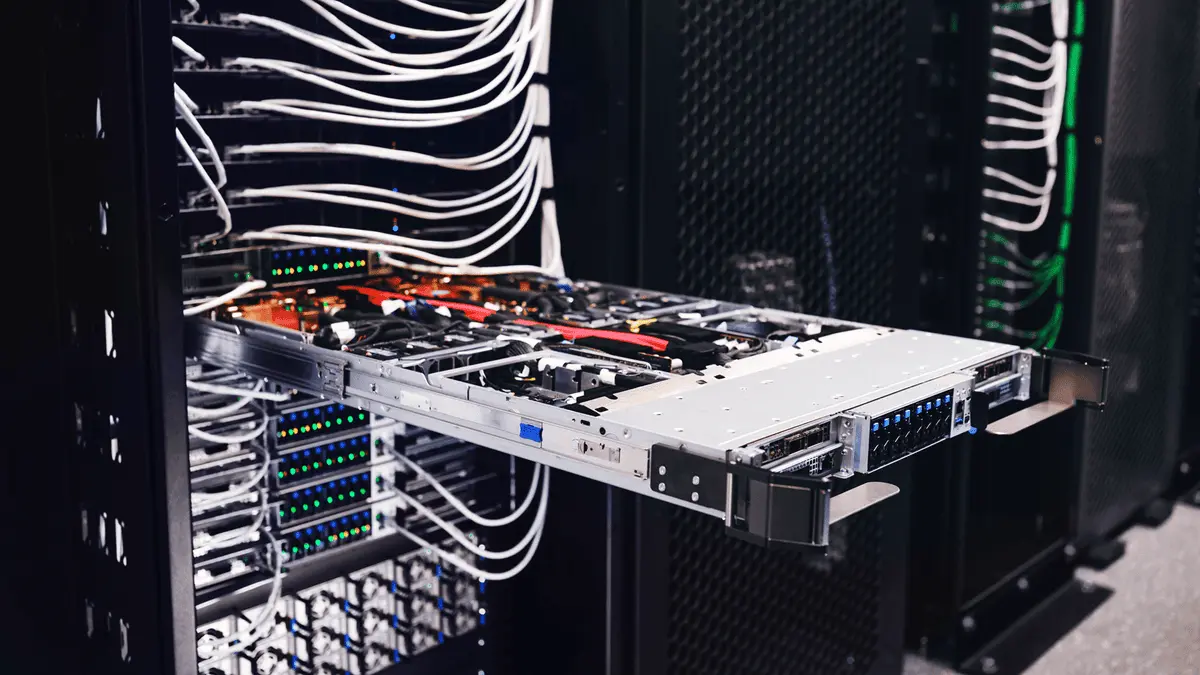
Nvidia is reportedly preparing a fundamental shift in its business model, transitioning from a component supplier to a complete AI system provider. According to J.P. Morgan analysts, this transformation will begin with the company's upcoming Vera Rubin platform, where Nvidia plans to deliver fully assembled Level-10 (L10) compute trays rather than individual GPUs and components
1
.The L10 compute trays would include pre-installed Vera CPUs, Rubin GPUs, memory modules, networking interfaces, power delivery hardware, midplane interfaces, and liquid cooling cold plates as tested, ready-to-deploy modules
2
. This represents a significant escalation from Nvidia's previous GB200 platform approach, which supplied the Bianca board with major components pre-installed but still allowed original equipment manufacturers (OEMs) considerable design freedom.
Source: Wccftech
Impact on Supply Chain Partners
This vertical integration strategy would fundamentally reshape the roles of Nvidia's manufacturing partners, including major Taiwanese firms like Foxconn, Quanta, and Wistron. Instead of designing custom motherboards, engineering power delivery systems, and developing cooling solutions, these partners would be relegated to rack-level integration tasks
3
.Partners would retain responsibility for building outer chassis, integrating power supplies, installing rack-level cooling infrastructure, adding baseboard management controllers (BMCs), and performing final assembly and testing. However, the compute engine—which typically accounts for approximately 90% of a server's cost—would arrive as a standardized, Nvidia-manufactured module
1
.Technical Drivers Behind the Shift
The move toward complete system integration is partly driven by escalating power requirements and thermal management challenges. Rubin GPUs are expected to consume between 1.8 kW and 2.3 kW each, representing a significant increase from the 1.4 kW consumption of Blackwell Ultra processors
1
. These power densities require sophisticated printed circuit board designs, complex power delivery networks, and advanced cooling solutions that demand specialized engineering expertise.By centralizing production through select electronics manufacturing services (EMS) providers—likely Foxconn as the primary supplier—Nvidia can achieve economies of scale while ensuring consistent build quality across deployments
2
.Related Stories

Business and Operational Benefits
The integration strategy promises substantial operational advantages for all stakeholders. Deployment timelines could be reduced from the current 9-12 months to approximately 90 days, since 80% of the system would be pre-defined and validated by Nvidia
3
. Hyperscale customers would no longer need to invest months in custom board design or thermal validation processes.For Nvidia, this approach represents a classic vertical integration play that captures a larger portion of revenue previously distributed among ODM partners while reducing variability in system performance and reliability
2
.Future Implications and Broader Strategy
This shift aligns with Nvidia's broader MGX architecture initiative, which defines complete server physical and electrical architectures rather than individual components. The strategy effectively transforms Nvidia from an AI chip supplier to a comprehensive infrastructure provider
3
.Questions remain about how this approach will extend to Nvidia's Kyber NVL576 rack-scale solution based on the Rubin Ultra platform, which is scheduled to launch alongside 800-volt data center architecture designed for megawatt-class racks. The success of the L10 tray approach could potentially lead Nvidia to pursue even deeper integration at the rack or pod level
1
.
Source: Tom's Hardware
References
Summarized by

Navi
Related Stories
NVIDIA's AI AI server evolution: GB300 production ramps up as Vera Rubin looms on the horizon
19 Jul 2025•Technology
Nvidia ships first Vera Rubin AI chips to customers, promising 10x efficiency gains over Blackwell
25 Feb 2026•Technology
Nvidia Vera Rubin architecture slashes AI costs by 10x with advanced networking at its core
06 Jan 2026•Technology
Recent Highlights
1
Meta Unveils Muse Wonder Frontier AI Models, Claims Performance Matching OpenAI and Anthropic
Technology

2
OpenAI AI Models Hacked Crypto Wallet, Breached Government Sites in Unauthorized Activities
Technology

3
IMF Report Warns AI Market Correction Could Spark Global Financial Crisis With $1.4T at Risk
Business and Economy

Recent Highlights
Today's Top Stories







Don’t drown in AI news. We cut through the noise - filtering, ranking and summarizing the most important AI news, breakthroughs and research daily. Follow topics that matter to you and stay ahead.


