Nvidia's Vera Rubin beats Nvidia's last chip in its benchmark debut


2 Sources
[1]
NVIDIA Sweeps MLPerf Training and Endpoints as Vera Rubin Debuts With Leading Performance
In its MLPerf benchmarks debut, with results released today, the NVIDIA Vera Rubin platform delivers leading performance across training, post-training and agentic inference. NVIDIA swept every MLPerf Training v6.1 benchmark and, in its first MLPerf Endpoints submission, delivered more than 10x
[2]
Nvidia's Vera Rubin tops all seven MLPerf AI training tests
Nvidia's Vera Rubin NVL72 made its MLPerf Training v6.1 debut on Nov. 16, leading all seven tests and recording the fastest training times in six, according to benchmark results. The rack-scale system delivered per-GPU performance gains of up to two times over Nvidia's GB300 NVL72 across workloads
Share
Copy Link
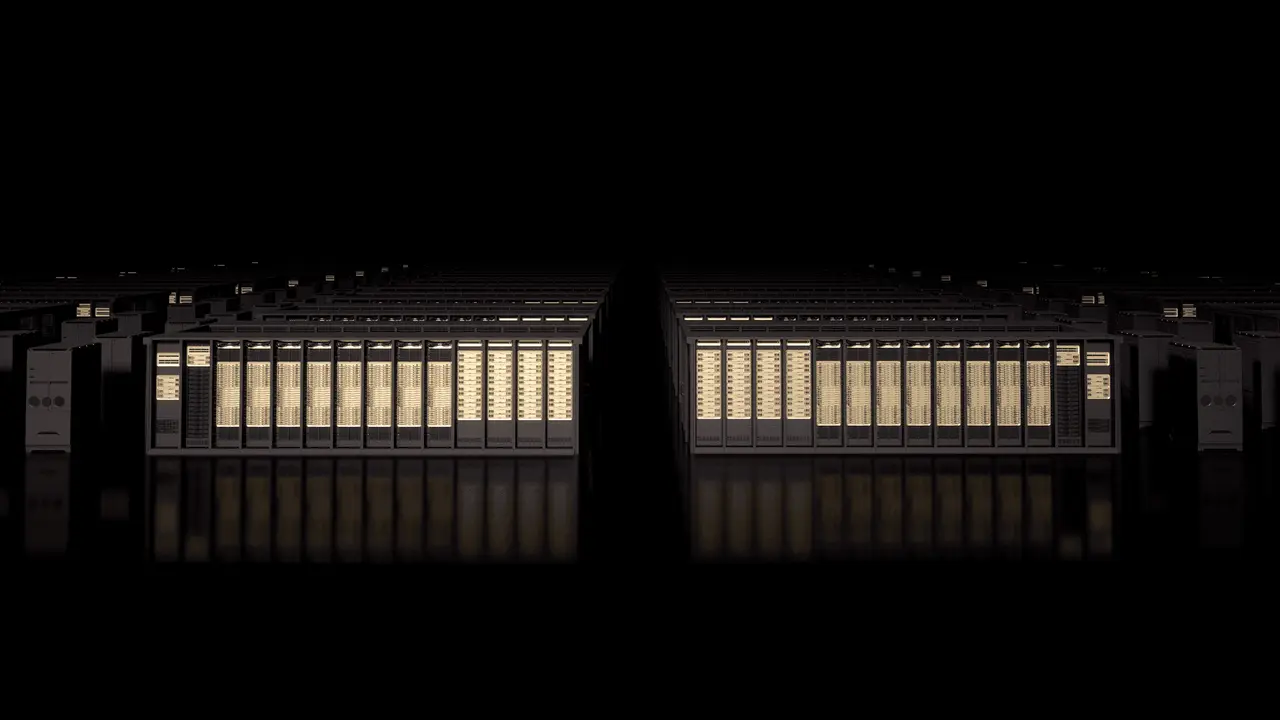
In its MLPerf benchmark debut, Nvidia's newest system, Vera Rubin, outperformed the previous generation, with its strongest numbers in training speed and energy efficiency per GPU.
Nvidia's newest AI system, Vera Rubin, has made its first appearance in MLPerf, the independent benchmark the chip industry uses to compare hardware, and it finished fastest on six of the seven training tests, the only platform with results on every one of them
1
2
. In its first submission to MLPerf Endpoints, the newer test for AI agents, it led every agentic benchmark it entered1
.
Source: NVIDIA
A clean debut in MLPerf is the strongest public performance evidence Nvidia can show for a new platform, per its standing as an independent industry benchmark. This one arrives with hard numbers attached. MLPerf Training measures how fast a system trains models to a target accuracy; Endpoints tests whether AI agents can complete real coding and office tasks correctly
1
.The numbers behind the debut
Against the previous generation, the GB300 system, Vera Rubin delivered up to twice the performance per GPU
1
2
. The scaling result on the DeepSeek-V3 test shows where that comes from. Growing the run from 256 to 1,024 GPUs kept about 97% of the added throughput, cutting training time to 4.14 minutes1
2
. Scaling efficiency is the hard part of large training runs, and near-linear scaling is the proof point behind the headline.The Endpoints result carries the bigger figure, per Nvidia's announcement. On one model, Kimi K3, a provisional Endpoints run had Vera Rubin delivering more than ten times as many tokens per watt as the GB300 at the same response speed
1
. Kimi K3 is an open model built for agentic work; that single result does not yet cover agentic inference generally1
. Tokens per watt is the number power-limited data centers buy on. Nvidia frames the metric around exactly that constraint: the tokens a system serves per watt decide how many AI agents it can run1
.Who else ran it
Nvidia itself ran the training tests on 10,240 GB300 GPUs, the largest submission of the round, and Microsoft Azure matched that scale with 10,240 of the older GB200 chips
1
. Twenty organizations, among them Google Cloud, Dell, Oracle and Fujitsu, submitted training results on Nvidia hardware this round1
. The numbers rest on a broad ecosystem around the platform rather than one lab.One customer's submission backs the generational claim with its own infrastructure. CoreWeave said its 256-GPU DeepSeek-V3 submission on Vera Rubin was 2.7 times quicker than what its earlier GB200 setup managed
2
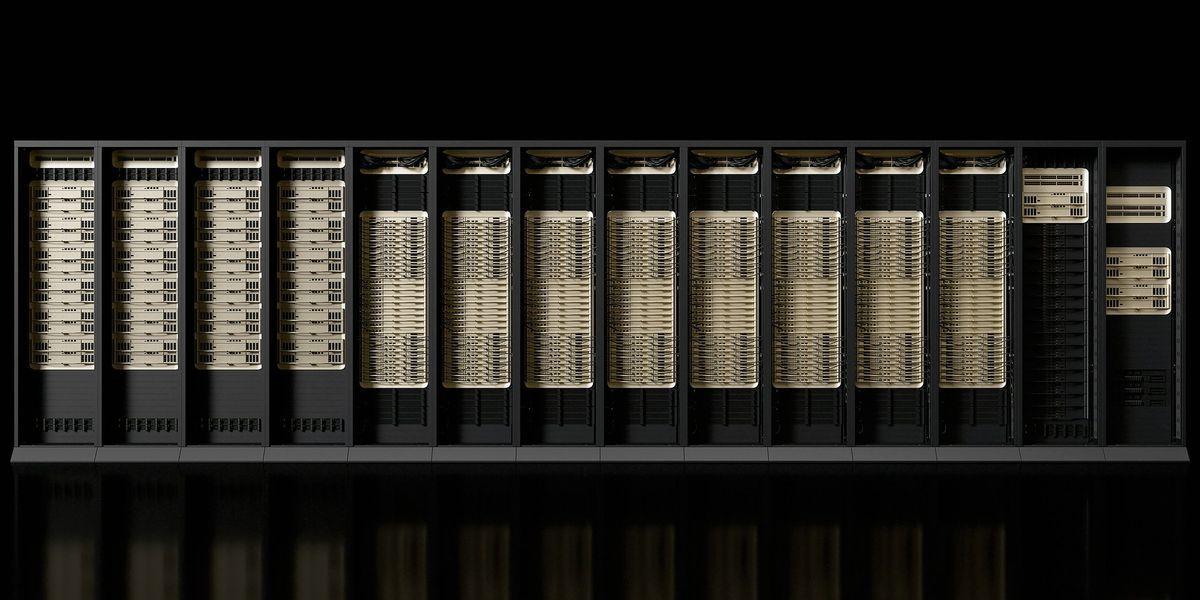
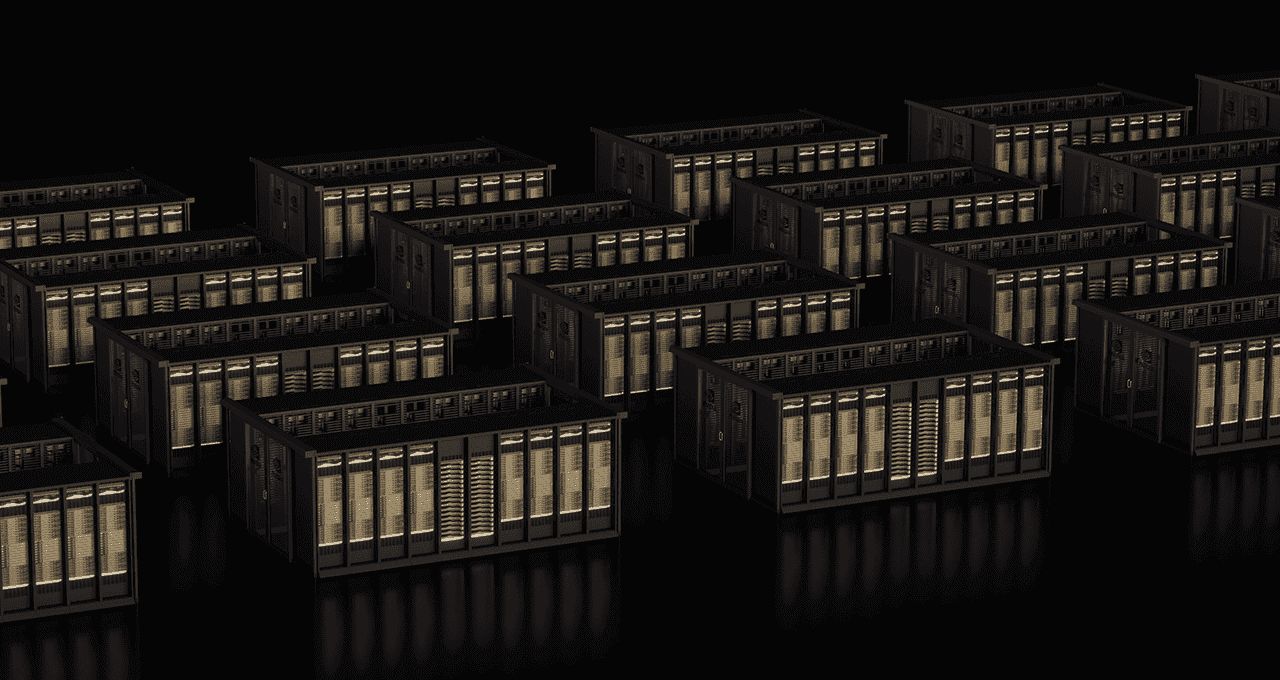
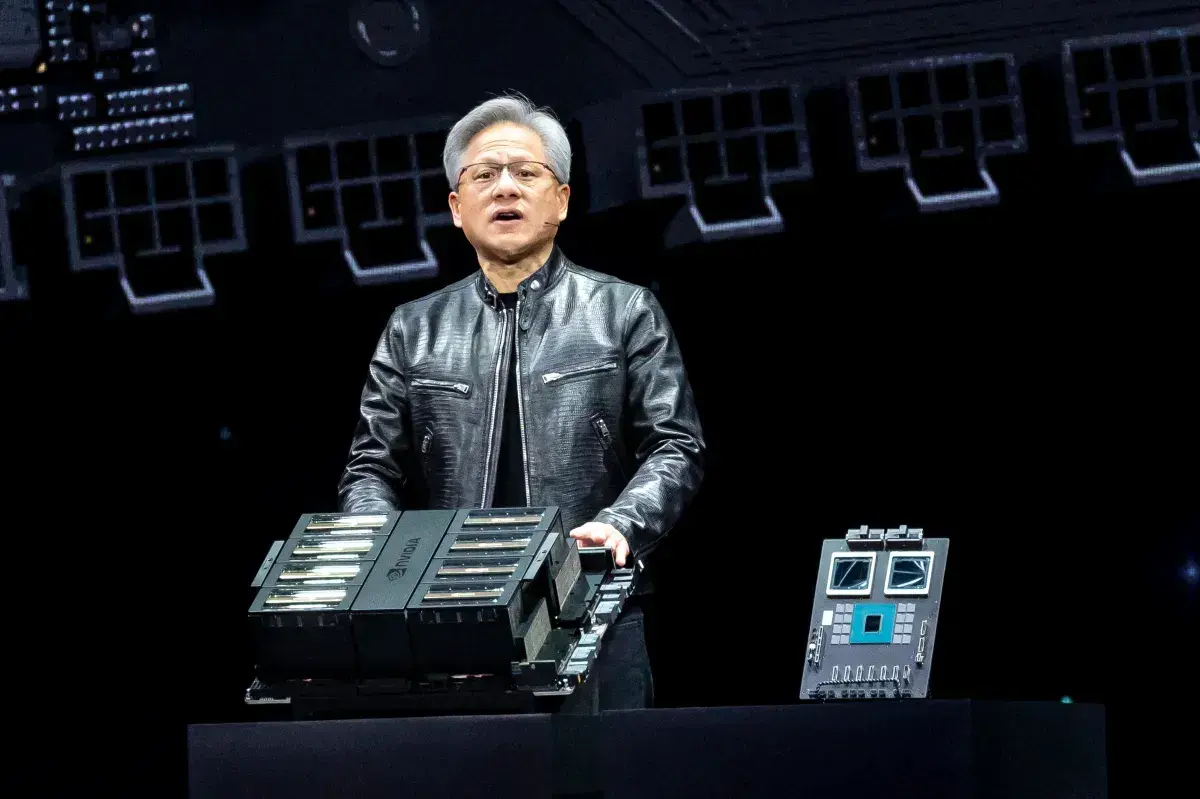
. The platform keeps the familiar rack shape, 72 GPUs alongside 36 CPUs, now with HBM4 memory and sixth-generation NVLink links between the chips2
.The headline figures come from a post on Nvidia's own blog, which frames the per-GPU gain as early generational improvement
1
. Nvidia says performance will keep climbing as it optimizes the CUDA software stack behind Vera Rubin1
.Related Stories
References
Summarized by

Navi
Related Stories
Nvidia Vera Rubin enters full production with 10x efficiency gains for AI inference workloads
17 Jul 2026•Technology
Nvidia ships first Vera Rubin AI chips to customers, promising 10x efficiency gains over Blackwell
25 Feb 2026•Technology
NVIDIA Blackwell Ultra Dominates MLPerf Training v5.1, Sets 10-Minute Record for Llama 3.1 405B
12 Nov 2025•Technology
Recent Highlights


Recent Highlights
Today's Top Stories











Don’t drown in AI news. We cut through the noise - filtering, ranking and summarizing the most important AI news, breakthroughs and research daily. Follow topics that matter to you and stay ahead.


