Nvidia warns customers of legal risk over a bill that hasn't passed


2 Sources
[1]
Nvidia warns customers of new US rule that could expose them to lawsuits for serving Chinese clients -- Commerce Department releases interim regulations preventing 'foreign actors' from using advanced compute based on American tech
The noose is tightening for Chinese AI labs that need U.S. AI GPUs to train their models. CNBC reports that Nvidia has started warning its customers that impending legislation to clamp down on countries accessing AI GPUs remotely via data center rentals could put them in trouble with U.S.
[2]
NVIDIA warns customers of legal risks over China's overseas access to its AI chips
NVIDIA warns buyers of legal risks under the proposed Remote Access Security Act and bars sales to operators renting over half their GPUs to Chinese firms. NVIDIA has been quietly cautioning chip buyers that the proposed legislation aimed at Chinese companies' remote access to advanced AI chips
Share
Copy Link
Nvidia is pushing legal exposure onto customers as US regulators move to close the overseas data center route Chinese firms use to reach its AI chips.
Nvidia has spent recent months warning chip buyers that they could face legal risk in the US under a bill that has not even passed. The warnings landed the same week the Commerce Department acted anyway, issuing an interim rule that requires licenses for advanced chips headed to data centers serving large numbers of Chinese clients
1
2
.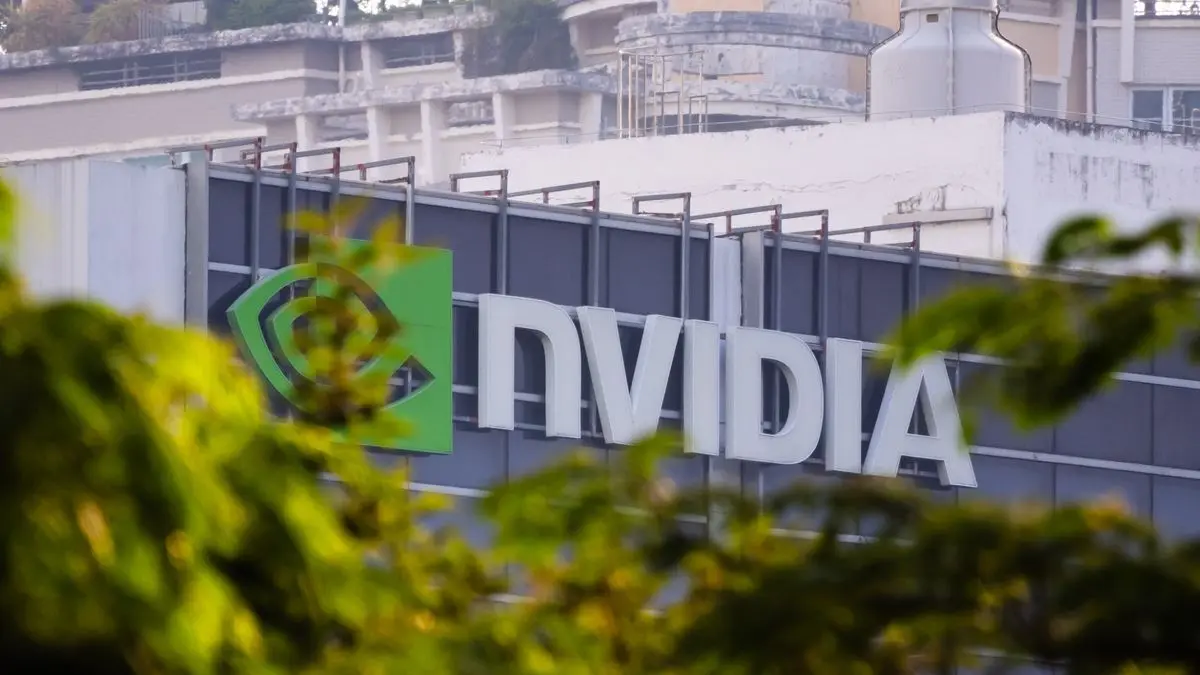
Source: Tom's Hardware
The rule from the Commerce Department's Bureau of Industry and Security, published on or around Monday, targets a workaround that has been running for years. Chinese firms barred from buying Nvidia's high-end chips directly have been renting capacity at data centers abroad, particularly in Southeast Asia, and sending their data there instead
1
2
. The new licensing requirement covers data centers including Malaysia, Singapore, Thailand, Indonesia and Brazil2
.The bill that has not passed
The warnings Nvidia has been sending customers concern the proposed Remote Access Security Act
1
2
. The bill passed the House of Representatives but has been stalled in the Senate for more than ten months1
2
. If it ever becomes law, both Nvidia and its customers could be exposed to US legal risk1
2
.In an August securities filing, the company said it seeks to abide by export controls strictly but depends on customers and partners to comply once hardware leaves its supply chain
2
. The warnings show a company acting before any proposed law is enacted, against a risk that could still materialize, not one reacting to liability that has already attached.Nvidia sets its own terms
The dominant US maker of advanced AI GPUs has also started imposing its own conditions. Nvidia told customers it will not sell to operators that rent more than 50% of their GPUs to Chinese firms
1
2
. The bar is one the company set itself, not one regulators required1
2
. It has also required partners to join its Fleet Intelligence tracking system to keep official partner status1
. It is unclear whether these conditions were long planned or a reaction to the renewed scrutiny on the company1
.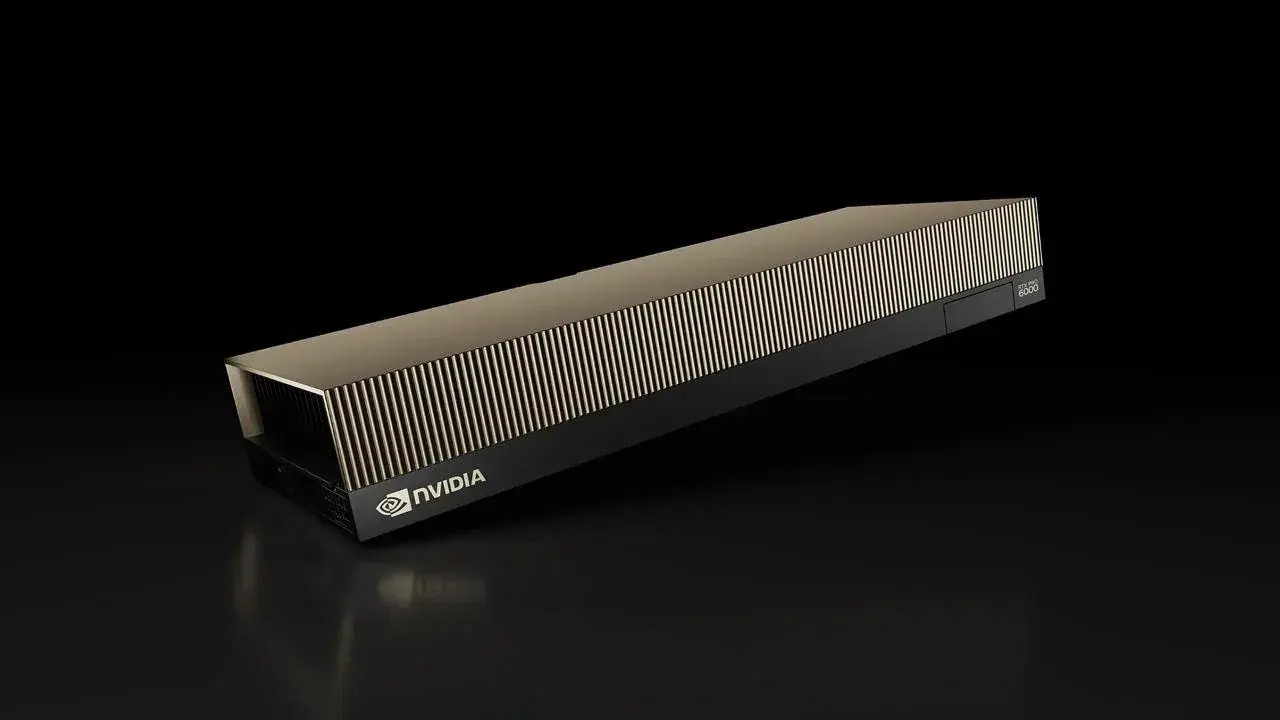
Source: TweakTown
Chinese AI lab Moonshot is reportedly trying the overseas-rental approach in Europe
1
, and there have been allegations that Alibaba and ByteDance train their models in Southeast Asia to bypass restrictions1
. Many Chinese operators still prefer Nvidia's chips for performance and reliability despite domestic alternatives1
.The scrutiny on the company itself has intensified too. Jensen Huang, Nvidia's co-founder, resigned as CEO after 33 years amid reports of extramarital relationships that, the outlets said, raised national-security questions
1
2
. Treasury Secretary Scott Bessent said it is unclear whether Huang knew of alleged smuggling operations and blamed the company as a whole2
. Nvidia has since created an internal oversight committee covering "national security policies, export control compliance, and global trade risk management", working with outside experts in law, security and trade compliance1
.About 31 calendar days remained before the Senate's adjournment, making the bill's scheduling tight, and it is unclear whether the Huang affair will speed its approval
1
. Whether the warnings and the 50% cap will be enough to keep Nvidia out of legal trouble is an open question2
.Related Stories
References
Summarized by

Navi
Related Stories
The US just closed the data-center loophole China used to reach Nvidia chips
16 Nov 2026•Policy and Regulation

Nvidia AI Chips Reach China Through Empty Offices as New Export Rules Tighten Access
03 Nov 2026•Business and Economy

Nvidia cuts Asian buyers by half while US grants ZTE access to H200 AI chips amid China tensions
08 Jul 2026•Policy and Regulation
Recent Highlights


Recent Highlights
Today's Top Stories





Don’t drown in AI news. We cut through the noise - filtering, ranking and summarizing the most important AI news, breakthroughs and research daily. Follow topics that matter to you and stay ahead.


