Ofgem proposes data centres pay hundreds of millions in deposits to secure grid connections


2 Sources
[1]
Data centres could pay hundreds of millions in deposits for power demands
Ofgem has proposed new measures which could see developers of data centres made to pay hundreds of millions of pounds up front. The British energy regulator said a refundable fee should be charged for projects that want to connect to the network, amid mounting demand for connections to the
[2]
Datacentre projects could face fees for grid access to ease connection queue, Ofgem says
Energy regulator's plan would mean upfront fees or financial security via letters of credit, bonds or cash deposits Datacentre projects in Britain will be forced to put down significant upfront fees to secure an energy connection under proposals to ease an electricity grid logjam. Ofgem, the
Share
Copy Link
Britain's energy regulator Ofgem has unveiled proposals requiring data centres to pay refundable deposits of up to hundreds of millions of pounds to secure electricity grid connections. The measure targets speculative projects amid a massive surge in demand, with 315 datacentres representing 73GW now queuing for access—far exceeding Britain's entire 45GW peak energy demand.
Ofgem Introduces Deposit Requirements for Data Centres Seeking Grid Access
Ofgem, Britain's energy regulator, has proposed new measures that could see developers of data centres pay hundreds of millions in deposits for power demands as the electricity grid faces unprecedented strain
1
. The regulator announced that datacentre projects could face fees for grid access, with refundable deposits ranging from £237,500 to £712,500 per megawatt required upfront1
. For facilities seeking 1 gigawatt of power, this translates to deposits of several hundred million pounds, which would be returned once projects are completed1
.The consultation on these proposals will run until 16 September, with Ofgem seeking to address what it describes as speculative projects clogging the connection queue
1
. Eleanor Warburton, Ofgem's director for energy system design and development, emphasized that "consumers should not bear the risks created by speculative projects taking up space in the system"1
.Massive Backlog of Datacentres Awaiting Access to the Electricity Grid
The surge in demand for grid connections has created a significant bottleneck. According to Ofgem, there are currently 315 datacentres queuing to connect, representing 73GW of demand—almost 30GW above Britain's entire peak energy demand of 45GW
2
. This represents a dramatic escalation from earlier figures, with the amount of electricity capacity requested by projects jumping from 41GW to 125GW in less than a year1
.The proposals require projects to provide financial security through letters of credit, bonds, or cash deposits when receiving a connection offer
2
. For example, datacentre providers including companies such as Amazon and Microsoft would need to put down pledges of £350m to reserve 500MW of grid capacity2
.AI Boom Drives Unprecedented Power Demands from Data Centres

Source: BBC
The explosive growth in connection requests stems directly from the AI boom, as data centres house the computer servers needed to train and run AI systems
1
. These facilities serve as the central nervous systems of AI tools such as chatbots, but their energy needs have grown increasingly sizeable as usage and capability expand2
.Ofgem revealed in February there had been a surge in demand for connection applications between November 2024 and June last year, with a significant number coming from datacentres
2
. At that time, there were 140 proposed datacentres with energy demands of 50GW—numbers that have since risen substantially2
.Related Stories

Hard Milestones Aim to Filter Out Speculative Schemes
Under the new framework, projects will be required to hit specific targets during the connection application process and will be removed from the queue if they fail to meet them
2
. These "hard milestones" would include securing customers and financial backing, ensuring limited grid capacity goes to "projects most likely to be built, not projects preserving options," according to Ofgem2
.The issue extends beyond Britain's borders. The Uptime Institute, which inspects and rates datacentres globally, has identified 250 worldwide datacentre projects exceeding 100MW in energy demand—equivalent to the power needs of about 300,000 homes—announced between 2021 and 2024
2
. The institute believes half of those projects will either not happen or face delays, yet even in that scenario, there will still be an "unprecedented and rapid" increase in required power over the next five years2
.Growing Opposition and Regional Considerations
The proposals follow mounting opposition in parts of the country to plans for new data centres
1
. Residents have raised concerns about noise, electricity demand, and the large amounts of water sometimes used to cool high-performance chips that generate vast amounts of heat1
. There are currently 564 data centres listed in the UK, according to the data centre map1
.Scotland has emerged as an attractive location for future projects due to its supply of renewable energy to power the centres, with 24 currently in the planning process
1
. The datacentre boom coincides with a wider backlog of power generation and storage schemes waiting for grid connections, prompting the grid operator Neso to reform the queue last year, clearing hundreds of "zombie" projects without proper planning permissions or financing2
.References
Summarized by

Navi
Related Stories
US Utilities Seek Rate Hikes as AI-Driven Data Center Demand Surges
10 Jul 2025•Business and Economy
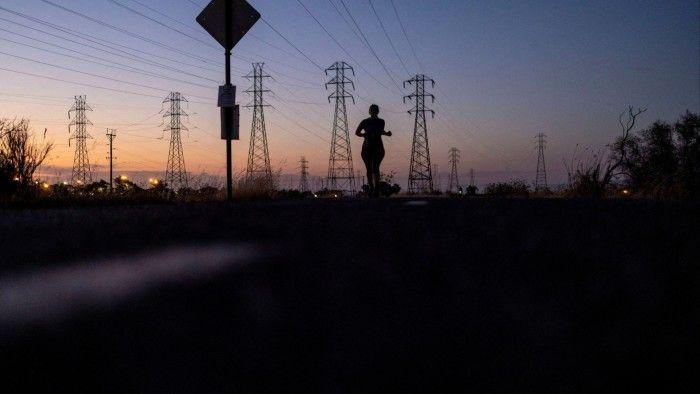
Denmark halts new data center projects as AI-driven power demand overwhelms Europe's cleanest grid
04 May 2026•Policy and Regulation
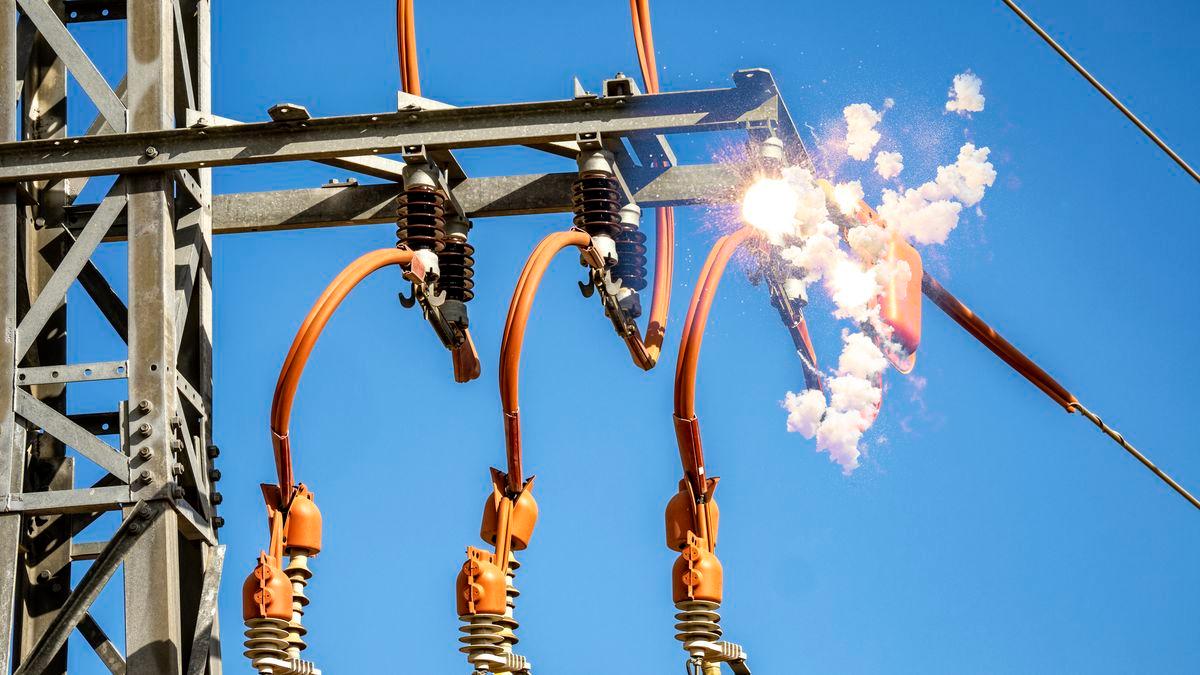
Construction delays hit 40% of AI data centers as power infrastructure and labor shortages stall expansion
17 Apr 2026•Business and Economy

Recent Highlights



Recent Highlights
Today's Top Stories







Don’t drown in AI news. We cut through the noise - filtering, ranking and summarizing the most important AI news, breakthroughs and research daily. Follow topics that matter to you and stay ahead.


