OpenAI and Big Tech Eye Patagonia's 17,300 Glaciers for $25 Billion AI Data Center Expansion


2 Sources
[1]
Big Tech eyes glacier-strewn Patagonia for building mega AI data centers -- region offers 17,300 glaciers, coldness, and cheap energy, but fiber lines are scarce
Major hyperscalers such as OpenAI, Amazon, and Google are developing or scouting this chilly region of Argentina. Patagonia, a region of Argentina with 17,300 glaciers, has the potential to turn into a data center hotspot. The cool climate and abundant energy resources there are drawing interest
[2]
OpenAI targets Argentina's freezing Patagonia for $25 billion 500MW Stargate AI data center -- Green Capital and FlexDomes prep 120 to 3,000MW wind-powered server farms to skirt US backlash
* OpenAI is leading the race to "quietly" open a data center in the Patagonia region of Argentina * Argentine energy giant Pampa Energia is in talks to develop a 500 megawatt data center site * The Loma de la Lata thermal power plant would provide the data center's electricity, burning gas from
Share
Copy Link
OpenAI has signed a letter of intent for a $25 billion, 500MW clean energy data center in Argentina's Patagonia region. Amazon, Google, and other hyperscalers are also scouting the glacier-rich area for AI infrastructure. However, poor fiber connectivity and political uncertainty pose significant challenges to development.
OpenAI Leads $25 Billion Push Into Patagonia
OpenAI is spearheading a major expansion into Argentina's Patagonia region, signing a letter of intent with Sur Energy in October 2025 for a $25 billion, 500MW Stargate AI data center
1
2
. The move signals a strategic shift as AI companies seek alternatives to US-based facilities facing widespread opposition. Major hyperscalers including Amazon, Google, and Apple are also scouting Patagonia for potential mega AI data centers, drawn by the region's unique combination of natural cooling and energy resources1
2
. Poland's Green Capital is planning a $3 billion, 300MW facility, while US-based FlexDomes is developing a 120MW wind-powered server farm in the region1
. Despite the momentum, little visible progress has occurred since OpenAI's initial agreement, raising questions about the project's timeline and viability.
Source: TechRadar
Why Patagonia's 17,300 Glaciers Matter for AI Infrastructure
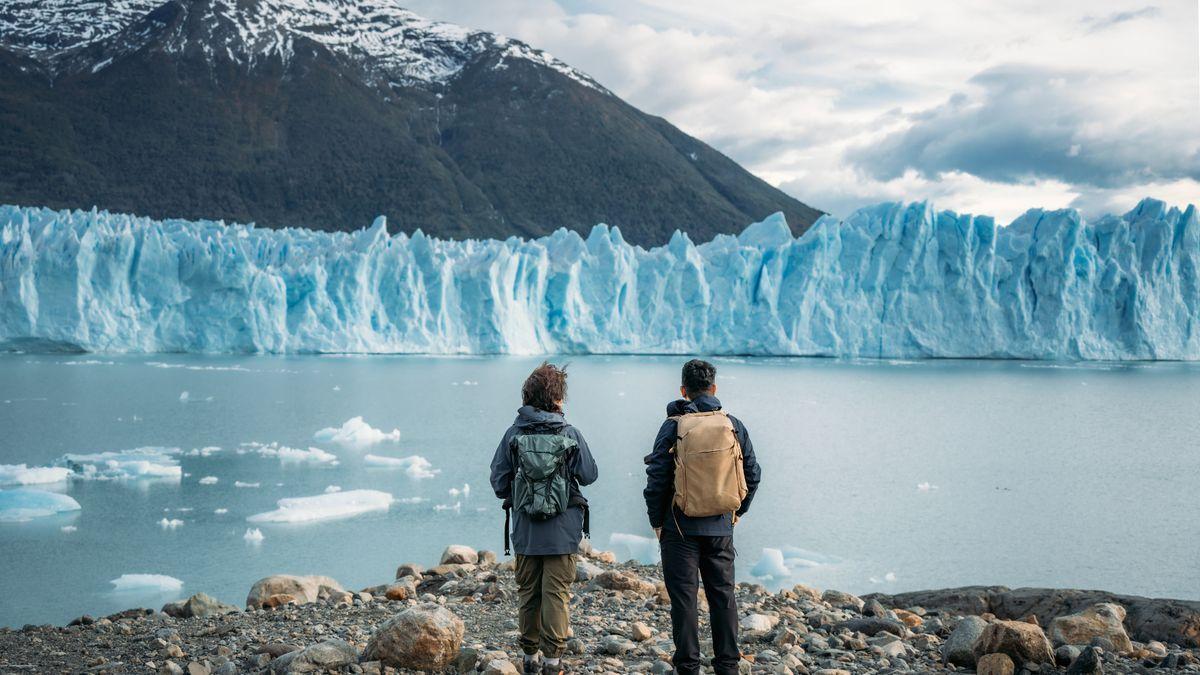
Patagonia's cold climate provides a compelling advantage for data centers in Argentina, with 17,300 glaciers across the Northern and Southern Patagonian Ice Fields creating natural cooling conditions
1
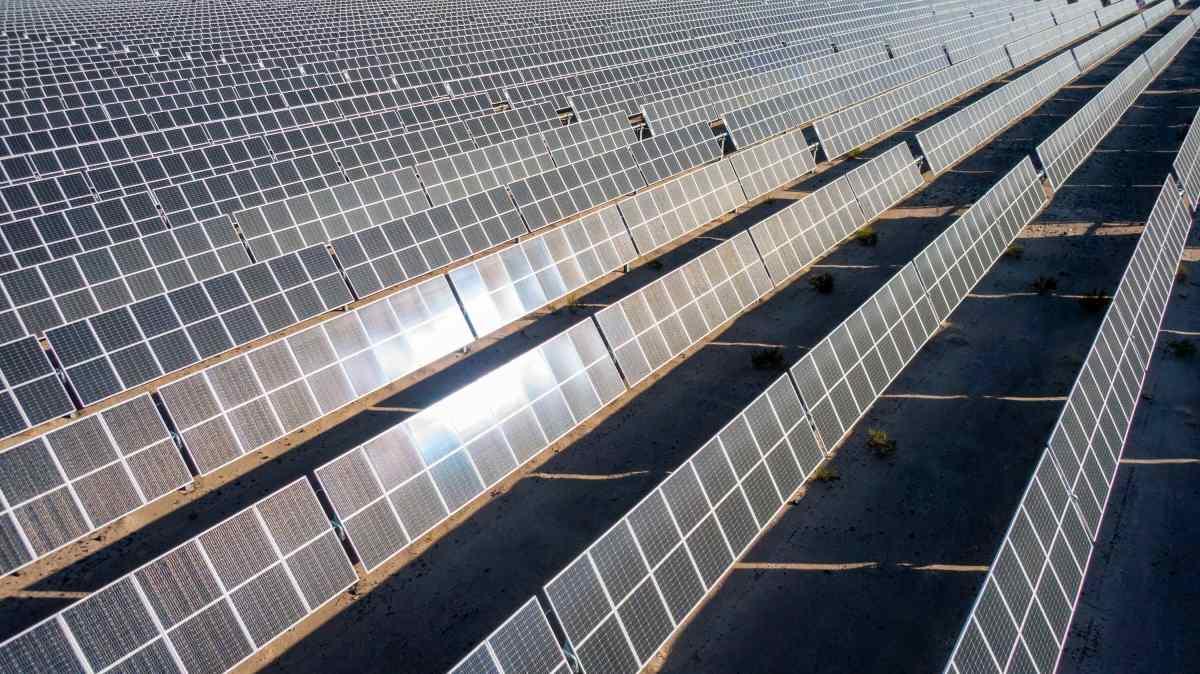
. This environment helps AI data centers maintain optimal thermals while consuming significantly less power for cooling systems—a critical factor as AI workloads demand ever-increasing computational resources. The region offers diverse cheap energy sources including hydroelectric power, wind, solar, and Vaca Muerta shale gas from nearby formations1
2
. Argentine energy giant Pampa Energia is in discussions to develop power infrastructure, with the Loma de la Lata thermal power plant positioned to supply electricity by burning gas from Vaca Muerta2
. President Javier Milei has implemented investor-friendly RIGI incentives and tax breaks to attract Big Tech, creating a regulatory environment that appears welcoming to large-scale development2
. Unlike in the US, there's currently no organized public backlash against data center projects in the region1
.
Source: Tom's Hardware
Critical Infrastructure Gaps Threaten Development Timeline
Despite Patagonia's advantages, significant infrastructure deficiencies could derail plans for clean energy data center deployments. Argentina lacks the fiber lines and high-speed networking infrastructure essential for modern AI operations, requiring substantial investment before facilities can become operational
1
2
. The country's power grid also needs upgrades to support mega AI data centers drawing hundreds of megawatts1
. These connectivity limitations may explain OpenAI's cautious pace since signing the letter of intent with Sur Energy. While some locations have addressed similar challenges through per-project solutions with state intervention, this approach adds considerable upfront costs1
. Companies must weigh whether the benefits of Patagonia's cold climate for cooling and cheap energy outweigh the infrastructure investment required.Related Stories

Political Uncertainty and Indigenous Rights Complicate Expansion
Political uncertainty looms over Argentina's data center ambitions, with a presidential election scheduled for next year that could dramatically shift the business landscape
1
. While President Milei has courted Big Tech with favorable policies, businesses making long-term investments worth billions prefer stability over uncertainty1
. Another significant challenge involves Mapuche Indigenous groups who occupy areas targeted for development. These communities have previously sued major energy companies including Exxon, Total, and BP-owned Pan American Energy over illegal waste dumping by contracted firms2
. Data center expansions in certain Patagonian regions may face complications from indigenous land rights and environmental concerns1
. While resistance appears less organized than in the US, switching to Argentina doesn't eliminate all opposition—it simply presents different challenges for OpenAI, Google, Amazon, and other hyperscalers pursuing AI infrastructure in the region2
. Watch whether OpenAI and its partners can navigate these political and social complexities while building the connectivity infrastructure necessary to make Patagonia a viable AI computing hub.References
Summarized by

Navi
[1]
Related Stories
OpenAI and Sur Energy Plan $25 Billion Data Center Project in Argentina
11 Oct 2025•Business and Economy

Trump Expands Ratepayer Protection Pledge as AI Data Centers Drive Electricity Costs Higher
22 Jul 2026•Policy and Regulation

AI Data Centers Drive $580 Billion Investment Surge as Power Grid Struggles to Keep Pace
10 Nov 2025•Business and Economy
Recent Highlights
1
Meta Unveils Muse Wonder Frontier AI Models, Claims Performance Matching OpenAI and Anthropic
Technology

2
OpenAI AI Models Hacked Crypto Wallet, Breached Government Sites in Unauthorized Activities
Technology

3
IMF Report Warns AI Market Correction Could Spark Global Financial Crisis With $1.4T at Risk
Business and Economy

Recent Highlights
Today's Top Stories







Don’t drown in AI news. We cut through the noise - filtering, ranking and summarizing the most important AI news, breakthroughs and research daily. Follow topics that matter to you and stay ahead.


