OpenAI Faces $207 Billion Funding Gap Despite Massive Cloud Computing Commitments


14 Sources
[1]
HSBC spies $207B crater in OpenAI's expansion goals
Gap threatens Oracle, Microsoft, and Amazon despite optimistic forecasts of 3 billion ChatGPT users by 2030 OpenAI needs to secure $207 billion in new financing by 2030 to fulfill its expansion plans, according to HSBC Global Investment Research - a challenge that could ripple across Big
[2]
OpenAI needs to raise at least $207bn by 2030 so it can continue to lose money, HSBC estimates
OpenAI is a money pit with a website on top. That much we know already, but since OpenAI is a private company, there's a lot of guesswork required when estimating the depth of the pit. HSBC's US software and services team has today updated its OpenAI model to include the company's $250bn rental of
[3]
OpenAI Is Just $200 Billion Away From Still Losing Money, HSBC Says
OpenAI has committed more than $1.4 trillion that it will spend on building out its data center infrastructure to power the development and deployment of its AI models over the next eight years. Notably, OpenAI does not have $1.4 trillion. Also notable is the fact that the company doesn't make that
[4]
'It's not just the hyperscalers' free cash flow anymore.' Debt related to OpenAI's computing needs is moving credit markets. | Fortune
Companies supplying data centers, chips, and "compute" processing power to OpenAI have taken on about $96 billion in debt to fund their operations, according to an analysis by the Financial Times. The news highlights the AI sector's increasing reliance on debt and its growing dependence on
[5]

OpenAI's Financial Situation Will Cause a Nauseating Sensation in the Pit of Your Stomach
OpenAI isn't just burning through cash. It's lighting an entire mountain of money on fire. But since it's not a publicly traded company, the extent of that mountain remains difficult to gauge. But clues periodically emerge: as the Financial Times reports, for instance, the company recently signed
[6]

OpenAI's AI money pit is much deeper than we thought. Here's why it matters
We live in strange times. The FT reported this week that ChatGPT maker OpenAI, which was responsible for kickstarting the surge of interest in Artificial Intelligence (AI) back in 2022, is in a deeper hole than even its harshest critics realize. According to the paper, OpenAI "needs to raise at
[7]
OpenAI won't make money by 2030 and still needs to come up with another $207 billion to power its growth plans, HSBC estimates | Fortune
Although still private, the shadow of OpenAI and its still-unprofitable business despite the blockbuster success of ChatGPT has rattled markets throughout the back half of 2025. Talk of a bubble in artificial intelligence (AI) was not quelled despite Nvidia delivering yet another blockbuster
[8]

OpenAI's compute rental outgo could see $207 billion shortfall, HSBC estimates - The Economic Times
HSBC analysts project OpenAI could face a significant compute rental shortfall by 2030, despite substantial new cloud deals with Microsoft and Amazon. Even with projected revenue growth from various AI ventures, the company's massive compute needs may outpace its financial capacity, potentially
[9]

OpenAI's Partners Rake Up $96 Billion Debt as AI Industry's Borrowing Trend Escalates
Enter your email to get Benzinga's ultimate morning update: The PreMarket Activity Newsletter Companies supplying data centers, chips, and processing power to OpenAI have racked up a staggering $96 billion in debt to fund their operations. What Happened: According to the report, the AI industry's
[10]

OpenAI needs a lot more cash to stay in business
OpenAI needs a lot of power for its operation, currently they have committed to rental of servers with a combined capacity of 36 Gigawatts, primarily from Microsoft and Amazon. In a recent report from the bank HSBC took a closer look at the economics of it all which- Financial Times has read, and
[11]

OpenAI Backers Could Rack Up $100 Billion in Debt | PYMNTS.com
By completing this form, you agree to receive marketing communications from PYMNTS and to the sharing of your information with our sponsor, if applicable, in accordance with our Privacy Policy and Terms and Conditions. As the Financial Times (FT) reported Sunday (Nov. 30), this has allowed the
[12]

Managing Expectations! Sam Altman and the Investor Pressure Cooker
Sam Altman sits at the epicenter of the most expensive gamble in tech history. With OpenAI now valued at $300 billion following a record-breaking $40 billion funding round, he must perform an intricate balancing act: maintaining investor confidence while candidly acknowledging competitive threats
[13]

OpenAI's long term compute commitments exceed projected cash flows By Investing.com
Investing.com -- OpenAI's latest commitments to Microsoft and Amazon have sharply increased its long term computing obligations without adding fresh capital, leaving the company facing a financing shortfall that HSBC says will surpass $200 billion by the end of the decade. OpenAI has signed an
[14]
HSBC Warns OpenAI Could Face $207B Funding Gap Due to Rising AI Costs
OpenAI May Need $207b in Extra Funding by 2030 as Rising AI and Cloud Infrastructure Costs Outpace Projected Revenue Growth HSBC Global Investment Research estimates that OpenAI may need about $207 billion in additional funding by 2030 to sustain its growth plans. The bank links this projected
Share
Copy Link
HSBC analysis reveals OpenAI needs to raise $207 billion by 2030 to cover its massive infrastructure commitments, despite optimistic projections of 3 billion users. The funding shortfall threatens major tech partners including Oracle, Microsoft, and Amazon.
HSBC Analysis Reveals Massive Funding Shortfall
OpenAI faces a staggering $207 billion funding gap by 2030, according to a comprehensive analysis by HSBC Global Investment Research. The financial services giant's updated model reveals that despite optimistic revenue projections, the AI company's massive infrastructure commitments will far exceed its ability to generate cash
1
.
Source: Analytics Insight
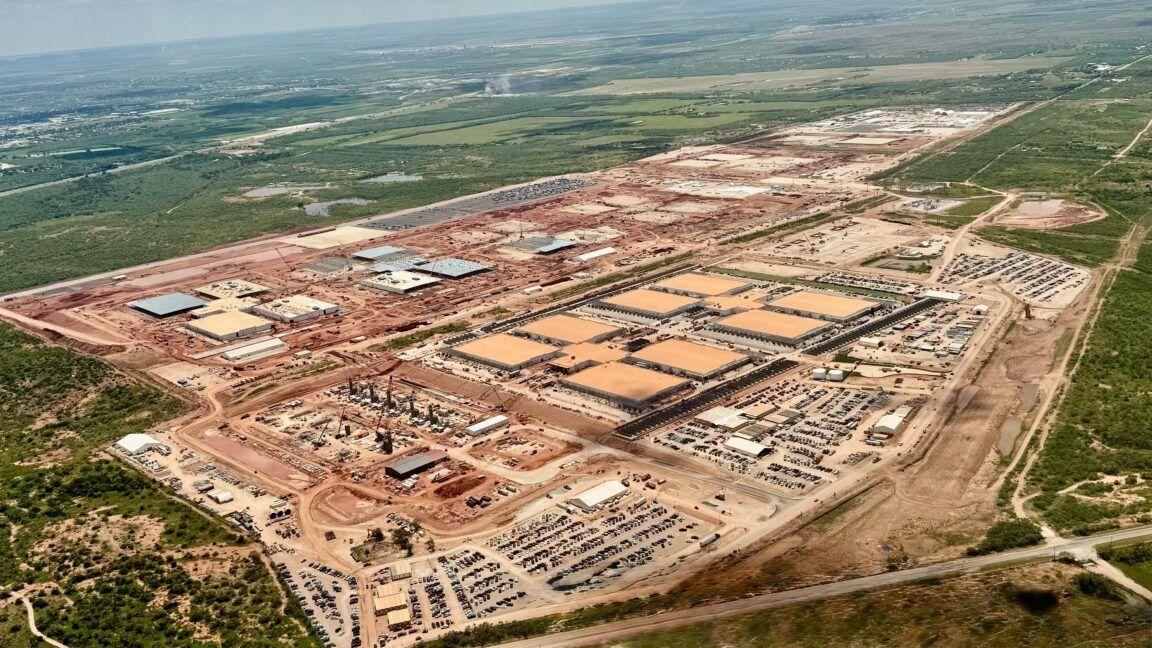
The funding shortfall emerged after OpenAI committed $300 billion to Oracle, $250 billion to Microsoft, and $38 billion to AWS for cloud computing services, bringing total contracted computing power to 36 gigawatts
2
. Even with HSBC's updated revenue projections, which increased 4 percent from earlier estimates, the gap remains substantial.
Source: Futurism
Unprecedented Growth Projections
HSBC predicts that OpenAI's ChatGPT will attract 3 billion regular users by 2030, up from 800 million last month, equivalent to 44 percent of the world's population over 15 years old
1
. The bank forecasts higher subscription rates of 10 percent versus the current 5 percent, increased corporate demand for APIs and licensing, plus a larger share of digital advertising revenue for AI companies3
.Despite these optimistic assumptions, HSBC projects OpenAI will hit approximately $215 billion in annual revenue by 2030, which still falls short of covering the company's massive infrastructure costs
3
. The company is expected to face annual data center rental bills of $620 billion, though only a third of the contracted power is expected to be online by the end of this decade2
.Impact on Major Tech Partners
The funding gap threatens OpenAI's key technology partnerships across the industry. "The most exposed partners to OpenAI success or failure under our coverage are Oracle, Microsoft, Amazon, Nvidia, and AMD, and so is SoftBank, given its 11 percent stake in OpenAI," HSBC stated
1
.Oracle has already experienced significant volatility since signing its $300 billion deal with OpenAI in September. After the announcement, Oracle's share price surged 30 percent, briefly making co-founder Larry Ellison the world's richest person. However, Oracle has since lost all the value gained during that period, and Ellison has dropped to third place behind Google's Larry Page and Elon Musk
1
.Related Stories


Debt Market Implications
The AI infrastructure boom has created ripple effects throughout credit markets. Companies supplying data centers, chips, and computing power to OpenAI have taken on approximately $96 billion in debt to fund their operations
4
. This represents a significant shift from previous years when AI build-out was primarily funded by cash from big tech companies' balance sheets.CoreWeave, a key OpenAI partner, reported $3.7 billion in current debt, $10.3 billion in non-current debt, and $39.1 billion in future lease agreements for data centers, while expecting only $5 billion in revenue this year
4
. The increased debt issuance has moved credit default swap spreads, with Oracle's five-year CDS widening by about 60 basis points since late September4
.Potential Solutions and Risks
OpenAI has several options to address the funding gap, though none are particularly appealing. The company could secure additional user growth beyond projections - another 500 million users would generate a $36 billion boost in revenue
1
. Converting 20 percent of customers to paid subscriptions might bring in an additional $194 billion over the same period2
.Alternatively, OpenAI could raise more capital from shareholders like Microsoft and SoftBank, increase external debt, or potentially walk away from some data center commitments. HSBC notes that "less capacity would always be better than a liquidity crisis"
5
.The situation has created tension within OpenAI's leadership. CEO Sam Altman became irate when asked by investor Brad Gerstner how a company "with $13 billion in revenues" can "make $1.4 trillion of spend commitments," responding "If you want to sell your shares, I'll find you a buyer. Enough"
5
.
Source: Analytics Insight
References
Summarized by

Navi
[1]
[2]
Related Stories
Recent Highlights



Recent Highlights
Today's Top Stories







Don’t drown in AI news. We cut through the noise - filtering, ranking and summarizing the most important AI news, breakthroughs and research daily. Follow topics that matter to you and stay ahead.


