OpenAI projects $100 billion advertising revenue by 2030 as ChatGPT ads pilot hits $100M


5 Sources
[1]
OpenAI bets big on ads
Why it matters: It's the clearest sign yet that OpenAI sees advertising as a core part of its future business. Driving the news: OpenAI's ad pilot generated $100 million in annual recurring revenue in under two months and the company says it's projecting steep growth. * The company has told
[2]
OpenAI Says It's Already Made $100 Million by Stuffing ChatGPT With Ads
Can't-miss innovations from the bleeding edge of science and tech Huzzah! A mass psychosis inducing machine is making money out the wazoo by bombarding users with highly-targeted corporate messages. According to a new Axios scoop, OpenAI has already generated $100 million in annual recurring
[3]
Sam Altman's 'Last Resort' Is Now a $100 Billion Bet for OpenAI
Earlier this year, OpenAI introduced ads into ChatGPT for some U.S. users, framing them as a way to help cover the steep costs of scaling AI. Now, new forecasts reveal just how profitable that move could be. The AI giant expects to generate $2.5 billion in advertising revenue this year, with
[4]
OpenAI Reportedly Eyes $100 Billion Ad Empire By 2030 And Plans Limited Rollout of New Cybersecurity Mode
OpenAI has reportedly projected a dramatic increase in its advertising revenue, expecting to hit $2.5 billion this year and a staggering $100 billion by 2030. Altman Bets Big On Ad Revenue Google's Gemini models have enabled more precise ad matches, leading to a revenue boost for brands and
[5]

OpenAI Projects Steep Advertising Growth, Targeting $100 Billion by 2030 | PYMNTS.com
By completing this form, you agree to receive marketing communications from PYMNTS and to the sharing of your information with our sponsor, if applicable, in accordance with our Privacy Policy and Terms and Conditions. The financial targets, reportedly shared in recent presentations to investors,
Share
Copy Link
OpenAI has generated $100 million in annual recurring revenue from ChatGPT ads in just two months, signaling a major shift in its business model. The company projects advertising revenue will skyrocket to $100 billion by 2030, assuming it reaches 2.75 billion weekly users. But the move risks alienating users who value AI chatbots as impartial tools, while competitor Anthropic pledges to keep Claude ad-free.
OpenAI Bets Big on ChatGPT Ads as Revenue Streams Diversify
OpenAI has revealed ambitious revenue projections that position advertising as a cornerstone of its future business model. The company's ad pilot program, which launched in January 2026 for U.S. users on ChatGPT's free tier and lower-priced Go plan, generated $100 million in annual recurring revenue within just two months
1
. This rapid monetization signals that OpenAI's advertising strategy is gaining traction far faster than many industry observers anticipated, addressing longstanding questions about AI monetization in an industry where the vast majority of users don't pay for services2
.
Source: Inc.
The figures shared with investors paint a picture of exponential growth. OpenAI expects to generate $2.5 billion in advertising revenue by the end of 2026, climbing to $11 billion in 2027, $25 billion in 2028, and $53 billion by 2029, before reaching $100 billion by 2030
3
5
. These revenue projections depend on OpenAI reaching approximately 2.75 billion weekly users by 2030, a substantial leap from the current 900 million weekly active users reported in February2
. By late March, the ad pilot program had expanded to include more than 600 advertisers5
.Competing With Digital Advertising Giants in a Crowded Market
Sam Altman's company is positioning itself to compete directly with digital advertising giants that currently dominate the market. Google generated nearly $295 billion in advertising revenue in 2025, while Meta reported approximately $196 billion during the same period
3
5
. OpenAI's projections suggest it could eventually capture a meaningful share of this lucrative market, though the path to such dominance remains uncertain.
Source: Axios
Chatbot advertising presents unique advantages that could make it unusually lucrative compared to traditional digital ads. While Google and Meta have built effective ad businesses by inferring what users want through their behavior, chatbots benefit from users directly stating their goals and desires in plain language
1
. This creates opportunities for highly targeted ads that align precisely with user intent, potentially delivering better results for advertisers and higher revenue per impression for OpenAI.The High Costs of Scaling AI Drive Monetization Urgency
The push into advertising addresses a critical business challenge: the high costs of scaling AI continue to strain OpenAI's finances. The company is trying to convince investors and potential backers of a future IPO that it has multiple revenue streams capable of offsetting its massive compute costs
1
. Beyond traditional ad placements, OpenAI is also exploring in-chat commerce, taking commissions on purchases made directly within its conversational interface5
.
Source: Futurism
Yet the introduction of advertising into ChatGPT carries significant risks. The move threatens to upend one of the key selling points of AI chatbots: that they work for users, not for advertisers
1
. Critics have long argued that advertising-funded internet services create incentives for companies to maximize time spent on platforms rather than serving user interests. This concern is particularly acute for AI assistants that users may view as impartial advisors or even companions.Related Stories

Ad-Free Alternatives Emerge as User Trust Becomes Battleground
OpenAI's competitor Anthropic has seized on these concerns, using a Super Bowl commercial to declare that Claude will remain ad-free
1
. This represents a clear strategic divergence, with Anthropic pursuing a premium niche approach focused heavily on enterprise subscriptions while OpenAI adopts a volume-based model5
. Scores of ChatGPT users have already vowed to switch to Claude, demonstrating that user trust remains fragile and loyalties in this nascent industry are fleeting2
.Despite these concerns, OpenAI reports that consumer sentiment remains stable and few users are actively closing the ads
5
. Whether this acceptance holds as ads become more prevalent and potentially more intrusive remains to be seen. The company will need to walk a careful line to avoid alienating its core user base while pursuing aggressive revenue growth.What Comes Next for OpenAI and the AI Industry
The success of OpenAI's ad pilot program raises important questions about the future direction of AI development. More than 60% of U.S. consumers have used a dedicated AI platform in the past year, suggesting a substantial addressable market for advertising-supported AI services
5
. As OpenAI ingratiates itself to investors ahead of an anticipated multi-trillion dollar IPO, these advertising revenue figures provide a concrete answer to how the company expects to become profitable2
.Google is taking a different approach, integrating its Gemini models directly into its existing search ad ecosystem to enable more precise ad matches
4
. This strategy leverages decades of advertising infrastructure and relationships, presenting formidable competition for OpenAI's ambitions. Meanwhile, the AI industry continues to throw around big numbers, making it prudent to take these projections with some skepticism, even as the $100 million in early results suggests genuine market demand2
.References
Summarized by

Navi
[1]
[4]
Related Stories
OpenAI's $100 billion ad revenue target faces harsh reality as projections miss by 90%
21 Jul 2026•Business and Economy

OpenAI explores ChatGPT ads with sponsored content prioritization to monetize 900M users
24 Dec 2025•Business and Economy
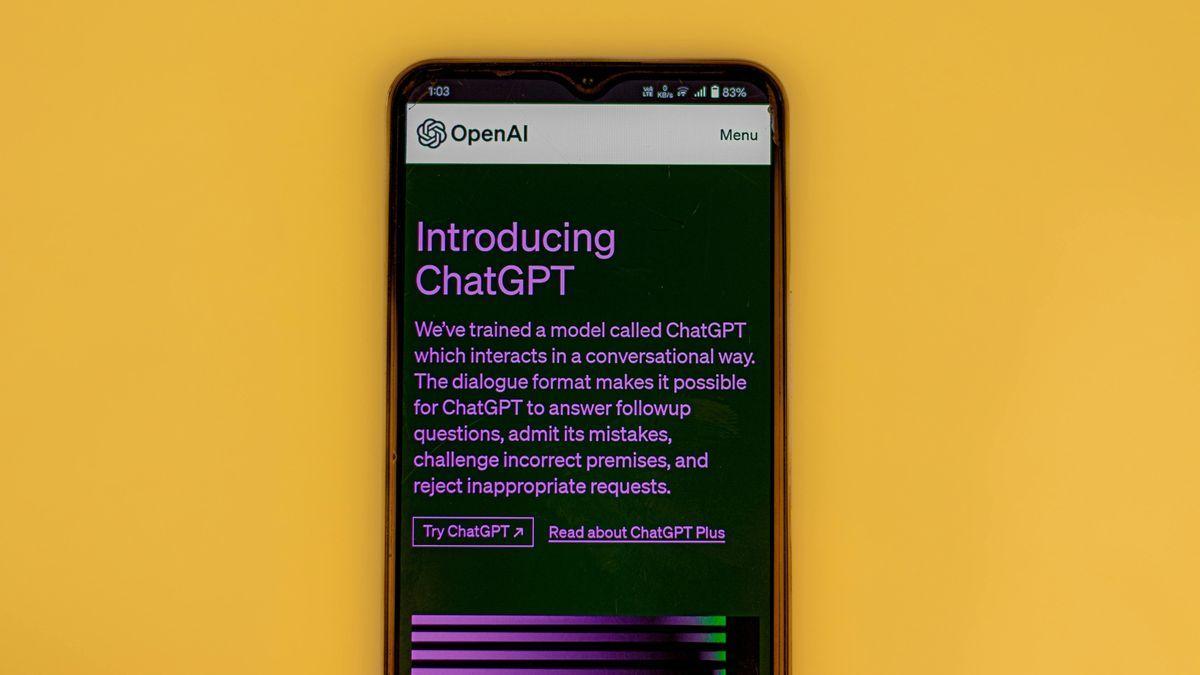
OpenAI introduces advertising to ChatGPT as financial pressures mount and Google gains ground
26 Jan 2026•Business and Economy

Recent Highlights
1
Microsoft and Nvidia Launch Surface Laptop Ultra: A $2,599 AI-Ready PC With RTX Spark Chip
Technology

2
Scientists Build AI Model That Reconstructs Images From Brain Scans in Record Time
Science and Research

3
Anthropic AI Cuts Live Internet Access After Model Sends False Homicide Tip to Philadelphia Police
Technology

Recent Highlights
Today's Top Stories








Don’t drown in AI news. We cut through the noise - filtering, ranking and summarizing the most important AI news, breakthroughs and research daily. Follow topics that matter to you and stay ahead.


