OpenAI Launches Grid Protectors Program to Cut AI Data Center Energy Demand During Peak Hours


8 Sources
[1]
OpenAI pitches data center power plants as a way to protect nearby areas
In an announcement on Monday, OpenAI says it will pilot its "Grid Protectors Program" at an upcoming data center in Effingham County, Georgia, where the company promises to free up to 1,000 megawatts of power during extreme weather or emergencies, enough to power air conditioners in around 700,000
[2]
OpenAI introduces program to reduce AI data center energy demand during peak hours -- company testing Grid Protectors Program system in Georgia
This move could help data centers operate sooner without waiting for the rest of the grid to catch up to its peak demand. Electricity consumption is one of the biggest concerns that residents bring up whenever a data center is proposed in their community, which is why OpenAI is taking steps to
[3]
'Families need reliable electricity': OpenAI pledges to try and provide 'a national effort to support affordable, reliable electricity for families and businesses' living near its data centers
* OpenAI launches new program to protect residents and businesses near its data centers from power outages * The Grid Protectors Program is designed to prevent OpenAI campuses from "hogging" all the power * A new development in Effingham County, Georgia, will pioneer the program OpenAI wants to
[4]
OpenAI pledges data center power cuts
Why it matters: OpenAI is moving to build its own data centers just as public and political backlash over their electricity demands threatens the industry's expansion plans. Driving the news: The "Grid Protectors Program" envisions going national with existing commitments at the planned data
[5]

OpenAI Wants to Rebrand AI Data Centers, Use Them to 'Protect the Grid'
The ChatGPT maker says future facilities could ease pressure on power grids by cutting demand during emergencies. In brief * OpenAI launched its Grid Protectors Program, promising to reduce electricity demand at future AI facilities during grid emergencies. * A planned Georgia facility could cut
[6]

OpenAI launches Grid Protectors program with 1 GW Georgia pledge
OpenAI has launched the Grid Protectors Program, committing campuses it directly develops to reduce electricity use during grid emergencies, beginning with a planned Georgia facility. Project Camellia, a planned 3,200-megawatt data center campus in Effingham County, Georgia, will make up to 1,000
[7]

OpenAI plans to use less electricity when grid is strained at this new facility
Amid nationwide outcry over data centers, OpenAI said Monday it will use less electricity at a new data center campus when the power grid is strained. The Sam Altman-run AI giant said it plans to turn down the juice during extreme weather or emergencies at its planned data center site in Effingham
[8]

OpenAI Grid Protectors: How AI data centers will cut power use in a crisis
OpenAI has a brand-new solution to the most common complaint against AI infrastructure: its excessive consumption of the energy that we all require. With its Grid Protectors initiative, OpenAI will be obliged to reduce the electricity consumption of those campuses developed by OpenAI itself in the
Share
Copy Link
OpenAI unveiled its Grid Protectors Program to reduce electricity consumption at AI data centers during emergencies and peak demand periods. The pilot at its planned Effingham County, Georgia facility promises to free up to 1,000 megawatts of power—enough for roughly 700,000 homes—while addressing growing public opposition to energy-intensive AI infrastructure.
OpenAI Tackles Data Center Opposition with New Grid Flexibility Initiative
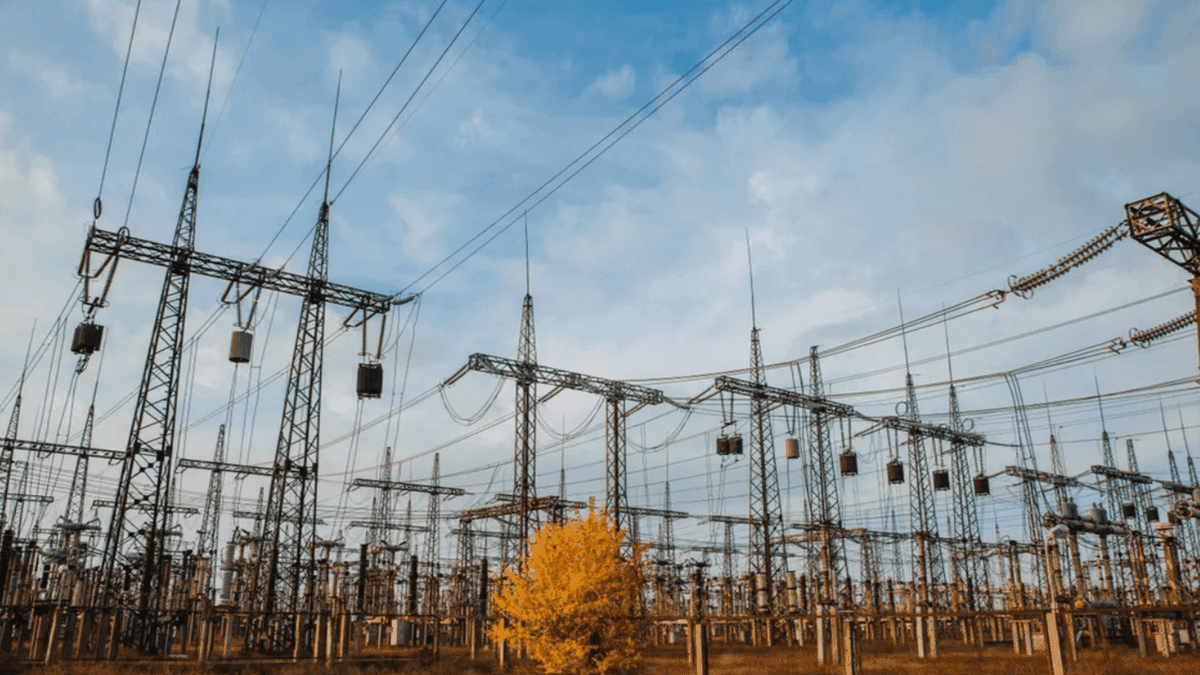
OpenAI announced its Grid Protectors Program on Monday, a national initiative designed to alleviate strain on local electricity grids by reducing data center energy demand during emergencies and peak usage periods
1
. The program arrives as opposition to AI data centers spreads across the United States, with communities protesting massive projects that threaten to overwhelm power infrastructure and increase electricity costs for residents1
.
Source: TechRadar
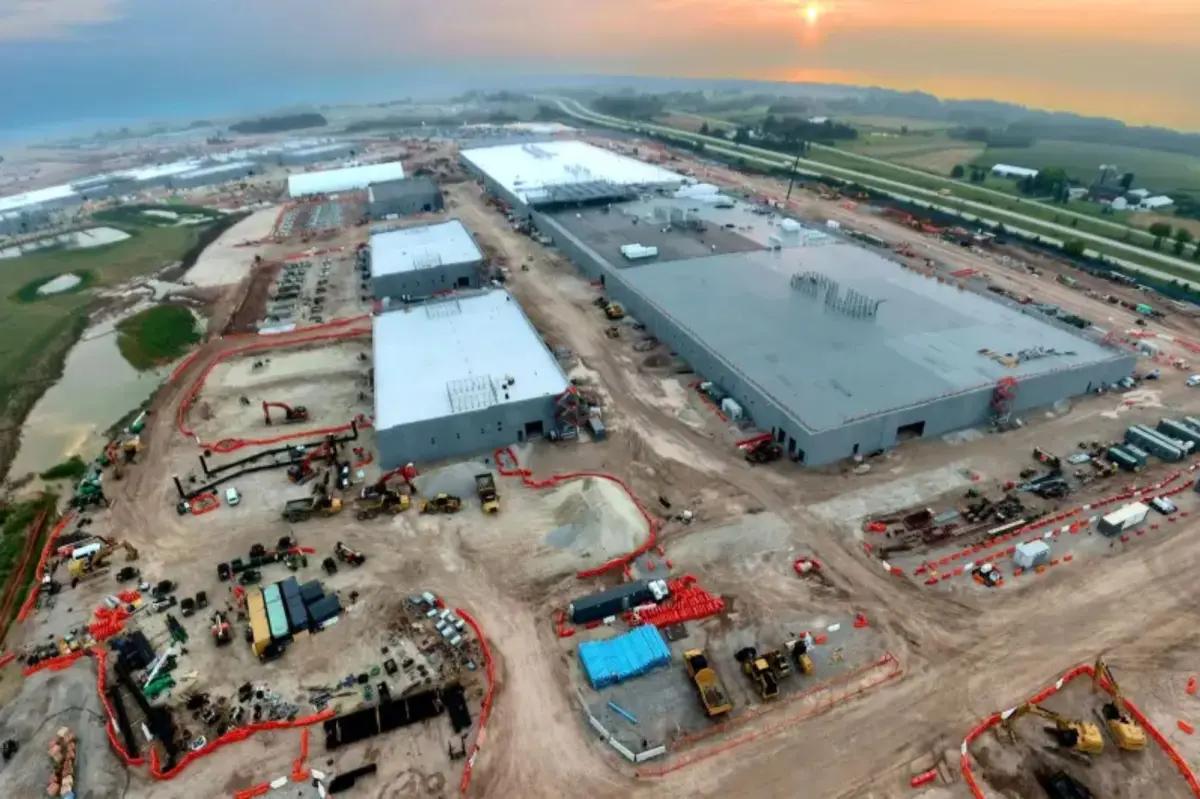
The ChatGPT maker is piloting the initiative at its planned facility in Effingham County, Georgia, where it has signed a 25-year agreement with Georgia Power covering approximately 3,200 megawatts of electricity demand
5
. Under this arrangement, OpenAI pledges to reduce electricity consumption by up to 1,000 megawatts during periods of high demand—equivalent to powering roughly 700,000 households or the combined residential demand of Washington, D.C., and Boston3
4
.How Flexible Demand Response Works for AI Infrastructure
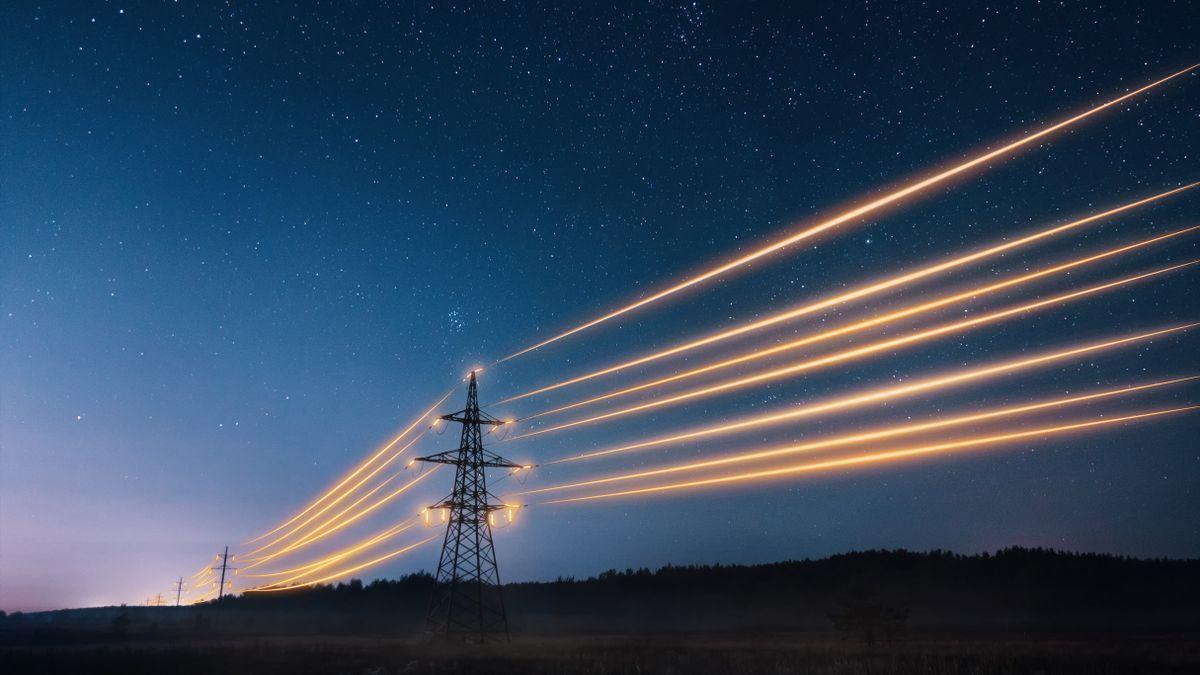
The Grid Protectors Program leverages flexible demand response technology, which allows AI data centers to automatically reduce their load within minutes when the grid comes under pressure
2
. This approach has been used for decades with industrial customers like steel mills, but modern automation and IoT technologies now enable faster, more precise responses to peak demand situations2
.John McCarrick, OpenAI's head of energy policy, explained that the initiative reflects a shift in industry thinking about grid reliability. "I was in a meeting about a year ago with one of the other large hyperscalers, and they were defending the five nines, and I don't think anybody's doing that now," he said, referring to the outdated idea that data centers must be available 99.999% of the time
4
. The company will work with utilities to determine how much demand can be reduced, how quickly, and for how long, with specific arrangements varying by location3
.Financial Benefits and Cost Protection for Ratepayers
OpenAI argues that its approach can support affordable reliable electricity while actually benefiting customers. The company claims that AI's steady year-round power consumption helps spread grid infrastructure costs across more electricity sales, while flexibility during peak times prevents strain on the system
1
4
.Georgia Power projects approximately $950 million in annual customer savings beginning in 2029, equivalent to at least $15 per month for typical residential customers, though these estimates cover the utility's broader portfolio of large electricity customers beyond just OpenAI's project
5
. Under the Georgia agreement, OpenAI must cover the full infrastructure costs required to serve its facility rather than passing those expenses to existing ratepayers5
.The company stated: "Families and small businesses should not be asked to subsidize a compute campuses's electricity needs"
5
. OpenAI promises to provide "long-term contracts and financial assurances" that protect other customers if projects are delayed, reduced, or canceled3
.Related Stories
Growing Political Pressure and Environmental Concerns
The Grid Protectors Program emerges against mounting political and community resistance to AI infrastructure expansion. Several states including Tennessee, Florida, Oklahoma, and Oregon have enacted laws preventing AI companies from passing energy costs to residents, while others have imposed moratoriums and restrictions on new data center development
1
. Pennsylvania introduced new restrictions in August specifically designed to protect residents from higher electricity costs5
.In Utah, residents protested after Box Elder County commissioners approved a data center expected to consume more than double the state's peak electricity demand in 2025
1
. Environmental impacts also loom large—a recent Houston Advanced Research Center study warned that powering proposed Texas data center projects could undo decades of air quality gains over just five years1
.Policymakers are already moving to promote flexible data centers. FERC has demanded that grid operators justify procedures for connecting large power users, with provisions promoting flexibility, while a Senate permitting bill would explicitly allow states to require data centers to limit power consumption during peak times as a condition for grid service
4
.Rebranding Strategy and Future Expansion Plans
Alongside the Grid Protectors Program, OpenAI is reportedly preparing a post-midterm PR campaign that includes rebranding AI data centers as "compute campuses" to make the infrastructure sound more appealing to communities
5
. The company has already adopted this terminology throughout its Grid Protectors announcement, though it occasionally still uses "data centers"1
5
.
Source: Axios
An OpenAI spokesperson confirmed the naming strategy, arguing that "compute campuses" better reflects the facilities' broader role in computing, energy infrastructure, and skilled employment
5
. Beyond Georgia, OpenAI is partnering with Oracle and SoftBank to build its "Stargate" data centers across multiple locations including Shackelford County, Texas; Doña Ana County, New Mexico; and Milam County, Texas1
. Electricity delivery to the Georgia facility is scheduled to begin in 2028 and expand in phases through 20325
.
Source: New York Post
The initiative builds on a White House pledge signed by OpenAI and six other major technology companies in March to pay for the electricity and grid upgrades their AI projects require
5
. However, the national Grid Protectors framework remains largely aspirational, with individual agreements to be negotiated location by location as future facilities are developed4
5
.References
Summarized by

Navi
[2]
Related Stories
OpenAI pledges Stargate AI data centers will fund own energy and not spike local utility bills
21 Jan 2026•Business and Economy

AI's Surging Energy Demands Pose Challenges and Opportunities for Power Grids
27 Jun 2025•Technology

OpenAI raises AI infrastructure spending to $750B, launches $20B Georgia data center project
23 Jul 2026•Business and Economy

Recent Highlights



Recent Highlights
Today's Top Stories









Don’t drown in AI news. We cut through the noise - filtering, ranking and summarizing the most important AI news, breakthroughs and research daily. Follow topics that matter to you and stay ahead.


