PCIe 7.0 Specification Released: A Leap Forward in Data Transfer Speeds


2 Sources
[1]
PCIe 7.0 is coming, but not soon, and not for you
Jess Weatherbed is a news writer focused on creative industries, computing, and internet culture. Jess started her career at TechRadar, covering news and hardware reviews. The PCIe 7.0 specification has now been released, while many of us are still waiting for PCIe 6.0 to materialize in consumer
[2]
PCIe 7.0 specs finalized at 512 GBps bandwidth
Work on next gen already underway, while bandwidth needs for datacenters just keep rising The PCI Special Interest Group (PIC-SIG) just released official specs for PCIe 7.0, doubling the bandwidth again for high-performance kit such as network cards, while hinting that PCIe 8.0 may not achieve the
Share
Copy Link
The PCI Special Interest Group (PCI-SIG) has released the PCIe 7.0 specification, doubling the bandwidth to 512GB/s and paving the way for faster data transfer in high-performance computing and AI applications.
PCIe 7.0 Specification: A New Era of Data Transfer
The PCI Special Interest Group (PCI-SIG) has officially released the PCIe 7.0 specification, marking a significant leap in data transfer capabilities. This new standard boasts a theoretical maximum bandwidth of 512GB per second in both directions across a x16 connection, effectively doubling the performance of its predecessor, PCIe 6.0
1
2
.Targeting High-Performance Computing and AI
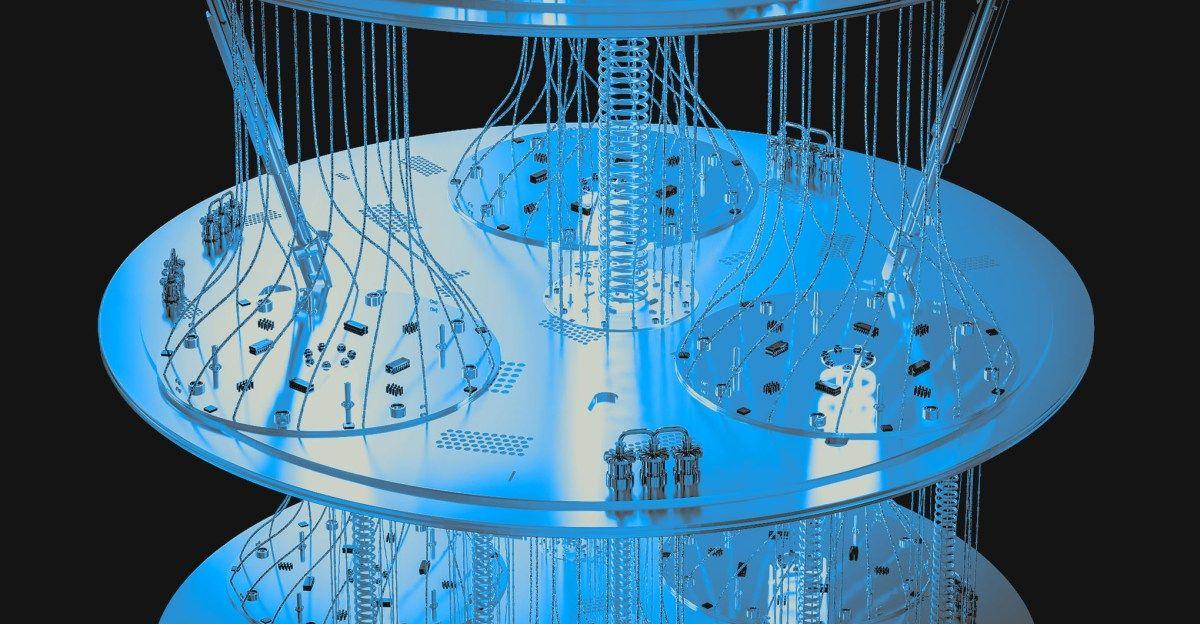
Source: The Verge
While the announcement of PCIe 7.0 is exciting, it's important to note that this technology is not immediately destined for consumer devices. PCI-SIG President Al Yanes emphasized that the new specification is primarily aimed at data-intensive markets deploying AI, including hyperscale data centers, high-performance computing (HPC), automotive, and military/aerospace applications
1
.The increased capacity is particularly crucial for throughput-heavy devices such as 800 Gbps Ethernet adapters and data-intensive applications in machine learning and HPC
2
. This focus on high-end applications reflects the growing demands of AI and cloud computing infrastructures.Timeline and Market Availability
Despite the finalization of the PCIe 7.0 specification, consumers shouldn't expect to see it in their devices anytime soon. There's typically a lag of at least 12-18 months between the release of final specifications and products hitting the market
2
. For context, PCIe 5.0, which launched in 2019, only started appearing in consumer hardware two years ago and is still relatively uncommon1
.Optical Fiber Integration

Source: The Register
In a notable development, PCI-SIG has also introduced specifications for implementing PCIe using optical fiber links. This comes in the form of an Optical Aware Retimer Engineering Change Notice (ECN) that amends both the PCIe 6.4 and new PCIe 7.0 specifications
2
. This innovation could enable PCIe connections over longer distances, potentially across server racks, opening new possibilities for data center architectures.Related Stories

Looking Ahead: PCIe 8.0
Even as PCIe 7.0 is being released, PCI-SIG is already looking towards the future. Pathfinding for PCIe 8.0 is underway, with the organization aiming to meet the ever-increasing bandwidth requirements of data centers
2
. However, PCI-SIG President Al Yanes has cautioned that doubling the bandwidth again for PCIe 8.0 is not guaranteed, reflecting the technical challenges involved in maintaining this pace of advancement2
.Implications for the Tech Industry
The release of PCIe 7.0 specifications represents a significant milestone in data transfer technology. While it may not immediately impact consumer devices, its influence on high-performance computing, AI, and data center technologies is likely to be substantial. As these advanced capabilities trickle down to consumer products in the coming years, we can expect to see notable improvements in data processing speeds and overall system performance across a wide range of devices and applications.
References
Summarized by

Navi
[1]
[2]
Related Stories
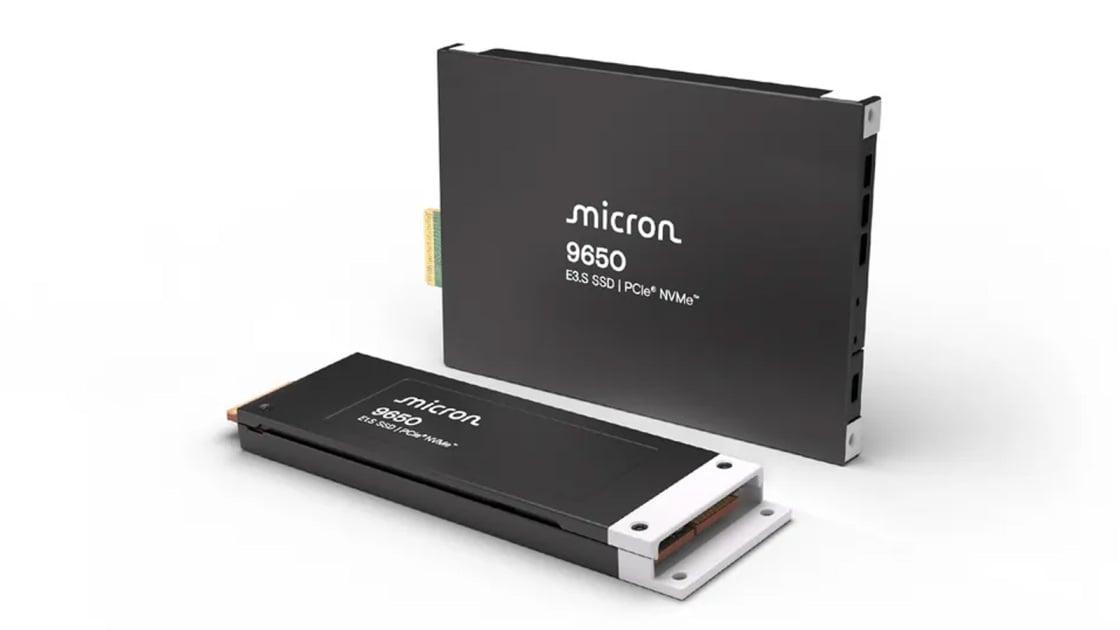
Micron launches first PCIe 6.0 SSDs with 28GB/s speeds, but they're built for AI data centers only
17 Feb 2026•Technology
Silicon Motion's PCIe 6.0 SSD roadmap follows Nvidia's AI push, not AMD or Intel's client plans
17 Jun 2026•Business and Economy

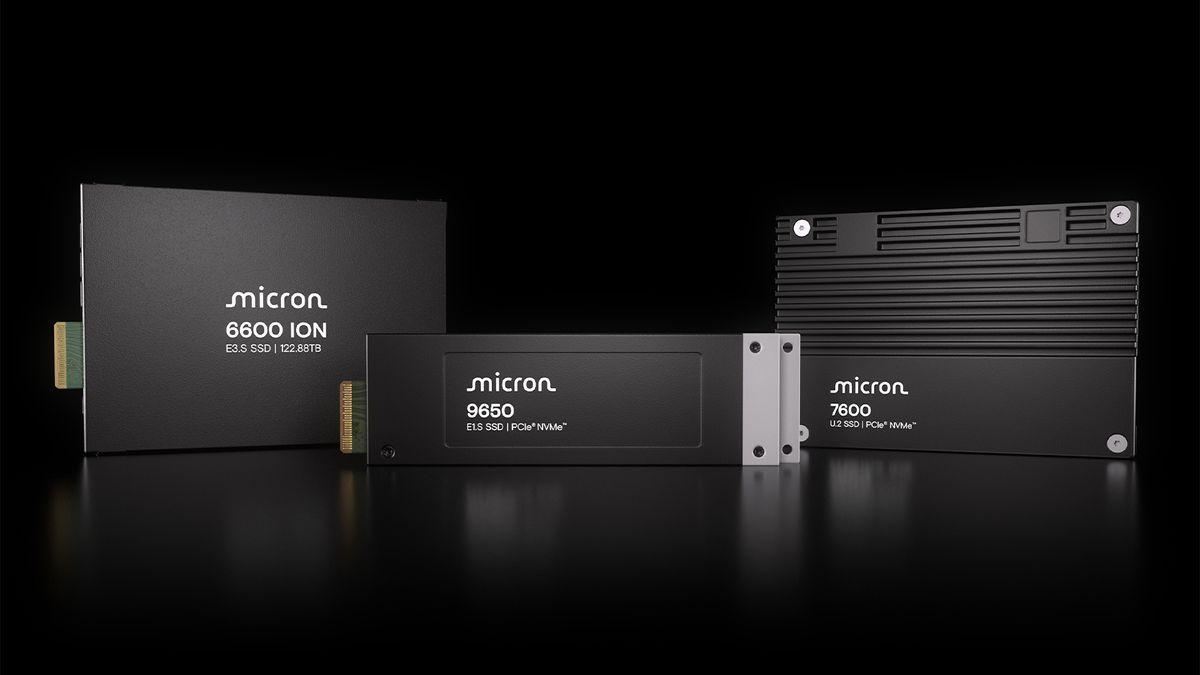
Micron Unveils World's First PCIe 6.0 SSD, Revolutionizing Data Center Storage
30 Jul 2025•Technology
Recent Highlights



Recent Highlights
Today's Top Stories



Don’t drown in AI news. We cut through the noise - filtering, ranking and summarizing the most important AI news, breakthroughs and research daily. Follow topics that matter to you and stay ahead.


