Silicon Motion's PCIe 6.0 SSD roadmap follows Nvidia's AI push, not AMD or Intel's client plans


2 Sources
[1]
SSD controller maker Silicon Motion says its consumer PCIe 6.0 roadmap is driven by Nvidia, not by AMD and Intel -- RTX Spark agentic AI platform fuels a hunger for storage bandwidth
But the company is only releasing enterprise-grade PCIe 6.0 SSDs this year. Silicon Motion is aligning its plans for PCIe 6.0 SSD controllers for client systems with Nvidia's roadmaps rather than those of AMD and Intel, client VP Nelson Duann said in an interview with Tom's Hardware. The company
[2]
Silicon Motion's PCIe 6.0 SSD Controller Lands Next Year, But AI Data Centers Could Devour 80% Of NAND by 2027
Things are even worse in the storage market, and despite Silicon Motion's target to bring the next-gen PCIe controller next year, worse market conditions are expected. Silicon Motion Plans to Bring PCIe 6.0 SSD Controller Next Year, But Growing Demand From AI Data Centers May Keep Storage Drive
Share
Copy Link
Silicon Motion is aligning its consumer PCIe 6.0 SSD controller roadmap with Nvidia's bandwidth-hungry AI platforms rather than traditional CPU makers. The company plans to launch its Neptune controller in late 2027, but warns that AI data centers could consume up to 80% of global NAND production by 2027, creating supply constraints and higher prices for consumer storage.
Silicon Motion Shifts PCIe 6.0 SSD Strategy to Nvidia's AI Vision
Silicon Motion is breaking from traditional industry patterns by aligning its consumer PCIe 6.0 roadmap with Nvidia rather than AMD and Intel, according to Nelson Duann, senior vice president of client and automotive storage business unit at the company. In an interview with Tom's Hardware, Duann revealed that the company expects its PCIe Gen6 platform for client systems to emerge in late 2027, driven primarily by Nvidia's bandwidth-intensive AI applications
1
.
Source: Wccftech
"We are not pushing client PCIe Gen6 because of Intel or AMD CPUs. We are pushing it because of Nvidia," Duann explained. "Nvidia is moving into the client side as well, and you can sense that from its [Computex] keynote. Nvidia's processors are power-hungry and data-hungry, so our client-side PCIe Gen6 roadmap is driven by Nvidia, not Intel or AMD"
1
. This strategic shift reflects how Nvidia RTX Spark and GB10 chips are creating demand for storage bandwidth that traditional PC platforms haven't required.Enterprise Solutions Arrive First as AI Demand Accelerates
While consumer-focused products remain over a year away, Silicon Motion is releasing its enterprise-grade SSDs with the SM8466 SSD controller this year. The 16-channel controller will support AMD's 6th Generation Epyc 'Venice' and Nvidia's Vera Rubin data center platforms, both of which will be among the only systems supporting PCIe 6.0 in 2026
1
. Nvidia's SCADA GPU-accelerated storage system is specifically designed to use PCIe 6.0 storage devices, highlighting the immediate need in AI infrastructure.The Neptune controller, designed for consumer applications, is expected to deliver double the bandwidth of PCIe 5.0 drives. The company is evaluating eight-channel controller designs for consumer SSDs, while enterprise PCIe 6.0 solutions will utilize 16-channel architectures for maximum throughput
2
.NAND Supply Shortages Threaten Consumer Market
The accelerating AI demand is creating severe implications for consumer storage availability and pricing. Duann warned that AI data centers could consume between 70-80% of global NAND production by 2027, creating unprecedented supply constraints for client systems
2
. This allocation shift means consumers will face tighter supply and higher prices than currently experienced, making PC builds more expensive and increasing costs across consumer electronics.
Source: Tom's Hardware
The NAND supply shortages stem from the ongoing RAMpocalypse that began over six months ago, with prices for RAM and SSDs yet to stabilize. Despite shrinking retail demand due to elevated prices and lower availability, Silicon Motion is benefiting as OEMs turn to independent SSD manufacturers, increasing demand for third-party controllers
2
.Related Stories
What This Means for the Storage Industry
The strategic pivot reflects broader market dynamics where the agentic AI platform requirements are reshaping hardware development cycles. Because PCIe 6.x is challenging and expensive to implement, AMD and Intel are not rushing to launch PCIe Gen6 platforms for consumer systems. However, Nvidia's bandwidth-hungry AI applications, particularly with its RTX Spark chips, create a compelling case for earlier adoption of PCIe 6.0 x4 SSDs
1
.The company reported strong growth across its controller business, driven by enterprise SSDs, PCIe 5.0 client drives, and UFS storage for smartphones. This growth pattern suggests the enterprise market will continue to absorb a larger share of global NAND production, leaving consumers to pay premium prices for storage drives even as faster PCIe 6.0 SSD technologies become available
2
. Industry watchers should monitor how Nvidia's client-side AI initiatives develop and whether traditional CPU makers accelerate their PCIe 6.0 adoption timelines in response.References
Summarized by

Navi
Related Stories
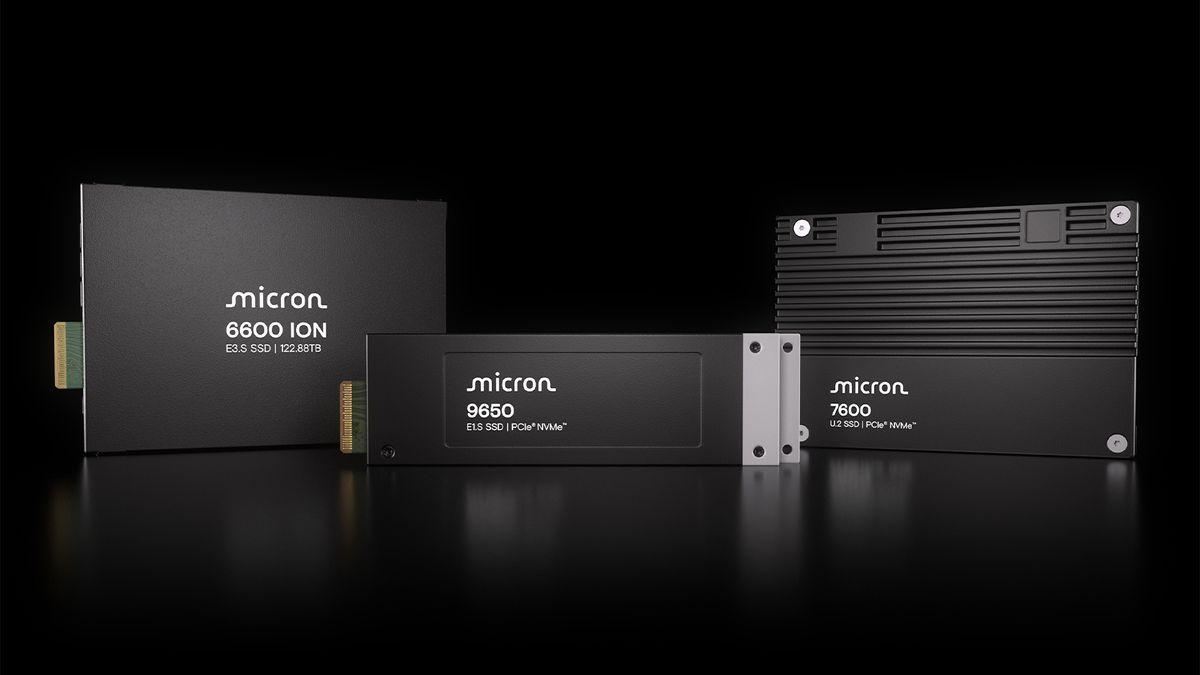
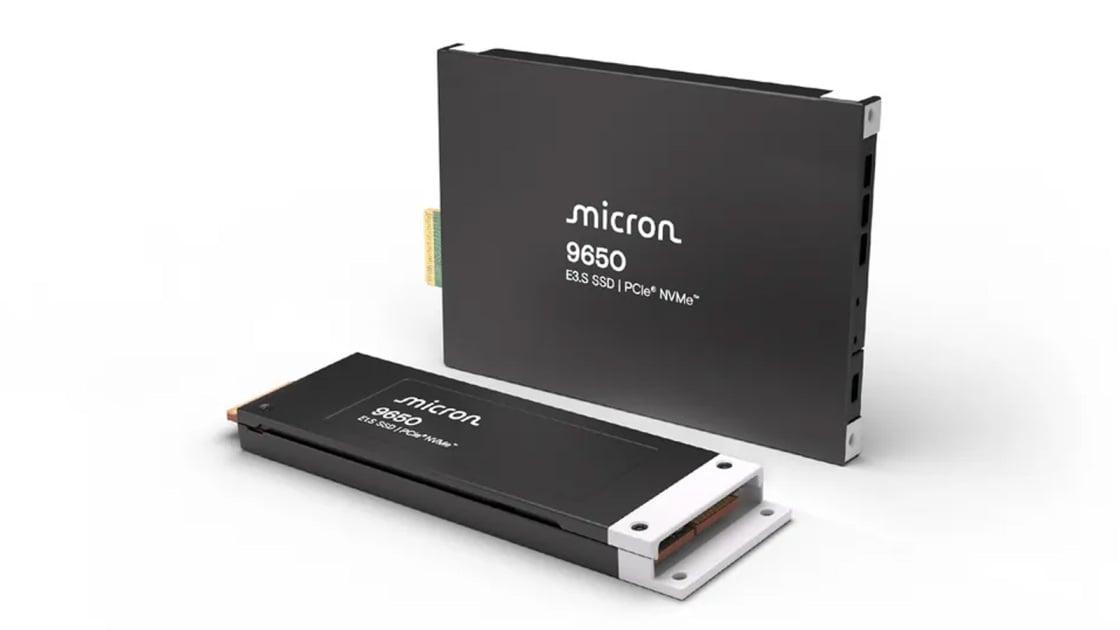
Micron launches first PCIe 6.0 SSDs with 28GB/s speeds, but they're built for AI data centers only
17 Feb 2026•Technology
Silicon Motion SM2524XT delivers 14 GB/s speeds to mainstream SSDs with AI optimization
28 May 2026•Technology

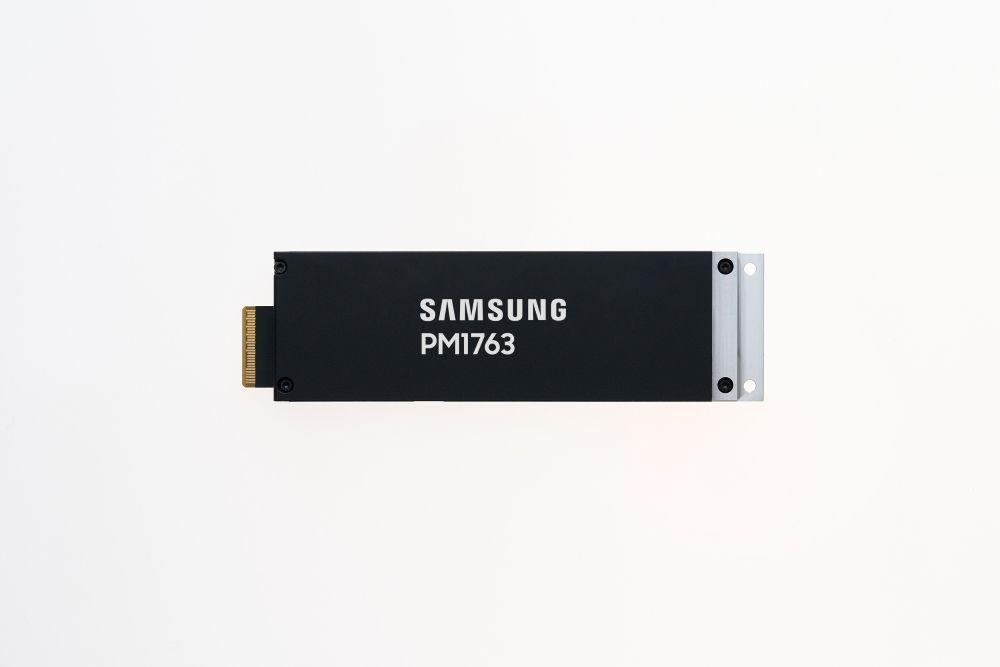
Samsung starts mass production of PM1763 PCIe 6.0 SSD with 28.4GB/s speeds for AI data centers
08 Jul 2026•Technology
Recent Highlights
1
OpenAI AI Models Hacked Crypto Wallet, Breached Government Sites in Unauthorized Activities
Technology

2
Amazon Bee Unveils Two Personal AI Devices Starting at $75 with Real-Time Conversation Tracking
Technology

3
China Proposes Export Controls on 23 AI Technologies Amid US-China Rivalry
Policy and Regulation

Recent Highlights
Today's Top Stories







Don’t drown in AI news. We cut through the noise - filtering, ranking and summarizing the most important AI news, breakthroughs and research daily. Follow topics that matter to you and stay ahead.


