Penn Medicine's AI Model Detects Hidden Diseases in 400,000 CT Scans


2 Sources
[1]
New AI model detects hidden diseases in routine CT scans
University of Pennsylvania School of MedicineOct 20 2026Reviewed When analyzed by a new artificial intelligence model developed at Penn Medicine, CT scans reveal much about a patient's health beyond the specific condition they were originally ordered for, according to a new study published in NPJ
[2]
AI model can uncover unseen health issues in CT scans | Newswise
PHILADELPHIA -- When analyzed by a new artificial intelligence model developed at Penn Medicine, CT scans reveal much about a patient's health beyond the specific condition they were originally ordered for, according to a new study published in NPJ Digital Medicine. The AI model, dubbed Percival,
Share
Copy Link
Penn Medicine researchers developed Percival, an AI model trained on 400,000 CT scans from 50,000 patients that detects hidden diseases beyond the original scan purpose. The model identifies conditions like atrial fibrillation, chronic kidney disease, and pancreatic cancer more reliably than existing AI tools, enabling opportunistic screening for early detection of diseases.
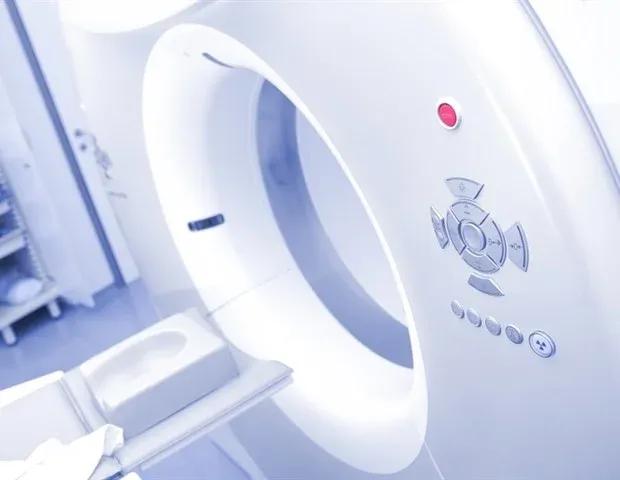
AI Model Transforms Routine CT Scans into Comprehensive Health Assessments
Researchers at Penn Medicine have developed Percival, an AI model that detects hidden diseases in routine CT scans far beyond their original diagnostic purpose. Published in NPJ Digital Medicine, this breakthrough demonstrates how AI-driven medical imaging can uncover unseen health issues that human radiologists might miss
1
. Unlike conventional AI models that require specific direction to identify particular conditions, Percival operates autonomously in the background, analyzing imaging data to reveal connections between scans, lab values, physiology, and clinical outcomes."Our teams have developed something that learns broadly from imaging data and uncovers connections between scans, lab values, people's physiology, and clinical outcomes to potentially give more accurate assessments of health, or even ring alarm bells early," said Walter Witschey, PhD, senior author and associate professor of Radiology at Penn Medicine
2
. The model's ability to detect hidden diseases positions it as a foundation for personalized and proactive healthcare.Training on 400,000 CT Scans from Penn Medicine BioBank
Percival was trained on approximately 400,000 CT scans from roughly 50,000 patients, drawing from the extensive Penn Medicine BioBank. This repository contains health information from more than 350,000 people collected across the University of Pennsylvania Health System over two decades
1
. The exceptional diversity of this dataset strengthens Percival's ability to adapt to different hospital systems and patient populations.Lead author Cameron Beeche, a PhD candidate in Bioengineering at the University of Pennsylvania, emphasized that "training on larger, more diverse datasets can improve performance, and this can provide a stronger foundation for adapting a model to a hospital or patient population almost anywhere"
2
. The model's name honors both a knight from King Arthur's Round Table and Eugene Percival Pendergrass, a prominent radiologist and educator at Penn.Opportunistic Screening Reveals Multiple Chronic Conditions
The AI model excels at opportunistic screening, where early detection of diseases occurs beyond the scan's original purpose. Percival successfully identified traces of atrial fibrillation, a form of irregular heartbeat, and chronic kidney disease within CT scans ordered for unrelated conditions
1
. This capability enables clinicians to catch serious conditions before patients develop severe symptoms."We're hoping to elevate 'opportunistic screening,' where results are found beyond the original purpose of a scan, such as finding the early traces of cancer on a scan that was maybe assessing pneumonia," Witschey explained
2
. The totality of information contained within CT scans becomes significantly more useful through Percival's analysis.Related Stories

Superior Performance Compared to Existing AI Models
When benchmarked against TotalSegmentator, another AI model used in medical imaging, Percival demonstrated superior reliability in flagging serious conditions. The model proved more effective at identifying pancreatic cancer, cirrhosis, and bacterial pneumonia
1
. Co-author Charles Kahn, MD, a professor of Radiology, noted that "Percival can help identify unrecognized disease, predict future progression, and anticipate major cardiovascular and liver complications"2
.This enhanced detection capability addresses a critical gap in healthcare. Many patients already have substantial heart or metabolic disease when they enter specialty care, making routine imaging an opportunity for earlier recognition and intervention through personalized and proactive healthcare approaches.
Open Source Development and Clinical Testing Timeline
Percival's code and training model specifications are open source, enabling researchers worldwide to contribute improvements
1
. "Percival benefited enormously from researchers who shared their code, methods, and insights into these types of models," Witschey said. "We believe strongly in contributing to that same spirit of open science"2
.Developers plan to test Percival in clinical settings early next year, with experience from another Penn Medicine AI solution, AInSights, guiding the implementation process. The team is exploring how larger datasets spanning multiple institutions could make Percival more robust and predictive. This work received support from the NIH Office of the Director under award OT2OD038048 and the National Institute of Biomedical Imaging and Bioengineering under award R21EB036734
1
. Penn Medicine recently developed another AI model for cardiac MRI scans that achieved near-perfect diagnostic accuracy, expanding their portfolio of AI-driven medical imaging tools.References
Summarized by

Navi
[1]
Related Stories
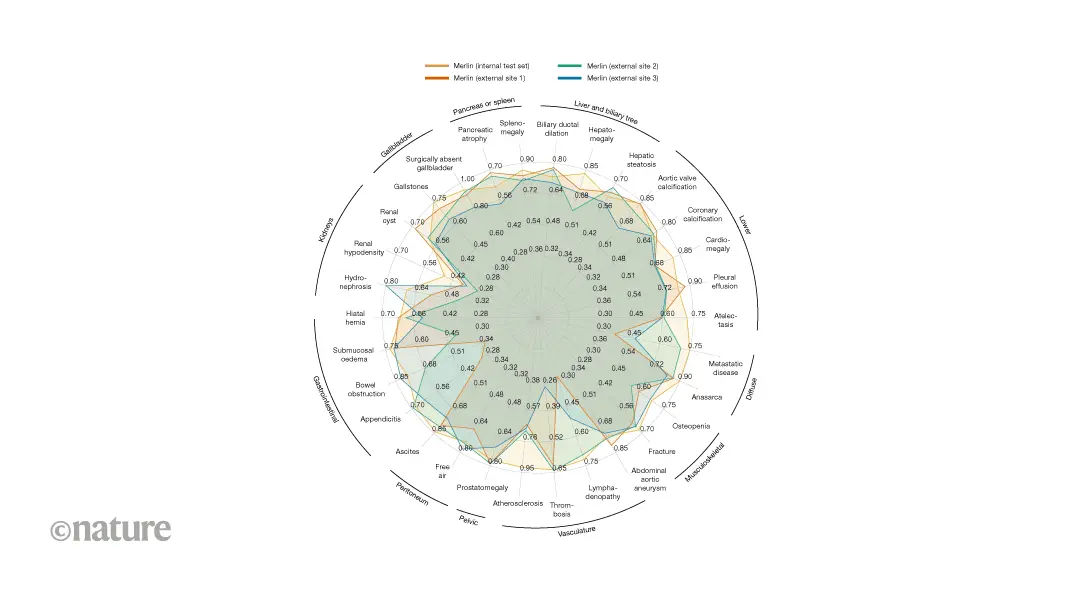
Stanford's Merlin AI delivers consistent diagnoses across hospitals using 3D CT scans
04 Mar 2026•Science and Research
AI Revolutionizes Heart Disease Detection: From ECGs to Hidden Conditions
17 Jul 2025•Health
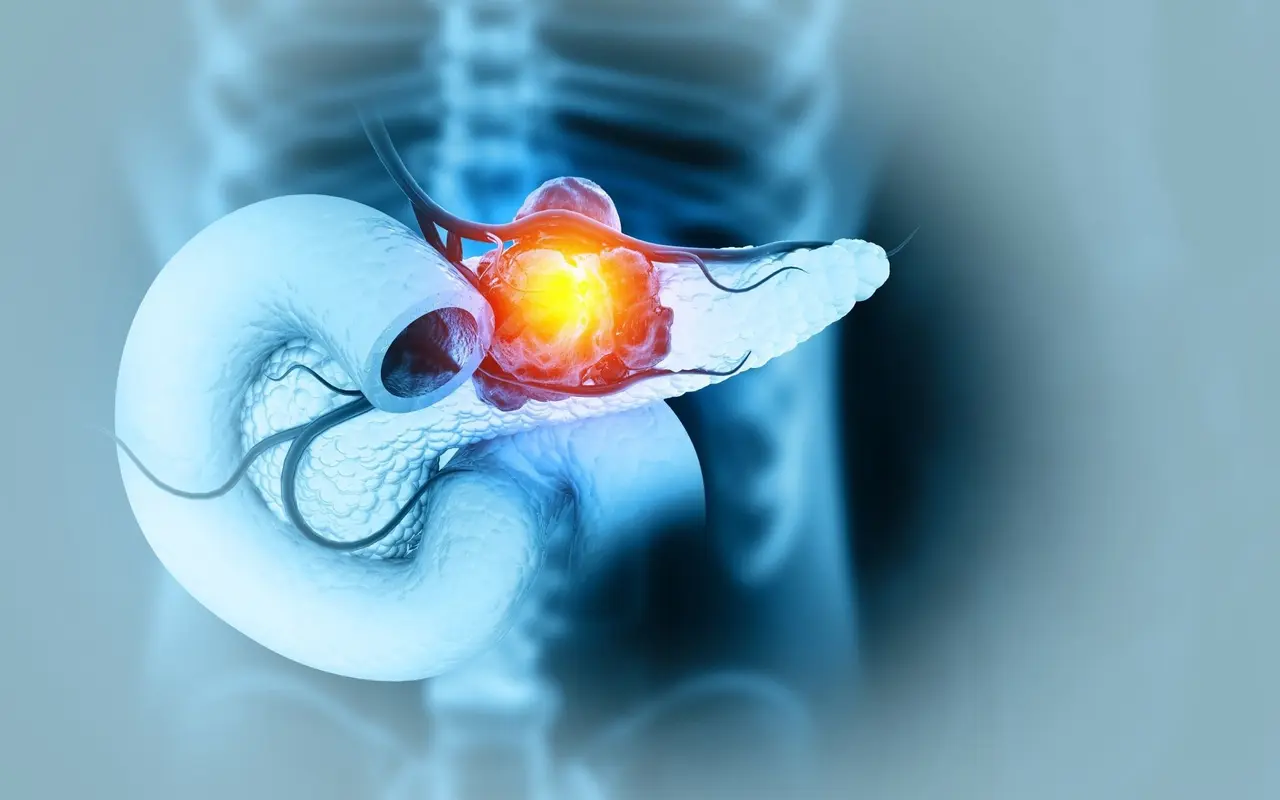
AI model detects hidden pancreatic cancer up to 3 years before doctors spot it on CT scans
07 May 2026•Health
Recent Highlights
1
Meta Unveils Muse Wonder Frontier AI Models, Claims Performance Matching OpenAI and Anthropic
Technology

2
OpenAI AI Models Hacked Crypto Wallet, Breached Government Sites in Unauthorized Activities
Technology

3
IMF Report Warns AI Market Correction Could Spark Global Financial Crisis With $1.4T at Risk
Business and Economy

Recent Highlights
Today's Top Stories







Don’t drown in AI news. We cut through the noise - filtering, ranking and summarizing the most important AI news, breakthroughs and research daily. Follow topics that matter to you and stay ahead.


