Power Grid Crisis Threatens U.S. AI Dominance as China Builds Energy Infrastructure Advantage


4 Sources
[1]
Donald Trump Warns China Will Easily 'Catch Us' In AI Race If Washington Doesn't Stop State-By-State Regulation: 'We Must Have...' - NVIDIA (NASDAQ:NVDA)
On Tuesday, President Donald Trump warned that China could "easily catch" the U.S. in the global artificial intelligence race unless the country adopts a unified federal approach to AI regulation. Trump Calls For Single Federal AI Standard In a post on Truth Social, Trump argued that the U.S.
[2]
Jensen Huang's Stark Warning : China Could Seize the AI Lead Faster Than Expected
What if the future of global power wasn't decided by military strength or economic might, but by who leads in artificial intelligence? NVIDIA CEO Jensen Huang has sent shockwaves through the tech world with his bold assertion: China is on track to win the AI race. While the United States has long
[3]
After Nvidia CEO Jensen Huang, Kevin O'Leary Says China Threatens US AI Leadership Because Of This One Thing -- And It's Not Chips - Microsoft (NASDAQ:MSFT), Amazon.com (NASDAQ:AMZN)
On Friday, investor Kevin O'Leary issued a stark warning that China's sweeping power capacity -- not chips -- now poses the biggest threat to the U.S.'s position in the global AI race. O'Leary Says China's Energy Build-Out Gives It AI Edge While sharing a clip of his Fox News appearance on X,
[4]
America Could Lose AI Race Against China Due To Power Crunch, Goldman Says - NVIDIA (NASDAQ:NVDA), Advanced Micro Devices (NASDAQ:AMD)
The future of artificial intelligence may depend less on chips from Nvidia Corp. (NASDAQ:NVDA) and Advanced Micro Devices Inc. (NASDAQ:AMD), and more on the raw watts needed to power data centers. America's lead in the global artificial intelligence race is dangerously walking a tightrope, as a
Share
Copy Link
President Trump and industry leaders warn that China could overtake the U.S. in AI development due to America's power grid constraints and regulatory fragmentation, while China rapidly expands electricity capacity to fuel data center growth.
Trump Warns of Regulatory Fragmentation Risk
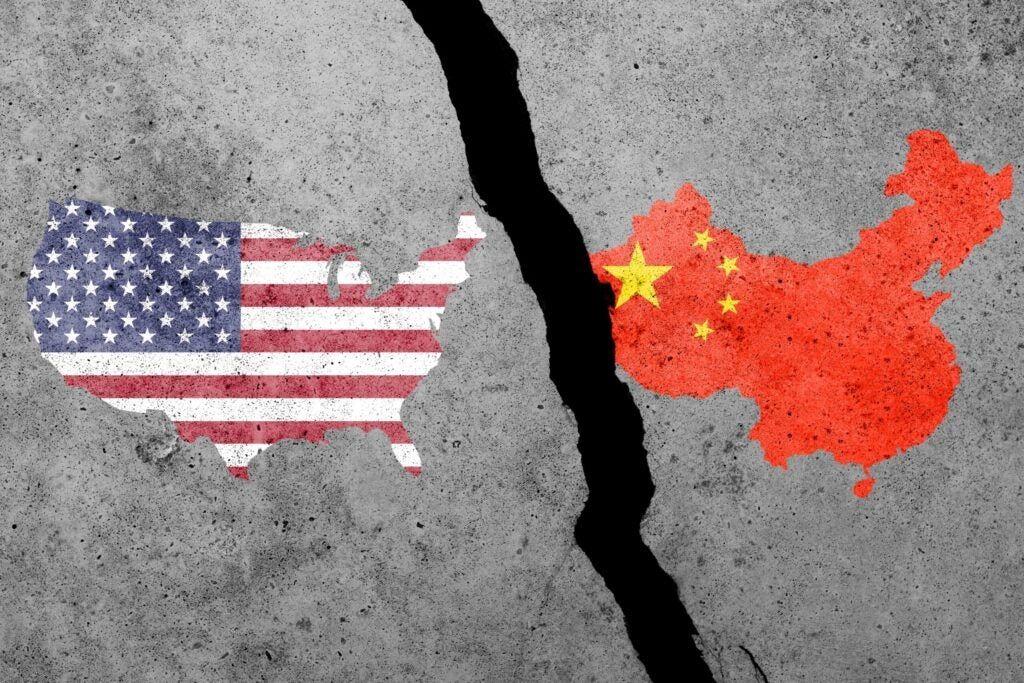
President Donald Trump issued a stark warning this week that China could "easily catch" the United States in the global artificial intelligence race unless America adopts a unified federal approach to AI regulation. In a Truth Social post, Trump argued that state-by-state AI regulations threaten U.S. competitiveness, particularly criticizing efforts by some states to incorporate diversity and inclusion requirements into AI systems, which he described as potentially leading to "woke AI"
1
.
Source: Benzinga
Trump emphasized that while AI investment is helping make the U.S. economy the "hottest in the world," overregulation by individual states threatens this momentum. He urged Congress to mandate a single national regulatory framework, warning that a fragmented system gives China room to outpace American AI development
1
.Power Infrastructure Emerges as Critical Battleground
Industry leaders are increasingly identifying America's power grid constraints as the most significant threat to U.S. AI leadership. Investor Kevin O'Leary declared that China is "crushing" the United States in electricity capacity, arguing that America's grid is already "tapped out" while China can add new coal plants without regulatory delays
3
.
Source: Benzinga
"When the Supreme Leader wants more capacity, he builds a coal plant. Simple. No 5-year regulatory nightmare," O'Leary explained, highlighting the stark difference in regulatory environments between the two nations
3
.Goldman Sachs analysis supports these concerns, revealing that U.S. effective spare power capacity has dropped from 26% five years ago to just 19% today, approaching the 15% threshold considered critically tight. Eight of 13 U.S. regional power markets have already hit or fallen below this critical level
4
.China's Strategic Energy Advantage
China is positioning itself to dominate future AI infrastructure through massive power capacity expansion. Goldman Sachs projects that by 2030, China will have effective power spare capacity equivalent to over three times the world's expected data center power demand—approximately 400 GW versus 120 GW globally
4
.This energy advantage complements China's growing AI research capabilities, with approximately 50% of the world's AI researchers now based within its borders. Chinese AI models like the Kimmy K2 have demonstrated innovative capabilities that rival leading U.S. research institutions, supported by strategic investments in advanced data centers and energy systems
2
.Related Stories
Nvidia CEO Echoes Warnings
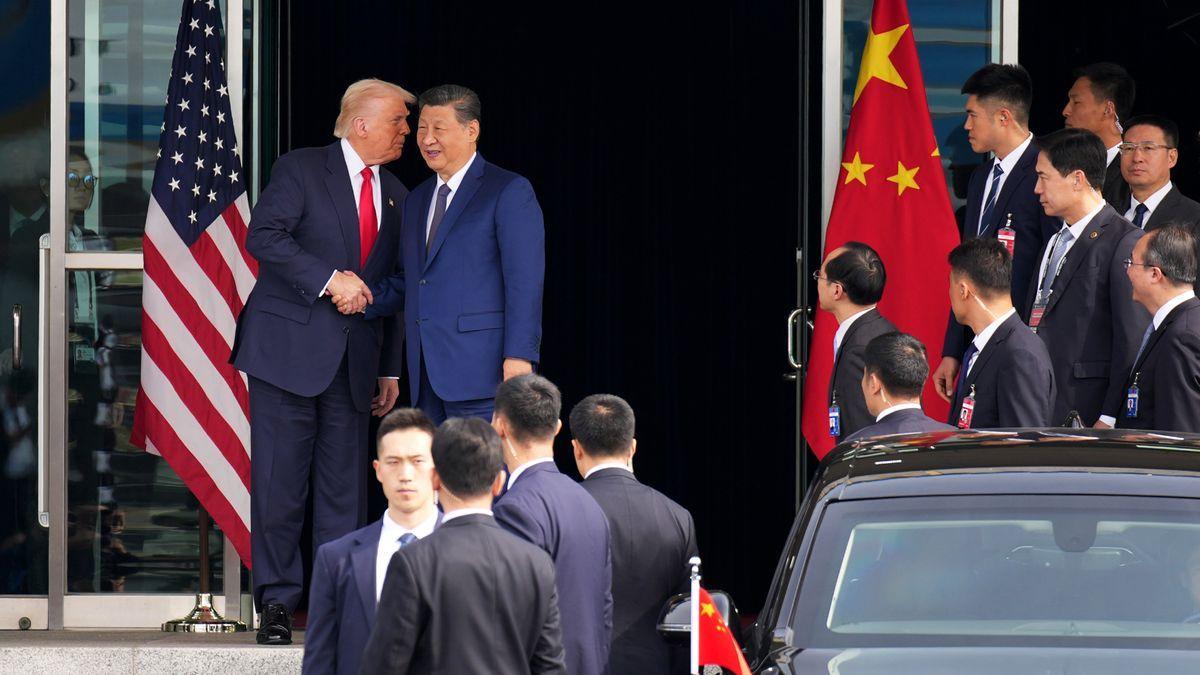
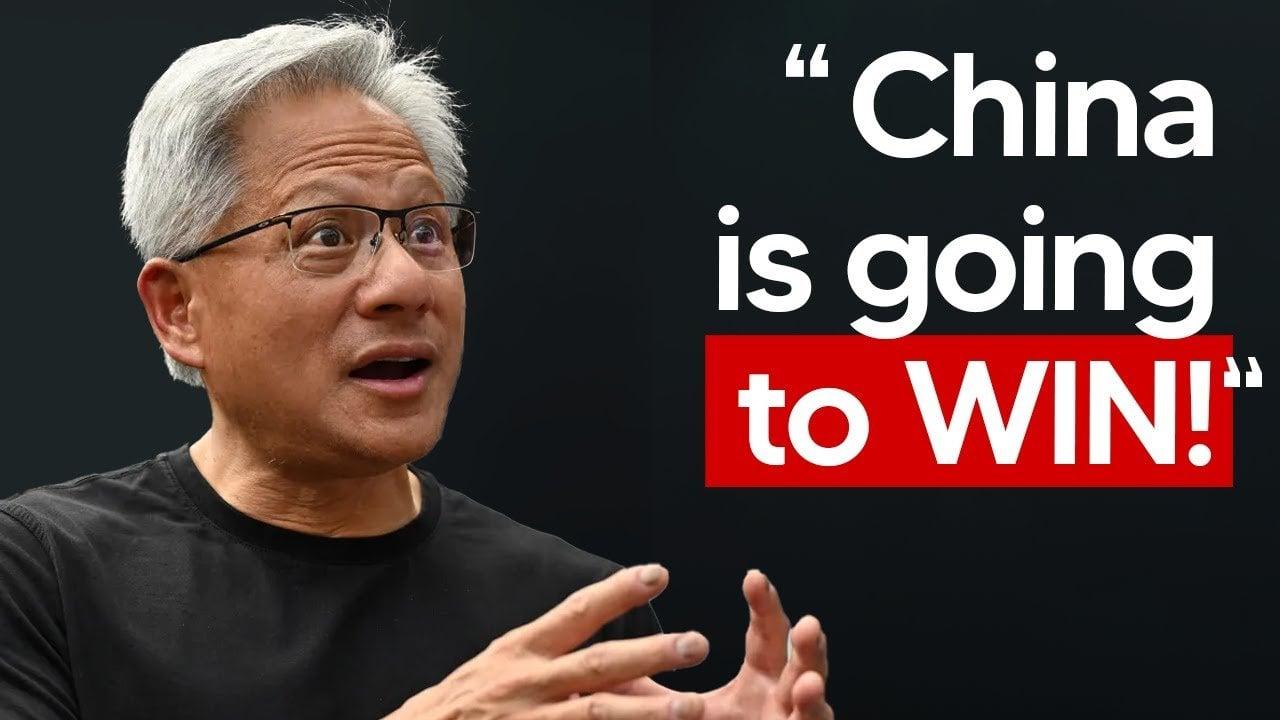
Nvidia CEO Jensen Huang has repeatedly cautioned that China's AI capabilities could catch up due to cheaper power and fewer regulatory barriers. Huang noted that China's low-cost, heavily subsidized power and fast-moving regulatory system provide structural advantages in AI development
3
.
Source: Geeky Gadgets
The impact of U.S. export restrictions has been severe for Nvidia's China operations, with Huang revealing that the company's market share in China fell from roughly 95% to almost nothing after export rules tightened and Beijing barred foreign AI chips from state-funded data centers
3
.Divergent Strategic Approaches
The competition reveals fundamentally different approaches to AI development. The United States focuses heavily on achieving artificial general intelligence (AGI), pursuing ambitious long-term goals that involve significant risks and investments. China, conversely, prioritizes practical and immediate AI applications, integrating the technology into manufacturing, logistics, and healthcare to achieve measurable economic benefits while building a foundation for future advancements
2
.References
Summarized by

Navi
Related Stories
Nvidia CEO Jensen Huang Warns China Could Win AI Race Amid Trade War Tensions
06 Nov 2025•Policy and Regulation

Nvidia CEO warns China's AI infrastructure advantage could reshape the global AI race
07 Dec 2025•Business and Economy
Michael Burry warns Nvidia's power-hungry AI chips could hand China the edge in global AI race
22 Dec 2025•Technology

Recent Highlights



Recent Highlights
Today's Top Stories






Don’t drown in AI news. We cut through the noise - filtering, ranking and summarizing the most important AI news, breakthroughs and research daily. Follow topics that matter to you and stay ahead.


