Nvidia CEO Jensen Huang defends selling AI chips to China amid national security debate


10 Sources
[1]
Nvidia CEO Jensen Huang 'nearly lost his composure' when pressed on selling chips to China -- 'You're not talking to someone who woke up a loser'
The Nvidia boss says that keeping Chinese AI researchers using the American tech stack is a good thing for the U.S. Nvidia CEO Jensen Huang got into a heated debate during a recent podcast, during which he talked with Dwarkesh Patel about whether the U.S. should be selling chips to China. During
[2]
Nvidia's Huang Says Mythos Shows Need for US-China AI Dialogue
Nvidia Corp. Chief Executive Officer Jensen Huang said that Anthropic PBC's Mythos breakthrough shows that the US should seek greater cooperation with China so artificial intelligence researchers in the world's two largest economies can agree on how to safely use the increasingly powerful
[3]
Nvidia's Jensen Huang warns DeepSeek running on Huawei chips would be 'horrible outcome' for America
In short: Nvidia CEO Jensen Huang warned on the Dwarkesh Podcast that DeepSeek optimising its AI models for Huawei's Ascend chips instead of American hardware would be "a horrible outcome" for the United States, as the Chinese AI lab prepares to launch its V4 foundation model on Huawei's Ascend
[4]
'They have ghost cities, they have ghost data centers too': Nvidia CEO Jensen Huang warns of "enormous" China compute capacity - but says 'we want the United States to win'
* Nvidia CEO Jensen Huang urges caution over China compute capacity * China has "enormous" amounts of compute, including lots going unused * Huang says China training a Mythos-esque model could cause issues Nvidia CEO Jensen Huang has warned of the potential threat China poses in terms of
[5]

Nvidia CEO Loses His Cool at Tough Question
Can't-miss innovations from the bleeding edge of science and tech Look, being CEO of the largest company by market cap in the world isn't a cakewalk. It takes a tough person not to crack under that kind of pressure -- just ask Nvidia CEO Jensen Huang, who blew his stack when asked about China on a
[6]

Jensen Huang says China Can Build Claude Mythos AI Models
The amount of capacity and the type of compute it was trained on is "abundantly available in China," said the Nvidia CEO. Nvidia CEO Jensen Huang has warned that China already has the computing power and data center capacity necessary to train an AI model at the same level as Anthropic's AI model
[7]

Nvidia CEO Jensen Huang loses his cool -- here's what sparked it
Nvidia CEO Jensen Huang spoke in a podcast about selling AI chips to China and global tech competition. He explained that China already has strong computing power and stopping chips may not work. He said companies must keep improving and stay ahead. The discussion also showed tension as different
[8]

Jensen Huang Warns Against Victimizing China Or Perceiving Them As Adversary: Nvidia CEO Wants US To Win,
China Already Has The AI Resources, Huang Says Speaking in a conversation with Dwarkesh Patel, Huang pushed back on the idea that restricting AI chip exports would significantly slow China's progress. He noted that China already has substantial capabilities, including a strong semiconductor base
[9]
Nvidia CEO Jensen Huang warns against curbs on US chip sales to China - The Economic Times
Nvidia chief executive Jensen Huang has cautioned against US restrictions on advanced chip exports to China, warning that the curbs are accelerating Chinese capabilities and hurting American companies. The statements were made on a podcast hosted by Dwarkesh Patel on April 15.Nvidia chief executive
[10]

NVIDIA CEO Jensen Huang Urges Direct US-China AI Talks as Mythos Raises Safety Fears
NVIDIA and Anthropic differ on China Chip Export Policy Issues Over the past year, Huang has asked the Trump administration to ease some export restrictions on NVIDIA chip sales to China. Those restrictions were introduced on national security grounds and limited access to the company's most
Share
Copy Link
Nvidia CEO Jensen Huang pushed back forcefully against critics questioning whether selling AI chips to China threatens U.S. national security. During a heated podcast exchange, Huang argued that keeping Chinese developers on the American tech stack is essential for maintaining AI dominance, warning that export restrictions could backfire by accelerating an independent Chinese tech ecosystem built around alternatives like Huawei's Ascend chips.
Nvidia CEO Confronts Critics Over China Chip Sales
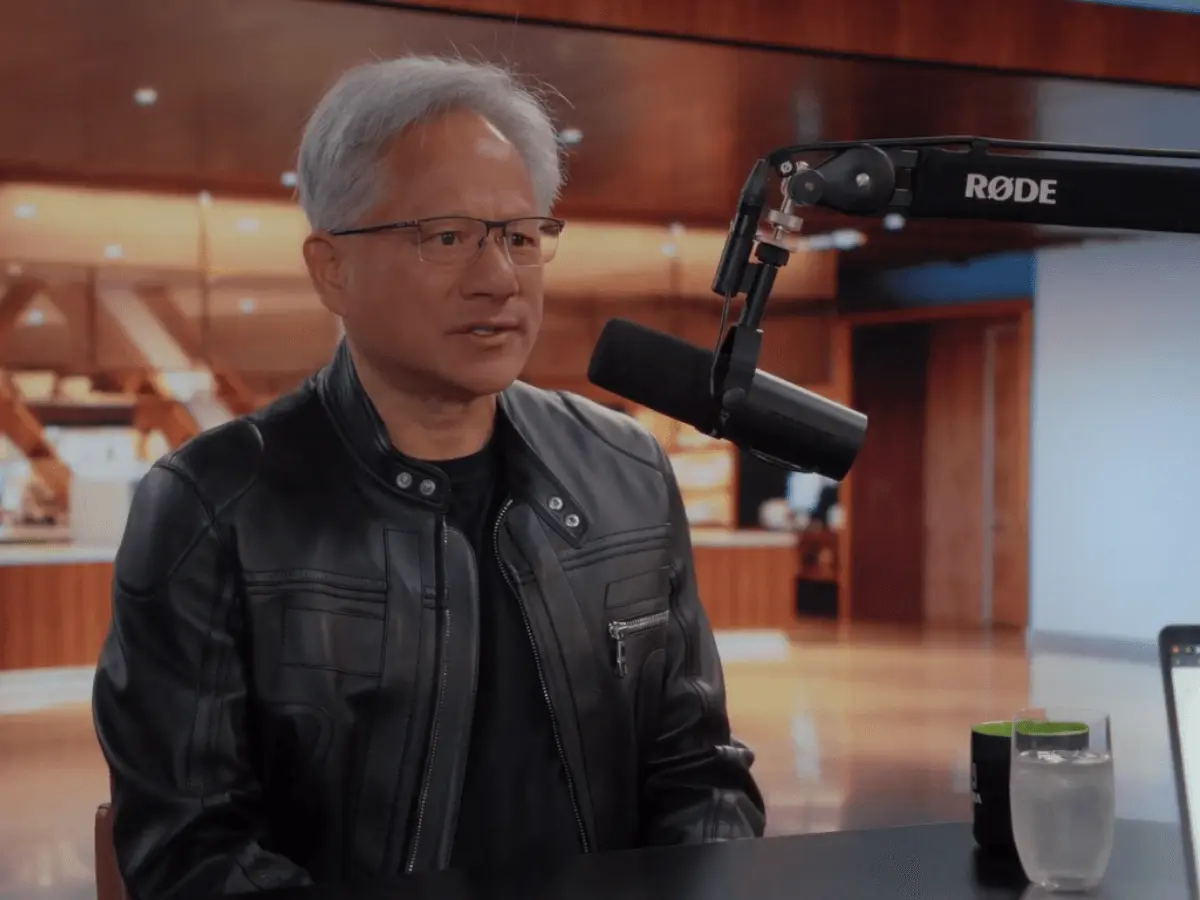
Nvidia CEO Jensen Huang delivered a spirited defense of selling AI chips to China during a recent appearance on the Dwarkesh Patel podcast, nearly losing his composure when pressed on whether such sales pose national security implications for the United States
1
. When Dwarkesh Patel suggested that giving China access to Nvidia's powerful processors could enable cyber-offensive capabilities, citing Anthropic's Claude Mythos model as evidence of AI's potential to discover "thousands of zero-day vulnerabilities" in major operating systems, Jensen Huang rejected the premise outright. "You're not talking to somebody who woke up a loser," Huang said, dismissing what he called a "loser attitude" that assumes Nvidia would inevitably lose the Chinese market1
.
Source: ET
American AI Tech Stack at Risk from Export Controls
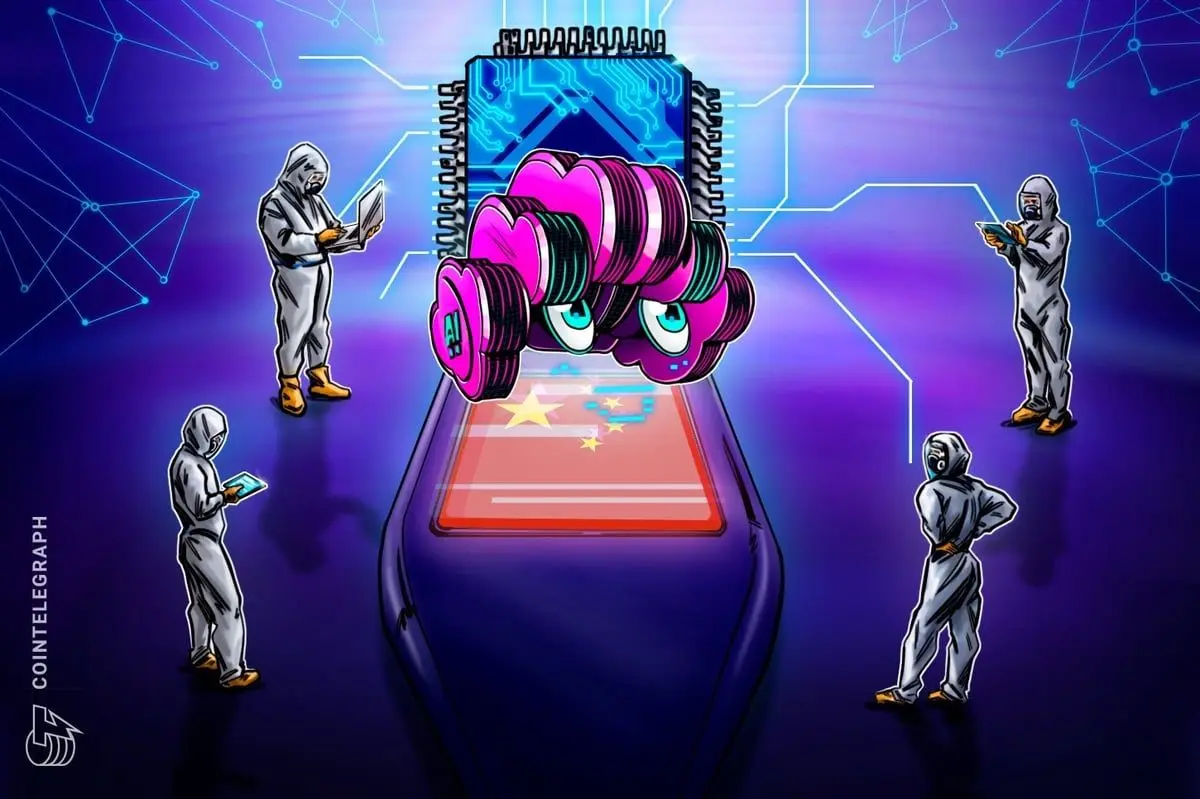
The Nvidia chief's core argument centers on maintaining global developers' dependence on the American AI tech stack. Huang warned that export controls on AI chips could backfire by forcing China to build an independent Chinese tech ecosystem around alternatives like Huawei's Ascend chips
3
. "We want to make sure that all the AI developers in the world are developing on the American tech stack, and making the contributions, the advancements of AI -- especially when it's open source -- available to the American ecosystem," Huang explained1
. He characterized the alternative scenario, where an open-source ecosystem runs only on foreign technology while a closed ecosystem runs on American infrastructure, as "a horrible outcome for the United States"1
.
Source: Cointelegraph
China Compute Capacity Renders Export Restrictions Ineffective
Huang challenged the effectiveness of current export restrictions, arguing that China already possesses enormous China compute capacity that makes chip bans largely symbolic
4
. "They have datacenters that are sitting completely empty, fully powered," Huang said. "You know, they have ghost cities, they have ghost data centers too"4
. He noted that the compute power required to train Anthropic's Mythos model is "fairly mundane" and "abundantly available in China," emphasizing that the country can compensate for less advanced chips through sheer scale by ganging up more processors2
. China's "abundant energy" resources, massive manufacturing capacity, and large pool of AI researchers mean export controls cannot prevent the development of frontier AI models, only shift where they're developed4
.Related Stories
DeepSeek Migration Threatens Software-Hardware Dependency
The emergence of DeepSeek's partnership with Huawei illustrates Huang's concerns about losing software-hardware dependency that has underpinned AI dominance. DeepSeek is preparing to launch its V4 foundation model on Huawei's Ascend 950PR processor, having spent months rewriting core code to work with Huawei's CANN framework instead of Nvidia's CUDA ecosystem
3
. This migration breaks the dependency that has functioned as a second layer of American control over AI development beyond the chips themselves. Huang warned that if DeepSeek optimizes its models for Huawei's Ascend chips rather than American hardware, and "AI diffuses out into the rest of the world" with Chinese standards, China "will become superior to" the US3
. While Huawei's chips currently deliver only 60% of the inference performance of Nvidia's H100 and represent just 3 to 5% of Nvidia's aggregate computing power, the software optimization demonstrates an alternative path that doesn't depend on Nvidia at any supply chain point3
.Huang Advocates for US-China AI Dialogue on Safety
Beyond commercial arguments, Nvidia CEO Jensen Huang called for greater US-China AI dialogue to coordinate on AI safety research, particularly in light of cybersecurity risks demonstrated by Claude Mythos
2
. "We want the United States to win, but I think having a dialogue and having a research dialogue is probably the safest thing to do," Huang said. "It is essential that we try to both agree on what not to use the AI for"2
. He expressed concern that US-China tensions have impeded crucial coordination: "This is an area that is glaringly missing because of our current attitude about China as an adversary. It is essential that our AI researchers and their AI researchers are actually talking"4
. Nvidia has invested $10 billion in Anthropic, whose CEO has taken the opposite position, calling the December decision to allow H200 chip sales to China a "mistake"2
. Yet China has been blocking H200 imports to protect Huawei's domestic chip business, and Nvidia's CFO confirmed no revenue from China H200 sales, suggesting export controls may be accelerating rather than preventing the development of Chinese alternatives3
5
.
Source: TechRadar
References
Summarized by

Navi
[1]
[3]
[5]
Related Stories
Nvidia CEO Urges AI Export Rule Revision Amid Global Competition and China's AI Advancements
01 May 2025•Technology
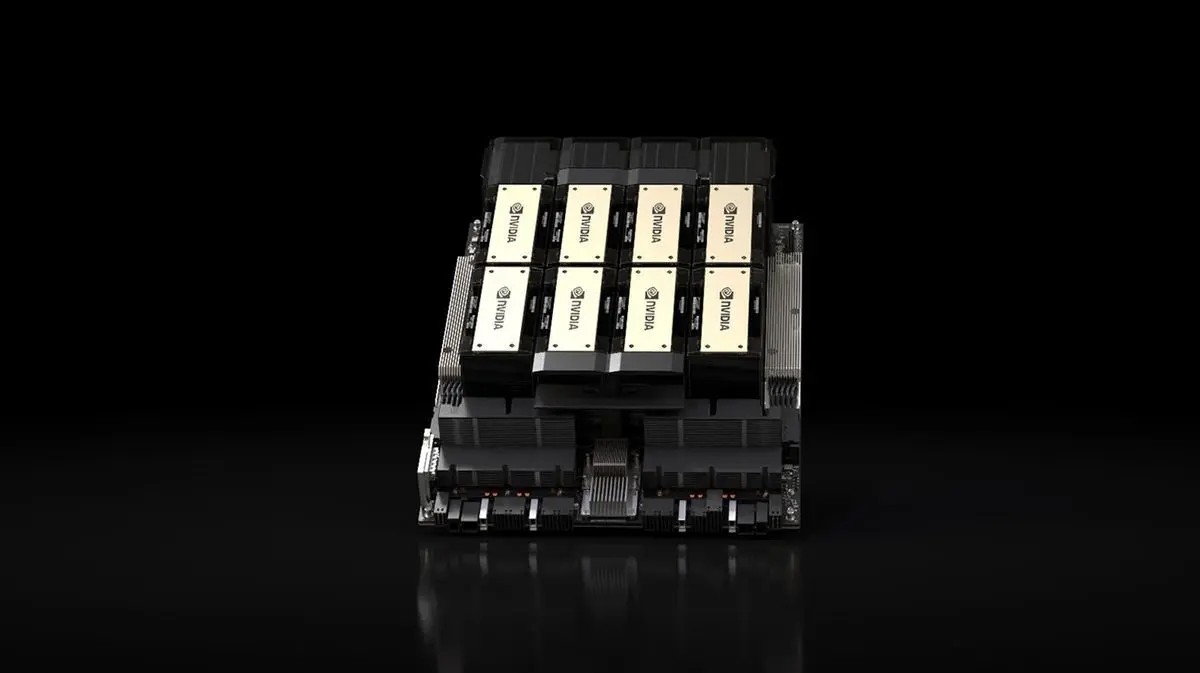
Nvidia loses entire China market as Huawei AI chip sales surge 60% to $12 billion
29 Apr 2026•Business and Economy
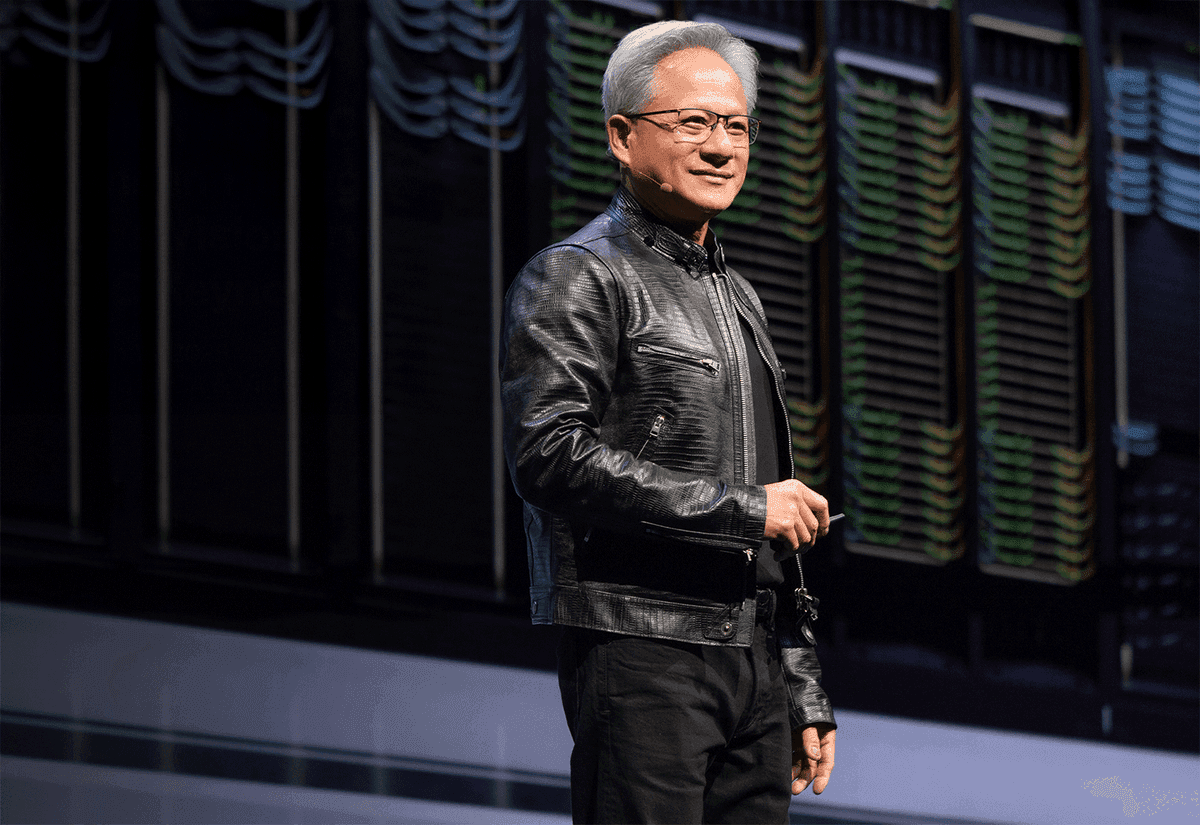
Nvidia CEO Jensen Huang Pushes for China Market Access Amid Ongoing Trade Restrictions
29 Oct 2025•Business and Economy
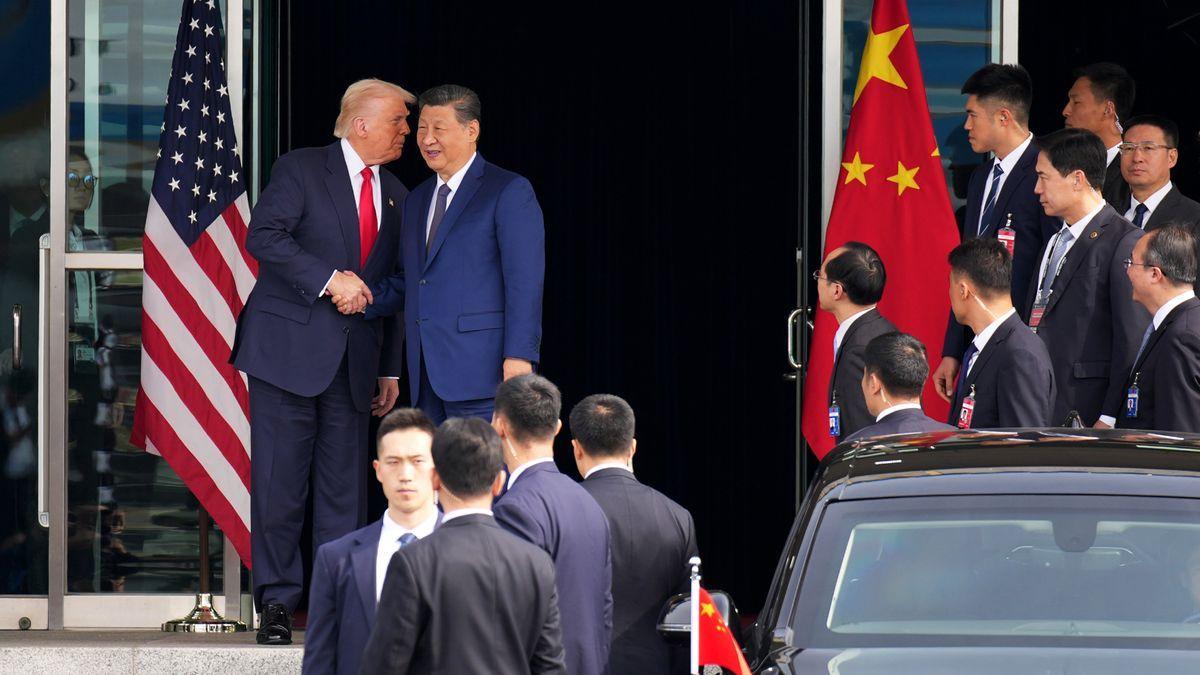
Recent Highlights



Recent Highlights
Today's Top Stories





Don’t drown in AI news. We cut through the noise - filtering, ranking and summarizing the most important AI news, breakthroughs and research daily. Follow topics that matter to you and stay ahead.


