Ray Dalio Warns of AI-Driven Inequality, Calls for Redistribution Policy


2 Sources
[1]
Ray Dalio calls for 'redistribution policy' when AI and humanoid robots start to benefit the top 1% to 10% more than everyone else | Fortune
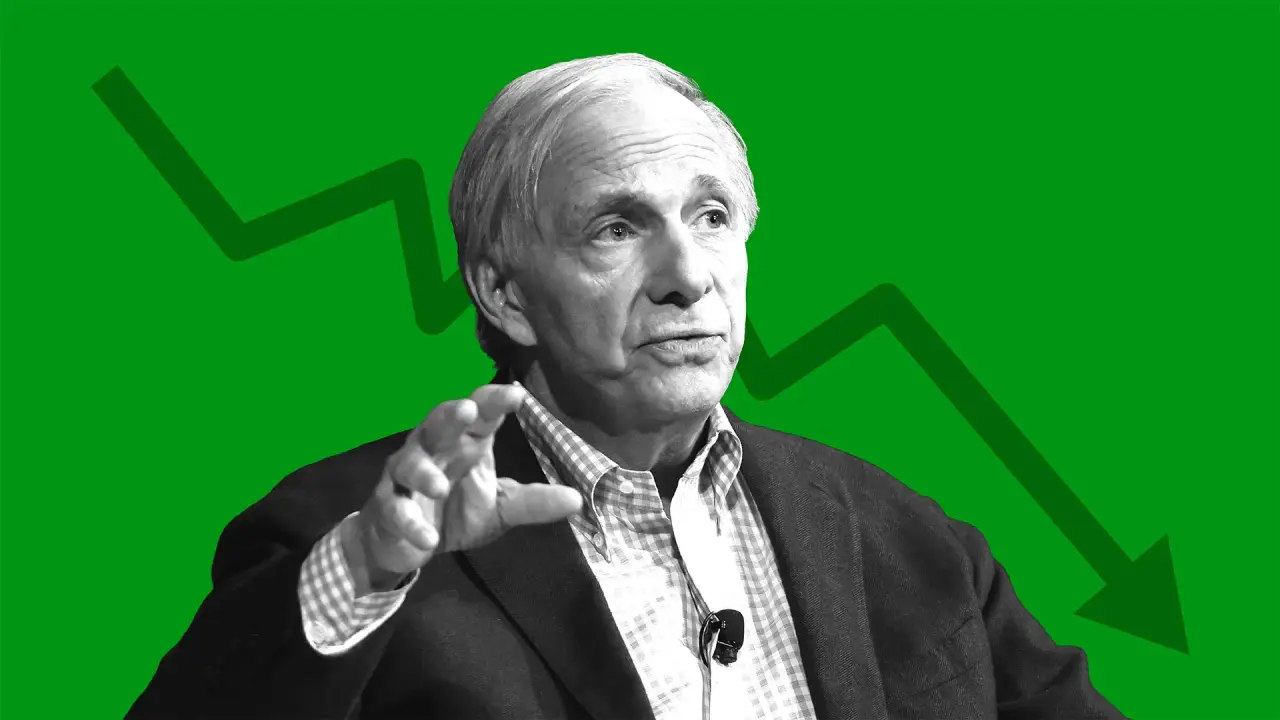
Legendary investor Ray Dalio, founder of Bridgewater Associates, has issued a stark warning regarding the future impact of artificial intelligence (AI) and humanoid robots, predicting a dramatic increase in wealth inequality that will necessitate a new "redistribution policy". Dalio articulated his
[2]
Ray Dalio Warns AI Will Create Unprecedented Inequality: 'Limited Number Of Winners' - Microsoft (NASDAQ:MSFT), NVIDIA (NASDAQ:NVDA)
Ray Dalio, founder of Bridgewater Associates, warned on Thursday that artificial intelligence will lead to unprecedented inequality, benefiting only the wealthiest 1% to 10% of Americans, while displacing millions of workers across various industries. Speaking on "The Diary of the CEO" podcast,
Share
Copy Link
Legendary investor Ray Dalio predicts AI and humanoid robots will significantly benefit the top 1-10%, potentially leading to societal challenges and the need for a new redistribution policy.

AI's Impact on Wealth Inequality
Ray Dalio, the legendary investor and founder of Bridgewater Associates, has issued a stark warning about the future impact of artificial intelligence (AI) and humanoid robots on society. Speaking on "The Diary Of A CEO" podcast, Dalio predicted that these advanced technologies would significantly benefit the top 1% to 10% of the population more than everyone else, potentially leading to profound societal challenges
1
.Dalio described a future where highly intelligent robots with PhD-level knowledge could render many current professions obsolete, questioning the need for lawyers, accountants, and medical professionals. He stated, "We will not need a lot of those jobs," highlighting the potential for "great advances" but also "great conflicts"
1
.The Need for Redistribution Policy
In light of these predictions, Dalio emphasized the necessity for a new "redistribution policy." He clarified that this policy should go beyond just redistributing money, as "uselessness and money may not be a great combination"
2
. The billionaire hedge fund manager stressed the importance of figuring out how to put people to work in a world of autonomous agents1
.Dalio's comments align with warnings from other tech leaders like OpenAI CEO Sam Altman and AI pioneer Geoffrey Hinton, who have advocated for universal basic income models. However, billionaire Mark Cuban offers a contrasting view, urging next-generation workers to "learn all you can about AI" and seize implementation opportunities rather than await policy solutions
2
.Historical Context and Future Implications
Drawing on his extensive study of history, Dalio likened the current era to previous transformative shifts, such as the transition from the agricultural age to the industrial revolutions. He expressed concern about mental labor being replaced, stating, "Our best thinking may be totally replaced." Dalio highlighted that throughout history, "intelligence matters more than anything" as it attracts investment and drives power
1
.Despite the "crazy boom" in AI and robotics, Dalio's outlook on the future of major powers like the UK and U.S. was not optimistic. He cited high debt, internal conflict, and geopolitical factors as additional concerns. While personally "excited" by the potential of these technologies, Dalio's ultimate concern rests on "human nature" and whether people can prioritize the "collective good" over greed and power hunger
1
.Related Stories

Market Implications and Critiques
Dalio's warnings come as AI stocks continue to drive market gains, with companies like NVIDIA Corporation and Microsoft Corporation benefiting from the technology boom. His inequality concerns suggest potential regulatory and taxation risks for AI-focused investments as policymakers grapple with societal impacts
2
.However, not all market watchers share Dalio's perspective. Some, like OpenAI CEO Sam Altman, have likened the AI boom to a "bubble" in some respects. Goldman Sachs has calculated that a bubble popping could wipe out up to 20% of the S&P 500's valuation. Critics like Gary Marcus argue that the current AI technology is too error-prone to be relied upon, suggesting that the bubble may be due to pop
1
.References
Summarized by

Navi
Related Stories
Ray Dalio Warns AI Bubble Mirrors 1929 and 2000 Market Crashes as SpaceX Loses $500 Billion
04 Aug 2026•Business and Economy
Palantir CEO Alex Karp warns AI could make him 20x richer while middle-class workers get modest raises
17 Jul 2026•Entertainment and Society
Anthropic CEO Warns AI Wealth Concentration Could Break Society as Cofounders Pledge 80% of Fortune
27 Jan 2026•Business and Economy

Recent Highlights



Recent Highlights
Today's Top Stories



Don’t drown in AI news. We cut through the noise - filtering, ranking and summarizing the most important AI news, breakthroughs and research daily. Follow topics that matter to you and stay ahead.


