Remedy confirms Control Resonant uses no generative AI as 52% of developers see tech as threat


2 Sources
[1]
'There is varied interest in different crafts at Remedy into investigating these AI tools', says Remedy interim CEO, but confirms Control Resonant 'does not use generative AI content at all'
He adds that the company is following AI progression to see if anything can be used "ethically" that would "add player value" Remedy interim CEO Markus Mäki has confirmed that the studio's next major title, Control Resonant, does not utilize generative AI. However, he admits that there is interest
[2]
Remedy isn't using generative AI to make Control Resonant, the studio confirms
TL;DR: Remedy's upcoming action game, Control Resonant, was developed without generative AI technology. While the studio values creative teams and player experience, it remains cautious about adopting AI in future projects, monitoring ethical considerations and potential player benefits. Control
Share
Copy Link
Remedy Entertainment's interim CEO Markus Mäki confirmed that Control Resonant was developed without any generative AI content. While acknowledging varied interest in investigating AI tools across different crafts at the studio, Mäki emphasized the company's commitment to player value and creative teams. This comes as 52% of game developers now view generative AI as a threat to the industry.
Remedy Entertainment Takes Firm Stance on Generative AI in Control Resonant
Remedy Entertainment has confirmed that Control Resonant, the studio's upcoming action game sequel, does not use generative AI content at all. The announcement came during Remedy's most recent earnings Q&A, where interim CEO Markus Mäki addressed growing concerns about AI in gaming industry adoption
1
. The confirmation arrives at a critical moment when the technology has become a hot-button topic across the games industry, with developers increasingly worried about job security and the ethical implications of artificial intelligence integration.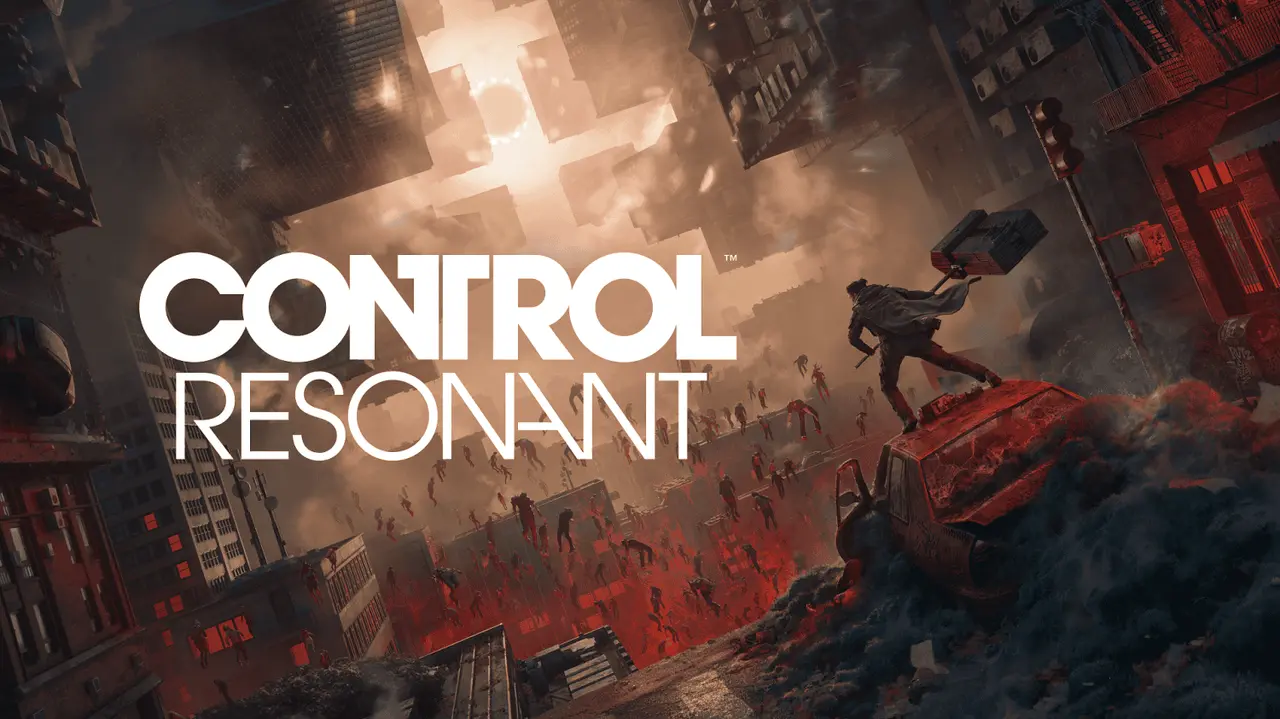
Source: TweakTown
Markus Mäki explained the studio's position clearly during the investor call, stating he is "a big believer in player value -- so doing things that really add something to the gameplay experience and player experience." He emphasized trust in creative teams at Remedy, noting they understand the best ways to deliver that value
2
. While acknowledging there is varied interest in different crafts at Remedy into investigating these AI tools, the interim CEO was unequivocal about Control Resonant's development approach. The studio actively follows generative AI progression to determine if anything can be used "ethically" that would genuinely add player value, but no such tools met those criteria for this project.Game Developer Concerns Reach New Heights
The timing of Remedy's stance reflects broader industry anxiety. The 2026 State of the Game Industry Report reveals that 52% of game developers now view generative AI as a threat to the industry, a dramatic increase from just 30% the previous year
1
. Only 7% reported positive impacts from the technology. One anonymous game developer told surveyors, "I'd rather quit the industry than use generative AI," highlighting the depth of resistance among creative professionals. These concerns stem from obvious ethical concerns of AI that impact real artists, combined with the threat of layoffs as companies shift focus toward automation technologies.Cautious Approach to Future Projects
While Remedy Entertainment maintains no generative AI content in Control Resonant, Mäki acknowledged the difficulty of making "far-reaching promises about the future." The studio continues monitoring developments to identify tools that meet both ethical standards and player benefits criteria. "We are actively following the development and seeing if there is anything that is really ethically in the right place, and is something that can add player value and that our teams want to use," Mäki explained during the earnings Q&A
1
. This measured approach suggests Remedy won't categorically reject AI tools but will prioritize creative teams' preferences and player experience over cost-cutting measures.Related Stories

Industry-Wide AI Integration Continues
Despite game developer concerns, generative AI continues spreading across the industry. The technology's presence has grown so pervasive it's even affecting hardware markets, with AI usage contributing to rising RAM costs and negative effects on hardware stock
1
. Sony AI patents recently emerged for AI-generated podcasts voiced by PlayStation characters, alongside technology that takes control of games when players get stuck. These developments signal major publishers are investing heavily in artificial intelligence integration, even as artists and developers express opposition. Control Resonant's 2026 release on PS5, Xbox Series S/X, and PC will serve as a test case for whether games built without generative AI can compete in an increasingly AI-driven market2
.
Source: TechRadar
References
Summarized by

Navi
Related Stories
Gaming industry splits on AI as EA touts creativity boost while Steam data reveals 53% review penalty
16 Jun 2026•Entertainment and Society

Capcom promises no AI-generated assets in games but will use AI to boost development efficiency
23 Mar 2026•Technology

Gaming industry splits as Dragon Age creator condemns generative AI while Epic CEO champions it
30 Jun 2026•Technology

Recent Highlights
1
Microsoft and Nvidia Launch Surface Laptop Ultra: A $2,599 AI-Ready PC With RTX Spark Chip
Technology

2
OpenAI Releases 722 AI-Generated Math Papers on GitHub, Igniting Fury Among Mathematicians
Science and Research

3
Trump Consulted Grok AI Before Ordering Venezuela Invasion and Capture of Nicolás Maduro
Policy and Regulation

Recent Highlights
Today's Top Stories









Don’t drown in AI news. We cut through the noise - filtering, ranking and summarizing the most important AI news, breakthroughs and research daily. Follow topics that matter to you and stay ahead.


