Republicans Drop Trump's Push to Block State AI Laws from Defense Bill After Party Split


6 Sources
[1]
Republicans drop Trump-ordered block on state AI laws from defense bill
A Donald Trump-backed push has failed to wedge a federal measure that would block states from passing AI laws for a decade into the National Defense Authorization Act (NDAA). House Majority Leader Steve Scalise (R-La.) told reporters Tuesday that a sect of Republicans is now "looking at other
[2]
Another bid to block state AI regulation has failed...for now | TechCrunch
The latest bid to squeeze a ban on states regulating AI into an annual defense bill has reportedly been rejected after facing bipartisan pushback. House Majority Leader Steve Scalise (R-LA) said Tuesday that Republican leaders would look for "other places" to include the measure - an effort that
[3]
Trump's push to overrule AI regulation falters as Republicans split
Lawmakers say states are in a better position to react more quickly An important conflict is playing out over whether the National Defense Authorization Act (NDAA) should block state-level AI regulations, and President Trump is pressuring Republicans to include a nationwide ban on state AI laws in
[4]
The big GOP plan to overhaul U.S. AI rules is hitting a wall
The United States Capitol building is seen in Washington D.C., United States, on November 11, 2025. (Celal Gunes/Anadolu via Getty Images) A GOP plan in Congress to bar states from regulating AI is fizzling out again. President Donald Trump revived an effort to enact a state-level moratorium on
[5]

Hawley applauds decision to drop AI-related provision from defense bill
Sen. Josh Hawley (R-Mo.), a leading Senate critic of the threat he says the artificial intelligence (AI) poses to American workers and impressionable teenagers, is applauding a preliminary decision by House GOP leaders to drop a provision barring states from regulating AI from the annual defense
[6]
Scalise says GOP leaders 'looking at other places' for AI preemption as NDAA push stalls
House Majority Leader Steve Scalise (R-La.) said Tuesday that Republican leaders are "looking at other places" to include a measure that would block state AI laws after running into difficulties adding the provision into an annual defense bill. The push to include AI preemption in the National
Share
Copy Link
President Trump's effort to insert a 10-year moratorium on state AI laws into the National Defense Authorization Act has failed after facing resistance from within his own party. House Majority Leader Steve Scalise confirmed Republicans are now searching for alternative legislative paths, while critics celebrate the preservation of states' rights to regulate emerging AI risks.
Trump's Federal Preemption Effort Collapses in Defense Bill
A Donald Trump-backed attempt to block state AI laws has failed once again, as Republicans removed the controversial measure from the National Defense Authorization Act (NDAA)
1
. House Majority Leader Steve Scalise told reporters Tuesday that the defense bill "wasn't the best place for this to fit," acknowledging that Republicans are "still looking at other places" to advance the measure2
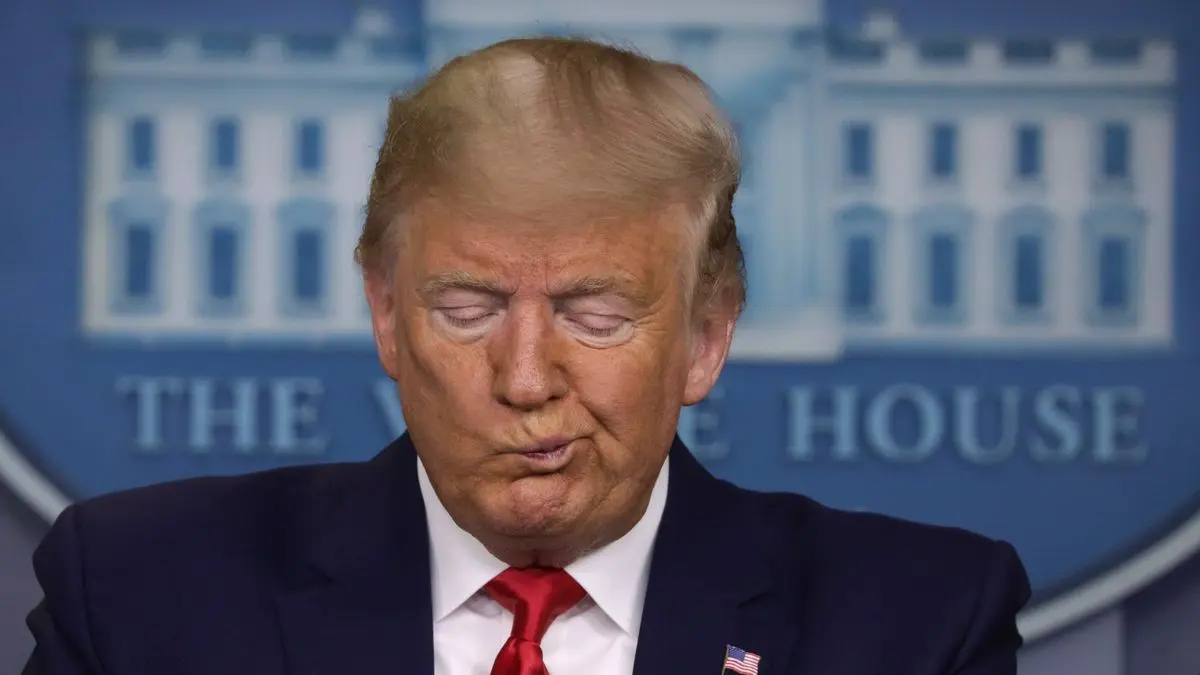
. The proposal would have established a single federal standard preventing states from regulating AI for a decade, a priority Donald Trump has repeatedly emphasized on Truth Social3
.
Source: TechRadar
For months, Trump has pressured the Republican-led Congress to implement federal preemption, arguing that a patchwork of regulations across 50 states threatens innovation and America's competitive position against China. "We MUST have one Federal Standard instead of a patchwork of 50 State Regulatory Regimes," Trump wrote last month, warning that "If we don't, then China will easily catch us in the AI race"
1
. This marks the second failed attempt after a similar provision was stripped from the "Big Beautiful" budget bill earlier this year following a 99-1 Senate vote4
.Bipartisan Opposition Derails Republican Strategy
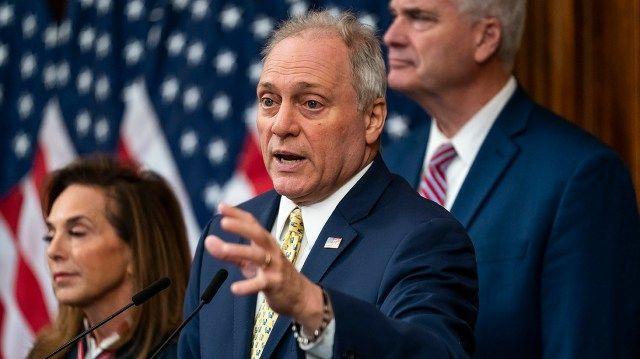
The collapse of Donald Trump's push exposed deep divisions within the Republican party over states' rights and federalism. Notable critics included Rep. Marjorie Taylor Greene, Alabama Gov. Sarah Huckabee Sanders, and Florida Gov. Ron DeSantis, who argued against limiting state authority
1
. Sen. Josh Hawley of Missouri, a leading Senate critic of AI's impact on American workers and teenagers, posted on X that "This is a terrible provision and should remain OUT"5
.
Source: The Hill
More than 200 state lawmakers urged Congress to reject the block on state AI laws, arguing that states are better positioned to act quickly on emerging technology issues. "A blanket prohibition on state and local AI and automated decision-system regulation would abruptly cut off active democratic debate in statehouses and impose a sweeping pause on policymaking at the very moment when communities are seeking responsive solutions," they wrote
3
. Senate Majority Leader John Thune called the measure "controversial," noting that "both sides are kind of dug in"5
.$150 Million Lobbying War Shapes AI Regulation Debate
Behind the legislative battle lies a $150 million lobbying war between competing visions for AI regulation
1
. Americans for Responsible Innovation (ARI), backed by safety-focused and effective altruism-aligned donor networks, leads efforts supporting state AI laws that can be passed faster than federal regulations. The group celebrated the removal from the NDAA, noting the measure "had faced backlash from a nationwide, bipartisan coalition of state lawmakers, parents, faith leaders, unions, whistleblowers, and other public advocates"1
.
Source: Quartz
On the opposing side, Leading the Future (LTF), backed by Silicon Valley's largest investors, advocates for preventing states from regulating AI and prefers a federal framework. Silicon Valley has consistently argued that state regulations create an unworkable patchwork of rules that could stymie innovation
2
. Critics counter that most state AI legislation focuses on safety, transparency, and consumer protection, and that blocking states from regulating would effectively hand control to Big Tech oversight with no safeguards2
.Related Stories

Executive Order Looms as Legislative Path Narrows
If Congress fails to find another legislative vehicle, Trump will likely release an executive order to enforce the policy
1
. A leaked draft executive order signals Trump is considering unilateral action, though those efforts have reportedly paused while Republicans search for alternative paths2
. The draft order would penalize states imposing restrictive AI rules with limited broadband funding3
.The White House remains committed to promoting AI development and could revisit the state moratorium in 2026, given the intense interest from Trump and AI companies like OpenAI
4
. Meanwhile, state-level action continues: New York's RAISE Act awaits Governor Kathy Hochul's signature, which would require companies like Google and OpenAI to submit risk disclosures and safety assessments or face fines1
. LTF has targeted the act's author, Alex Bores, planning to invest millions in ads to block his 2026 Congressional bid, underscoring how the battle over AI regulation extends beyond immediate legislative fights into future electoral contests .References
Summarized by

Navi
Related Stories
GOP Proposes 10-Year Ban on State AI Regulation in Budget Bill
13 May 2025•Policy and Regulation

Senate Rejects Ted Cruz's AI Regulation Moratorium in Overwhelming Vote
28 Jun 2025•Policy and Regulation
Proposed Moratorium on State AI Regulations Sparks Debate in US Congress
22 May 2025•Policy and Regulation

Recent Highlights



Recent Highlights
Today's Top Stories



Don’t drown in AI news. We cut through the noise - filtering, ranking and summarizing the most important AI news, breakthroughs and research daily. Follow topics that matter to you and stay ahead.


