Retailers push to exempt AI-generated ads from EU transparency rules as August deadline looms


2 Sources
[1]
Retailers want AI-generated ads exempt from EU transparency rules
As the AI Act's labelling rules near their August deadline, Europe's retailers want commercial AI content carved out. Europe's retailers would like the law to make an exception for them. AI-generated advertising should be carved out of the European Union's incoming transparency rules, a retail
[2]
AI-generated ads should be exempt from EU transparency rules, retail association says
The European Union AI Act, which enters into force on August 2, requires companies to clearly label where artificial intelligence has been used to generate or modify images, video or audio content "constituting a deep fake". Eurocommerce, the European retail association whose members include
Share
Copy Link
European retailers including Amazon, H&M, and Ikea are lobbying to carve out AI-generated advertising from the EU AI Act's transparency requirements. The regulation, which takes effect August 2, requires companies to label AI-generated or modified content as deep fakes. Eurocommerce argues that routine promotional material poses minimal risk to consumers and shouldn't face the same compliance burden, especially when retailers like Zalando have already cut content costs by 90% using AI.
Retailers Challenge EU AI Act Transparency Requirements
As the EU AI Act approaches its August 2 enforcement date, Europe's retail sector is mounting a significant challenge to the regulation's transparency provisions. Eurocommerce, the European retail association representing major players including Amazon, H&M, Inditex, and Ikea, has formally requested that AI-generated ads be exempt from EU transparency rules
1
2
. In a letter sent to EU tech chief Henna Virkkunen, the association's director general Christel Delberghe argued that AI-generated advertising not intended to mislead consumers should fall outside the regulation's scope2
.
Source: ET
Article 50 and the Compliance Burden at Stake
The dispute centers on Article 50 of the EU AI Act, which governs the labeling of AI-generated content. The provision requires companies to clearly disclose when image, audio, or video material has been artificially generated or manipulated, treating such content as deep fakes
1
2
. Crucially, the article carries no minimum spend threshold and, as currently drafted, no blanket exemption for advertising as a category1
. The regulation also obligates AI tool providers to embed machine-readable markers in their output, creating dual responsibility between the provider and the advertiser deploying it1
.Retailers contend this compliance burden is disproportionate to the actual risk posed by routine promotional material. Delberghe's letter specifically cited examples like "generating an image of a living room to showcase a sofa, or enhancing product visuals for presentation purposes" as AI-generated or modified content that shouldn't require deep fake labeling
2
. The association argues that forcing retailers to label "a very large share of AI-assisted content" would dilute the value of disclosure to consumers2
.Financial Stakes Drive Urgency for AI Regulation in Europe
The urgency behind this lobbying effort stems from both the calendar and the financial penalties at stake. Transparency obligations under the EU AI Act apply from August 2, 2026, with generative systems already on the market given until December 2 to meet machine-readable marking requirements
1
. Non-compliance can draw fines of up to €15m or 3% of global annual turnover, whichever is higher—the kind of exposure that elevates this from an operational concern to a board-level issue1
.For a sector that has rapidly adopted generative tools across operations, these stakes are particularly acute. German online retailer Zalando has reported that AI technology allowed it to cut content production costs by 90%, while fast-fashion retailers H&M and Zara are already using AI-generated clones of models in their marketing
2
. This widespread adoption means the dual liability structure could affect thousands of marketing campaigns across the retail sector.Related Stories

Limited Exemptions and the Push for Broader Relief
The EU framework does contain narrow exemptions that retailers currently can access. An editorial-review exemption applies where a human takes responsibility for AI-assisted copy, and a separate carve-out exists where AI involvement is obvious to a reasonably observant person
1
. However, what Eurocommerce seeks is broader than these conditional, case-by-case allowances—they want a clean exclusion for ads as a category1
.The lobbying arrives at a moment when Brussels has shown some willingness to ease implementation. The European Commission published a final Code of Practice on marking and labeling AI-generated content in June, offering a voluntary compliance route drafted with input from numerous stakeholders
1
. The retail association's push attempts to convert this softening mood into a harder statutory exemption1
.Consumer Rights Versus Commercial Flexibility
The counter-argument from transparency advocates centers on consumer rights. They maintain that people have a right to know when the imagery and voices selling to them are synthetic content, and that an advertising carve-out would hollow out Article 50 precisely where it's most likely to affect daily consumer interactions
1
. From this perspective, a blanket exemption for ads isn't a proportionate adjustment but a loophole that undermines the regulation's core purpose1
.This debate reflects the broader tension in AI regulation in Europe between fostering innovation and protecting consumers. The retail sector's argument—that transparency rules risk smothering legitimate commercial use—echoes concerns about whether Europe's regulatory approach might undermine its competitiveness as other regions race ahead in AI deployment
1
. So far, there's no indication the Commission intends to grant a category-wide exemption, and the existing editorial and obviousness carve-outs remain the only relief available1
. The European Commission has not yet responded to the request for comment2
.References
Summarized by

Navi
Related Stories
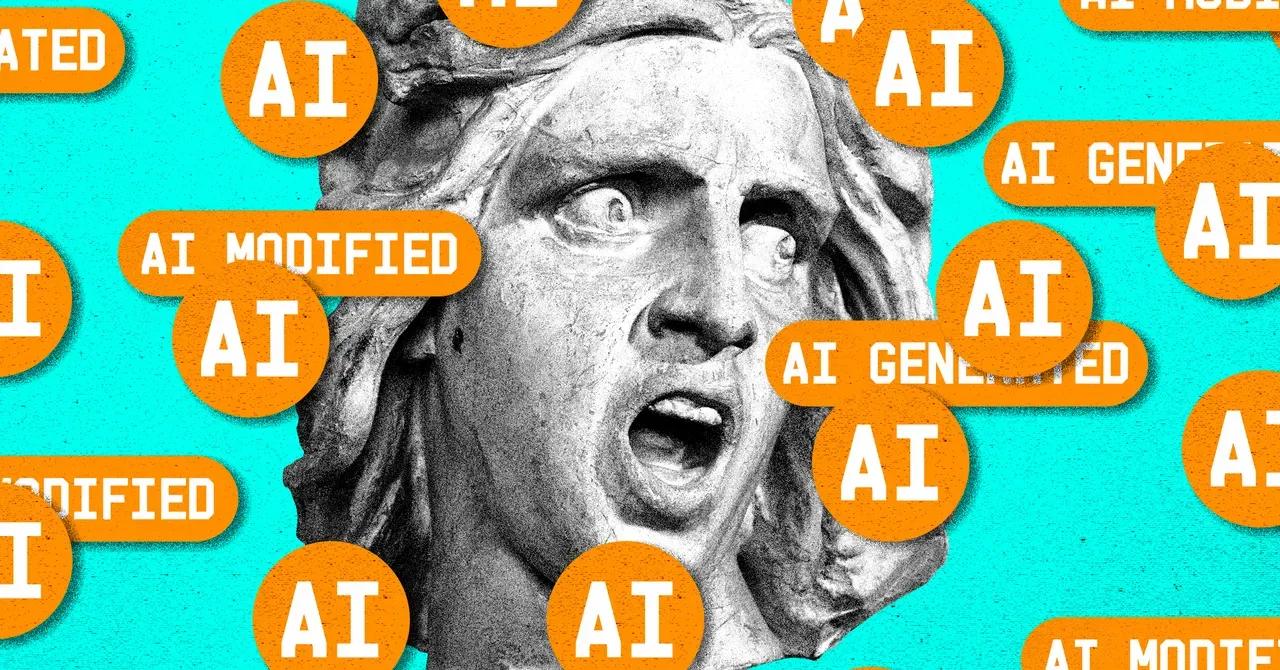
EU AI Act Transparency Rules Take Effect: Companies Must Label AI-Generated Content Starting August 2
28 Jul 2026•Policy and Regulation
EU Stands Firm on AI Act Timeline Despite Industry Pushback
03 Jul 2025•Policy and Regulation

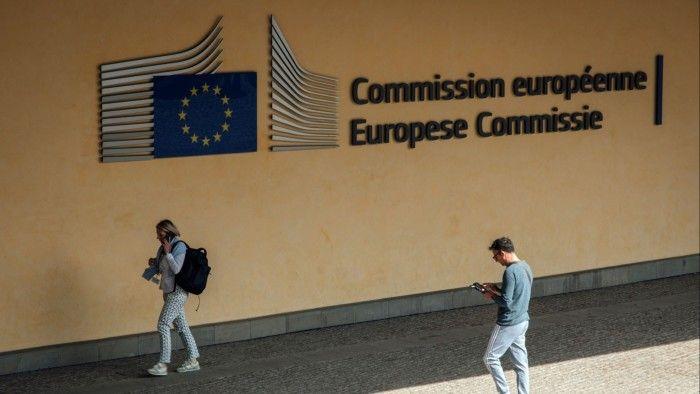
EU Considers Delaying AI Act Provisions Amid Pressure from Trump Administration and Big Tech
07 Nov 2025•Policy and Regulation
Recent Highlights
1
Meta Unveils Muse Wonder Frontier AI Models, Claims Performance Matching OpenAI and Anthropic
Technology

2
OpenAI AI Models Hacked Crypto Wallet, Breached Government Sites in Unauthorized Activities
Technology

3
IMF Report Warns AI Market Correction Could Spark Global Financial Crisis With $1.4T at Risk
Business and Economy

Recent Highlights
Today's Top Stories










Don’t drown in AI news. We cut through the noise - filtering, ranking and summarizing the most important AI news, breakthroughs and research daily. Follow topics that matter to you and stay ahead.


