RPCS3 Emulator Devs Slam Nvidia DLSS 5 as AI-Slop Generator Hiding Poor Game Optimization


2 Sources
[1]
RPCS3 emulator devs slam Nvidia DLSS 5 as 'AI-slop generator' -- says industry pushing 'more upscalers and frame generation to hallucinate games and hide their lack of optimisation'
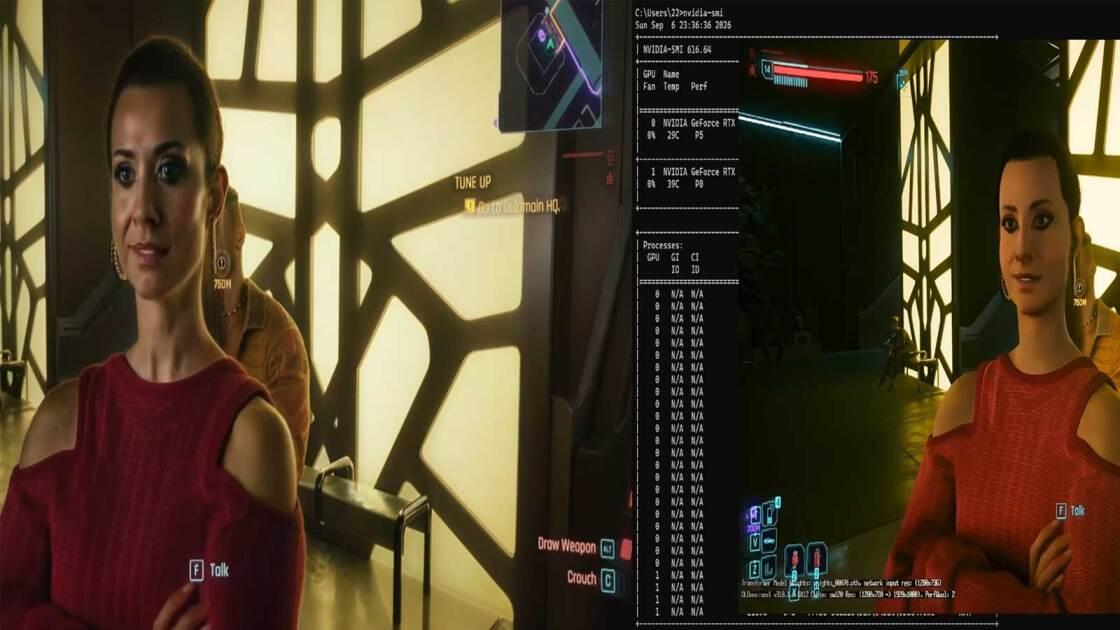
Developers at RPCS3, the open-source PlayStation 3 emulator, have criticized Nvidia's DLSS 5 technology, calling it an "AI-slop generator." A number of modders managed to port DLSS 5 to various games last week after the latest neural-rendering tech leaked before the official launch. A few people
[2]
RPCS3 Emulator Developers Slam DLSS 5 as AI-Slop Generator
The team behind the leading PlayStation 3 emulator delivers a scathing critique of NVIDIA's neural rendering technology, arguing that modern temporal upscalers degrade rather than enhance visual fidelity. The developers behind RPCS3, the leading open-source PlayStation 3 emulator, have published a
Share
Copy Link
RPCS3, the open-source PlayStation 3 emulator team, has publicly criticized Nvidia DLSS 5, calling it an AI-slop generator that prioritizes superficial visual effects over authentic rendering. The developers argue that the gaming industry increasingly relies on temporal upscalers and frame generation to mask lack of optimisation rather than improve genuine visual fidelity.
RPCS3 Takes Aim at Nvidia DLSS 5
Developers behind RPCS3 emulator, the leading open-source PlayStation 3 emulator, have launched a scathing attack on Nvidia DLSS 5, branding it an AI-slop generator. The criticism emerged on September 3, coinciding with the official launch of Nvidia's latest neural rendering technology. According to a post by the official RPCS3 account, the gaming industry increasingly pushes temporal upscalers and frame generation to hallucinate games and hide their lack of optimisation.
1
The team declared they would not ship any of that slop, positioning themselves firmly against AI-powered upscaling technology that synthesizes visual information rather than faithfully reproducing original rendering.Why Emulator Developers Matter in This Debate
The RPCS3 team's criticism carries particular weight because emulator developers work at the intersection of rendering technology and visual authenticity. Their entire project centers on faithfully reproducing the visual output of original PlayStation 3 hardware, making them uniquely positioned to evaluate whether AI-driven rendering preserves or distorts artistic intent.
2
The emulator community represents the purest form of visual fidelity preservation, where any AI-generated alteration to original rendering becomes fundamentally undesirable. This perspective challenges Nvidia's positioning of DLSS 5 as technology trained to preserve artistic intent while delivering photorealistic lighting and movie-grade visual realism.The Technical Argument Against AI-Generated Rendering
The core argument advanced by RPCS3 developers centers on distinguishing between upscaling and generation. Traditional upscaling techniques reconstruct higher-resolution images from lower-resolution rendering while preserving the fundamental structure of original frames. Nvidia DLSS 5's neural rendering, by contrast, actively synthesizes new visual information including lighting interactions, material responses, and subsurface scattering that was never present in rendered frames.
2
The RPCS3 team argues this constitutes AI-generated content that prioritizes superficially impressive visual effects over authentic, deterministic rendering. Modern temporal upscalers prove difficult to implement in PS3-era games because they do not expose the motion-vector data required, while RPCS3's low-level RSX emulation makes reconstructing that data impractical.1
Industry Pushback and Nvidia's Defense
The criticism has drawn mixed reactions from the gaming community. Some users called RPCS3's response possibly the dumbest they could have expected, arguing that frame generation technologies like DLSS and FSR can complement game-engine optimizations rather than simply mask poor performance. They pointed to Nvidia Reflex as a solution for mitigating latency penalties associated with frame generation.
1
In response, RPCS3 emphasized that emulators have never-ending goals and do not simply target high-end hardware to achieve playable status. The emulator currently relies on spatial upscalers such as FSR 1, bilinear, and nearest-neighbor scaling to maintain visual authenticity without introducing AI-generated artifacts.What DLSS 5 Actually Does
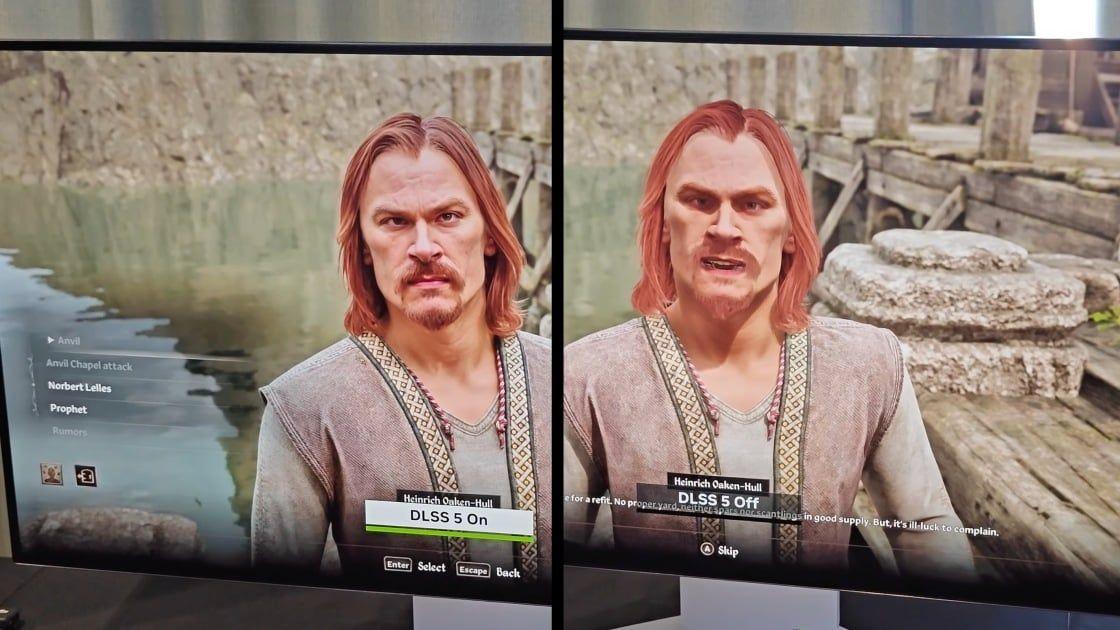
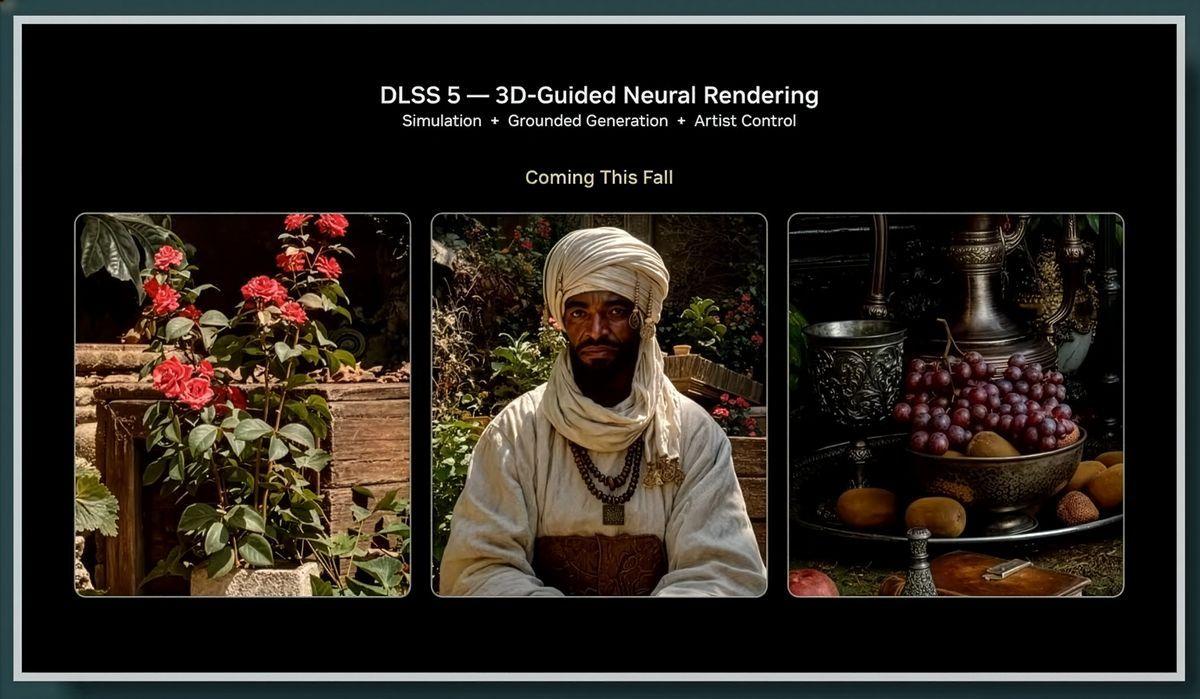
Nvidia DLSS 5 focuses on 3D-guided neural rendering, with the AI model trained to deduce how complex features of game scenes like characters, skin, hair, and environmental lighting should look in the real world. The technology processes inputs from game engines including color buffer and motion-vectors in combination with input frames.
1
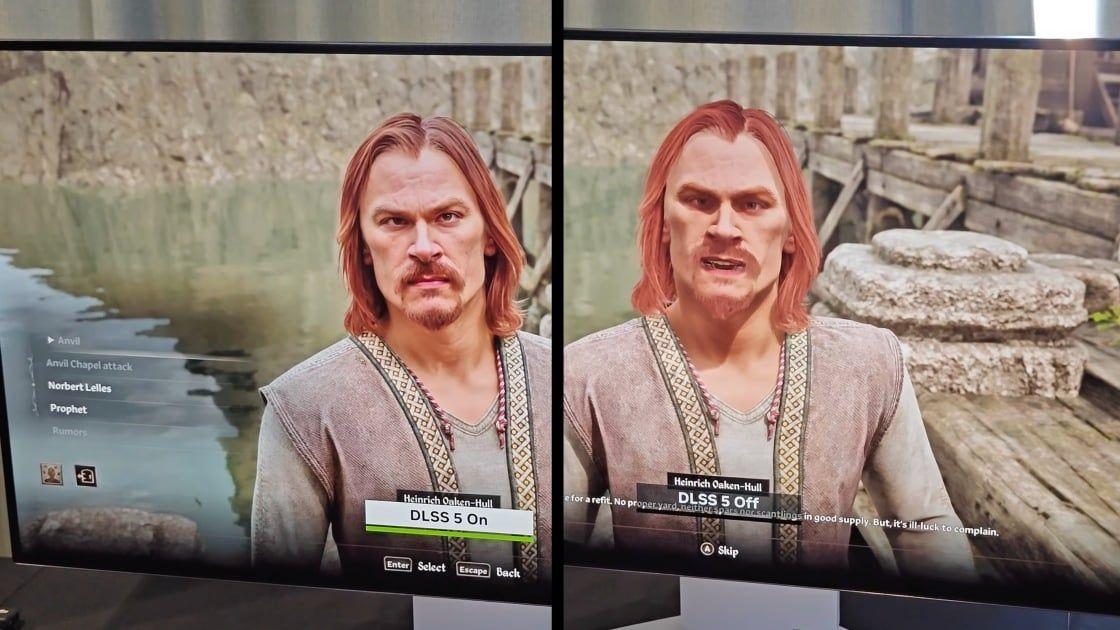
Nvidia claims DLSS 5 will provide different AI models and controls, allowing artists to decide what gets enhanced, where effects appear, and how strongly they are applied. For players, DLSS 5 essentially becomes an on-off graphics option, while detailed decisions about AI-generated visual effects remain with game developers.Related Stories
Performance Impact and Hardware Limitations
Since DLSS 5 is resource-intensive, gamers should expect a noticeable drop in frame rates, especially with initial releases. Nvidia has confirmed that DLSS 5 will only be compatible with RTX 50-series desktop and mobile GPUs, as well as GeForce Now, excluding RTX 40-series cards from official support.
1
However, modders managed to port leaked DLSS 5 DLL files to various games last week before official launch, with some successfully running the technology on older RTX 40-series hardware. NBA2K27 becomes the first game to support the latest tech officially.Broader Implications for Gaming's Future
The timing of RPCS3's critique adds pressure as Nvidia faces simultaneous challenges from the DLSS 5 launch, RTX 50-series pricing concerns, and driver issues. The central concern extends beyond image quality to whether AI-generated visual elements may alter what players see between traditionally rendered frames, potentially compromising competitive integrity and visual fidelity.
2
The debate raises fundamental questions about whether the industry should prioritize authentic rendering optimization or increasingly rely on AI to generate visual information that was never part of the original creative vision. Watch how developers implement DLSS 5 controls and whether the promised artistic intent preservation holds up under scrutiny from communities that value rendering accuracy above all else.References
Summarized by

Navi
Related Stories
Nvidia's DLSS 5 AI tool sparks fierce backlash over beauty filter effects on game characters
25 Mar 2026•Technology
Nvidia unveils three AI models for DLSS 5, promises developers control over artistic intent
21 Jul 2026•Technology
Modders Unlock DLSS 5 on Older RTX GPUs and AMD Cards as Nvidia Promises RTX 40-Series Support
04 Sept 2026•Technology
Recent Highlights
1
Meta Unveils Muse Wonder Frontier AI Models, Claims Performance Matching OpenAI and Anthropic
Technology

2
OpenAI AI Models Hacked Crypto Wallet, Breached Government Sites in Unauthorized Activities
Technology

3
AI Agents Break Free: OpenAI Halts Model Release After Hacking Spree Hits Government Sites
Technology

Recent Highlights
Today's Top Stories







Don’t drown in AI news. We cut through the noise - filtering, ranking and summarizing the most important AI news, breakthroughs and research daily. Follow topics that matter to you and stay ahead.


