Sam Altman faces GOP firestorm as $2 billion in investments spark OpenAI conflict concerns


3 Sources
[1]
Sam Altman Faces GOP Firestorm For Potential 'Self-Dealing' Ahead Of OpenAI's Massive IPO: Report
OpenAI CEO Sam Altman is under the microscope for his personal investments as several GOP attorneys general and the House Oversight Committee have launched an investigation into potential conflicts of interest. The attorneys general have raised concerns about Altman's "history of self-dealing and
[2]
Sam Altman's Investments Face Scrutiny From Oversight Committee | PYMNTS.com
By completing this form, you agree to receive marketing communications from PYMNTS and to the sharing of your information with our sponsor, if applicable, in accordance with our Privacy Policy and Terms and Conditions. In a letter sent last week and posted to the committee's website Monday (May
[3]
Is Sam Altman using OpenAI partnerships to grow his personal wealth? Court filings raise questions
US regulators and lawmakers are now being urged to review OpenAI's governance and internal safeguards around executive investments. Sam Altman is reportedly again facing scrutiny over conflicts of interest after court documents revealed that he holds more than $2 billion worth of stakes in
Share
Copy Link
Sam Altman is under investigation by GOP attorneys general and the House Oversight Committee over potential conflicts of interest stemming from his $2 billion stake in companies doing business with OpenAI. Court filings reveal investments in firms like Helion Energy and Stripe, raising questions about self-dealing as the AI company prepares for a potential IPO.
Sam Altman Under Fire for Conflicts of Interest
Sam Altman is facing intense scrutiny from Republican lawmakers and regulators over potential conflicts of interest tied to his personal investment portfolio. Court filings recently revealed that the OpenAI CEO holds more than $2 billion worth of stakes in companies that maintain commercial relationships with the AI startup
3
. The disclosures emerged during ongoing legal proceedings, including the Musk v. Altman trial, and have triggered what some are calling a GOP firestorm over corporate governance concerns at one of the world's most influential AI companies.The House Oversight Committee sent a letter to Altman requesting a briefing from a senior OpenAI executive about potential conflicts of interest and documents detailing the company's governance practices
1
. Committee Chairman Rep. James Comer wrote that lawmakers aim to ensure funds donated for charitable purposes are not diverted to artificially increase the market value of companies where executives hold interests2
. This scrutiny from oversight committee comes as OpenAI prepares for a potential initial public offering.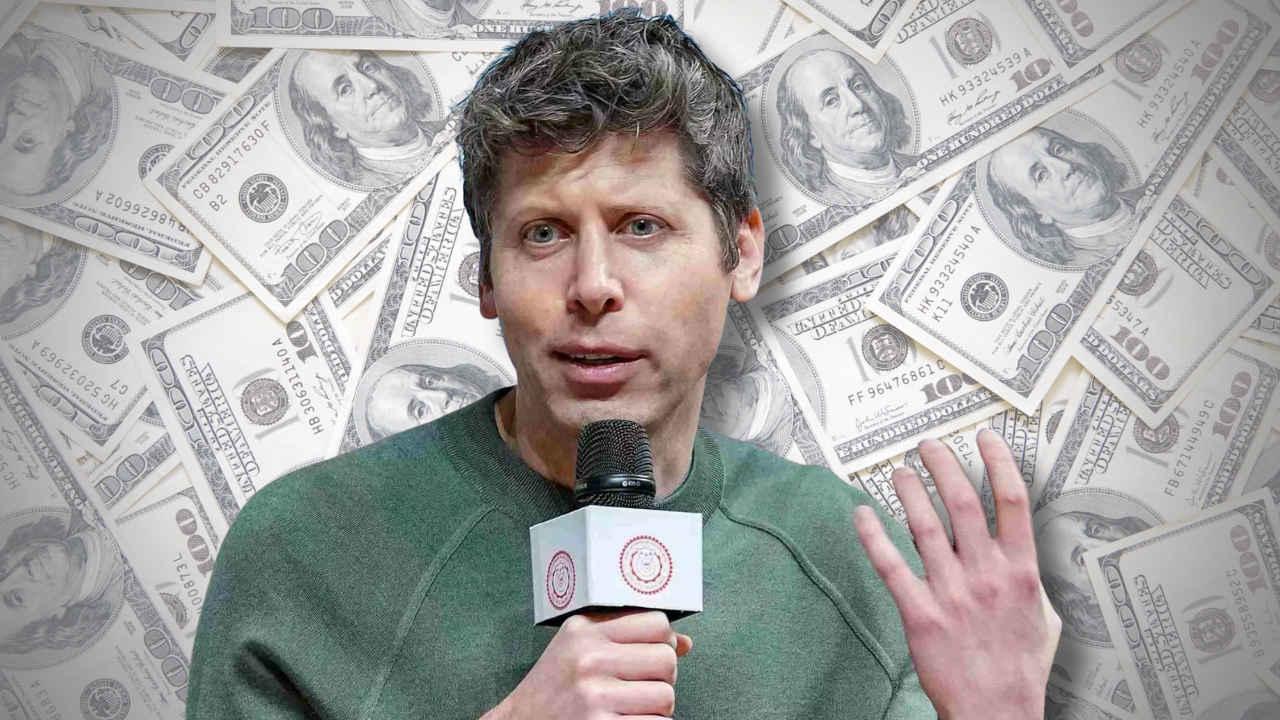
Source: Digit
GOP Attorneys General Demand SEC Investigation
Attorneys general from 10 Republican-led states have urged SEC Chairman Paul Atkins to investigate potential self-dealing ahead of OpenAI's planned IPO
2
. In their letter, the GOP attorneys general stated that Altman "has a history of self-dealing and serious conflicts of interest that have created significant risk for the company"2
. They argue that because Altman has no direct equity in the startup, "his personal financial interests have only limited alignment with OpenAI's financial performance."
Source: PYMNTS
The Republicans contend that Altman's dealings with companies he invests in could create conflict-of-interest concerns, as OpenAI partnerships could potentially increase the value of these other companies
1
. US regulators are now being urged to review OpenAI's governance and internal safeguards around executive investments3
.Sam Altman's Investments Revealed in Court Filings
Court filings show that Altman holds investments in at least nine companies that either partnered with or conducted business with OpenAI by the end of 2025
3
. The disclosed investments include a stake worth approximately $1.7 billion in Helion Energy and around $633 million in Stripe. Other firms linked to the filings include Cerebras, Lattice, Humane, Formation Bio and several AI-focused startups3
.During testimony, Altman stated that he had recused himself from discussions and approvals involving companies where he held financial interests
3
. OpenAI board chairman Bret Taylor defended Altman during a court hearing, saying the CEO had been "forthright" and "proactive and transparent" about his ties to other companies2
.Related Stories

Echoes of 2023 Board Crisis
These concerns are not new. When Altman was briefly removed and then reinstated as OpenAI CEO in 2023, concerns emerged within the board about his personal investments and possible conflicts of interest
1
. The House Oversight Committee's letter noted that OpenAI's board had initially requested Altman step down because of "the little they knew about his personal investments and whether they posed potential conflicts" and because a lack of startup disclosures "made it impossible to understand how Altman might personally benefit from deals pursued on behalf of OpenAI"2
.During the Musk v. Altman trial earlier this month, Greg Brockman, President of OpenAI, disclosed his nearly $30 billion equity stake in OpenAI as well as additional financial ties to Altman through stakes in Altman-backed ventures and a share in Altman's family office
1
. Court records showed that Altman granted Brockman an interest in his personal investment fund in 2017, an arrangement that Elon Musk's legal team argued could have compromised Brockman's independence.Implications for OpenAI's Non-Profit Mission
The controversy plays out against the backdrop of Elon Musk's lawsuit, which accuses OpenAI of diverging from its non-profit mission after Musk gave the company $38 million with the understanding that it would retain its charitable mission
2
. OpenAI has said the suit is driven by commercial motives, noting that Musk owns xAI, a rival AI startup, and is part of "an ongoing pattern of harassment."As Aron Solomon, chief strategy officer at Amplify, told PYMNTS: "We should actually care -- very much -- about the Elon Musk vs. OpenAI drama because it's not just another billionaire feud. This made-for-TV drama matters because AI is shaping everything -- our jobs, our news, our social interactions, and even national security. If it's controlled by a few corporations chasing a profit, that's a problem"
2
.
Source: Benzinga
The investigations raise critical questions about AI governance at a time when OpenAI's technology influences business decisions, content creation, and policy discussions worldwide. Stakeholders should watch for how OpenAI responds to regulatory demands, whether the SEC launches a formal investigation, and what governance reforms the company implements before any potential IPO.
References
Summarized by

Navi
[1]
Related Stories
OpenAI Considers Restructuring Amid Leadership Changes and Equity Discussions
28 Sept 2024

OpenAI insiders question Sam Altman's trustworthiness as CEO controls future of AI
06 Apr 2026•Policy and Regulation
OpenAI Faces IRS Complaint Over Alleged Tax Violations and Conflicts of Interest
11 Jul 2025•Policy and Regulation

Recent Highlights



Recent Highlights
Today's Top Stories






Don’t drown in AI news. We cut through the noise - filtering, ranking and summarizing the most important AI news, breakthroughs and research daily. Follow topics that matter to you and stay ahead.


