Samsung accelerates Yongin chip plant to 2029 as AI memory boom reshapes Korea's semiconductor race


2 Sources
[1]
Samsung pulls its first Yongin chip plant forward to 2029
The opening of the first of six fabs at the Yongin cluster moves up by one to two years, as AI chip demand rewrites Korea's construction calendar Samsung Electronics is moving to begin operations at the first chip plant in its Yongin cluster in 2029, one to two years earlier than planned, industry
[2]
Samsung Speeds Up Yongin Chip Plant Launch to 2029 amid AI Memory Boom - SK Hynix (NASDAQ:SKHYV)
Samsung Speeds Up AI Chip Expansion On Sunday, Samsung said it now plans to begin operations at its first chip fabrication plant in Yongin, south of Seoul, in 2029 instead of the previously expected 2030-2031 timeframe, Reuters reported. A Samsung spokesperson said the company intends to start
Share
Copy Link
Samsung is advancing the opening of its first Yongin chip fabrication plant to 2029, one to two years ahead of schedule, as AI-driven demand forces Korea's memory makers to compete for the same capacity window. The move sits inside an $880bn national commitment to chips, data centers and robotics, with SK Hynix targeting the same year for its new NAND facility.
Samsung Pulls Forward Yongin Chip Plant Timeline
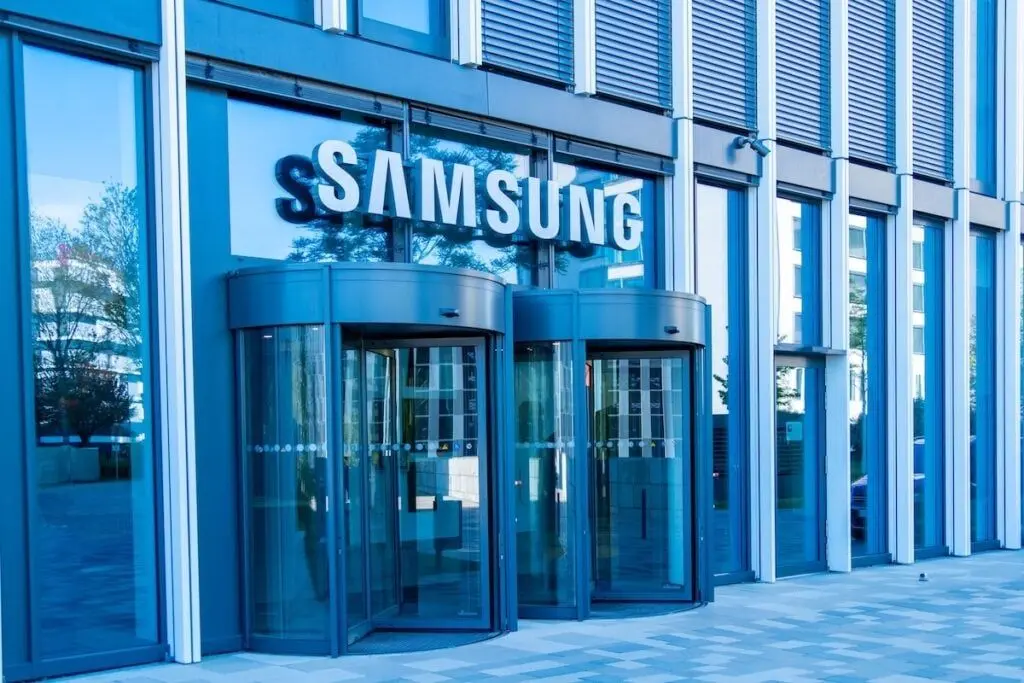
Samsung Electronics is advancing operations at the first chip fabrication plant in its Yongin National Industrial Complex to 2029, moving the schedule forward by one to two years from the original 2030-2031 target, according to industry sources cited by Yonhap
1
. A Samsung spokesperson confirmed the company intends to start operations at the facility "one to two years" ahead of its original plan2
. The Yongin cluster, located just south of Seoul, has been designated a national strategic project and will eventually house six fabs as part of Samsung's next-generation semiconductor manufacturing hub1
.The accelerated timeline reflects the surging global demand for AI chips, particularly high-bandwidth memory used in AI servers. "An earlier start of operations at the first plant will enable Samsung to respond more quickly to rapidly growing global demand for artificial intelligence chips," an industry official told Yonhap
1
. Samsung's semiconductor division has been carried almost entirely by high-bandwidth memory sold into the AI market, and the company crossed a $1 trillion market value on the strength of that single product line1
.
Source: Benzinga
South Korea Bets Big on AI Memory Boom
The pull-forward lands inside a national build-out that already carries an $880bn commitment to chips, data centers and robotics
1
. Under South Korea's "mega project" framework, Samsung said it would invest 2,030 trillion won (about $1.35tn) across its Pyeongtaek and Yongin semiconductor clusters. A further 400 trillion won is earmarked for two new chip plants in Gwangju, 270km south of Seoul1
. Under the government's strategy, South Korea aims to double its memory chip production capacity within the next five years by accelerating construction of Samsung and SK Hynix fabrication plants in Yongin while developing a new semiconductor cluster in Gwangju2
.The accelerated schedule follows the government's own decision to speed up development of the complex. Land, power and infrastructure provisioning have been the pacing items at Yongin since the chip cluster was announced
1
. The wider domestic package was unveiled on 29 June at a national reporting meeting chaired by President Lee Jae Myung1
.Memory Makers Race for Same Capacity Window
Samsung's rivals are racing for the same window. SK Hynix is spending $51bn on a new NAND plant in Cheongju, with production targeted for the first half of 2029, which means two of the world's three largest memory makers are now aiming to switch on major new capacity in the same year
1
. Micron, the third member of the global memory triumvirate, is also expanding capacity into the same AI-driven demand curve1
. Korea's mega-project framework exists in large part to stop those schedules from slipping against one another1
.What has not been solved is the grid. Korea's chip clusters have historically been held up by transmission lines rather than by lithography, and no announcement has yet confirmed that power provisioning at Yongin can be compressed by the same one to two years as the buildings
1
. Samsung has not said which products the first Yongin fab will make, whether it will run logic, memory, or both, or how the accelerated schedule affects the five plants behind it1
.Related Stories

Record Quarterly Profit Fuels Expansion
Earlier this month, Samsung estimated its April-June operating profit at 89.4 trillion won ($58.4 billion), up from 57.2 trillion won ($37.6 billion) in the previous quarter and 4.68 trillion won ($3.1 billion) a year earlier
2
. The company also forecast 171 trillion won ($112.3 billion) in revenue for the quarter, compared with 133.87 trillion won ($87.9 billion) in the first quarter and 74.57 trillion won ($49 billion) in the same period last year2
. This record quarterly profit underscores the financial strength driving Samsung's aggressive expansion into semiconductor manufacturing as the AI memory boom continues to reshape the industry. Samsung will give its next public read on capacity at its second-quarter earnings call1
.References
Summarized by

Navi
[1]
Related Stories
South Korea commits $1 trillion to AI and chip investment as memory shortages intensify
24 Jun 2026•Technology
Samsung Commits $310 Billion to AI Infrastructure with New Pyeongtaek Chip Facility
17 Nov 2025•Business and Economy

SK Hynix commits $13 billion to world's largest HBM plant as AI demand creates historic shortage
13 Jan 2026•Business and Economy
Recent Highlights
1
Meta Unveils Muse Wonder Frontier AI Models, Claims Performance Matching OpenAI and Anthropic
Technology

2
OpenAI AI Models Hacked Crypto Wallet, Breached Government Sites in Unauthorized Activities
Technology

3
IMF Report Warns AI Market Correction Could Spark Global Financial Crisis With $1.4T at Risk
Business and Economy

Recent Highlights
Today's Top Stories




Don’t drown in AI news. We cut through the noise - filtering, ranking and summarizing the most important AI news, breakthroughs and research daily. Follow topics that matter to you and stay ahead.


