Samsung Smart Glasses With Android XR Set for Mid-December US and South Korea Launch


2 Sources
[1]
Here Is When Samsung's First Android XR Glasses Could Launch
It is claimed to offer nine hours of battery life on a single charge Samsung showcased its Galaxy Glasses, apparently to be called Intelligent Eyewear, in July this year at its Galaxy Unpacked event. Samsung is yet to confirm the launch date, but a new report tells us when we should expect them to
[2]
Samsung Galaxy Glasses Could Arrive in the US and South Korea This December
The device is expected to feature Google's Gemini assistant, Android XR, voice-guided navigation and real-time translation. South Korea and the US could be among the first markets to receive the wearable. Samsung is reportedly preparing to launch its first AI-powered smart glasses in selected
Share
Copy Link
Samsung is launching its first AI-powered glasses, called Intelligent Eyewear, in mid-December in the US and South Korea. Running on Google's Android XR platform with Gemini AI, the wearable offers 9 hours of battery life and features real-time translation and voice navigation, putting Samsung in direct competition with Meta.
Samsung Smart Glasses Target Mid-December Launch in Limited Markets
Samsung is preparing to launch its first AI-powered glasses in mid-December, with South Korea and the US receiving initial availability, according to industry sources cited by BigGo Finance
1
. The Samsung Galaxy Glasses, reportedly branded as Intelligent Eyewear, will run on Google's Android XR platform and integrate Gemini AI for hands-free assistance2
. Markets including Europe and China are excluded from the first phase as Samsung plans to assess customer demand and feedback before expanding globally. This phased approach mirrors the company's strategy with the Galaxy XR headset, which launched in South Korea and the US in October before reaching the UK seven months later1
.Android XR and Gemini AI Power Core Functionality
The Samsung smart glasses showcase the company's integration with Google's ecosystem through the Android XR platform. Users will access Gemini AI for voice-guided navigation, real-time language translation, and smart note-taking capabilities
1
. Built-in cameras enable the device to capture visual information from surroundings and generate AI responses based on context2
. The wearable is powered by Qualcomm's Snapdragon AR1 Gen 1 chipset, specifically designed for lightweight augmented-reality and smart eyewear applications. Samsung first showcased the Intelligent Eyewear at its Galaxy Unpacked event in London in July, revealing the device's focus on practical, everyday AI assistance through voice commands rather than complex gesture controls.Nine-Hour Battery Life Addresses Wearable Endurance Concerns
Battery performance emerges as a critical differentiator for Samsung's entry into smart glasses. The company claims the Intelligent Eyewear delivers up to 9 hours of use on a single charge
1
. The included charging case extends usability significantly, providing up to 7 additional full charges before requiring a power outlet2
. This positions the device favorably for all-day wear scenarios where users need consistent access to real-time translation and voice-assisted navigation without frequent charging interruptions. The battery specifications suggest Samsung prioritized practical daily use over aggressive feature sets that drain power quickly.Related Stories


Design Partnerships With Gentle Monster and Warby Parker
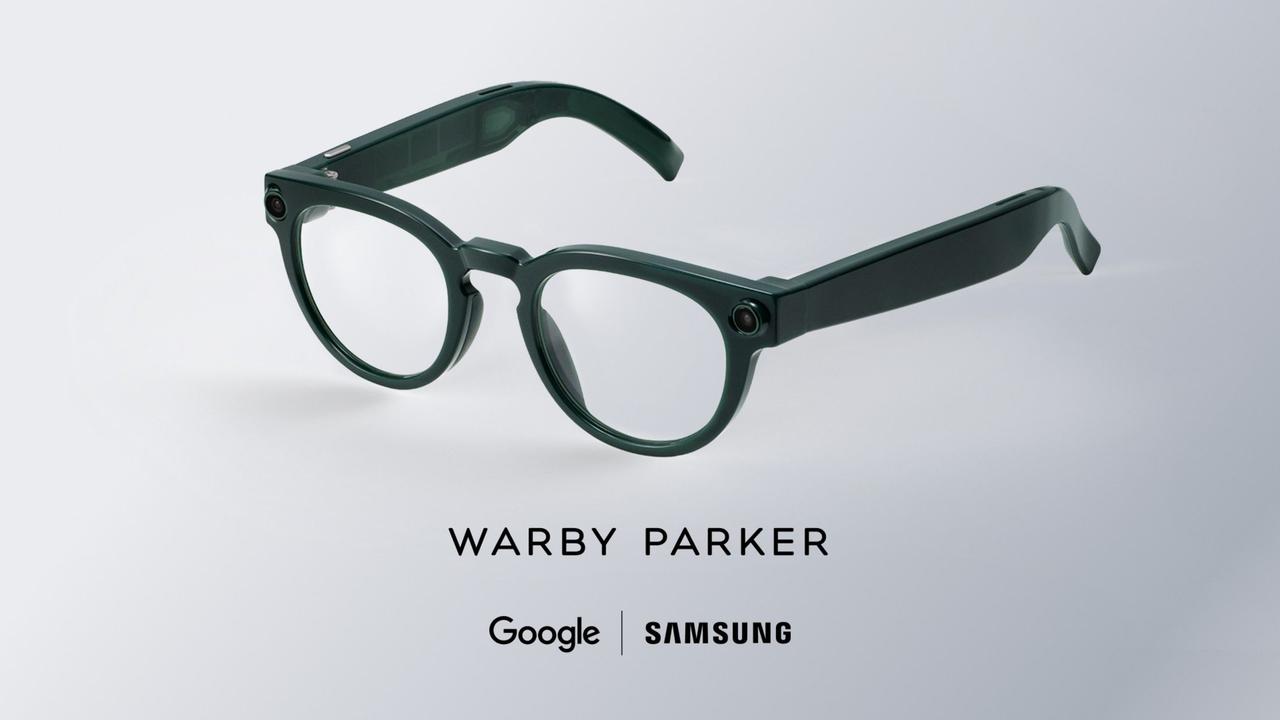
Samsung collaborated with established eyewear brands Gentle Monster and Warby Parker to develop frames that blend everyday aesthetics with smart technology
1
. This partnership aims to avoid the overtly technical appearance that plagued earlier smart glasses attempts, instead creating designs that users would wear as regular eyewear. The collaboration signals Samsung's awareness that consumer adoption depends heavily on whether the AI-powered glasses look socially acceptable in daily situations. By working with fashion-forward eyewear specialists, Samsung positions the Intelligent Eyewear as lifestyle accessories enhanced by technology rather than gadgets disguised as glasses.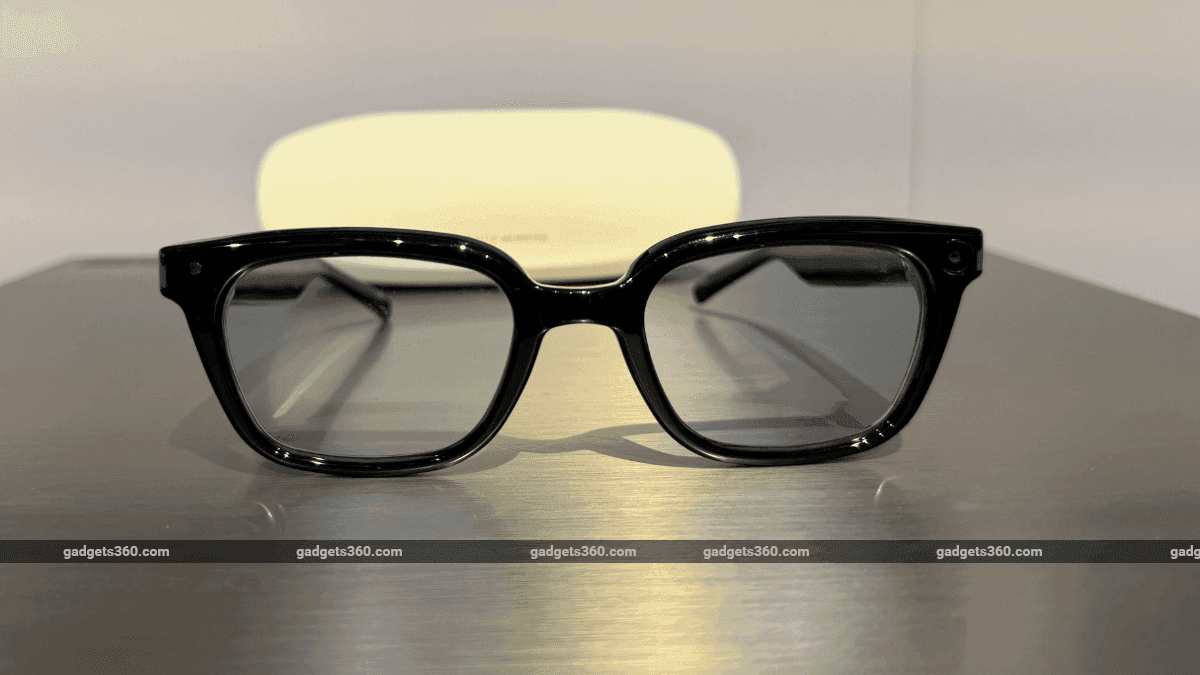
Source: Gadgets 360
Direct Competition With Meta in Growing Smart Glasses Market
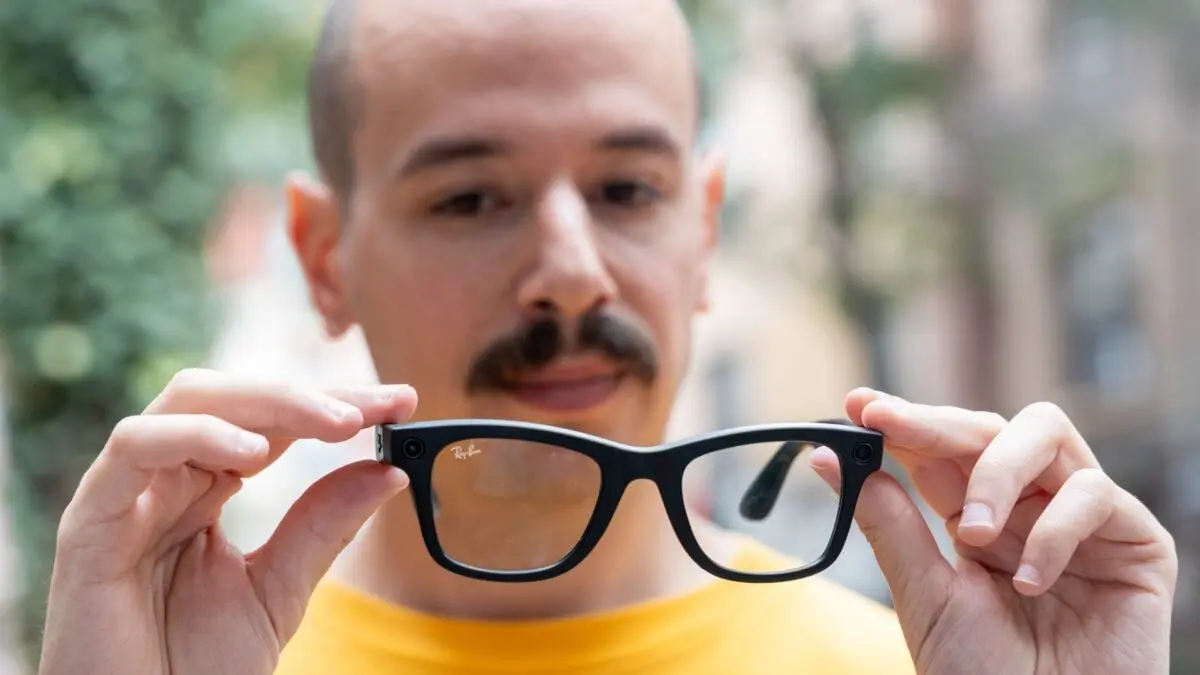
The December launch places Samsung in direct competition with Meta, which gained significant traction through its Ray-Ban collaboration
2
. Samsung's strategy leverages Google's AI technology, the Android XR platform, and potential Galaxy device compatibility to differentiate its offering1
. The limited initial launch allows Samsung to gather real-world usage data and refine the product before broader availability. Success depends on whether consumers find practical value in features like real-time language translation and smart note-taking during everyday activities. Pricing remains undisclosed, leaving questions about how Samsung will position the Intelligent Eyewear against established competitors. The phased rollout strategy suggests Samsung recognizes the smart glasses market requires careful cultivation rather than aggressive expansion, particularly as consumers evaluate whether AI features justify adoption of new wearable form factors.References
Summarized by

Navi
[1]
[2]
Related Stories
Recent Highlights
1
OpenAI's AI Models Disprove 27-Year Exponential Time Hypothesis, Rendering Decades of Research Obsolete
Science and Research

2
Google DeepMind unveils Genie 4 world model with audio and 2-minute interactive simulations
Technology

3
OpenAI Cuts Internet Access for AI Model Training After Security Breaches
Technology

Recent Highlights
Today's Top Stories





Don’t drown in AI news. We cut through the noise - filtering, ranking and summarizing the most important AI news, breakthroughs and research daily. Follow topics that matter to you and stay ahead.


