Samsung Galaxy Glasses leak shows AI smart glasses designed to take on Meta Ray-Ban collaboration


2 Sources
[1]
Samsung's answer to Meta's smart eyewear is officially hiding in plain sight
Samsung's first AI-powered smart glasses are looking a lot less mysterious, and the latest leak suggests the company is using a formula that has already proven to attract mainstream buyers. Fresh renders shared by SamMobile offer the clearest look yet at the upcoming Galaxy Glasses, revealing
[2]
Samsung Galaxy Glasses leak reveals AI-first wearable with no display and deep Galaxy integration
Samsung is reportedly working on a wearable future that lives on your face, which many tech experts have pegged as being the format that will replace the smartphone. Leaked details of the Galaxy Glasses, including a companion app and integration with existing Galaxy wearables, suggest a seamless
Share
Copy Link
Samsung's upcoming Galaxy Glasses have surfaced in new leaks, revealing a design that closely mirrors Meta's popular Ray-Ban smart glasses. The AI-powered smart eyewear features a no-display approach, deep Galaxy integration with Watch and Ring, and runs on Android XR with Google Gemini AI. The move signals Samsung's strategy to compete in the smart eyewear market by prioritizing mainstream appeal over futuristic designs.
Samsung Galaxy Glasses Adopt Familiar Design Strategy
Samsung's first AI smart glasses are taking shape with a design philosophy that prioritizes everyday wearability over futuristic aesthetics. Fresh renders shared by SamMobile reveal that the Samsung Galaxy Glasses bear a striking resemblance to Meta's Ray-Ban smart glasses, a deliberate choice that could prove to be Samsung's smartest move yet
1
. The frames feature an understated look with thick temples housing internal hardware, small camera cutouts near the frame edges, and an overall shape reminiscent of classic sunglasses. This approach addresses a persistent challenge in wearable technology: making devices people actually want to wear daily rather than gadgets that scream "tech prototype."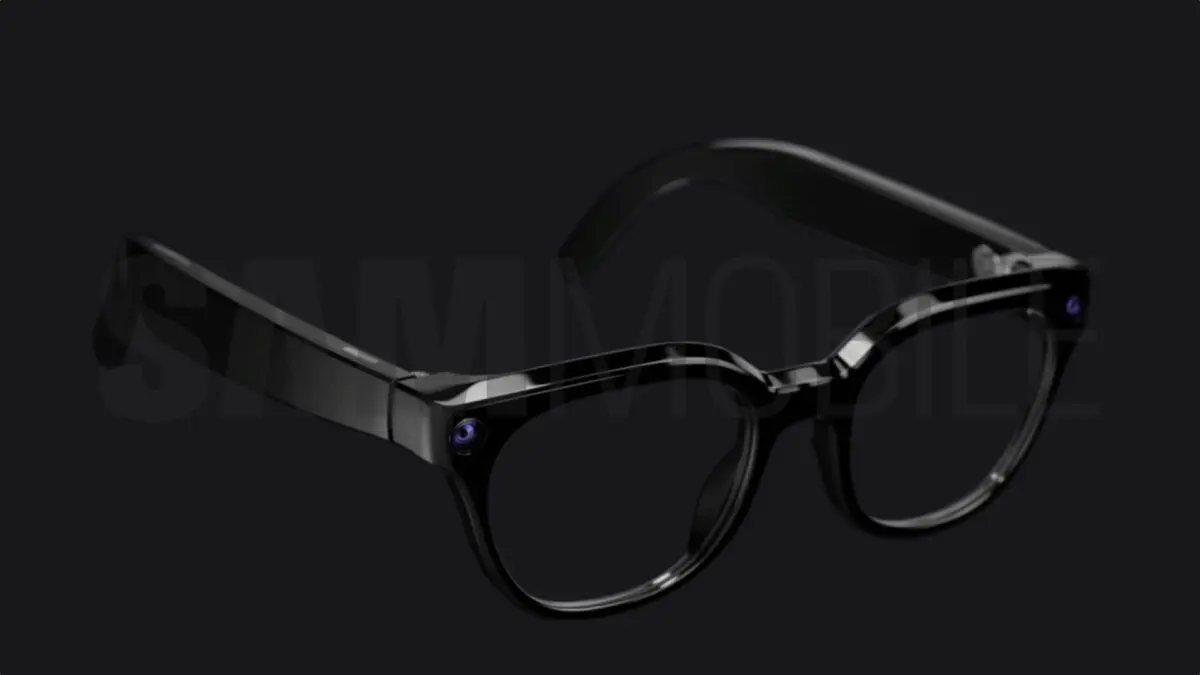
Source: Android Authority
The strategy positions Samsung as a direct Meta Ray-Ban competitor, following a proven formula that has already attracted mainstream buyers. Meta transformed the smart eyewear landscape by partnering with Ray-Ban to create glasses that fit seamlessly into daily life, and Samsung appears to be following that playbook rather than reinventing it.
AI-Powered Smart Eyewear With No Display
The Galaxy Glasses represent an AI-first, no-display approach that distinguishes them from mixed reality headsets. According to leaked details, these no-display smart glasses will run Android XR and heavily depend on Google Gemini AI for core functionality
1
. The glasses are designed for hands-free AI features including photo capture, video recording, answering questions, translating languages, playing music, and providing spoken navigation. Most processing will be handled by a connected smartphone rather than onboard hardware, keeping the glasses lighter and more comfortable for extended wear.The hardware specifications sound competitive for the category. Earlier reports indicate a 12MP camera, built-in microphones and speakers, touch controls, and photochromic lenses that automatically adjust to changing light conditions
1
. This configuration focuses on voice assistance and hands-free photo capture rather than visual overlays, betting that consumers want augmented intelligence rather than augmented reality in their daily eyewear.Deep Galaxy Integration Creates Ecosystem Advantage
What could give Samsung an edge over Meta is deep Galaxy integration across its existing wearable technology ecosystem. Leaked information about the Galaxy Glasses Manager app reveals a setup process that enables permissions and device pairing, with status displays for battery levels, software updates, and AI assistance
2
. The glasses will support automatic media syncing to Galaxy phones, allowing users to capture images and video that immediately transfer to their smartphone.Additional leaked details point to a Galaxy Watch companion app and gesture controls via the Galaxy Ring, reinforcing a tightly connected wearable ecosystem
2
. This native interoperability between apps, platforms, and services represents something Meta currently cannot offer customers, potentially making the Galaxy Glasses a more attractive option for users already invested in Samsung's ecosystem.Related Stories

Google's Ecosystem Provides Additional Leverage
Samsung has another advantage Meta cannot easily replicate: direct access to Google's ecosystem. Because the glasses run Android XR, they can tap into Google services including Google Maps, which are expected to be central to the experience for Android users
1
. Google Gemini AI will be heavily integrated with Android and other Google services, potentially offering more seamless functionality for the massive Android user base.This integration could prove significant in the short term as smart eyewear adoption accelerates. However, Meta maintains a considerable head start in AI-powered smart eyewear, thanks largely to the popularity of its Ray-Ban collaboration. Whether Samsung's ecosystem advantages and Android XR platform can overcome Meta's first-mover advantage remains the central question. If the Galaxy Glasses launch as expected, they could provide the competitive push the smart eyewear market needs to drive broader adoption beyond early adopters into mainstream consumer territory.
References
Summarized by

Navi
[1]
Related Stories
Samsung Galaxy Glasses leaked with Gemini AI integration, taking aim at Meta Ray-Ban dominance
27 Apr 2026•Technology
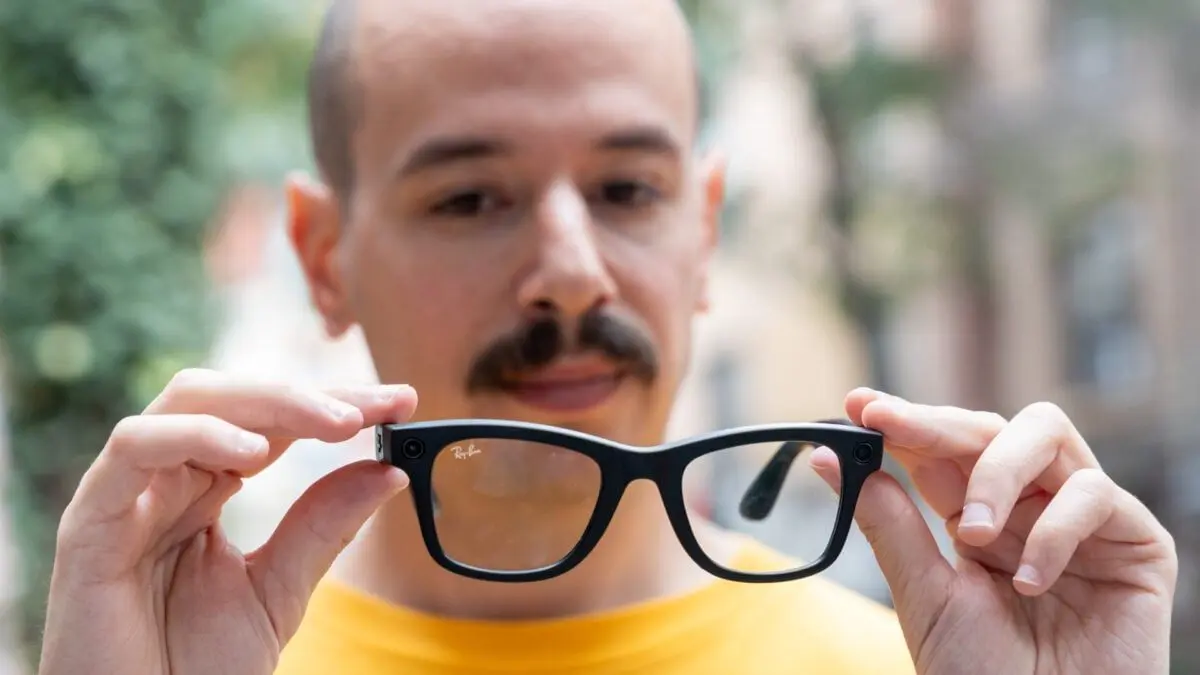
Samsung and Google Join Forces to Develop AI-Powered Smart Glasses
22 Oct 2025•Technology
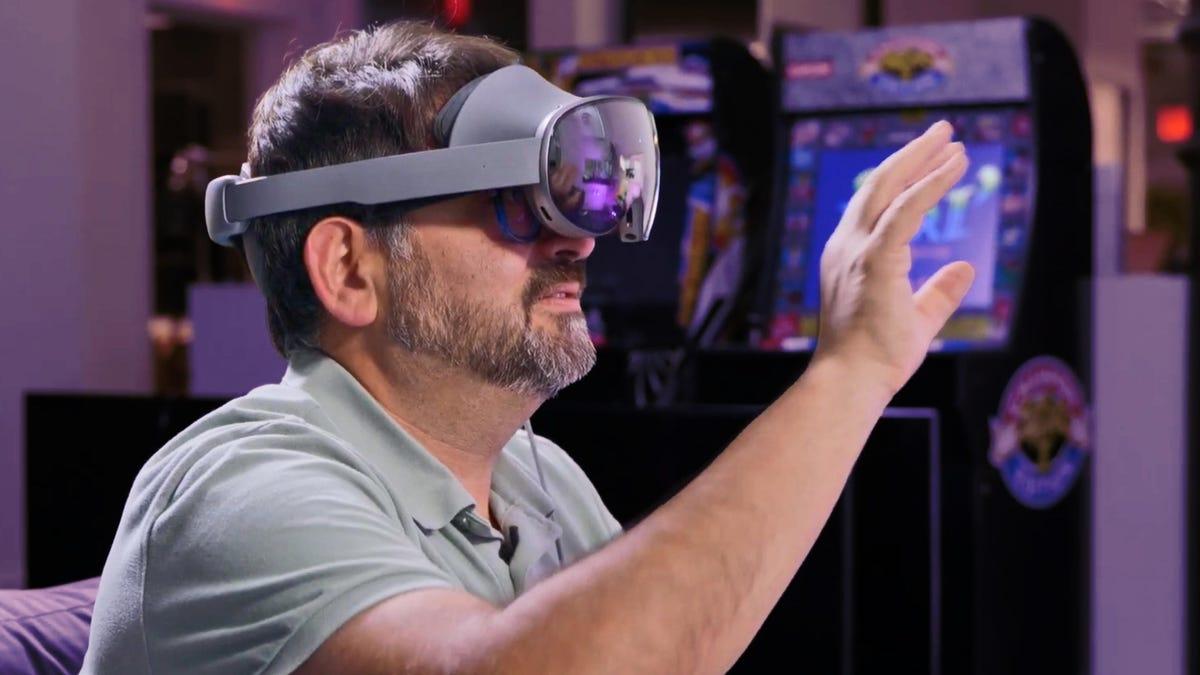
Samsung AI Glasses Set to Launch Fall 2026 with Google's Gemini AI and Galaxy Ecosystem Integration
03 Aug 2026•Technology

Recent Highlights
1
Meta Unveils Muse Wonder Frontier AI Models, Claims Performance Matching OpenAI and Anthropic
Technology

2
IMF Report Warns AI Market Correction Could Spark Global Financial Crisis With $1.4T at Risk
Business and Economy

3
OpenAI Releases 722 AI-Generated Math Solutions, Triggering Existential Crisis in Mathematics
Technology

Recent Highlights
Today's Top Stories








Don’t drown in AI news. We cut through the noise - filtering, ranking and summarizing the most important AI news, breakthroughs and research daily. Follow topics that matter to you and stay ahead.


