5 Sources
[1]
Leak Suggests Samsung Cribbed Meta's Smart Glasses Design
Samsung used to be the first one to announce new form factors. Now it just copies what everyone else is doing. With no Apple smart glasses to clone yet, the company is turning its photocopier to Meta’s Ray-Ban AI glasses. A new leak of Samsung’s supposed Galaxy Glasses suggests they won't do anything revolutionary, except maybe not violate your privacy as easily. The leak (via Android Headlines) is the first time that we're seeing alleged images of the Samsung smart glasses. Samsung is reportedly readying two pairs. The first one, codenamed Jinju (translates as “pearl†in Korean), works similarly to a pair of Ray-Ban Meta AI glasses. There are two 12-megapixel cameras near the corner of each lens for taking photos or videos. They also include speakers and a mic, built for chatting up Google’s Gemini AI. Android Authority reported last week that they found references to these smart glasses in One UI 9 source code, adding more credibility to the leak. What’s missing from this news are mentions of touchpad controls on the smart glasses’ arms or evidence of AI integrations. Still, the product renders suggest we’ll see these smart glasses sooner rather than later. Samsung's second pair of smart glasses is not expected until 2027. Dubbed “Haean†(“seacoast†in English), these smart glasses are said to have a micro LED display. The comparable Meta Ray-Ban Display have a single display in the right lens. Samsung is not alone making an Android-centric pair of smart glasses. Google is co-developing the Project Aura smart glasses with Xreal. The search giant also has other Android XR glasses likely coming this year. You likely won’t have to wait long to hear more about the benefits of Gemini AI on the go. Google’s annual I/O developer conference starts on May 19. The company isn't just copying Meta's design language; the rolloutâ€"with an established eyewear brandâ€"might be similar, too. Both Samsung and Google already announced partnerships with eyewear brands Gentle Monster and Warby Parker. Google is reportedly getting in bed with Gucci for upcoming XR glasses. The high-profile name is something smart glasses from China-based companies like Huawei can’t claim. Meta's new competition for smart glassesâ€"that now even includes Appleâ€"will also inherit privacy concerns. Meta has fueled backlash for its continuing quest to enable facial recognition tech with its latest camera glasses. Whereas Google Glass originally gave us the term “Glasshole,†the “Glasshole 2.0†may be doing more than taking photos of strangers at a bar (as if that wasn’t bad enough). We have yet to see how either company handles the privacy question. As for whether the data you send to Gemini is off limits, that ship has unfortunately already sailed.
[2]
Samsung's Meta Ray-Ban rival looks sleek in first leak
I've been writing about Android since 2011, with a focus on device reviews, Samsung and Google Pixel hardware, and the latest happenings in the ecosystem. In my entire writing career, I've reviewed more than 75 Android phones. Carrying both a Samsung or Pixel flagship and an iPhone as a daily driver provides me with deep insight into how Android works and how it compares to iOS. I have been writing for Android Police since 2021, covering news, how-tos, and features. You can find my previous work on Neowin, AndroidBeat, Times of India, iPhoneHacks, MySmartPrice, and MakeUseOf. When not working, I tend to mindlessly scroll through X, play with new AI models, or go on long road trips. You can reach out to me on X or drop a mail at [email protected]. Samsung currently only sells the Android XR-powered Galaxy XR headset. For all the technological breakthroughs it packs, the headset isn't practical for daily use. The Korean company now plans to build on them with its first pair of smart glasses, dubbed Galaxy Glasses. A new leak gives us the first look at the sleek glasses that will reportedly launch later this year. As per the renders shared by @OnLeaks, the Galaxy Glasses will look similar to the Meta Ray-Bans -- sleek, stylish, and just like regular sunglasses. Codenamed "Jinju," they will not sport micro-OLED 4K displays like the Galaxy XR. Instead, like its Meta competitor, they will only feature a built-in camera and a microphone. While the lack of a built-in display will hamper the Galaxy Glasses' functionality, it should also make them more affordable. Another model with a display, codenamed "Haean," is currently in development and on track for a 2027 launch. Close The Galaxy Glasses will purportedly run Android XR, with Gemini integration being the key highlight. The Android Headlines report says the glasses will use Qualcomm's Snapdragon AR1 chipset. They will apparently weigh 50g and pack a 155mAh battery. Other notable features will include Wi-Fi and Bluetooth 5.3 support, directional speakers, a 12MP Sony IMX681 camera, and photochromic transition lenses. Unlike the Galaxy XR, the Galaxy Glasses will reportedly pack some major functional changes. Gemini integration could give Samsung's glasses an edge With Google I/O 2026 and the Android Show I/O Edition around the corner, Samsung and Google will likely take the wraps off the Galaxy Glasses at one of these events. If not, then Samsung may unveil the Glasses at an Unpacked event in July. Subscribe to our newsletter for Galaxy Glasses insights Dig deeper into Samsung's AR plans -- subscribe to our newsletter for thoughtful analysis of Galaxy Glasses, comparative context across AR and mobile tech, buying considerations, and consumer implications. Get Updates By subscribing, you agree to receive newsletter and marketing emails, and accept our Terms of Use and Privacy Policy. You can unsubscribe anytime. There's no word on the pricing, but don't expect the Galaxy Glasses to be cheap even without the built-in micro-OLED displays. Samsung may also offer the smart glasses in different frames and colors. The success of the Meta Ray-Bans clearly shows that there's a market for such smart glasses. Android XR and Gemini integration should give Samsung's glasses an edge over its Meta competitor. They have the potential to be the next big thing from Samsung and Google, provided they nail the execution and pricing.
[3]
Samsung XR Glasses Leak Hints at Ray-Ban Meta-Style Design, AI Features
The initial model is not expected to include a built-in display Samsung is said to be preparing to introduce its first pair of extended reality (XR) glasses later this year. Details about the purported product have surfaced online ahead of any official announcement. According to a report, the smart glasses could be inspired by existing competitors' devices, such as the Ray-Ban Meta Smart Glasses, in terms of design. With its launch, the South Korean tech conglomerate is expected to expand its Android XR ecosystem beyond the previously unveiled Samsung Galaxy XR. Samsung Galaxy Glasses Design, Platform (Leaked) According to a report by Android Headlines, the upcoming device, which has currently been codenamed "Jinju", will resemble existing smart glasses such as Meta Ray-Ban models and Google's prototype Gemini-powered glasses. The design is said to focus on a lightweight, everyday wearable form factor rather than a bulky headset. This would reportedly make it more suitable for casual use. Leaked design of the Samsung Galaxy Glasses Photo Credit: Android Headlines The initial version of the Galaxy Glasses is not expected to include a built-in display. Instead, Samsung is rumoured to be developing a second, more advanced model with a micro-LED display codenamed "Haean," which could arrive in 2027. Samsung's smart glasses are expected to run on the Android XR platform, which Samsung is co-developing with Google. Notably, the tech giant's Galaxy XR mixed reality headset also runs the same platform. The leaked specifications suggest that the Galaxy Glasses will be powered by the Qualcomm Snapdragon AR1 chipset paired with a 155mAh battery. The smart glasses may weigh around 50g. For optics, it may include a 12-megapixel Sony IMX681 camera. Connectivity options are expected to include Wi-Fi and Bluetooth 5.3. The report suggests that Samsung could equip the Galaxy Glasses with directional speakers, while also exploring bone-conduction technology through its patents. The device is also said to feature photochromic lenses, which can adjust to lighting conditions. A key highlight is expected to be deep integration with Gemini AI. In theory, this would reportedly allow users to perform tasks such as translating text, navigating via maps, checking the weather, and interacting with contextual information in real time. We've already seen some of these features with several iterations of the Ray-Ban Meta Glasses, and Samsung could position the Galaxy Glasses as a competitor in the smart glasses space. The Galaxy Glasses, notably, are expected to be Samsung's next major wearable launch after its smart ring and XR headset efforts. The company has already entered the XR space with the Galaxy XR headset, positioned to compete with devices like the Apple Vision Pro and XReal. While pricing details remain under wraps, the non-display model could be #379 (roughly Rs. 36,000) and $499 (roughly Rs. 47,000). On the other hand, the display-equipped variant, expected in 2027, may cost significantly more. However, these figures are not final and could change ahead of launch.
[4]
Samsung Galaxy Glasses with Gemini AI leaked - could they take down Meta? | Stuff
Samsung's long-rumoured Galaxy Glasses have reportedly leaked, with a new image and details. Samsung is rumoured to be entering the smart glasses game, with a couple of pairs of specs - one with a display, one without - expected before the end of next year. Now, following months of speculation, leaked images have now been posted online showing the Samsung Galaxy Glasses wearable that could rival the Meta Ray-Bans and yet-to-be-released Google Gemini Glasses with Warby Parker frames. The image published today by Android Headlines and OnLeaks claims to show the glasses currently being prepared under the codename 'Jinju'. According to the report, this pair of smart glasses will run on the Android XR platform and arrive this year. 'Jinju' will not have a display, but Samsung is also working on a second pair that will have an micro-LED display, which is currently being developed under the codename Haean, the report says. According to the report, Android XR will give both pairs access to Google Gemini via a built-in microphone, enabling wearers to ask questions based on their location. Naturally, the glasses will have a camera so wearers will be able to ask Gemini for information about their surroundings too. Having access to Gemini is likely to make Samsung's Galaxy Glasses a good alternative to the options from Meta, which cannot fall back on such a robust AI proposition. The report says the Galaxy Glasses will be powered by a Qualcomm Snapdragon AR1 processor, backed by WiFi and Bluetooth 5.3. They'll also have directional speakers with bone-conducting tech, according to the report. Today's report says Samsung will ask between $379 and $499 for the Jinju glasses, while the Haean augmented reality alternative will arrive in 2027 for $600 to $900. The deciding factor is likely to be the cost of components, given the current shortage.
[5]
Samsung Galaxy Glasses design leaked in latest renders: Expected price, Android XR OS, features and more
There is no built-in display in this version, instead focus on AI-led assistance. Samsung is known to be developing smart glasses, likely called Galaxy Glasses, and now, in a new leak, we can see its potential design, the underlying Android XR features, its expected specifications and pricing details. The leak comes from Android Headlines, who reveals this particular glasses will not include a display, and instead, the key pitch is built-in AI assistant access. So, you interact via voice and get feedback via directional speakers or bone-conduction technology. If that excites you, here are the details. Samsung Galaxy Glasses is codenamed 'Jinju' and is expected to launch later this year, likely as a preview alongside Samsung's next Galaxy Unpacked event. Its next-gen model with a built-in micro-LED display, codenamed 'Haean', is reportedly planned for 2027 at a higher price point. The Jinju model is expected to be priced between $379 and $499 (roughly Rs 36,000 to Rs 47,000). This places it directly against Meta's current smart glasses offerings. Also Read: Lumio Vision 9 (2026) Mini LED TV review: Gets a lot right but still needs tuning Samsung could tease the product at its July Unpacked event. However, availability may follow later, like how Samsung handled its earlier XR announcements. The Haean variant, expected in 2027, could cost between $600 and $900 (roughly Rs 56,000 to Rs 85,000), due to the addition of a micro-LED display. The Galaxy Glasses appear to look close to regular glasses, which means people can easily wear them daily. Samsung is also reportedly collaborating with eyewear brands such as Warby Parker and Gentle Monster. This is similar to how Meta partnered with EssilorLuxottica for its smart glasses. This matters because design and comfort play a critical role in adoption. The early specifications point to a lightweight, AI-first wearable: So, you would be able to interact with the glasses' AI assistants with voice commands. And since there is no display, you'll get feedback via directional speakers or bone-conduction. Gemini integration is expected to enable real-time translations, navigation via Google Maps, quick photo capture, and contextual queries. So, largely, this would be a pair of AI glasses as Meta positions its glasses. Besides Samsung and Meta, Google, XREAL, and Rokid are each exploring different approaches, from display-based AR to AI-first wearables. Apple is also widely expected to enter this space, though timelines remain unclear. So, for users, more options, but these early models would act as smartphone companions and may not replace a phone or deliver full AR experiences. Let's see how the Galaxy Glasses pan out and what the future holds for us. Keep reading Digit.in for similar stories.
Share
Copy Link
Samsung's first smart glasses have leaked, revealing a Meta Ray-Ban competitor running Android XR platform with Gemini AI. Codenamed Jinju, the glasses will feature a 12MP camera, directional speakers, and voice-based AI interactions without a built-in display. A second model with micro LED display is planned for 2027, positioning Samsung to compete in the growing smart glasses market.
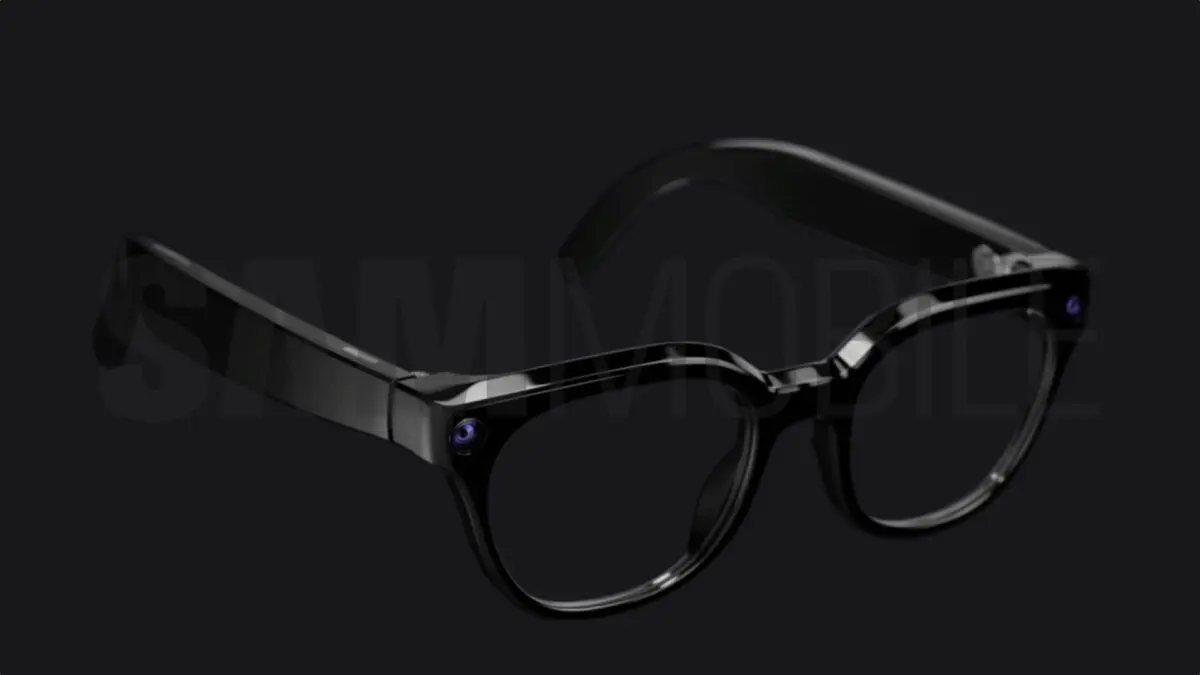
Samsung is preparing to launch its first pair of smart glasses later this year, according to leaked renders and specifications that surfaced online. The Samsung Galaxy Glasses, codenamed "Jinju" (meaning "pearl" in Korean), bears a striking resemblance to the Meta Ray-Ban smart glasses in both design and functionality
1
. The leaked images, shared by Android Headlines and OnLeaks, show sleek, lightweight frames that look like regular sunglasses rather than bulky headsets2
. This approach positions the device as an everyday wearable, similar to existing competitors in the smart glasses market competition.
Source: Digit
The Galaxy Glasses leak comes as Samsung expands its Extended Reality (XR) ecosystem beyond the previously announced Galaxy XR headset. Unlike that device, which features 4K micro-OLED displays, the Jinju model will not include a built-in display
3
. Instead, the glasses focus on AI integrations and voice-based interactions, making them more affordable and practical as smartphone companions for daily use.The Samsung Galaxy Glasses will run on the Android XR platform, which Samsung is co-developing with Google
3
. Deep integration with Gemini AI represents a key differentiator from Meta's offerings, potentially giving Samsung an edge in the market2
. Users will reportedly interact with Gemini AI through a built-in microphone, enabling real-time translations, navigation via Google Maps, weather checks, and contextual information queries3
.The glasses will feature two 12-megapixel cameras near the corner of each lens for capturing photos and videos, similar to the Ray-Ban Meta AI glasses
1
.
Source: Gizmodo
According to leaked specifications, the device will be powered by the Qualcomm Snapdragon AR1 chipset paired with a 155mAh battery and will weigh approximately 50g
3
. The glasses will include directional speakers and potentially bone-conduction technology, Wi-Fi and Bluetooth 5.3 connectivity, and photochromic transition lenses that adjust to lighting conditions5
.Samsung is reportedly developing two distinct models of smart glasses. The Jinju model, expected to launch later this year at a price between $379 and $499 (roughly Rs 36,000 to Rs 47,000), will serve as the entry-level option without a display
3
. This pricing positions it directly against Meta's current smart glasses offerings while potentially undercutting some competitors.A second, more advanced model codenamed "Haean" (meaning "seacoast" in English) is currently in development for a 2027 launch
1
. This variant will feature a micro LED display and is expected to cost between $600 and $900 (roughly Rs 56,000 to Rs 85,000)4
. The display-equipped model will compete more directly with augmented reality devices, though Meta's comparable Ray-Ban Display glasses already feature a single display in the right lens.Related Stories
Samsung joins an increasingly crowded field of companies developing smart glasses. Google is co-developing Project Aura smart glasses with Xreal and has other Android XR glasses likely arriving this year, with more details expected at Google's annual I/O developer conference starting May 19
1
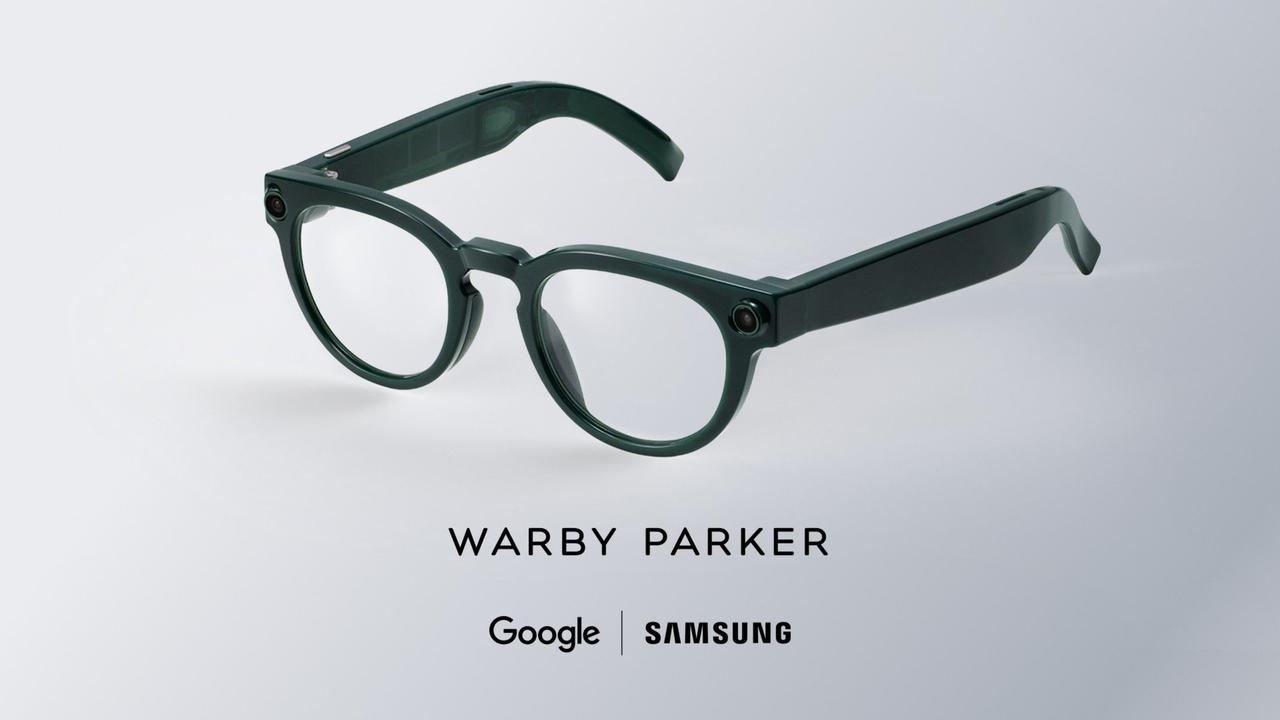
. Both Samsung and Google have announced partnerships with eyewear brands Gentle Monster and Warby Parker, while Google is reportedly collaborating with Gucci for upcoming XR glasses1
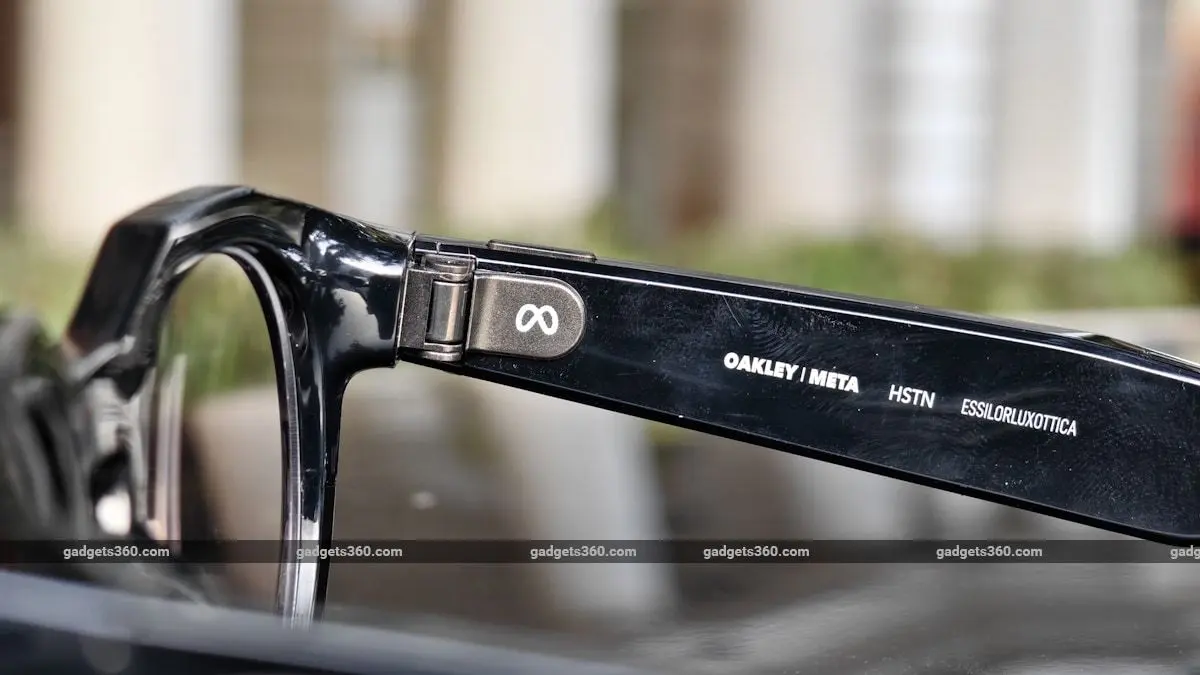
.These partnerships with established eyewear brands mirror Meta's successful collaboration with EssilorLuxottica for its Ray-Ban smart glasses, and they represent a strategic advantage over China-based competitors like Huawei that lack such high-profile brand associations
1
. The focus on design and comfort through these partnerships could prove critical for mainstream adoption, as consumers have historically resisted wearing technology that looks overtly technical.
Source: Gadgets 360
As Samsung enters the smart glasses market, the company will inevitably face privacy concerns that have plagued similar devices. Meta has fueled backlash for its continuing efforts to enable facial recognition technology with its latest camera glasses
1
. While Google Glass originally introduced the term "Glasshole" to describe users who inappropriately recorded others, today's smart glasses may enable even more intrusive surveillance capabilities beyond simply taking photos of strangers1
.How Samsung and Google address these privacy concerns remains unclear, particularly regarding data sent to Gemini AI and how camera functionality might be regulated or indicated to bystanders
1
. As these devices become more capable and less visually distinct from regular eyewear, establishing clear privacy guidelines and technical safeguards will become increasingly important for public acceptance and regulatory compliance.Summarized by
Navi
[2]
1
Technology

2
Policy and Regulation

3
Science and Research