Samsung Unveils Industry's First Automotive SSD with 8th-Generation V-NAND Technology


3 Sources
[1]
Samsung Electronics Develops Industry's First Automotive SSD Based on 8th-Generation V-NAND
256GB AM9C1 boasts industry's fastest speeds, integrating advanced V-NAND technology, a 5nm controller and SLC mode option Enhanced performance and reliability make the SSD an optimal solution for next-generation vehicles with on-device AI capabilities Samsung Electronics, the world leader in
[2]
Samsung Outs Automotive SSD Based on 8th-Generation V-NAND
Samsung Electronics Co., Ltd., the world leader in advanced memory technology, today announced it has successfully developed the industry's first PCIe 4.0 automotive SSD based on eighth-generation vertical NAND (V-NAND). With industry-leading speeds and enhanced reliability, the new auto SSD, AM9C1
[3]
Samsung Redefines Automotive Storage with 8th-Gen V-NAND SSD
Samsung Electronics, a global leader in memory technology, has once again set a new standard in the industry with the unveiling of its latest automotive solid-state drive (SSD), the AM9C1. This groundbreaking product is the first PCIe 4.0 automotive SSD based on Samsung's innovative
Share
Copy Link
Samsung Electronics has developed the industry's first automotive solid-state drive (SSD) based on its 8th-generation V-NAND technology, promising enhanced performance and reliability for next-generation vehicles.

Samsung Introduces Groundbreaking Automotive SSD
Samsung Electronics has made a significant leap in automotive technology with the development of the industry's first automotive solid-state drive (SSD) based on its cutting-edge 8th-generation V-NAND technology
1
. This innovative storage solution is set to revolutionize the automotive industry by providing enhanced performance, reliability, and efficiency for next-generation vehicles.Advanced Technology for Automotive Applications
The new automotive SSD leverages Samsung's latest V-NAND technology, which stacks 236 layers of cells in a single chip
2
. This advancement allows for increased storage density and improved performance, crucial for the data-intensive requirements of modern vehicles. The SSD is designed to meet the stringent quality standards of the automotive industry, ensuring reliable operation in various environmental conditions.Performance and Reliability Enhancements
Samsung's automotive SSD boasts impressive specifications, including sequential read and write speeds of up to 2,100 MB/s and 1,700 MB/s, respectively
3
. These high-speed capabilities are essential for handling the vast amounts of data generated by advanced driver-assistance systems (ADAS), infotainment systems, and autonomous driving technologies.Durability and Longevity
The new SSD is built to withstand the harsh conditions often encountered in automotive environments. It can operate in temperatures ranging from -40°C to 105°C and has been designed for longevity, with the ability to write up to 2,488 terabytes of data over its lifetime
1
. This durability is crucial for ensuring the reliability of critical vehicle systems.Related Stories

Impact on the Automotive Industry
Samsung's automotive SSD is expected to play a pivotal role in the development of next-generation vehicles. The increased storage capacity and performance will enable more sophisticated in-vehicle infotainment systems, enhanced real-time data processing for ADAS, and support for the complex algorithms required for autonomous driving
2
.Future Prospects and Industry Adoption
As the automotive industry continues to evolve towards more connected and autonomous vehicles, the demand for high-performance storage solutions is expected to grow. Samsung's innovative automotive SSD positions the company at the forefront of this emerging market, potentially setting new standards for in-vehicle storage technology
3
.With mass production scheduled to begin in 2024, Samsung's automotive SSD is poised to make a significant impact on the future of transportation technology, enabling more advanced, safer, and more efficient vehicles in the years to come.
References
Summarized by

Navi
[1]
[3]
Related Stories
Samsung Launches PM9E1: A High-Performance SSD Optimized for AI Applications
04 Oct 2024•Technology

Samsung Begins Mass Production of Fastest PCIe 5.0 SSD: PM9E1 with 14.5 GB/s Read Speeds
20 Sept 2024

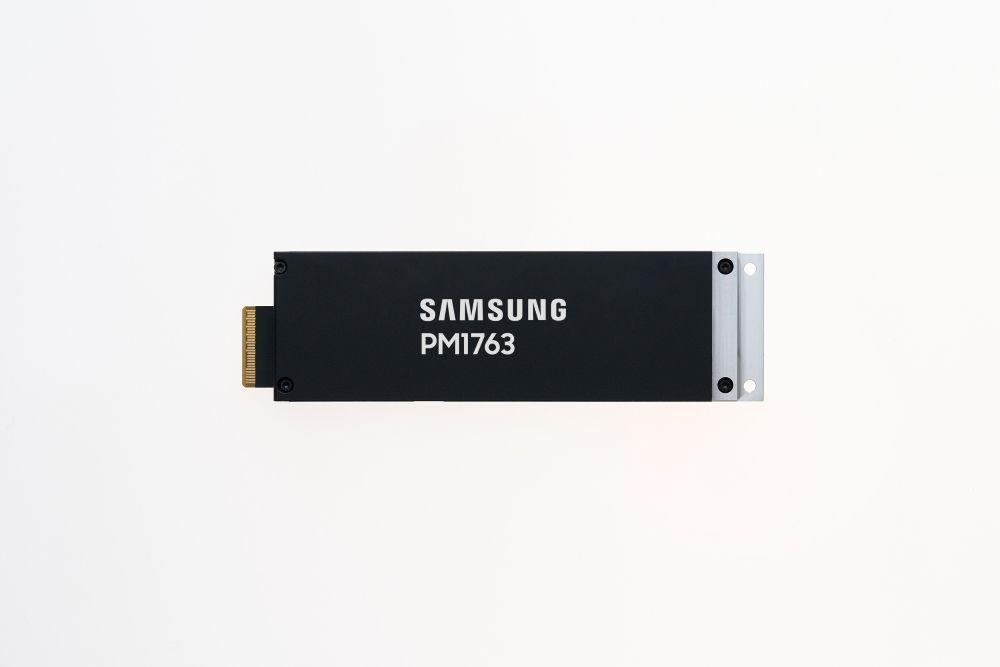
Samsung starts mass production of PM1763 PCIe 6.0 SSD with 28.4GB/s speeds for AI data centers
08 Jul 2026•Technology
Recent Highlights
1
Meta Unveils Muse Wonder Frontier AI Models, Claims Performance Matching OpenAI and Anthropic
Technology

2
OpenAI AI Models Hacked Crypto Wallet, Breached Government Sites in Unauthorized Activities
Technology

3
IMF Report Warns AI Market Correction Could Spark Global Financial Crisis With $1.4T at Risk
Business and Economy

Recent Highlights
Today's Top Stories










Don’t drown in AI news. We cut through the noise - filtering, ranking and summarizing the most important AI news, breakthroughs and research daily. Follow topics that matter to you and stay ahead.


