SK hynix begins mass production of 192GB SOCAMM2 memory for NVIDIA Vera Rubin AI platform


4 Sources
[1]
SK hynix Ships 192GB SOCAMM2 Memory for NVIDIA Rubin AI Platform
SK hynix has started mass production of its 192GB SOCAMM2 memory module, targeting AI server deployments built around the NVIDIA Vera Rubin architecture. The new module is based on LPDDR5X memory and manufactured using a 1c-class DRAM process, focusing on improving bandwidth and efficiency for
[2]
SK hynix begins mass production of 192GB SOCAMM2 memory for NVIDIA Vera Rubin
TL;DR: SK hynix has started mass production of 192GB SOCAMM2 LPDDR5X memory modules using sixth-gen 10nm technology, offering over double the bandwidth and 75% better power efficiency than RDIMM. Designed for NVIDIA's Vera Rubin AI platform, these modules enhance performance, reduce bottlenecks,
[3]
SK Hynix Begins Mass Production of 192 GB SOCAMM2 Memory With 2x Bandwidth, A Vital Piece For NVIDIA' Vera Rubin
SK Hynix is now mass-producing SOCAMM2 memory with up to 192 GB capacities for NVIDIA & next-gen AI Data Centers. Prepped For NVIDIA's Vera Rubin & AI Data Centers, SK Hynix Begins Mass Production of SOCAMM2 Memory With 192 GB Capacities At CES 2026, SK Hynix announced that it had delivered its
[4]
SK hynix begins mass production of 1c SOCAMM2 AI server chips - The Korea Times
SK hynix's small outline compression attached memory module 2 (SOCAMM2) 192GB / Courtesy of SK hynix SK hynix said Monday it has begin mass production of its small outline compression attached memory module 2 (SOCAMM2) 192GB, a next‑generation chip for artificial intelligence (AI) server produced
Share
Copy Link
SK hynix has started mass production of its 192GB SOCAMM2 memory module targeting NVIDIA's Vera Rubin AI platform. Built on LPDDR5X technology and 1c-class DRAM process, the module delivers more than double the bandwidth and over 75% improved power efficiency compared to conventional RDIMM modules, addressing critical memory bottlenecks in AI server deployments.
SK hynix Launches Advanced Memory Solution for AI Infrastructure
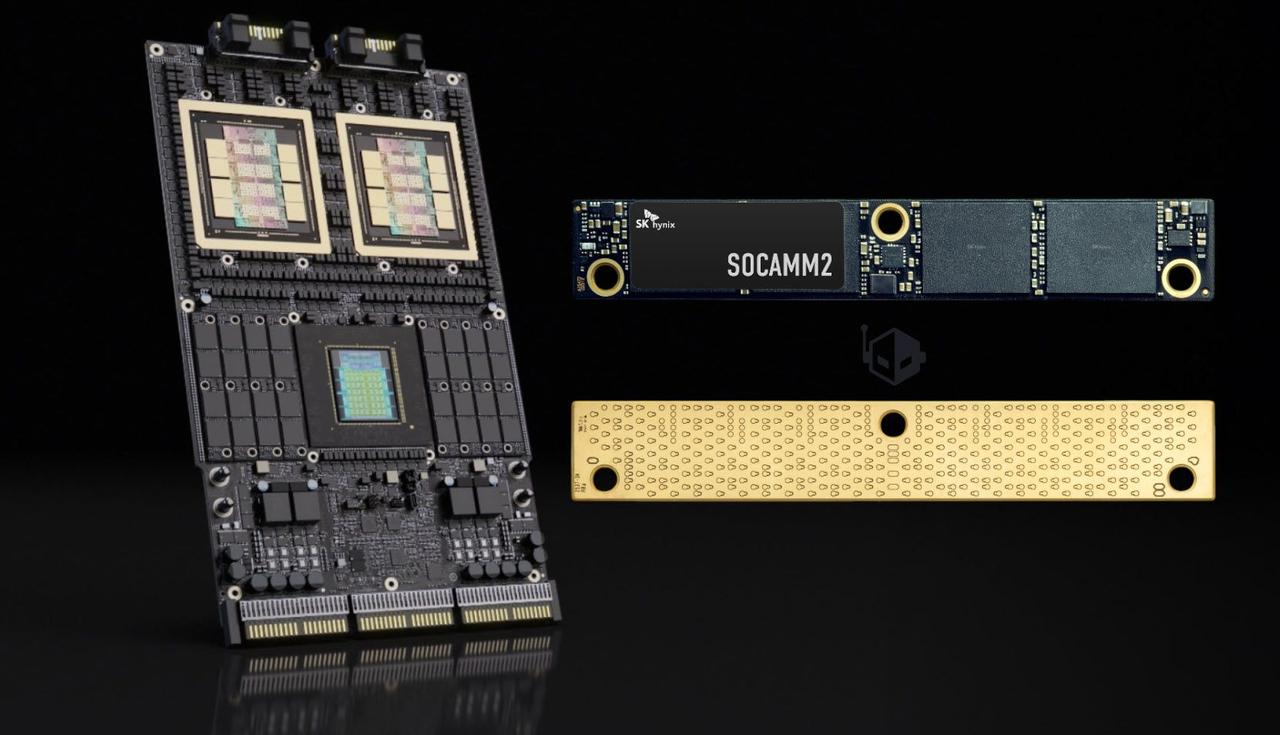
SK hynix has begun mass production of its 192GB SOCAMM2 memory module, marking a significant development in AI server deployments as the industry shifts toward more efficient hardware architectures
1
. The new module is specifically designed for NVIDIA Vera Rubin, the company's next-generation AI computing platform, and represents a fundamental shift in how memory solutions are optimized for artificial intelligence workloads2
.
Source: Wccftech
Built using LPDDR5X memory and manufactured with a 1c-class DRAM process—the sixth generation of 10nm technology—the module delivers performance gains that address critical bottlenecks in AI systems. According to SK hynix, the 192GB SOCAMM2 memory module provides more than double the bandwidth of conventional RDIMM modules while achieving over 75% improved power efficiency
3
. These improvements are particularly vital for large language model training and inference operations involving hundreds of billions of parameters, where memory throughput often becomes a limiting factor.Understanding the SOCAMM2 Architecture
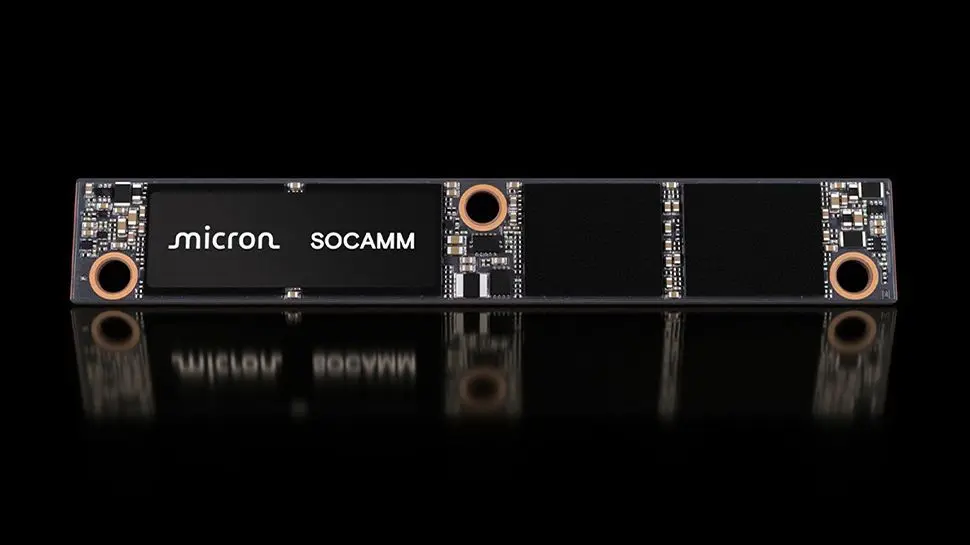
The Small Outline Compression Attached Memory Module 2 represents a departure from traditional server memory designs. Unlike standard RDIMM configurations, SOCAMM2 employs a compact form factor combined with a compression-attached design that enhances signal integrity
1
. This compression connector not only stabilizes signal transmission but also enables easier module replacement and upgrades in data center environments4
.The use of LPDDR technology, traditionally associated with low-power mobile DRAM in smartphones, reflects a broader industry trend toward optimizing performance per watt rather than pursuing raw speed alone. By adapting LPDDR for server environments, SK hynix addresses both thermal and space efficiency challenges that plague next-generation AI data centers
2
. The slim profile and high-density design enable increased compute density without proportionally escalating power and cooling requirements.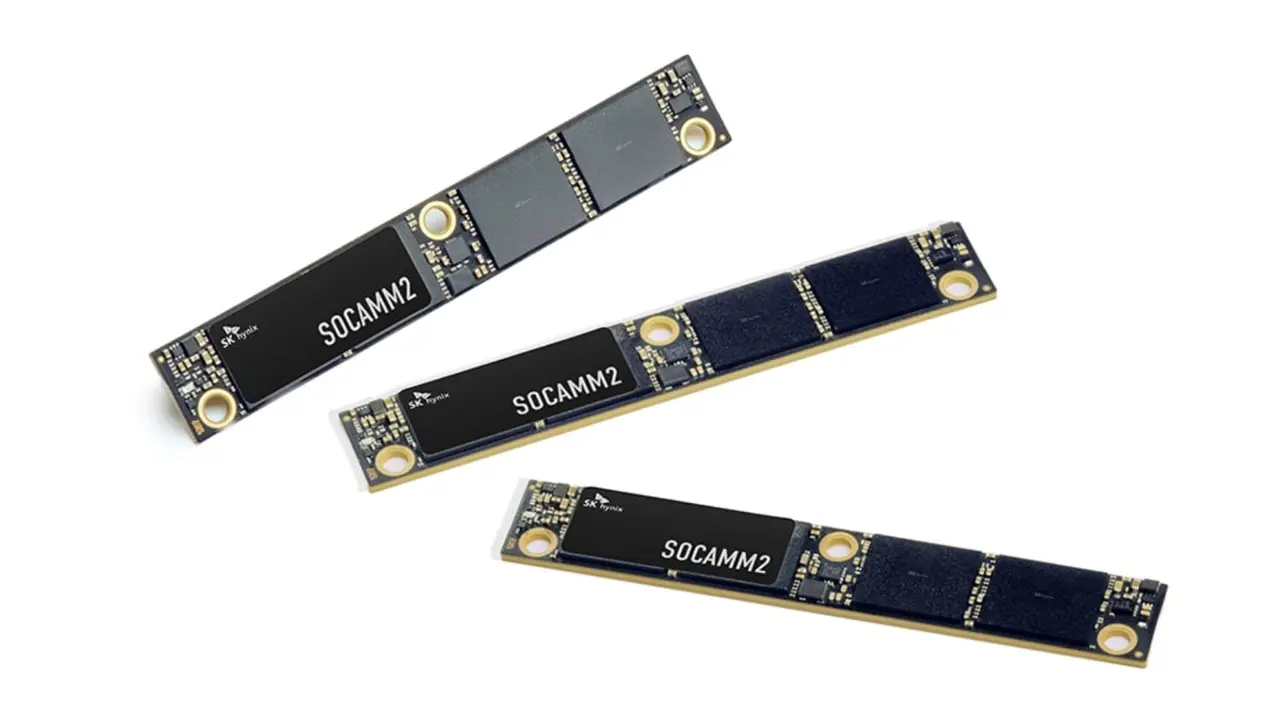
Source: TweakTown
Addressing Memory Bottlenecks in AI Workloads
Memory bottlenecks have emerged as a critical constraint in AI infrastructure, particularly as models scale to unprecedented sizes. SK hynix expects the new module to fundamentally resolve these bottlenecks during both training and inference phases of large language models
3
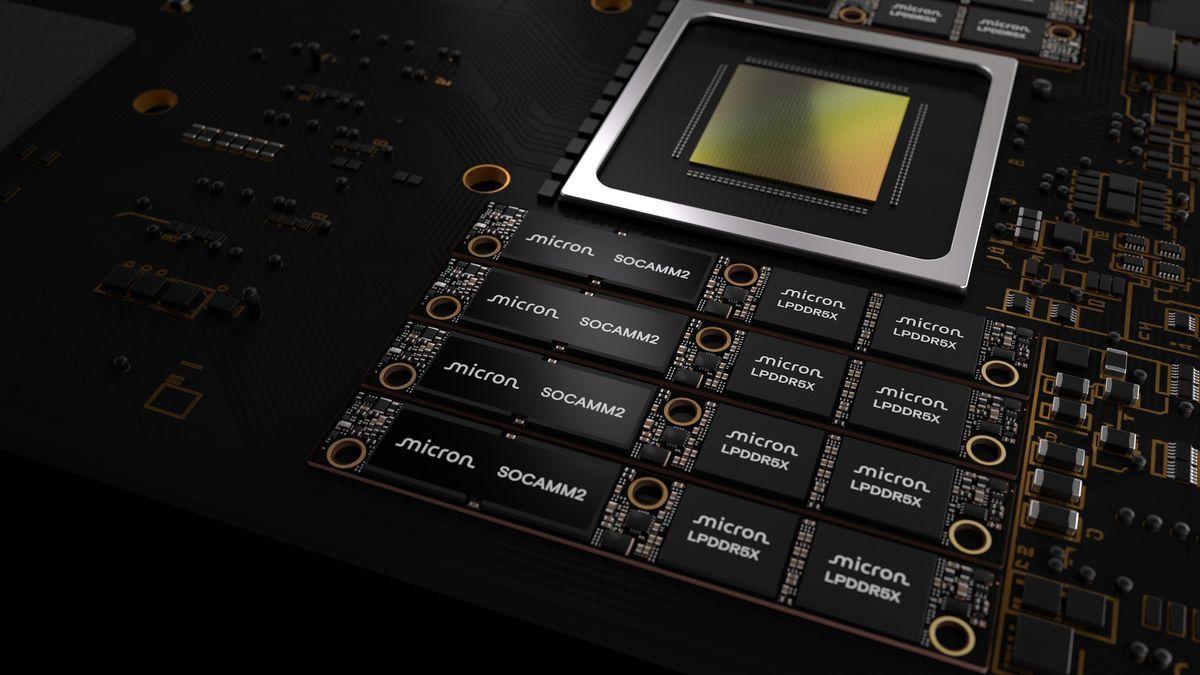
. The improved bandwidth reduces latency in data movement between memory and processing units, while enhanced energy efficiency challenges help control overall system power consumption—a growing concern as AI operations expand globally.In typical AI server configurations, SOCAMM2 is positioned on the system board next to logic chips such as GPUs or CPUs, complementing high-bandwidth memory (HBM) that sits within the processor package. While HBM accelerates computing operations, SOCAMM2 improves system-level power efficiency by replacing less efficient DDR-based memory modules
4
. This creates a multi-tier memory hierarchy consisting of HBM, SOCAMM2, DDR5 modules, and CXL memory serving as expanded memory.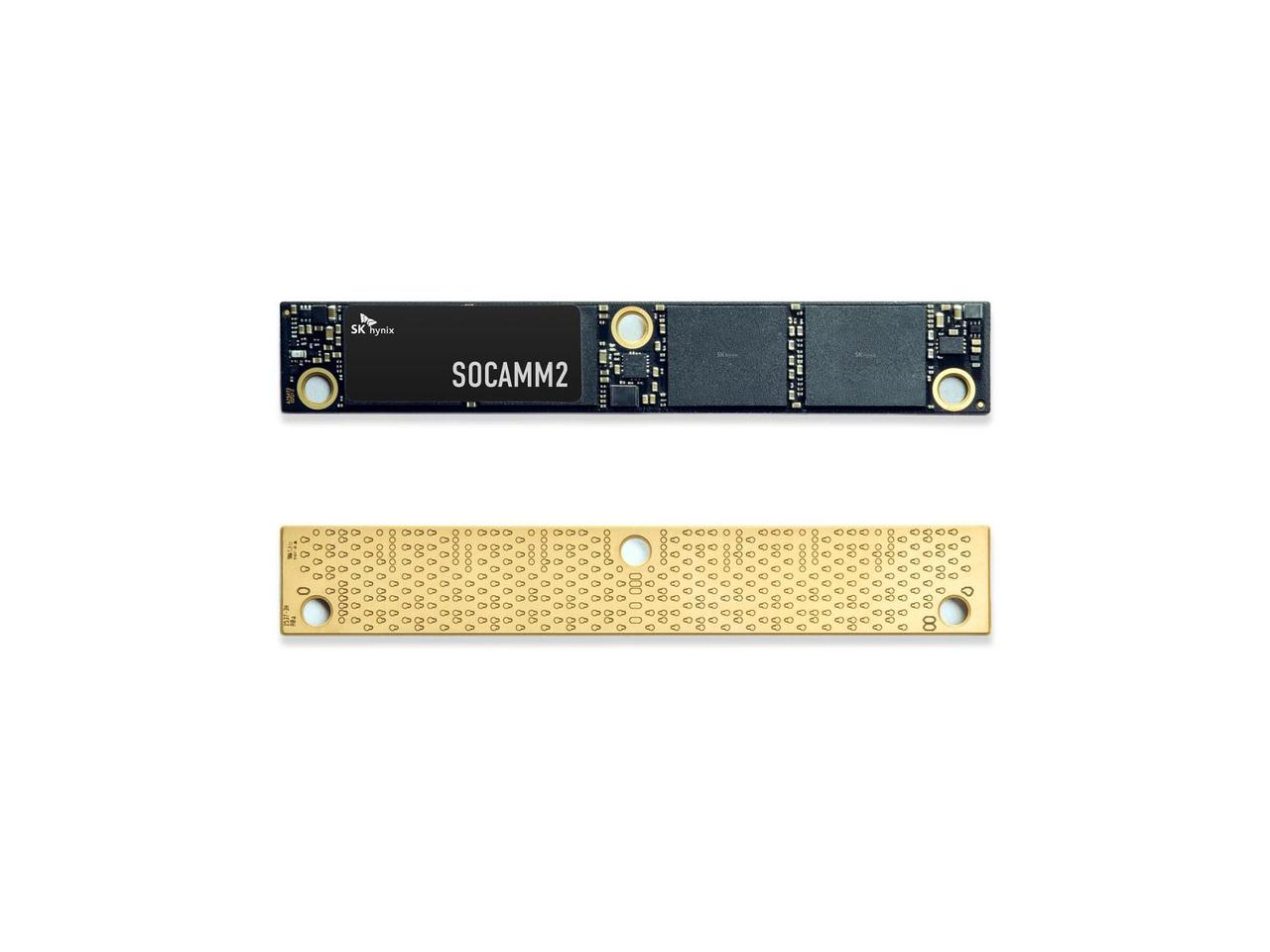
Source: Korea Times
Related Stories
Strategic Partnership and Market Positioning
The collaboration between SK hynix and NVIDIA highlights the trend toward tightly integrated hardware ecosystems where memory, compute, and interconnect components work as unified systems. NVIDIA will source SOCAMM2 from all three major memory manufacturers—SK hynix, Samsung, and Micron—to maintain a diversified supply chain capable of meeting demand as Vera Rubin takes center stage in the agentic AI era
3
.Justin Kim, President and Head of AI Infra at SK hynix, stated: "By supplying the 192GB SOCAMM2, SK hynix has established a new standard for AI memory performance. We will solidify our position as the most trusted AI memory solution provider, through close collaboration with our global AI customers"
2
. The company has stabilized mass production ahead of schedule and will begin supplying modules to NVIDIA at the end of this month, demonstrating its commitment to meeting Cloud Service Provider demands.As the AI market continues its shift from inference to training operations, SOCAMM2 gains attention as a solution capable of running large language models with substantially reduced power consumption. This positions SK hynix to capture a significant share of the expanding AI memory market while addressing the dual challenges of performance and sustainability that define modern data center operations.
References
Summarized by

Navi
Related Stories
Micron ships 256GB SOCAMM2 modules to customers, bringing 2TB AI memory capacity per CPU
03 Mar 2026•Technology
Nvidia Collaborates with Major Memory Makers on New SOCAMM Format for AI Servers
24 Mar 2025•Technology
Samsung gains ground in HBM4 race as Nvidia production ignites AI memory battle with SK Hynix, Micron
02 Jan 2026•Technology
Recent Highlights
1
Meta Unveils Muse Wonder Frontier AI Models, Claims Performance Matching OpenAI and Anthropic
Technology

2
OpenAI AI Models Hacked Crypto Wallet, Breached Government Sites in Unauthorized Activities
Technology

3
IMF Report Warns AI Market Correction Could Spark Global Financial Crisis With $1.4T at Risk
Business and Economy

Recent Highlights
Today's Top Stories







Don’t drown in AI news. We cut through the noise - filtering, ranking and summarizing the most important AI news, breakthroughs and research daily. Follow topics that matter to you and stay ahead.


