4 Sources
[1]
Exclusive: SK Hynix flooded with unprecedented offers from big tech firms to secure chip supplies
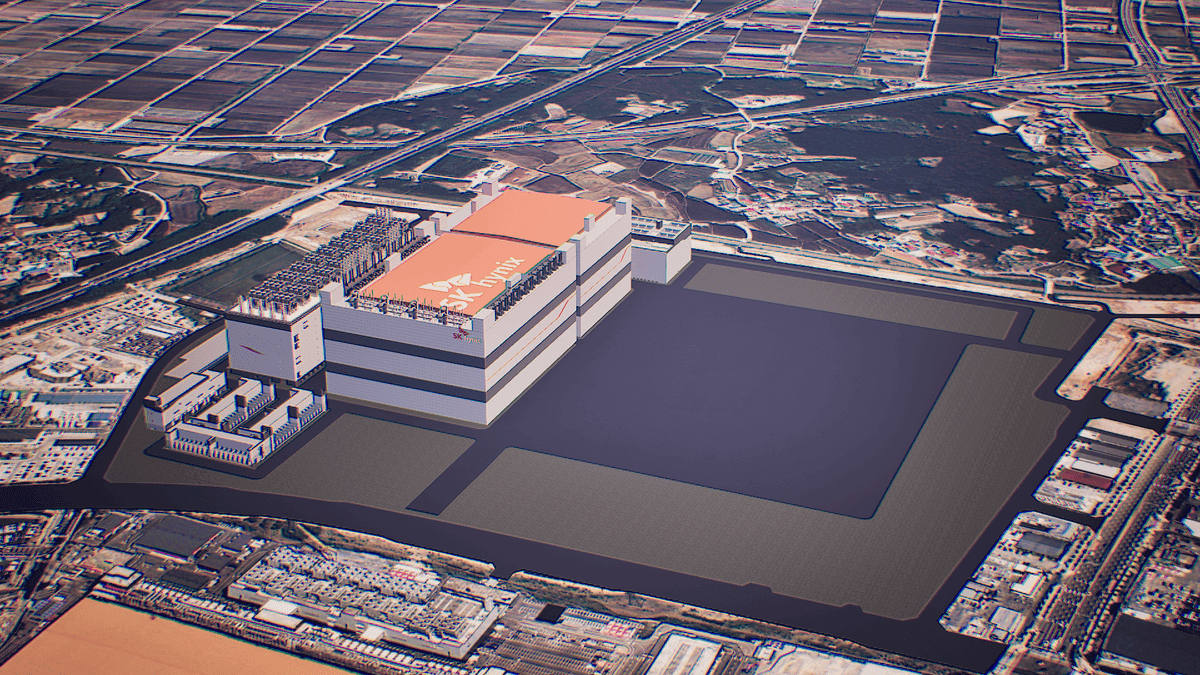
SEOUL/SINGAPORE, May 8 (Reuters) - SK Hynix (000660.KS), opens new tab is being aggressively courted by big global tech firms with offers to invest in its new production lines and fund purchases of pricey manufacturing tools as they rush to secure memory chips, people familiar with the matter said. The offers, unprecedented in the global memory chip industry, underscore the severity of the component's scarcity around the world, as chipmakers struggle to keep pace with surging demand amid an artificial intelligence boom. Memory chips are critical parts in AI data centers, smartphones, PCs and other areas. The firm's customers have been proposing a range of offers to the South Korean chipmaker, including investing in dedicated memory production lines, six people said. Another proposal involved customers financing equipment purchases such as ASML's (ASML.AS), opens new tab extreme ultraviolet lithography machines, which are used to print circuits onto silicon wafers and are worth hundreds of millions of dollars, three of the people said. But the chipmaker, flush with cash, is cautious about taking financial commitments from customers, as such deals could hold it hostage to specific buyers and require it to supply chips at lower prices in exchange for â securing longer-term and more stable revenue guarantees, two people said. "Regardless of the type of offer, available capacity is essentially zero right now," one of the sources said. "There isn't even a small portion that can be designated for a specific customer." Another person said one proposal was pitched at the first phase of a large fabrication plant that SK Hynix is building in its Yongin complex in South Korea, where dynamic random-access memory is likely to be the dominant focus. The details of these offers are being reported for the first time. SK Hynix and its main rivals, Samsung Electronics (005930.KS), opens new tab and Micron (MU.O), opens new tab, have said they were in talks with customers for multi-year supply contracts, but they have not provided details. The sources cited in this article declined to be identified as the discussions are confidential. SK Hynix declined to provide details regarding contract conditions with its customers, but said "we are comprehensively reviewing various approaches and structural alternatives that differ from conventional long-term agreements." The company, Asia's third-most valuable firm by market value after TSMC (2330.TW), opens new tab and Samsung, saw its shares rise 154% this year to a record, thanks to growing investor bets on AI. It was not immediately clear which global tech giants were making investment offers to SK Hynix. Major U.S. tech firms including Alphabet (GOOGL.O), opens new tab, Meta and Microsoft last week unveiled â plans to boost spending on AI infrastructure. "We are investing aggressively to meet our infrastructure needs," Meta said during an earnings conference call, adding that this includes "striking deals throughout the supply chain to secure necessary components for future capacity." Also on a call, Microsoft said it expects its capital expenditures to rise to $190 billion this year, including $25 billion attributable to rising costs of components like chips. PROLONGED UPSWING The offers that have been made to SK Hynix are highly unusual for the memory chip industry, which has been historically known for its extreme boom-and-bust cycles, leading chipmakers to believe that the upswing this time will be prolonged. SK Hynix and Samsung last month said the current memory chip supply shortage would persist as it will take â time for chipmakers to build capacity to keep up with "structural growth" in AI demand. "Due to current supply constraints, there are limitations in accommodating all customer requests," SK Hynix said at the time, adding that customer requests for longer-term contracts to secure volume were rising sharply. Memory chipmakers have been saying multi-year contracts would help smooth out the demand volatility and reduce investment risks for the cyclical industry, which requires billions of dollars of investment. But questions remain about how to â make sure customers do not cancel deals and how to price chips favourably, chip executives, investors and analysts said. Samsung said unlike previous long-term agreements, the ones it had recently signed with some customers were "binding," without giving further details. A structure that has been discussed as part of long-term agreements between chipmakers and customers involves a price-band mechanism, which would set both a floor and ceiling for annual pricing and effectively eliminate â quarterly or seasonal price negotiations, one source who had been briefed by chipmakers said. Another structure that has been discussed involves prepayment, requiring customers to provide 30% to 40% of the cash upfront. Another source, however, said chip suppliers were treading lightly about how they allocate scarce capacity to avoid regulatory scrutiny or the perception that they are favouring specific customers. "They don't want to 'pick a horse' in the AI race and end up backing the wrong one," the person said. Reporting by Heekyong Yang, Fanny Potkin, Hyunjoo Jin and Alexandra Alper; Editing by Brenda Goh, Miyoung Kim and Thomas Derpinghaus. Our Standards: The Thomson Reuters Trust Principles., opens new tab
[2]
SK Hynix Can't Build AI Memory Chips Fast Enough -- And Big Tech Is Reportedly Lining Up To Fund It - ASML
Major global technology companies are reportedly offering rare financial backing to SK Hynix in a bid to secure critical memory chip supply as the AI boom intensifies pressure on an already constrained semiconductor market. Big Tech Pushes For Guaranteed AI Chip Access The offers are considered highly unusual in the memory chip sector, where customers traditionally purchase components rather than fund manufacturing expansion. One source described available production capacity as "essentially zero," underscoring the severity of supply shortages as demand for AI infrastructure accelerates worldwide. SK Hynix Balances Opportunity With Risk Despite strong customer interest, SK Hynix is reportedly cautious about accepting such deals due to concerns over pricing pressure, buyer dependency and regulatory scrutiny. In a statement to the publication, the company said it is reviewing "various approaches" beyond traditional supply agreements but appears determined to avoid becoming overly tied to specific customers. SK Hynix did not immediately respond to Benzinga's request for comments. AI Boom Drives Structural Supply CrunchSK Hynix's Record Q1 Revenue Surges Past $33.7 Billion In April, SK Hynix posted blockbuster first-quarter earnings, with revenue surpassing KRW 50 trillion ($33.7 billion) for the first time as booming AI demand drove strong sales growth. Executives said continued customer investment in AI infrastructure -- despite the industry's typically slower first quarter -- fueled the performance, alongside rising sales of premium products such as high-bandwidth memory (HBM), larger server DRAM modules and enterprise SSDs. Disclaimer: This content was partially produced with the help of AI tools and was reviewed and published by Benzinga editors. Photo Courtesy: JHVEPhoto on Shutterstock.com Market News and Data brought to you by Benzinga APIs To add Benzinga News as your preferred source on Google, click here.
[3]
SK hynix flooded with unprecedented offers from big tech firms to secure chip supplies - The Korea Times
SEOUL/SINGAPORE -- SK hynix is being aggressively courted by big global tech firms with offers to invest in its new production lines and fund purchases of pricey manufacturing tools as they rush to secure memory chips, people familiar with the matter said. The offers, unprecedented in the global memory chip industry, underscore the severity of the component's scarcity around the world, as chipmakers struggle to keep pace with surging demand amid an artificial intelligence boom. Memory chips are critical parts in AI data centers, smartphones, PCs and other areas. The firm's customers have been proposing a range of offers to the Korean chipmaker, including investing in dedicated memory production lines, six people said. Another proposal involved customers financing equipment purchases such as ASML's extreme ultraviolet lithography machines, which are used to print circuits onto silicon wafers and are worth hundreds of millions of dollars, three of the people said. But the chipmaker, flush with cash, is cautious about taking financial commitments from customers, as such deals could hold it hostage to specific buyers and require it to supply chips at lower prices in exchange for securing longer-term and more stable revenue guarantees, two people said. "Regardless of the type of offer, available capacity is essentially zero right now," one of the sources said. "There isn't even a small portion that can be designated for a specific customer." Another person said one proposal was pitched at the first phase of a large fabrication plant that SK hynix is building in its Yongin complex in Korea, where dynamic random-access memory is likely to be the dominant focus. The details of these offers are being reported for the first time. SK hynix and its main rivals, Samsung Electronics and Micron, have said they were in talks with customers for multi-year supply contracts, but they have not provided details. The sources cited in this article declined to be identified as the discussions are confidential. SK hynix declined to provide details regarding contract conditions with its customers, but said "we are comprehensively reviewing various approaches and structural alternatives that differ from conventional long-term agreements." The company, Asia's third-most valuable firm by market value after TSMC and Samsung, saw its shares rise 154 percent this year to a record, thanks to growing investor bets on AI. It was not immediately clear which global tech giants were making investment offers to SK hynix. Major U.S. tech firms including Alphabet, Meta and Microsoft last week unveiled plans to boost spending on AI infrastructure. "We are investing aggressively to meet our infrastructure needs," Meta said during an earnings conference call, adding that this includes "striking deals throughout the supply chain to secure necessary components for future capacity." Also on a call, Microsoft said it expects its capital expenditures to rise to $190 billion this year, including $25 billion attributable to rising costs of components like chips. Prolonged upswing The offers that have been made to SK hynix are highly unusual for the memory chip industry, which has been historically known for its extreme boom-and-bust cycles, leading chipmakers to believe that the upswing this time will be prolonged. SK hynix and Samsung last month said the current memory chip supply shortage would persist as it will take time for chipmakers to build capacity to keep up with "structural growth" in AI demand. "Due to current supply constraints, there are limitations in accommodating all customer requests," SK hynix said at the time, adding that customer requests for longer-term contracts to secure volume were rising sharply. Memory chipmakers have been saying multi-year contracts would help smooth out the demand volatility and reduce investment risks for the cyclical industry, which requires billions of dollars of investment. But questions remain about how to make sure customers do not cancel deals and how to price chips favourably, chip executives, investors and analysts said. Samsung said unlike previous long-term agreements, the ones it had recently signed with some customers were "binding," without giving further details. A structure that has been discussed as part of long-term agreements between chipmakers and customers involves a price-band mechanism, which would set both a floor and ceiling for annual pricing and effectively eliminate quarterly or seasonal price negotiations, one source who had been briefed by chipmakers said. Another structure that has been discussed involves prepayment, requiring customers to provide 30 percent to 40 percent of the cash upfront. Another source, however, said chip suppliers were treading lightly about how they allocate scarce capacity to avoid regulatory scrutiny or the perception that they are favouring specific customers. "They don't want to 'pick a horse' in the AI race and end up backing the wrong one," the person said.
[4]
SK Hynix flooded with unprecedented offers from big tech firms to secure chip supplies
SEOUL/SINGAPORE, May 8 (Reuters) - SK Hynix is being aggressively courted by big global tech firms with offers to invest in its new production lines and fund purchases of pricey manufacturing tools as they rush to secure memory chips, people familiar with the matter said. The offers, unprecedented in the global memory chip industry, underscore the severity of the component's scarcity around the world, as chipmakers struggle to keep pace with surging demand amid an artificial intelligence boom. Memory chips are critical parts in AI data centers, smartphones, PCs and other areas. The firm's customers have been proposing a range of offers to the South Korean chipmaker, including investing in dedicated memory production lines, six people said. Another proposal involved customers financing equipment purchases such as ASML's extreme ultraviolet lithography machines, which are used to print circuits onto silicon wafers and are worth hundreds of millions of dollars, three of the people said. But the chipmaker, flush with cash, is cautious about taking financial commitments from customers, as such deals could hold it hostage to specific buyers and require it to supply chips at lower prices in exchange for securing longer-term and more stable revenue guarantees, two people said. "Regardless of the type of offer, available capacity is essentially zero right now," one of the sources said. "There isn't even a small portion that can be designated for a specific customer." Another person said one proposal was pitched at the first phase of a large fabrication plant that SK Hynix is building in its Yongin complex in South Korea, where dynamic random-access memory is likely to be the dominant focus. The details of these offers are being reported for the first time. SK Hynix and its main rivals, Samsung Electronics and Micron, have said they were in talks with customers for multi-year supply contracts, but they have not provided details. The sources cited in this article declined to be identified as the discussions are confidential. SK Hynix declined to provide details regarding contract conditions with its customers, but said "we are comprehensively reviewing various approaches and structural alternatives that differ from conventional long-term agreements." The company, Asia's third-most valuable firm by market value after TSMC and Samsung, saw its shares rise 154% this year to a record, thanks to growing investor bets on AI. It was not immediately clear which global tech giants were making investment offers to SK Hynix. Major U.S. tech firms including Alphabet, Meta and Microsoft last week unveiled plans to boost spending on AI infrastructure. "We are investing aggressively to meet our infrastructure needs," Meta said during an earnings conference call, adding that this includes "striking deals throughout the supply chain to secure necessary components for future capacity." Also on a call, Microsoft said it expects its capital expenditures to rise to $190 billion this year, including $25 billion attributable to rising costs of components like chips. PROLONGED UPSWING The offers that have been made to SK Hynix are highly unusual for the memory chip industry, which has been historically known for its extreme boom-and-bust cycles, leading chipmakers to believe that the upswing this time will be prolonged. SK Hynix and Samsung last month said the current memory chip supply shortage would persist as it will take time for chipmakers to build capacity to keep up with "structural growth" in AI demand. "Due to current supply constraints, there are limitations in accommodating all customer requests," SK Hynix said at the time, adding that customer requests for longer-term contracts to secure volume were rising sharply. Memory chipmakers have been saying multi-year contracts would help smooth out the demand volatility and reduce investment risks for the cyclical industry, which requires billions of dollars of investment. But questions remain about how to make sure customers do not cancel deals and how to price chips favourably, chip executives, investors and analysts said. Samsung said unlike previous long-term agreements, the ones it had recently signed with some customers were "binding," without giving further details. A structure that has been discussed as part of long-term agreements between chipmakers and customers involves a price-band mechanism, which would set both a floor and ceiling for annual pricing and effectively eliminate quarterly or seasonal price negotiations, one source who had been briefed by chipmakers said. Another structure that has been discussed involves prepayment, requiring customers to provide 30% to 40% of the cash upfront. Another source, however, said chip suppliers were treading lightly about how they allocate scarce capacity to avoid regulatory scrutiny or the perception that they are favouring specific customers. "They don't want to 'pick a horse' in the AI race and end up backing the wrong one," the person said. (Reporting by Heekyong Yang, Fanny Potkin, Hyunjoo Jin and Alexandra Alper; Editing by Brenda Goh, Miyoung Kim and Thomas Derpinghaus.) By Heekyong Yang, Fanny Potkin and Hyunjoo Jin
Share
Copy Link
Major global tech companies are making rare financial offers to SK Hynix, including funding new production lines and purchasing equipment worth hundreds of millions of dollars, as they compete to secure memory chips. The unprecedented proposals highlight severe scarcity in the memory chip market driven by surging AI demand, with available capacity described as "essentially zero."
SK Hynix is being aggressively courted by major global technology firms with unprecedented offers to invest in new production lines and fund purchases of expensive manufacturing tools as companies rush to secure chip supplies amid an artificial intelligence boom
1
. The South Korean chipmaker has received proposals from six sources familiar with the matter, including offers to invest in dedicated memory production lines and finance equipment purchases such as ASML's extreme ultraviolet lithography machines, which are worth hundreds of millions of dollars1
3
. These proposals underscore the severe scarcity of memory chips worldwide, as chipmakers struggle to keep pace with surging AI demand. Memory chips serve as critical components in AI data centers, smartphones, PCs, and other devices1
.Source: Market Screener
One source described the situation bluntly: "Regardless of the type of offer, available capacity is essentially zero right now. There isn't even a small portion that can be designated for a specific customer"
1
2
. One proposal was pitched at the first phase of a large fabrication plant that SK Hynix is building in its Yongin complex in South Korea, where dynamic random-access memory is likely to be the dominant focus3
. The offers represent a dramatic shift in the memory chip industry, where customers traditionally purchase components rather than fund manufacturing expansion2
.Despite being flush with cash, the chipmaker is cautious about accepting financial commitments from customers, as such deals could create buyer dependency and require it to supply chips at lower prices in exchange for securing longer-term and more stable revenue guarantees
1
2
. SK Hynix declined to provide details regarding contract conditions but stated it is "comprehensively reviewing various approaches and structural alternatives that differ from conventional long-term agreements"1
. The company faces concerns over pricing pressure and regulatory scrutiny as it navigates these proposals2
4
.While it remains unclear which specific global tech giants are making investment offers to SK Hynix, major U.S. tech firms including Alphabet, Meta, and Microsoft recently unveiled plans to boost spending on AI infrastructure
1
3
. Meta stated during an earnings conference call that it is "investing aggressively to meet our infrastructure needs," adding that this includes "striking deals throughout the supply chain to secure necessary components for future capacity"1
. Microsoft expects its capital expenditures to rise to $190 billion this year, including $25 billion attributable to rising costs of components like chips1
3
.The unprecedented offers signal a potential shift in the memory chip industry, which has historically been known for extreme boom-and-bust cycles
1
3
. Chipmakers believe the upswing this time will be prolonged due to structural growth in AI demand. SK Hynix and Samsung Electronics stated last month that the current memory chip supply shortage would persist as it will take time for chipmakers to build capacity1
. SK Hynix, along with rivals Samsung Electronics and Micron, are in talks with customers for multi-year supply contracts, though details remain confidential1
3
.Related Stories
Several innovative structures are being discussed as part of long-term supply agreements. One involves a price-band mechanism that would set both a floor and ceiling for annual pricing, effectively eliminating quarterly or seasonal price negotiations
1
4
. Another structure involves prepayment, requiring customers to provide 30% to 40% of the cash upfront1
4
. Samsung Electronics noted that unlike previous agreements, the ones it recently signed with some customers were "binding," though it did not provide further details1
. Chip suppliers remain cautious about allocating scarce capacity to avoid regulatory scrutiny or the perception of favoring specific customers4
.SK Hynix, Asia's third-most valuable firm by market value after TSMC and Samsung, saw its shares rise 154% this year to a record, driven by growing investor bets on AI
1
3
. In April, the company posted blockbuster first-quarter earnings with revenue surpassing KRW 50 trillion ($33.7 billion) for the first time2
. Executives attributed the performance to continued customer investment in AI infrastructure and rising sales of premium products such as high-bandwidth memory, larger server DRAM modules, and enterprise SSDs2
. The company's strong financial position gives it leverage in negotiations, as it evaluates funding for manufacturing tools and investing in new production lines while managing the risks associated with becoming too dependent on specific buyers1
2
.
Source: Korea Times
Summarized by
Navi
[1]
[2]
[3]
13 Jan 2026â¢Business and Economy

29 Oct 2025â¢Business and Economy

24 Jul 2025â¢Business and Economy

1
Science and Research

2
Technology

3
Technology