Smartphones to pack more RAM despite AI-fueled shortage lasting through 2027


2 Sources
[1]
Your next phone might have more RAM as AI-fueled shortage persists through 2027
The ongoing memory (RAM) shortage has wide-reaching effects, but that's not stopping new smartphones from apparently adding more RAM than prior generations, a new report states. AI is hungry for a lot of resources, but memory is one of the biggest, and it's led to a scramble for everything to need
[2]
New phones may get more RAM despite global AI-fueled shortage
The current DRAM shortage is expected to last "until next year" and could continue causing issues through 2027. The global memory shortage is creating problems across the tech world, but it seems like it is not stopping smartphone makers from adding more RAM to new devices. A new report suggests
Share
Copy Link
The global memory shortage driven by AI demand shows no signs of slowing, with forecasts predicting continued DRAM constraints through 2027. Yet smartphones are expected to increase RAM by 16% as manufacturers prioritize on-device AI capabilities, potentially pushing device prices higher as memory costs surge and production struggles to keep pace.
RAM Shortage Intensifies as AI Demand Outpaces Supply
The tech industry faces a persistent RAM shortage that shows no signs of easing, with forecasts indicating the crisis will extend through 2027
1
. According to a report from Korean outlet ETNews, the AI-fueled shortage stems from limited production capacity that cannot match the surging demand for AI applications across multiple sectors2
. This global memory shortage has created a scramble for DRAM resources, with memory prices jumping and availability tightening as manufacturers struggle to expand output fast enough.Production Capacity Lags Behind Market Needs
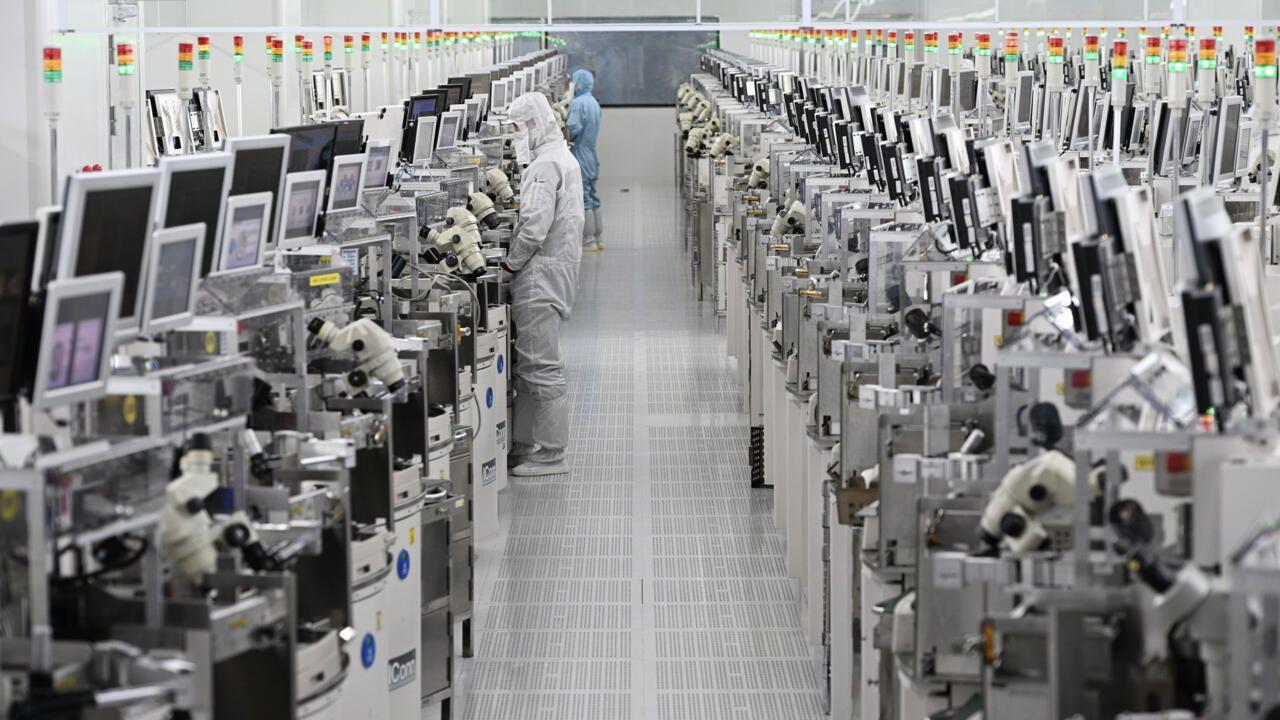
Major chip makers face significant constraints in addressing the supply crisis. Samsung, one of the world's largest memory producers, is expanding its production facility but prioritizing High Bandwidth Memory for data centers and large AI systems rather than consumer devices
1
. Meanwhile, China-based CXMT is growing its memory production but focusing primarily on the Chinese market instead of global distribution, meaning worldwide shortages will likely persist2
. This strategic focus by manufacturers leaves consumer-facing sectors competing for increasingly scarce resources.Smartphones Lead Device Memory Expansion
Despite the ongoing constraints, overall memory demand is estimated to grow by approximately 23% in 2026
1
. Smartphones are projected to increase their memory allocation by roughly 16%, driven largely by the industry's push toward on-device AI capabilities. Data centers are expected to see a 25% jump in memory use, while automobiles may experience a dramatic 36% increase. PCs are forecasted to rise by 15% as well2
.
Source: 9to5Google
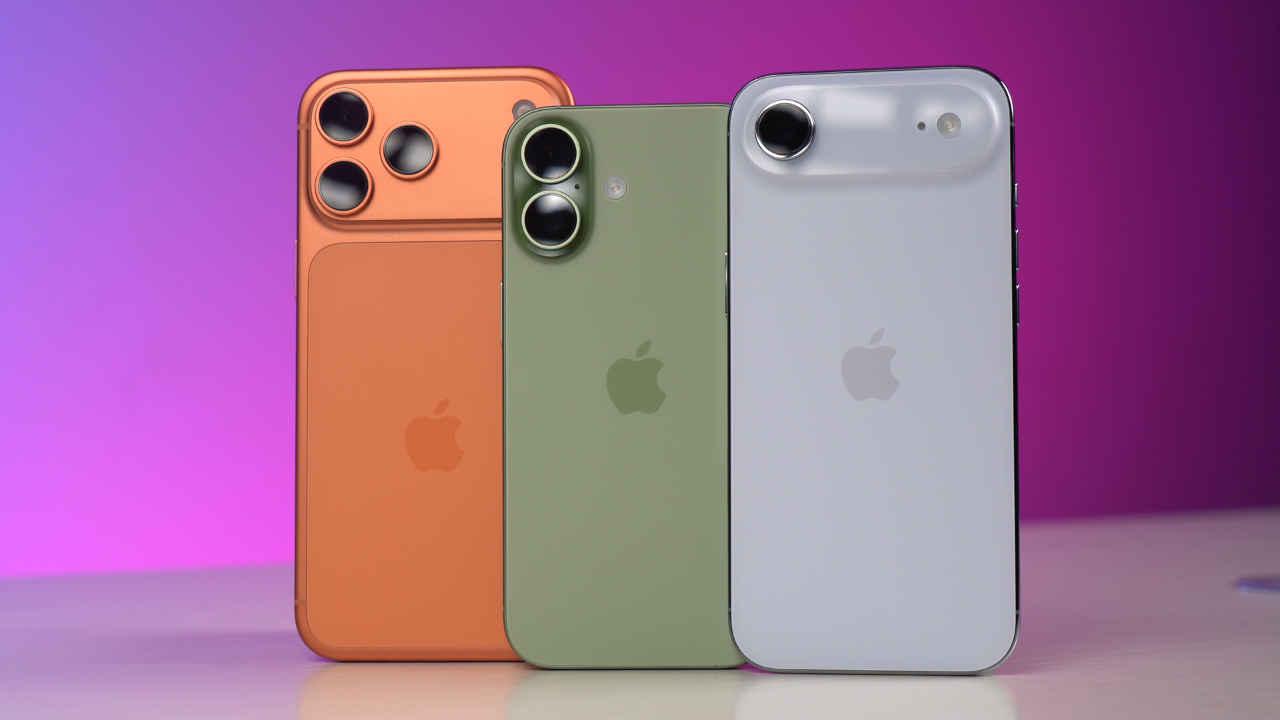
For consumers, this translates to noticeable changes in device specifications. Many flagship smartphones may transition from 8GB or 12GB configurations to 16GB setups, while budget-focused devices could shift from 4GB to 6GB or 8GB arrangements
1
. Google Pixel devices have already demonstrated this trend, equipping phones with higher RAM capacities than competitors at similar price points to support their AI tools2
.
Source: Digit
Related Stories
Higher Consumer Prices Loom on Horizon
The combination of increased production costs and price volatility in the memory market raises concerns about affordability. As manufacturers add higher RAM capacities to meet AI requirements, the financial burden may pass directly to consumers . This creates a challenging dynamic where devices become more capable but potentially less accessible, particularly as the shortage continues impacting supply chains through 2027. The question remains whether consumers will accept premium pricing for AI features that require substantial memory resources, or if manufacturers will need to find alternative approaches to balance capability with cost.
References
Summarized by

Navi
Related Stories
Memory shortage driven by AI demand could keep prices high until 2027 or beyond
19 Apr 2026•Business and Economy
Memory shortage drives smartphone market to worst slump in 13 years as AI demand reshapes industry
14 Jul 2026•Business and Economy
AI-Driven RAM Crisis Threatens Budget Smartphones as Memory Costs Double and Shipments Plummet
05 Jul 2026•Business and Economy

Recent Highlights



Recent Highlights
Today's Top Stories



Don’t drown in AI news. We cut through the noise - filtering, ranking and summarizing the most important AI news, breakthroughs and research daily. Follow topics that matter to you and stay ahead.


