SoftBank OpenAI launch AI-driven cybersecurity service to defend Japan critical infrastructure


4 Sources
[1]
Japan's tech business SoftBank rolls out OpenAI 'patches' against cyberattacks
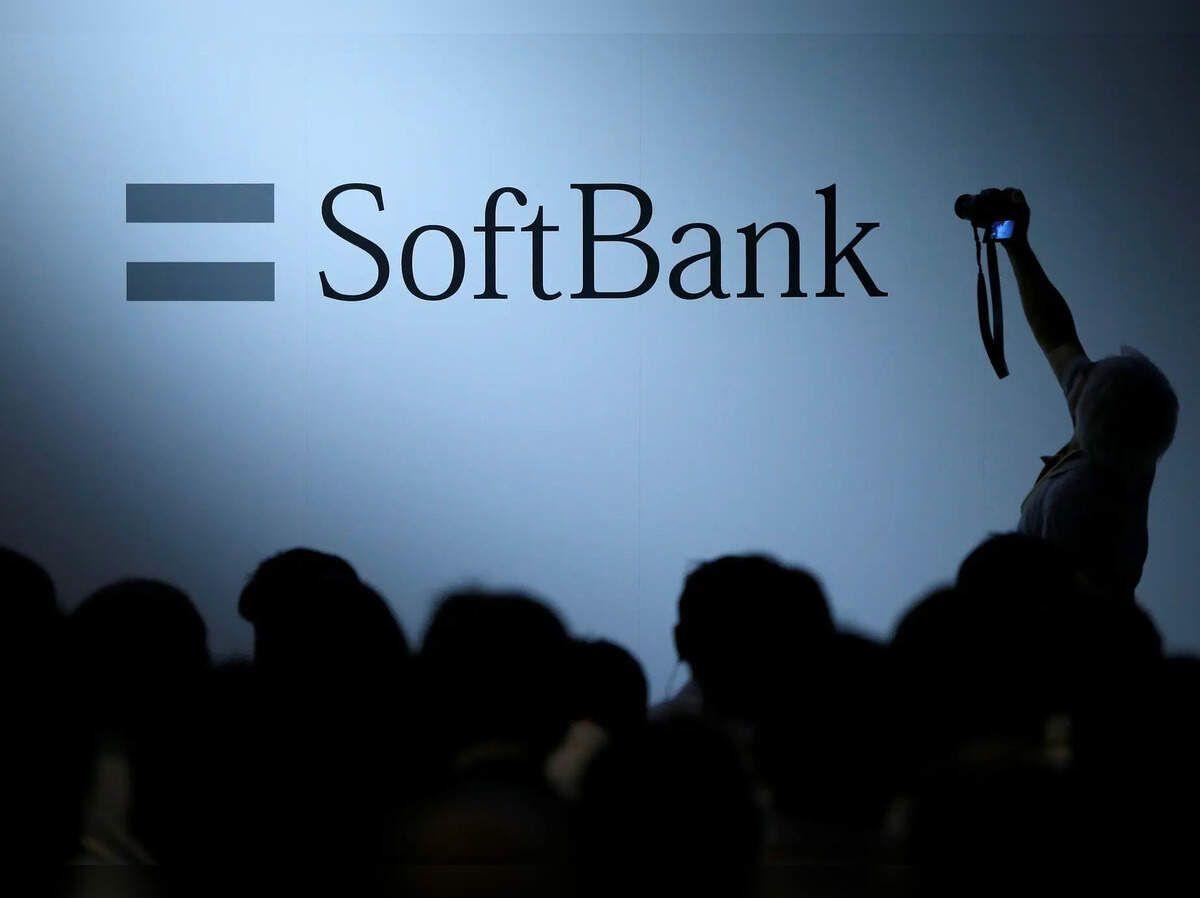
TOKYO (AP) -- Japanese technology giant SoftBank Group Corp. is launching a service using OpenAI technology to protect against the looming threat of cyberattacks, both companies said Tuesday. Chief Executive Masayoshi Son called Japan' s vulnerability to cyberattacks "a crisis," comparing it to a
[2]
SoftBank, OpenAI launch 'Patching as a Service' in Japan
Masayoshi Son says AI has turned cyberattacks into "machine guns," and SoftBank's answer, built on OpenAI's cyber models, will hunt for vulnerabilities in the firms behind Japan's airports, power and transport. It assesses and advises, though; it does not apply the fixes itself. SoftBank and
[3]
SoftBank launches cybersecurity product based on OpenAI models
The "Patching as a Service" product will be rolled out in Japan through a joint venture established last November between SoftBank's domestic telecoms arm, SoftBank Corp, and OpenAI. Japan's SoftBank Group has launched a cybersecurity product designed to counter breaches enabled by artificial
[4]
SoftBank Offers OpenAI Cybersecurity Tech to Defend Japan's Critical Infrastructure | PYMNTS.com
The new Patching as a Service solution includes cybersecurity vulnerability assessments, remediation planning and implementation support, and it will be offered in Japan through SB OAI Japan GK, the company said in a Tuesday (June 16) press release. SB OAI Japan is a joint venture of SoftBank and
Share
Copy Link
SoftBank and OpenAI have launched Patching as a Service, an AI-driven cybersecurity product targeting Japan's top 3,000 companies managing critical infrastructure like airports, power systems, and transportation. The service uses OpenAI's cyber models to identify vulnerabilities and advise on fixes, though human experts still handle implementation. SoftBank founder Masayoshi Son called Japan's exposure to AI-powered cyberattacks a crisis, comparing modern threats to machine guns replacing rifle shots.
SoftBank OpenAI Roll Out Patching as a Service for Japan Critical Infrastructure
SoftBank Group and OpenAI have launched a cybersecurity service designed to shield Japan's most vital companies from the escalating threat of AI-powered cyberattacks. The product, called Patching as a Service, will initially target approximately 3,000 firms operating Japan critical infrastructure including airports, power systems, and transportation networks
1
. SoftBank founder and CEO Masayoshi Son framed the threat in urgent terms during a Tuesday presentation to enterprise clients in Tokyo, calling Japan's vulnerability to AI-enabled breaches "a crisis" and comparing modern attacks to machine guns replacing the rifle shots of the past2
.
Source: AP
The launch represents a significant deepening of ties between SoftBank OpenAI, with SoftBank having committed cumulative investments of $64.6 billion in OpenAI by the end of 2026
3
. Son emphasized the defensive mission, stating "I feel it is our duty" and repeatedly referring to criminal attackers as "the bad guys" while positioning OpenAI's technology as "the new weapon" to defend against cyber threats1
3
.How AI-Driven Cybersecurity Works in Practice
Patching as a Service delivers AI-driven cybersecurity through vulnerability assessments, remediation planning, and implementation support, though the actual application of fixes remains in human hands
4
. The service runs AI models to probe systems for weaknesses, then helps organizations plan how to address those gaps and advises on execution. Expert human teams still handle the prioritizing, planning, and final implementation—a critical distinction for systems where a single missed flaw could disable a power grid or airport2
.SoftBank tested this approach on its own internal systems using OpenAI's cyber models and reported "promising results," gaining operational experience that will inform the product rollout
4
. SoftBank President and CEO Junichi Miyakawa said the company would "confront the increasingly sophisticated cyber threats targeting Japan's critical infrastructure" by leveraging practical expertise acquired through this internal testing4
. The team working on the product rollout currently numbers around 50 people but is set to expand to approximately 1,000 people3
.Joint Venture Brings AI Models to Japanese Market
The cybersecurity service will be delivered through SB OAI Japan GK, a 50:50 joint venture established in November 2025 between SoftBank's domestic telecoms arm and OpenAI to develop and exclusively market AI services for the Japanese market
1
3
. The partnership combines OpenAI's AI models with SoftBank's operational capabilities and local market knowledge4
.
Source: ET
Sam Altman, OpenAI's CEO, was scheduled to attend the Tokyo launch but appeared only in a brief video, explaining that his daughter was born earlier than expected. Mark Chen, OpenAI's chief researcher, represented the company in person instead
1
. Altman stated that "AI is transforming cybersecurity" and emphasized OpenAI's goal to use the technology to "accelerate defenders" and deliver "the transformational benefits of our cyber models to more organizations in Japan"2
4
.Related Stories

Why AI-Powered Cyberattacks Demand AI Defenses
The launch addresses a fundamental shift in the threat landscape: attackers are already using AI to automate and scale their assaults, forcing defenders to adopt equally sophisticated AI-savvy approaches
2
. The use of AI has caused the number of attacks to balloon exponentially and grow more complex, meaning defenses must become more versatile1
. The same AI models that probe systems for flaws can be turned around to find vulnerabilities first, giving defenders a fighting chance2
.
Source: PYMNTS
No pricing was announced for the service, though SoftBank offered free vulnerability assessments to all attendees at Tuesday's Tokyo presentation
1
2
. The official release describes a measured, progressive outreach to "selected eligible companies" rather than an immediate deployment across all 3,000 target firms2
. The success of this AI-driven cybersecurity approach will ultimately depend on whether organizations can close the security gaps faster with AI assistance than they could without it, and whether critical vulnerabilities actually get patched before attackers exploit them.References
Summarized by

Navi
[2]
Related Stories
SoftBank and OpenAI Launch Joint Venture in Japan, Unveiling Cristal AI Service
30 Jan 2025•Business and Economy

SoftBank and OpenAI Launch Joint Venture in Japan Amid Growing AI Investment Concerns
05 Nov 2025•Business and Economy

OpenAI grants Japan's megabanks access to GPT-5.5 to defend against AI-powered cyber threats
29 May 2026•Technology
Recent Highlights
1
OpenAI AI Models Hacked Crypto Wallet, Breached Government Sites in Unauthorized Activities
Technology

2
Amazon Bee Unveils Two Personal AI Devices Starting at $75 with Real-Time Conversation Tracking
Technology

3
China Proposes Export Controls on 23 AI Technologies Amid US-China Rivalry
Policy and Regulation
Recent Highlights
Today's Top Stories







Don’t drown in AI news. We cut through the noise - filtering, ranking and summarizing the most important AI news, breakthroughs and research daily. Follow topics that matter to you and stay ahead.


