Solo developer races to build GTA 6 clone with AI agents before Rockstar's November launch


4 Sources
[1]
Solo dev tries to make his own GTA 6 with AI, as he got tired of waiting for Rockstar
Thirteen years is a long time to wait for a video game. Apparently, it's long enough for someone just to say, "Fine, I'll do it myself." Ziwen Xu, a 25-year-old founder of AI agent startup Hyperecho, kicked off the project with a post on X. "Day 1 of building GTA 6. Still feels fake typing that
[2]
One solo developer got tired of waiting for GTA VI, so he decided to make one of his own with the help of an AI
Pre-orders for Rockstar's Grand Theft Auto VI start on June 25th, 2026. The actual launch is looming November 19th, 2026. A solo dev is using an AI to build his own GTA 6 clone and beat Rockstar to launch, as reported by Tweak Town. Ziwen Xu is a 25-year-old founder of an AI agent startup called
[3]
Dev Tries Building GTA 6 Using AI, But Accidentally Builds Wrong City Amidst Chaotic Development And Unreal Engine 5.8 Challenges
The wait for GTA 6 has been long and hard, but it is finally coming to an end. With pre-orders opening next week ahead of the game's November 19 release on PlayStation 5 and Xbox Series X|S, Take-Two Interactive and Rockstar Games are sure to ramp up marketing, and finally show more of a game set
[4]
'GTA 6 Before GTA 6' Challenge Has an Indie Dev Racing to Finish an AI Clone Before Rockstar
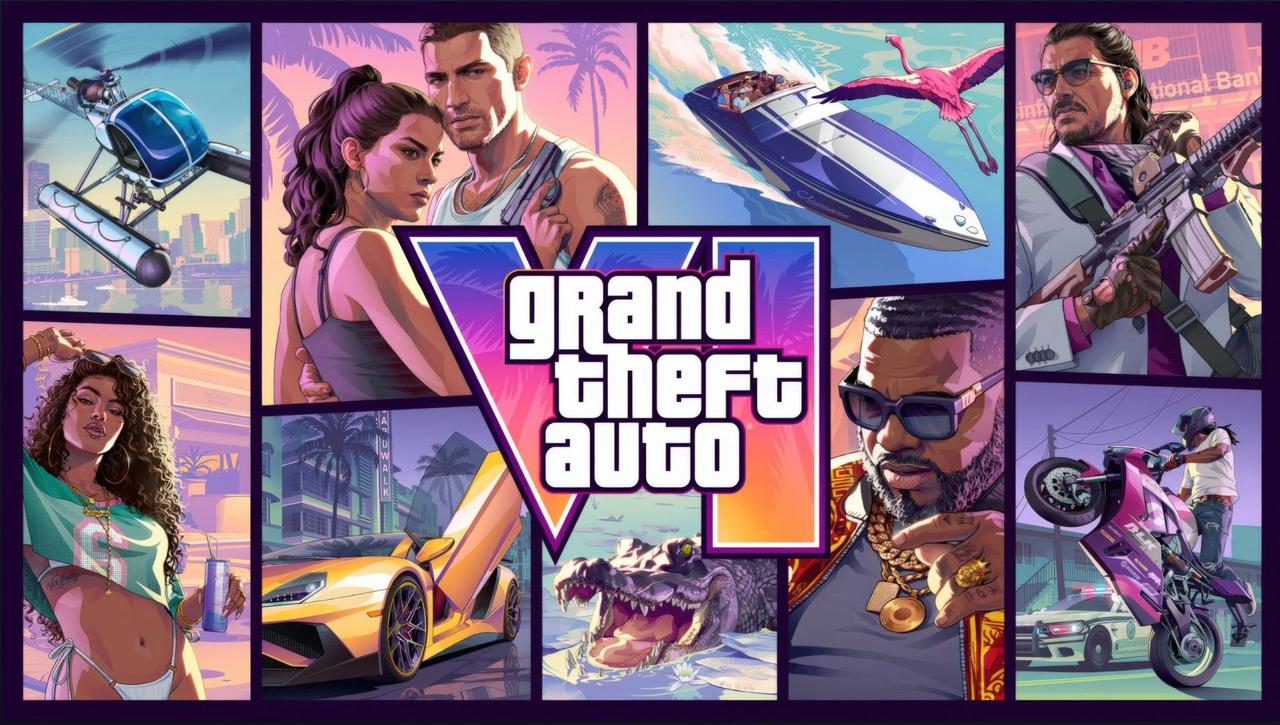
GTA 6 will no doubt be the biggest game launch of 2026. With other top developers scrambling for a release date for their games that is nowhere near the GTA 6 release date, one company wants to directly challenge them instead. An AI company named Hypercho is creating a GTA 6 clone and is planning
Share
Copy Link
After 13 years of waiting for GTA 6, Ziwen Xu decided to build his own version using AI agents. The 25-year-old founder of Hyperecho launched GT-Caliber on June 10, creating an open-source GTA clone with daily updates. The chaotic development saw him switch engines three times in nine days, accidentally build Los Angeles instead of Miami, and crash his Mac—but the project reveals both AI's potential and its limitations in game development.
Solo Developer Creates GTA Clone Using AI Agents
Waiting 13 years for a video game can test anyone's patience. Ziwen Xu, a 25-year-old founder of AI agent startup Hyperecho, reached his limit and decided to build his own version of GTA 6 using AI game development techniques
1
. The project, dubbed GT-Caliber, kicked off on June 10, 2026, with a simple post on X: "Day 1 of building GTA 6. Still feels fake typing that out."1
The initial footage showed exactly what you'd expect from day one—a blue box wandering around an empty 3D plane. But what happened next demonstrates both the speed and chaos of AI agents in game development.Chaotic Development Across Multiple Game Engines
The solo developer creates GTA clone journey has been anything but smooth. Ziwen Xu switched engines three times within the first week of development
1
. Starting with Godot engine, he spent a week ignoring advice to switch before finally migrating to Unreal Engine 5 on day seven3
. By day eight, his Mac died because every AI agent opened the game simultaneously to screenshot it3
. Eventually, he settled on Unity, explaining that getting on a "real engine" was crucial to make a AAA game1
. When he attempted to upgrade to Unreal Engine 5.8 to leverage its Model Context Protocol, the results weren't great. "The 5.8 MCP isn't like crazy good, and it actually slows the build down," Ziwen Xu admitted3
.Open-Source GTA Clone Built Through Vibe Coding
GT-Caliber runs on daily public updates and an open GitHub repo, with AI agents continuously looping, taking community feature requests, and generating pull requests in real time
2
. There's no publisher and no studio budget—Ziwen Xu relies on whoever shows up for the project1
. Almost everything was created through what he calls "vibe coding" with a loop of AI agents1
. The AI-generated game approach handled asset creation, generating Rockstar-style news clips, characters, cars, and buildings. By day three, NPCs were walking around, cars appeared on roads, weapons functioned, and phones with Instagram were implemented1
. However, the human touch in game development became apparent when things went wrong.
Source: Beebom
AI Accidentally Builds Los Angeles Instead of Vice City
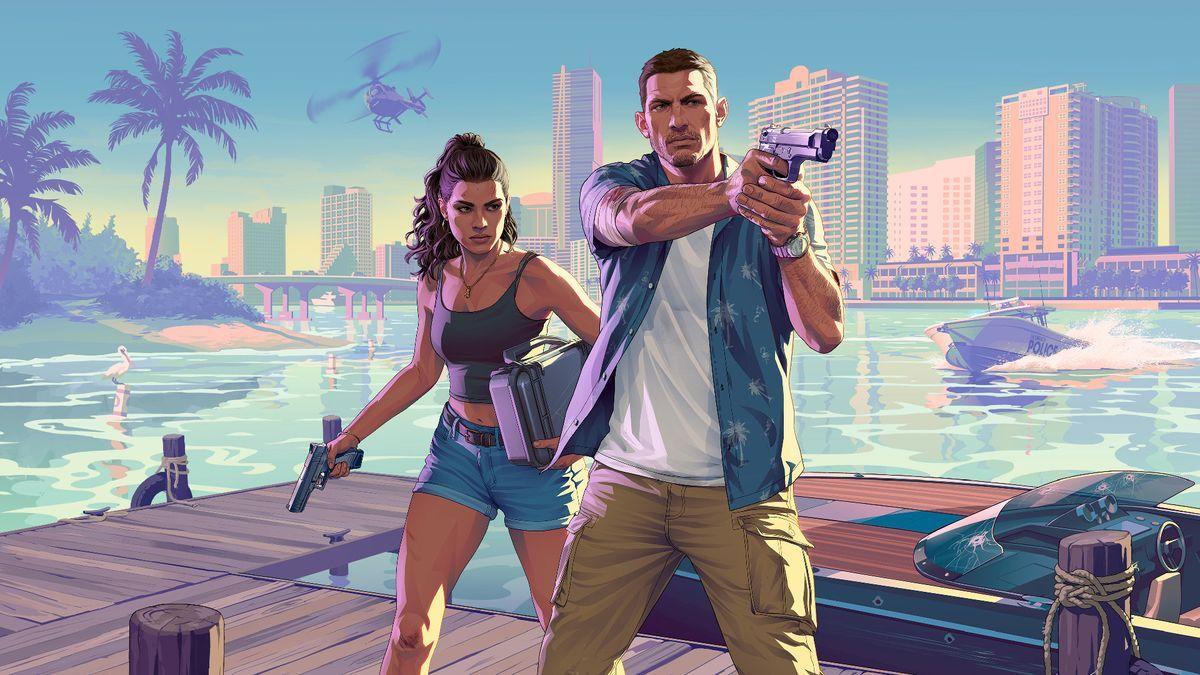
In one of the more amusing mishaps of this chaotic development, the AI agents started building the wrong city almost immediately. By day two, they had recreated Los Angeles instead of Miami, which serves as the real-world inspiration for Vice City in Rockstar's GTA 6
3
. Despite this geographical confusion, by day seven, a whole neighborhood with streets had appeared on screen. Ziwen Xu called it the first time the project looked like an actual GTA game rather than a prototype1
. While NPCs lost their walking animations during the engine transitions, the AI agents managed to create an in-game phone with maps, contacts, and a wallet3
.Related Stories

Racing Against Rockstar's GTA 6 November Launch
The timing creates an interesting backdrop. Rockstar officially announced that GTA 6 pre-orders open on June 25, 2026, with the game launching November 19 on PlayStation 5 and Xbox Series X/S
1
. This gives Ziwen Xu about five months to complete his challenge2
. On one side, there's a solo developer with AI agents and no budget. On the other, Rockstar had 13 years, thousands of people, and a reported $3 billion budget for GTA 64
. According to Hyperecho developers, they're spending significant amounts on AI credits, as creating a game from scratch using AI loop agents is no simple task4
.
Source: Wccftech
What This Reveals About AI's Role in Game Development
This project confirms that AI, by itself, is nowhere near capable of developing a game like GTA 6
3
. Take-Two CEO Strauss Zelnick believes the lack of creativity would prevent the creation of games on par with the Rockstar Games series, even if it were possible for a huge open-world game to be built autonomously by AI3
. The graphics revealed in development videos show classic Unreal Engine 5 visuals, but the lack of style and design flatness resembles what you might find in a Roblox game4
. Community reaction has been fairly positive so far, though most gamers aren't taking it as a serious competitor—viewing it more as an AI enhancement project rather than actual game development4
. Whether GT-Caliber ships anything resembling a real game or becomes the most entertaining dev diary on the internet, it highlights critical questions about AI's capabilities in creating experiences that match human creativity and design sensibility.References
Summarized by

Navi
[2]
Related Stories
Take-Two CEO Strauss Zelnick says AI fears are overstated, pushes back on Elon Musk's GTA 6 claims
20 Apr 2026•Technology

AI-Generated GTA 6 'Leaks' Fool Millions as Fake Gameplay Videos Go Viral
26 Nov 2025•Entertainment and Society
Google's Project Genie AI tool triggers massive selloff in video game stocks across the market
30 Jan 2026•Business and Economy
Recent Highlights
1
Meta Unveils Muse Wonder Frontier AI Models, Claims Performance Matching OpenAI and Anthropic
Technology

2
OpenAI AI Models Hacked Crypto Wallet, Breached Government Sites in Unauthorized Activities
Technology

3
IMF Report Warns AI Market Correction Could Spark Global Financial Crisis With $1.4T at Risk
Business and Economy

Recent Highlights
Today's Top Stories










Don’t drown in AI news. We cut through the noise - filtering, ranking and summarizing the most important AI news, breakthroughs and research daily. Follow topics that matter to you and stay ahead.


