Sony RX10 V brings AI autofocus from Alpha lineup to bridge cameras with 4K 120fps video


2 Sources
[1]
Sony revives the RX10 with AI autofocus, 4K 120fps, and a longer-lasting battery
It comes with AI that tracks birds mid-flight and provides 25x optical zoom with no lens changes required. Sony just revived its most beloved all-in-one body camera with autofocusing AI from its professional Alpha mirrorless lineup. Everything that made the previous generations great is still
[2]
Sony Unveils RX10 V Digital Camera
Sony has unveiled the much-sought-after successor to their legendary RX10 bridge camera. At the forefront of this camera is the very same ZEISS 24-600mm f/2.4-4 Vario-Sonar T* found in the IV. It's sharp, bright, and sits in front of the heart of the camera. That is the Exmor RS 20.1-Megapixel 1.0
Share
Copy Link
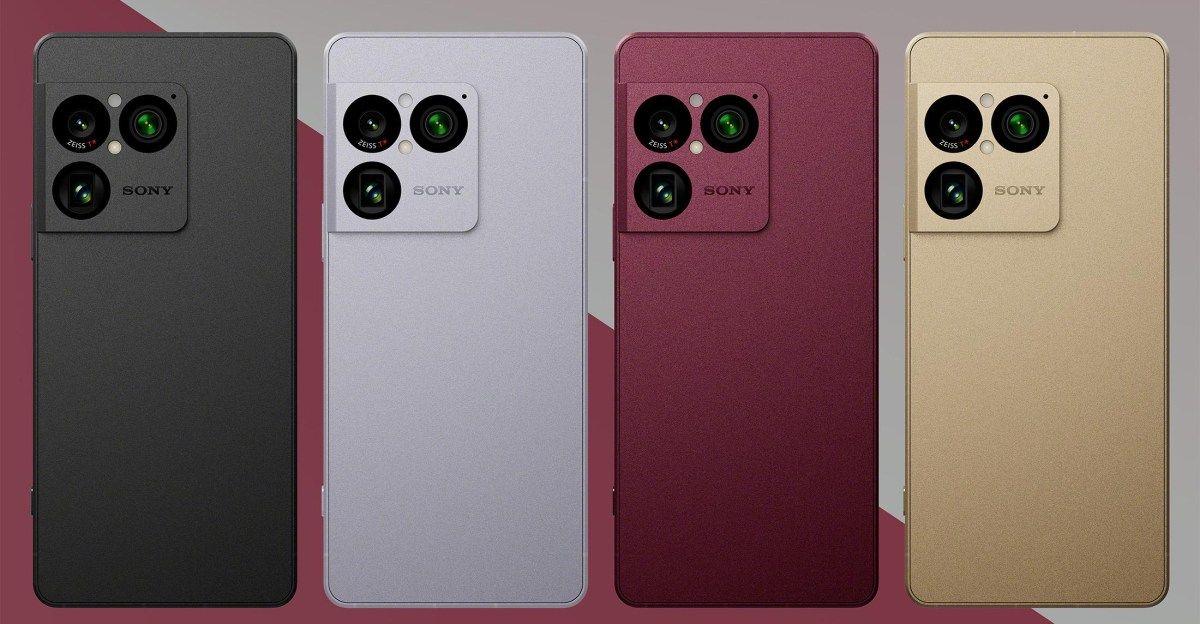
Sony has unveiled the RX10 V, reviving its all-in-one bridge camera series with AI autofocus borrowed from its professional Alpha mirrorless lineup. The digital camera features real-time subject recognition, 4K 120fps video recording, and 30fps continuous shooting—closing the performance gap between bridge cameras and professional mirrorless systems.
Sony RX10 V bridges the gap with professional AI autofocus
Sony has unveiled the Sony RX10 V, breathing new life into its beloved all-in-one bridge camera series by integrating AI autofocus technology from its professional Alpha mirrorless lineup
1
. This digital camera represents a substantial upgrade over the RX10 IV, particularly in how it handles fast-moving subjects through AI-powered subject recognition that automatically identifies people, animals, birds, insects, cars, trains, and airplanes2
.At the heart of the RX10 V sits the BIONZ XR AI processor, which drives real-time recognition and tracking capabilities that fundamentally change how the camera performs in real conditions
1
. The system executes 60 AF/AE calculations per second, enabling the camera to genuinely keep up with an egret changing direction mid-flight—something previous RX10 models struggled to achieve1
.Advanced features in a compact form factor redefine versatility
The RX10 V retains the beloved ZEISS Vario-Sonnar T* lens covering 24mm to 600mm at F2.4 to 4.0, delivering 25x optical zoom without requiring lens changes
1
. This ZEISS lens sits in front of the Exmor RS 20.1-megapixel 1.0-type stacked sensor, which delivers detailed image rendering with smooth, natural gradations2
. The sensor's stacked architecture boosts readout speed, effectively eliminating rolling shutter distortion that plagues many competing cameras.For wildlife and sports photographers, the camera introduces blackout-free continuous shooting at 30 frames per second with AF/AE tracking functionality
2
. Sony's Speed Boost feature, popular in the Alpha series, allows users to capture only the most captivating moments at high speed, reducing unnecessary shots before and after the main sequence2
.4K video recording capabilities leap forward
Video performance receives a major upgrade with 4K video recording at 120fps, though this comes with a relatively narrower field of view
1
. This represents a substantial improvement over the RX10 IV, which topped out at 4K 30fps1
. The camera also offers 4K 60p full-pixel readout recording with 5.4K oversampling, 4K 60p full-pixel 4:2:2 10-bit video, improved audio recording, and the introduction of S&Q mode for creative slow-motion and quick-motion effects2
.Active Mode Image Stabilization uses a new gyro sensor alongside the latest algorithms to provide a highly effective blend of electronic and optical stabilization while shooting
2
. The new Creative Look feature makes it easy to create visual styles for still images and movies directly in camera, with 12 preset looks that can be edited to create custom looks2
.Related Stories


Battery life and viewfinder upgrades enhance usability
Battery life improves by 50% over the previous model, with the NP-FZ100 pack delivering approximately 630 shots
1
. There's a new Quad-VGA OLED viewfinder onboard as well, featuring 3.68 million dots that help compose clearly in direct sunlight1
. The camera also includes a 3-inch 1.62-million-dot tilting touchscreen LCD for flexible shooting angles2
.Pricing and availability signal premium positioning
The Sony RX10 V will be available to purchase in the United States starting in August 2026 at $2,299
1
. This represents a $600 increase over the RX10 IV's launch price of $1,699.991
. For photographers who shoot wildlife, birding, sports, or travel and want a single lens that covers their entire range without swapping lenses, this price buys something no mirrorless kit offers in a single body1
. The RX10 series has quietly maintained a devoted community of photographers who prefer a single all-in-one body over a multi-lens mirrorless kit, and the RX10 V closes the autofocus gap that previously separated the RX10 from Alpha cameras1
.References
Summarized by

Navi
[2]
Related Stories
Recent Highlights



Recent Highlights
Today's Top Stories






Don’t drown in AI news. We cut through the noise - filtering, ranking and summarizing the most important AI news, breakthroughs and research daily. Follow topics that matter to you and stay ahead.


