NVIDIA and Elon Musk race to put AI data centers in space as Earth-based limits bite


3 Sources
[1]
Elon Musk might be right -- here's why putting AI data centers in space isn't as crazy as it sounds
When we upload photos, stream movies and search Google, we often don't think about the consequences. "The cloud" has made the internet feel weightless but AI is making the physical side of the internet impossible to ignore. As useful as it may be, AI does not just run on software. It runs on land,
[2]
Big Tech eyes orbital data centers for "near continuous" solar power
Across the globe, the rapid deployment of AI infrastructure is running up against physical limits. Rather than technology, AI data centers currently face constraints caused by access to power, water for cooling, and delays in receiving building permit approvals that in some cases now stretch for
[3]
NVIDIA Silently Builds an Orbital AI Empire With 5 Partners, Racing Elon Musk to Put Datacenters in Space
NVIDIA is reaching for the stars, literally, as the company plans to build its future AI datacenters in outer space as terrestrial resources become a major constraint. Outer Space is becoming the new real estate gold mine for AI datacenters. Building data centers in space can be costly, but as
Share
Copy Link
NVIDIA is partnering with five space companies to build orbital AI infrastructure, while Elon Musk's SpaceXAI teams with Anthropic for multi-gigawatt space facilities. The push comes as terrestrial data centers face severe power, water, and land constraints—with some projects facing seven-year permit delays.
NVIDIA Quietly Builds Orbital AI Infrastructure
NVIDIA is advancing plans to deploy AI data centers in space through partnerships with five companies: Starcloud, Planet Labs, Kepler Communications, Firefly Aerospace, and Sophia Space
3
. The chip giant unveiled its Space-1 Vera Rubin model designed specifically for data-center-class AI at scale in orbit, featuring a tightly integrated GPU-CPU design with high-bandwidth interconnect powered entirely by solar energy3
. Starcloud, part of NVIDIA's Inception program, has proposed a 5-gigawatt facility spanning 4 square kilometers featuring super-large solar plates and leveraging deep space vacuum for cooling3
.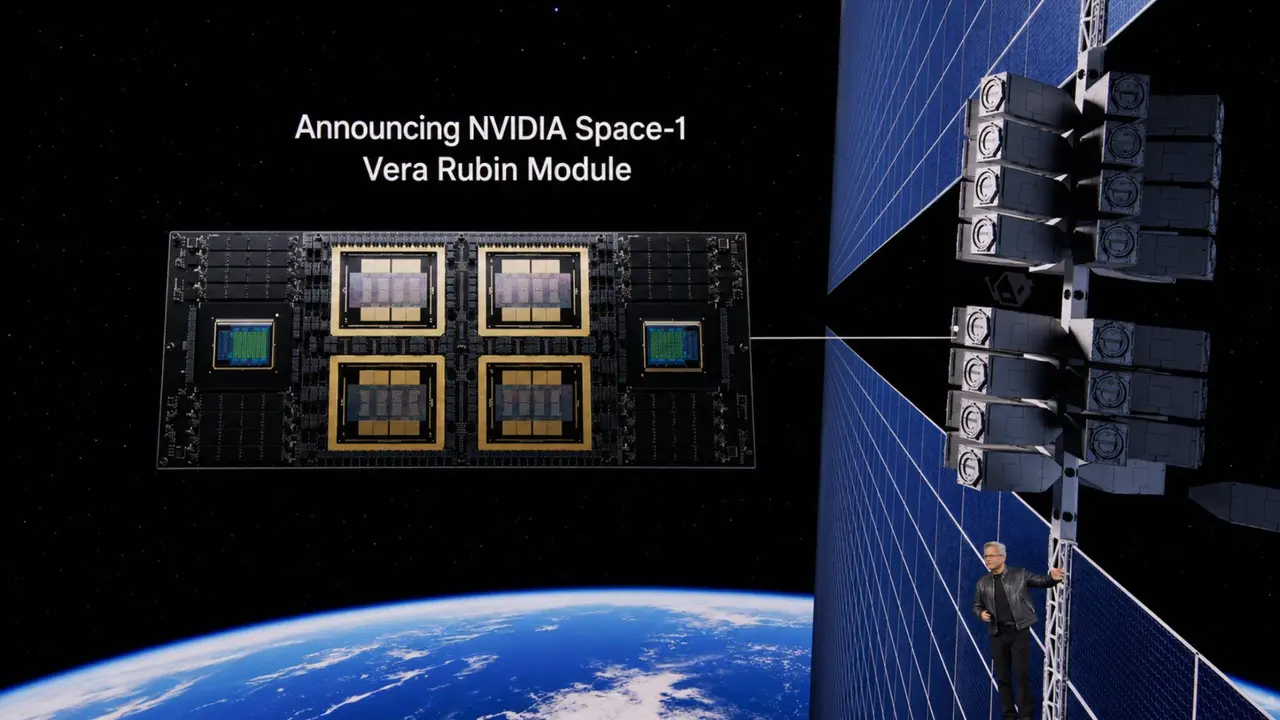
Source: Wccftech
Elon Musk and Tech Giants Join the Space Race
Elon Musk's SpaceXAI has partnered with Anthropic to build multi-gigawatt orbital data centers, with Anthropic reportedly agreeing to use SpaceX's Colossus 1 infrastructure and expressing interest in gigawatts of orbital compute
1
. Google is also in talks with SpaceX about launching orbital facilities as part of Google Project Suncatcher, an effort to test solar-powered, satellite-based AI cloud infrastructure using its own Tensor Processing Units1
. Aetherflux, a startup focused on space-based power beaming, recently rebranded as Cowboy Space and is pitching a constellation of orbital AI data centers by turning rocket upper stages into facilities themselves1
.
Source: Tom's Guide
Terrestrial Data Center Challenges Drive Space Push
The shift toward space-based AI reflects mounting resource constraints on Earth. Global data center electricity consumption is projected to exceed 1,000 terawatt-hours by the end of 2026, roughly equivalent to Japan's entire annual consumption
1
. In Northern Virginia, new power connection waits can stretch up to seven years2
. EU data centers are expected to represent 4% of the region's electricity demand by 2030, exceeding the Netherlands' current annual consumption2
. Communities are pushing back against facilities that consume thousands of acres and massive water supplies for cooling, with environmental and social challenges becoming zoning and regulatory battles1
.Related Stories
How Orbital Data Centers Solve Earth's Bottlenecks
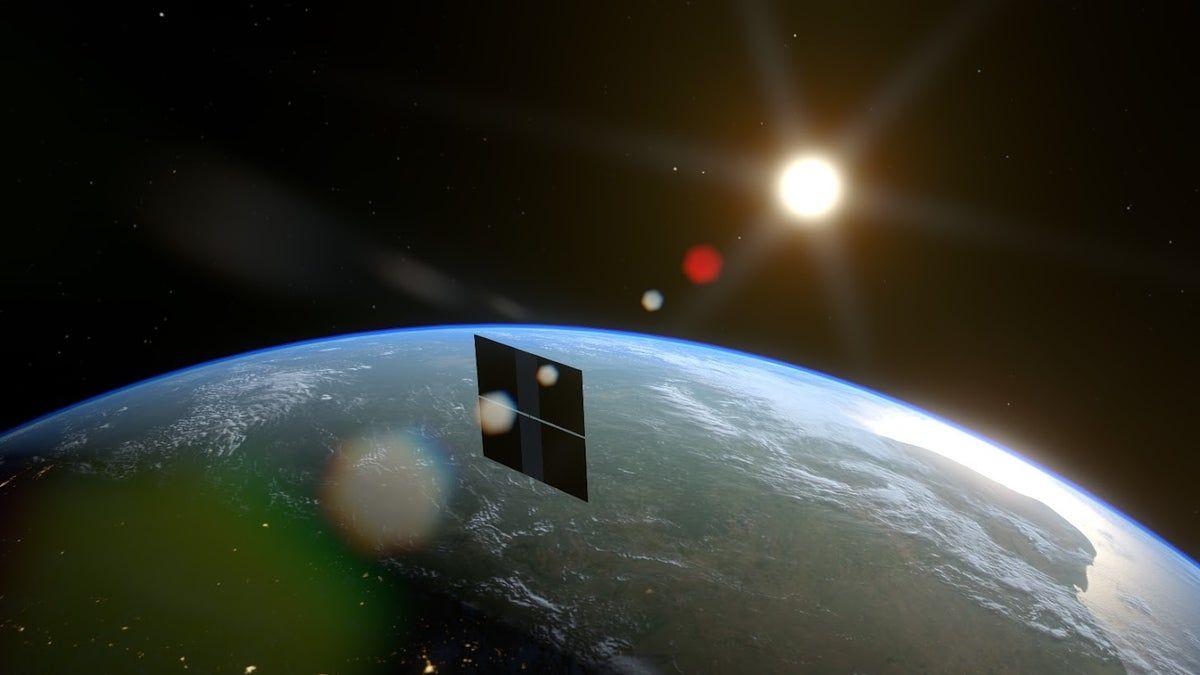
Orbital data centers hosted in low earth orbit at altitudes of 400-1,400 km offer near continuous solar power through specific orbital regimes like dawn-dusk sun-synchronous orbits
2
. NVIDIA projects 10x lower energy costs versus Earth-based facilities, with power and cooling essentially unlimited in space3
. These facilities eliminate pressure on local power grids, land conflicts, dependence on water-heavy cooling, and battles with communities opposed to massive infrastructure projects1
. The approach bypasses terrestrial bottlenecks when facilities are expected to come online in the next 5-7 years2
.
Source: TechRadar
Technical Hurdles and Timeline Realities
Success requires engineering across six critical areas: continuous solar power at scale, effective thermal management handling temperature spreads from +120°C to -250°C, resilient compute platforms with radiation hardening and autonomous operation, high-throughput network links including optical inter-satellite connections, and reduced launch costs
2
. Launch costs currently account for roughly 40% of total investment, but reusable systems like SpaceX's Starship targeting sub-$100 per kg versus historical rates of $2,000-$10,000 per kg are reshaping economics2
. A recent demonstration successfully tested an H100-class GPU payload in space, marking progress toward space-based AI infrastructure2
. Google's early-2027 mission is designed as a learning test to determine whether hardware can survive and function in orbit1
.References
Summarized by

Navi
[1]
Related Stories
AI Trained in Space as Tech Giants Race to Build Orbiting Data Centers Powered by Solar Energy
11 Dec 2025•Technology
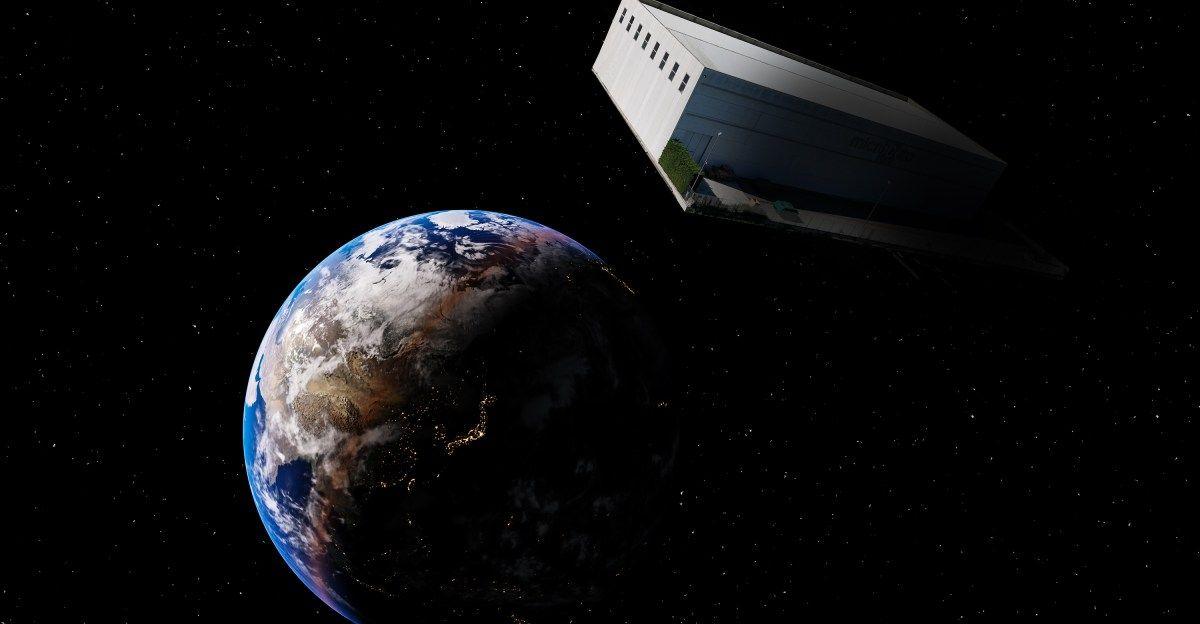
Nvidia unveils Vera Rubin Space Module for orbital AI data centers as space computing race heats up
17 Mar 2026•Technology

SpaceX pushes AI data centers into orbit as Musk predicts space will beat Earth in 36 months
06 Feb 2026•Technology
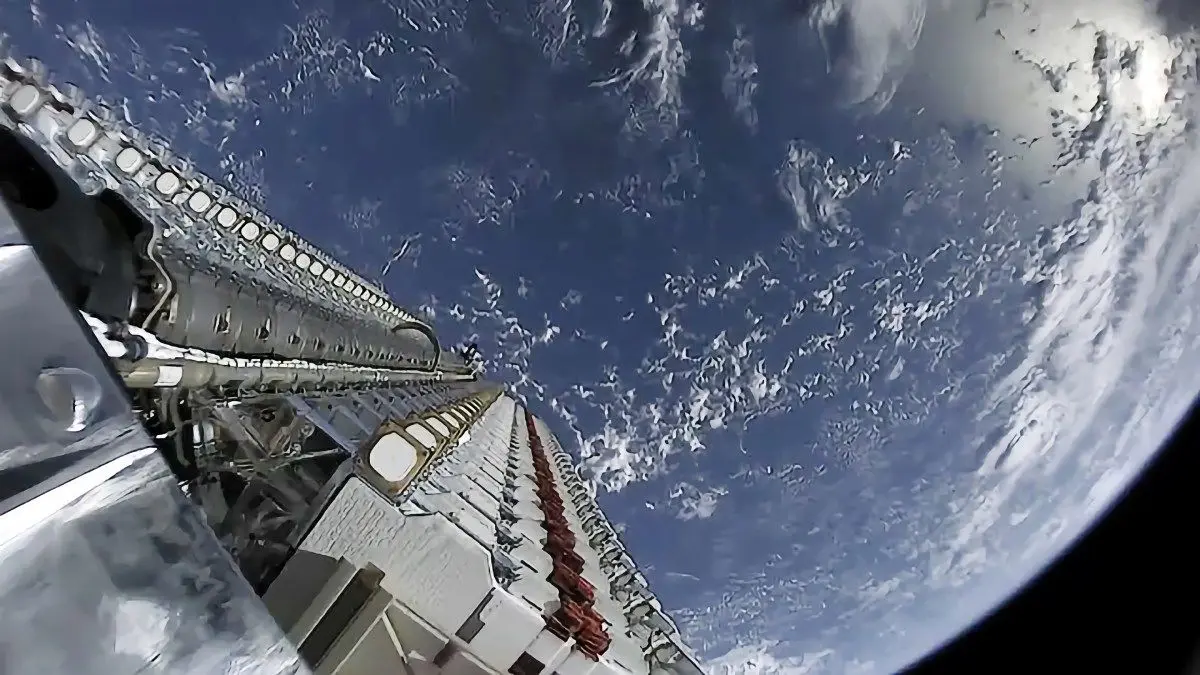
Recent Highlights



Recent Highlights
Today's Top Stories







Don’t drown in AI news. We cut through the noise - filtering, ranking and summarizing the most important AI news, breakthroughs and research daily. Follow topics that matter to you and stay ahead.


