SpaceX Plans to Launch Nvidia AI Computers in Orbit by 2027, Musk Says


3 Sources
[1]
Elon Musk Says Orbital Nvidia Computers Launch Next Year -- Can SpaceX Actually Pull It Off? - SpaceX (NAS
Over the weekend, SpaceX (NASDAQ:SPCX) CEO Elon Musk posted on X that "I am highly confident that SpaceX will be launching Nvidia VR NLV72 AI computers in space next year," reigniting a debate over whether orbital data centers are close to reality or still mostly a pitch deck. * SpaceX stock is
[2]
Elon Musk 'Highly Confident' SPCX Will Put NVDA AI Computers in Space in 2027 - SpaceX (NASDAQ:SPCX)
Space Exploration Technologies Corp. (NASDAQ:SPCX) CEO Elon Musk has reaffirmed that the commercial spaceflight company will put NVIDIA Corp's (NASDAQ:NVDA) orbital AI computing system in space by next year. Elon Musk Is 'Highly Confident' On Sunday, user RyanFox.eth took to the social media
[3]
Elon Musk sends strong signal for SpaceX, Nvidia stocks
SpaceX (SPCX) and Nvidia (NVDA) stocks have taken different roads of late, but there's still plenty of interest in where their AI stories go next. SpaceX shares are trading at around 12% higher than their $135 June IPO price, Reuters reported, despite some wild swings since going public, while
Share
Copy Link
Elon Musk announced that SpaceX will launch Nvidia's Vera Rubin NVL72 AI computers into space next year, accelerating plans for orbital AI computing infrastructure. The move positions SpaceX's AI business to potentially exceed $13 billion in annual recurring revenue, though significant technical challenges around heat dissipation and timeline feasibility remain.
SpaceX Accelerates Timeline for Orbital AI Computing
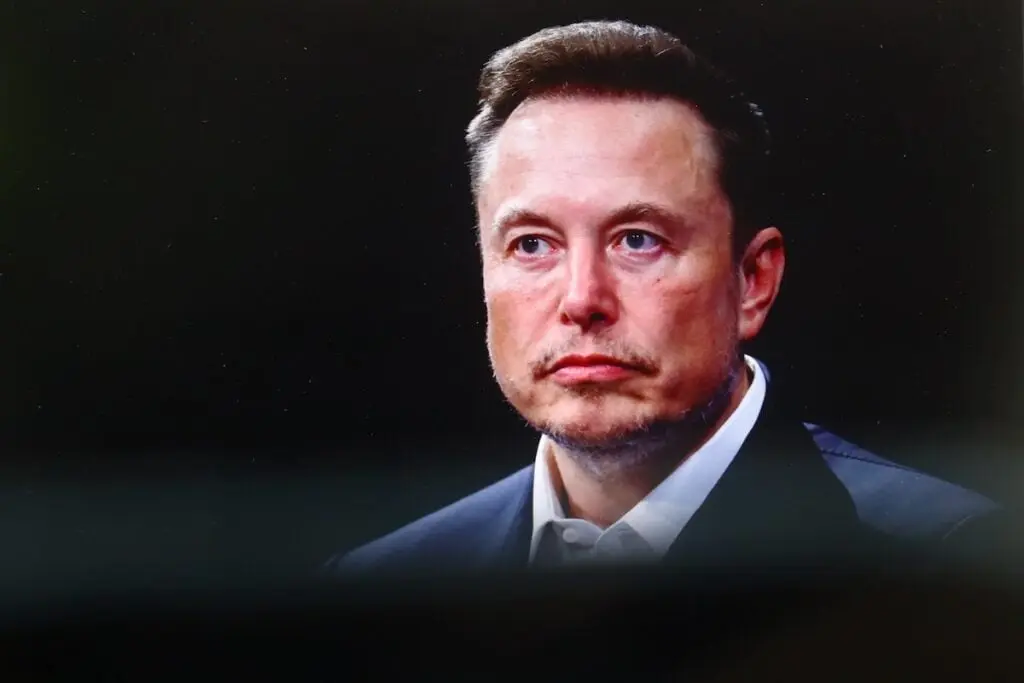
Elon Musk declared over the weekend that he is "highly confident" SpaceX will launch Nvidia AI computers in space next year, marking an aggressive push into orbital AI computing
1
. The announcement specifically references Nvidia's Vera Rubin NVL72 rack system, which SpaceX plans to adapt for its Starmind AI satellite platform1
. This timeline sits well ahead of SpaceX's internal roadmap, which previously targeted initial demonstrations by late 2027 and broader deployment as early as 2028, according to materials shared with investors ahead of the company's June IPO1
.
Source: Benzinga
Nvidia Partnership Powers Space Computing Infrastructure
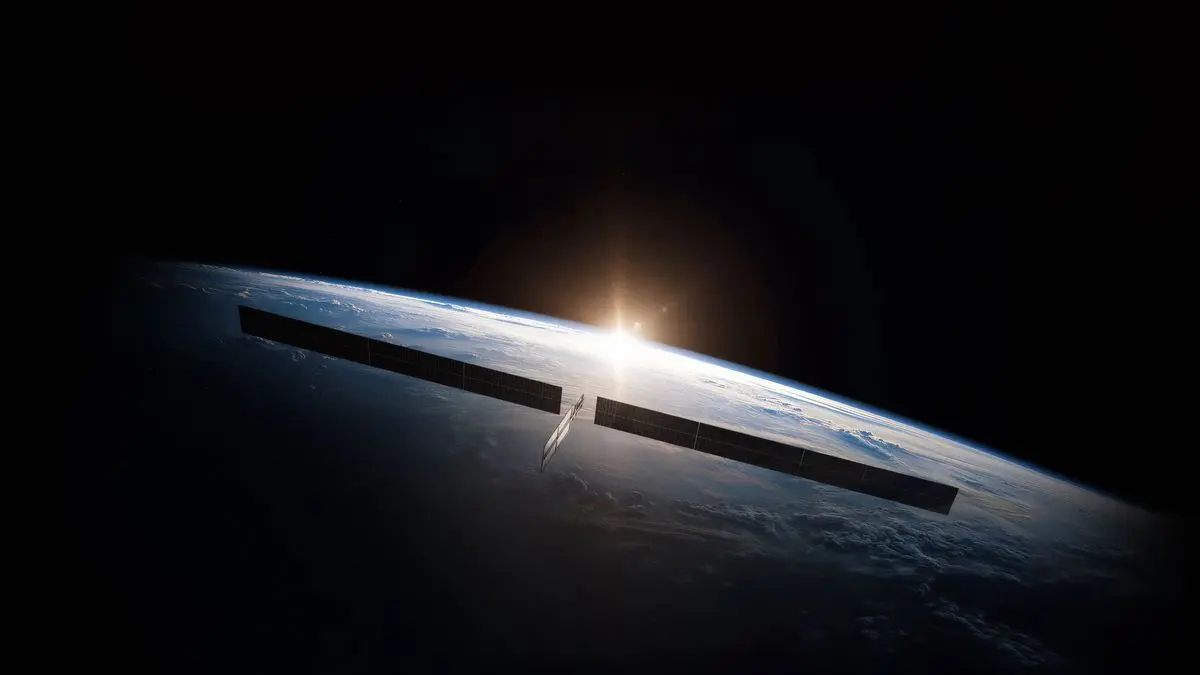
SpaceX has partnered with Nvidia to deploy the Vera Rubin platform, combining 72 Rubin GPUs and 36 Vera CPUs into a space-adapted configuration
3
. Musk described the Starmind AI satellite as "a radical simplification of the normal NVL72 rack" designed for both ground and orbital deployment1
. The collaboration addresses multiple technical constraints around energy, thermal management, bandwidth, and physical integration required for space operations3
. Nvidia AI systems in this configuration represent a significant leap in AI hardware deployment capability, though rival Starcloud has only managed to fly a single Nvidia H100 chip to date, highlighting the complexity of multi-GPU space deployment1
.Technical Challenges Loom Over Ambitious Launch Schedule
The physics of orbital AI computing infrastructure present substantial obstacles. Space lacks atmosphere, eliminating conduction and convection as cooling methods, leaving only radiators to shed heat
1
. A rack pulling power from dozens of Rubin GPUs generates far more waste heat than any system previously flown, making thermal management a critical engineering challenge1
. Additionally, Starship, the reusable rocket meant to carry NVL72 AI computers affordably, remains years behind Musk's original targets according to Reuters1
. Heat dissipation in the vacuum of space requires fundamentally different approaches than terrestrial data centers, and SpaceX must solve these constraints while maintaining system reliability.Related Stories
SpaceX's AI Business Shows Commercial Momentum
SpaceX CFO Bret Johnsen recently revealed the company secured an AI hosting agreement worth $13 billion in annual recurring revenue, with service beginning December 1
2
3
. During an August all-hands meeting, Musk told employees that AI revenue would "definitely" exceed all other SpaceX revenue, with expectations to "significantly exceed" other revenue streams in Q43
. SpaceX also maintains compute agreements with Alphabet and Anthropic, positioning the company's AI infrastructure business as a major growth driver2
. Wall Street estimates project nearly $100 billion of SpaceX revenue in 2027, including $60 billion from AI according to Barron's3
.Market Implications and Investor Outlook
SpaceX shares trade approximately 12% higher than their $135 June IPO price despite volatility since going public, while Nvidia has gained 7% over three months and 16% year-to-date
3
. Nvidia shares trade near $218 amid broader scrutiny of AI infrastructure spending, making SpaceX's orbital ambitions a test of investor patience1
. Cathie Wood's ARK Invest has noted that SpaceX's $100 billion Louisiana Starbase appears "massively overbuilt" for current needs, suggesting the company is betting heavily on AI growth2
. Musk's timelines have slipped before on Starship test flights and Full Self-Driving, making execution critical. A working orbital NVL72 by next year would mark a milestone, though even a demonstrator unit reaching orbit would represent meaningful progress toward combining SpaceX's launch capability, Starlink network, and compute infrastructure into a unified platform1
3
.References
Summarized by

Navi
[1]
[2]
[3]
Related Stories
SpaceX commits exclusively to Nvidia chips as AI infrastructure spending hits $18.4 billion
05 Aug 2026•Business and Economy

SpaceX commits exclusively to Nvidia GPUs as Musk plans orbital AI data centers with Vera Rubin
05 Aug 2026•Technology

SpaceX IPO banks on orbital AI data centers to justify $1.77 trillion valuation
03 Jun 2026•Business and Economy

Recent Highlights



Recent Highlights
Today's Top Stories









Don’t drown in AI news. We cut through the noise - filtering, ranking and summarizing the most important AI news, breakthroughs and research daily. Follow topics that matter to you and stay ahead.


