Spain adds third quantum computer to Barcelona Supercomputing Center in €9.8 million push


2 Sources
[1]
Spain adds third quantum computer to its supercomputing center
Spain has unveiled its third quantum computer at the Barcelona Supercomputing Center (BSC-CNS), which will be integrated into the MareNostrum 5 system. Funded by the European Union and Spain's Secretariat of State for Digitalisation and Artificial Intelligence, the € 9.8 million (US$11.4 M) quantum
[2]
Spain unveils €9.8 million quantum supercomputer
This supercomputer, located at Barcelona's BSC-CNS centre, can combine classical computing with both digital and analogue quantum computing. Spain has unveiled its third quantum supercomputer, a 9.8-million-euro investment aimed at speeding up research and artificial intelligence (AI). The
Share
Copy Link
Spain has unveiled its third quantum computer at the Barcelona Supercomputing Center, integrating an analog quantum system into the MareNostrum 5 infrastructure. The €9.8 million machine, built by Barcelona-based Qilimanjaro Quantum Tech, marks a significant step toward European technological sovereignty in advanced computing capabilities.
Spain Unveils Third Quantum Computer at Barcelona Supercomputing Center
Spain has added its third quantum computer to the Barcelona Supercomputing Center (BSC-CNS), marking a significant milestone in Europe's push for technological independence in advanced computing
1
. The €9.8 million project ($11.4 million) was funded jointly by the European Union and Spain's Secretariat of State for Digitalisation and Artificial Intelligence, with the system designed and built by Barcelona-based company Qilimanjaro Quantum Tech2
. This latest addition will be integrated into the MareNostrum 5 system, creating a hybrid infrastructure capable of combining classical computing with quantum computing and AI1
.
Source: Interesting Engineering
Analog System Expands Quantum Computing Capabilities
Unlike the two previously installed machines, the newest quantum computer is an analog quantum computer rather than a digital one
2
. While digital quantum computers operate through sequences of logic gates and can run a wide array of quantum algorithms, analog systems map problems to quantum physical states and allow them to evolve over time1
. This makes analog quantum computers particularly suited to solving complex problems in physics and chemistry, though they cannot be adapted to run discrete algorithms like their digital counterparts1
. The complementary nature of these systems positions the BSC-CNS to tackle a broader range of computational challenges.MareNostrum Ona Delivers Results for Research Projects
The quantum partition of the MareNostrum 5 system, known as MareNostrum Ona, has already demonstrated significant utility since its launch in February 2025
2
. The first two digital quantum computers have clocked up 4,200 computing hours, supporting 53 research projects selected by the Spanish Supercomputing Network1
. All three quantum computers are housed in the historic chapel of Torre Girona, the same space that hosted the first four versions of the MareNostrum supercomputer between 2005 and 20232
. This growing computational capacity enables researchers to explore applications in drug discovery, climate modeling, and other areas where quantum computing shows particular promise.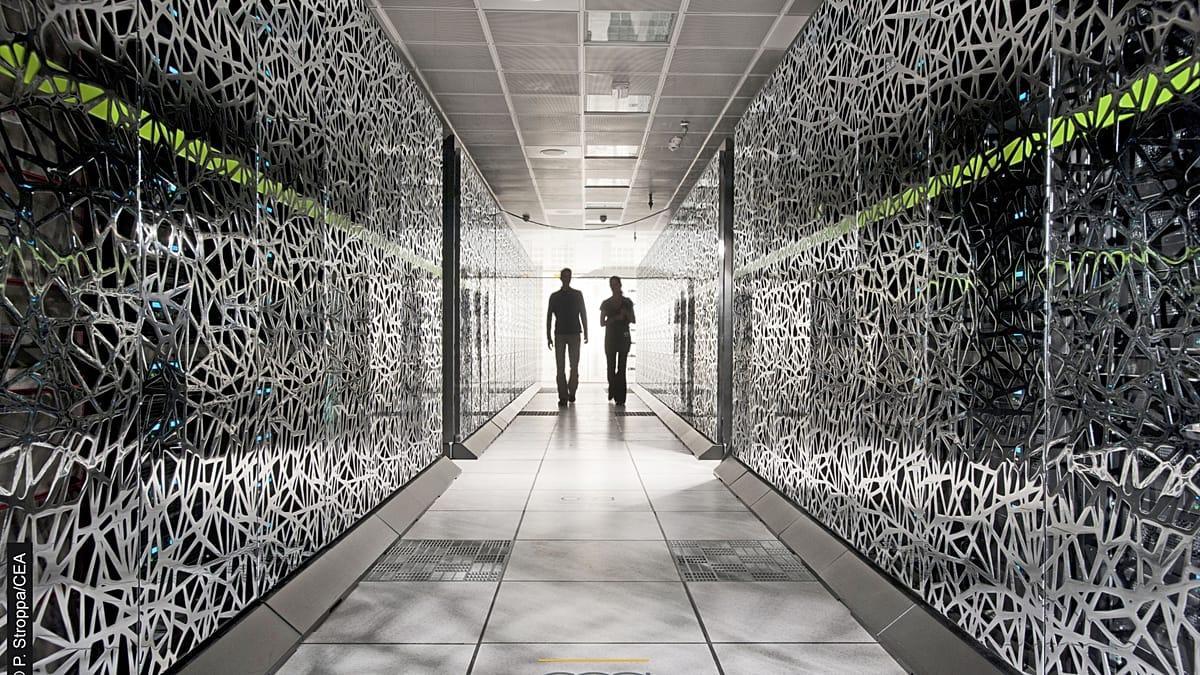
Source: Euronews
Related Stories

European Technological Sovereignty Takes Center Stage
The deployment reflects a strategic emphasis on European technological sovereignty, reducing dependence on third countries for critical infrastructure
2
. Núria Montserrat, Catalan Minister for Research and Universities, emphasized that "with technologies developed here, in the supercomputer, backed by Catalan and Spanish public policies and major partnerships with Europe, we are able to produce our own European technology in pursuit of strategic autonomy so as not to depend on third countries"1
. The new quantum computer will be integrated into the European quantum computing network promoted by the European High Performance Computing Joint Undertaking (EuroHPC JU), which aims to strengthen the region's supercomputing capabilities [2](https://www.eurone ws.com/next/2026/05/28/spain-and-eu-launch-new-10-million-quantum-computer-in-barcelona). To date, EuroHPC JU has acquired six quantum computers distributed across different European countries, with three already inaugurated in Poland, the Czech Republic, and Germany2
. As private companies in the United States continue to lead quantum computing development, Europe's coordinated approach through initiatives like EuroHPC positions the region to maintain control over future technological infrastructure essential for economic competitiveness and national security.References
Summarized by

Navi
[1]
[2]
Related Stories
Taiwan's New AI Supercomputer to Boost Research in Quantum Computing and Climate Science
19 May 2025•Technology

Europe Unveils 35 NVIDIA AI Supercomputers Across 23 Countries With 800 Exaflops of Power
22 Jun 2026•Technology

Germany Inaugurates IBM's First European Quantum Data Centre, Aims for Global Leadership
02 Oct 2024

Recent Highlights



Recent Highlights
Today's Top Stories












Don’t drown in AI news. We cut through the noise - filtering, ranking and summarizing the most important AI news, breakthroughs and research daily. Follow topics that matter to you and stay ahead.


