3 Sources
[1]
Starbucks taps AI to cut reliance on Microsoft, IBM software | Fortune
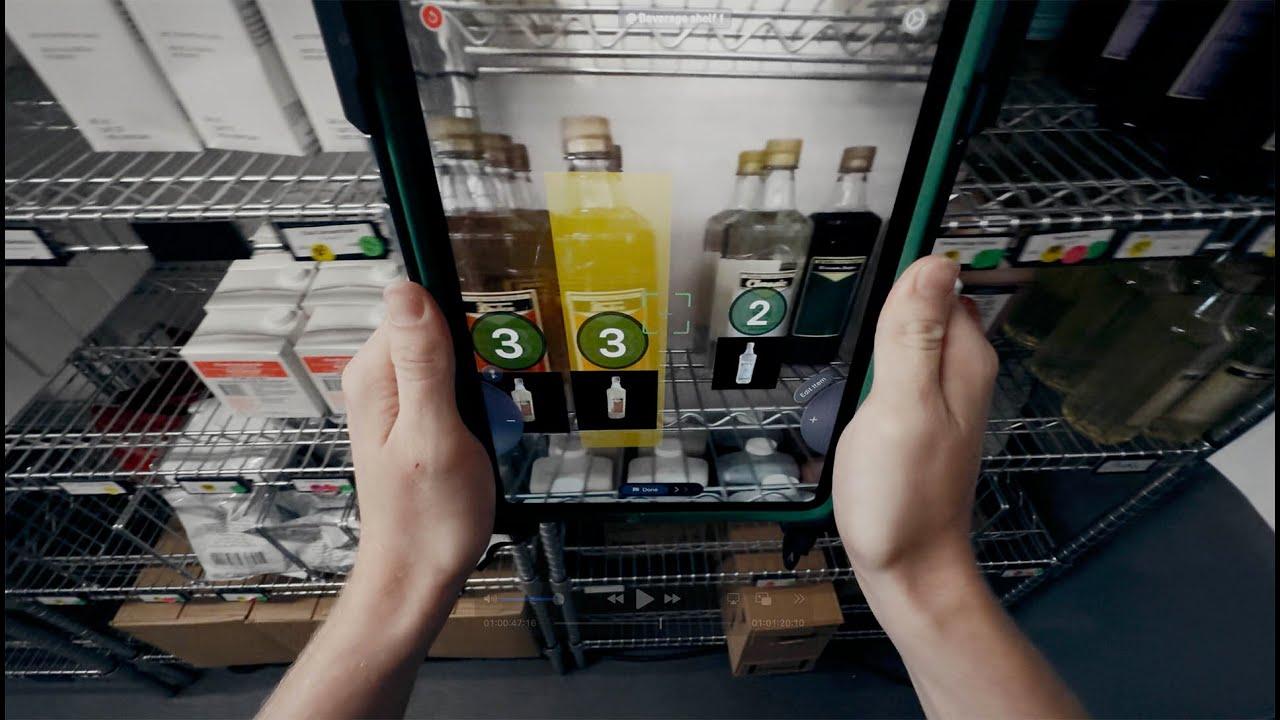
The coffee chain is building alternatives to a Microsoft system that tracks inventory and an IBM tool that manages maintenance, according to an internal presentation reviewed by Bloomberg News. Some of the Starbucks-developed software could roll out by the end of next year, pending the results of testing. For years, businesses were tethered to their technology vendors due to fear of business disruption and the complexity of building in-house tools. Now AI is shifting that calculus as it makes it easier to develop applications from scratch and as companies push workers to use the technology. Leading software companies face mounting concerns about whether they'll be able to fend off competition from products built by upstarts, or their own customers, using AI. This phenomenon has weighed on software stocks this year, with Microsoft and IBM both trailing the S&P 500. Shares of both companies fell during premarket trading on Thursday, with Microsoft down about 1.5% and IBM sinking 4%. Starbucks spends about $400 million a year on software alone, Chief Technology Officer Anand Varadarajan told workers in an internal forum earlier this year. "There's clear opportunities to reduce the spend in software," Varadarajan said, according to a recording of the meeting reviewed by Bloomberg News. In-house software can be cheaper, an incentive for companies such as Starbucks, which is looking to cut $2 billion in costs as part of a broader turnaround effort. Though in the long run, building can lead a company to pay higher maintenance and labor costs. When it comes to technology, the company is reviewing "every contract and service," according to the presentation. In some cases, that includes building products to replace software that its engineers have to heavily tailor anyway. Starbucks has been working for several years on building a point-of-sale system that would take the place of Oracle Simphony, according to people familiar with the matter who weren't authorized to speak publicly. The coffee chain declined to comment. In a blog post earlier this year, the company said AI and other technology advancements will support its long-term growth and free up baristas to focus more on customer service. Spokespeople for Microsoft, IBM, and Oracle didn't provide comment. AI-assisted coding was key to developing the platform that could replace the IBM tool, according to the internal presentation. Starbucks has been pushing tech workers to use artificial intelligence, even factoring usage into their bonuses, Bloomberg News has reported. There's skepticism about how much, or how quickly, AI can speed up and automate work. Starbucks recently pulled an AI-powered system to track inventory at stores, reverting to manual counting. It also continues to use software from third-party vendors, including from companies such as Microsoft. Read More: Salesforce Touts AI Promise Over Reality in SaaSpocalypse Fight The Starbucks enterprise technology team is on track to reduce its budget by about $30 million in the fiscal year ending in late September, according to the internal presentation. That includes cutting about $10 million in software spending. Another $13 million will be saved mostly by cutting back on contractors from professional services firms and backfilling some roles with its own staff. Starbucks is setting up offices in Nashville and India that will house some tech workers, while others will remain at its Seattle headquarters. The company has cut about 2,300 jobs since February of last year, including many in tech.
[2]
Starbucks taps AI to cut reliance on Microsoft, IBM software
(Bloomberg) -- Starbucks Corp. is developing in-house tools with the help of artificial intelligence that could replace some software applications it now buys from companies such as Microsoft Corp. and International Business Machines Corp. The coffee chain is building alternatives to a Microsoft system that tracks inventory and an IBM tool that manages maintenance, according to an internal presentation reviewed by Bloomberg News. Some of the Starbucks-developed software could roll out by the end of next year, pending the results of testing. For years, businesses were tethered to their technology vendors due to fear of business disruption and the complexity of building in-house tools. Now AI is shifting that calculus as it makes it easier to develop applications from scratch and as companies push workers to use the technology. Leading software companies face mounting concerns about whether they'll be able to fend off competition from products built by upstarts, or their own customers, using AI. This phenomenon has weighed on software stocks this year, with Microsoft and IBM both trailing the S&P 500. Shares of both companies fell during premarket trading on Thursday, with Microsoft down about 1.5% and IBM sinking 4%. Starbucks spends about $400 million a year on software alone, Chief Technology Officer Anand Varadarajan told workers in an internal forum earlier this year. "There's clear opportunities to reduce the spend in software," Varadarajan said, according to a recording of the meeting reviewed by Bloomberg News. In-house software can be cheaper, an incentive for companies such as Starbucks, which is looking to cut $2 billion in costs as part of a broader turnaround effort. Though in the long run, building can lead a company to pay higher maintenance and labor costs. When it comes to technology, the company is reviewing "every contract and service," according to the presentation. In some cases, that includes building products to replace software that its engineers have to heavily tailor anyway. Starbucks has been working for several years on building a point-of-sale system that would take the place of Oracle Simphony, according to people familiar with the matter who weren't authorized to speak publicly. The coffee chain declined to comment. In a blog post earlier this year, the company said AI and other technology advancements will support its long-term growth and free up baristas to focus more on customer service. Spokespeople for Microsoft, IBM, and Oracle didn't provide comment. AI-assisted coding was key to developing the platform that could replace the IBM tool, according to the internal presentation. Starbucks has been pushing tech workers to use artificial intelligence, even factoring usage into their bonuses, Bloomberg News has reported. There's skepticism about how much, or how quickly, AI can speed up and automate work. Starbucks recently pulled an AI-powered system to track inventory at stores, reverting to manual counting. It also continues to use software from third-party vendors, including from companies such as Microsoft. The Starbucks enterprise technology team is on track to reduce its budget by about $30 million in the fiscal year ending in late September, according to the internal presentation. That includes cutting about $10 million in software spending. Another $13 million will be saved mostly by cutting back on contractors from professional services firms and backfilling some roles with its own staff. Starbucks is setting up offices in Nashville and India that will house some tech workers, while others will remain at its Seattle headquarters. The company has cut about 2,300 jobs since February of last year, including many in tech. More stories like this are available on bloomberg.com
[3]
IBM stock falls on concerns over AI-driven software competition By Investing.com
Investing.com -- International Business Machines (NYSE:IBM) shares fell 2.5% in premarket trading Monday following news that Starbucks is developing in-house artificial intelligence tools that could replace software applications currently purchased from IBM and other vendors. Starbucks Corp. is building alternatives to an IBM tool that manages maintenance, according to an internal presentation reviewed by Bloomberg News. The coffee chain is also developing a replacement for a Microsoft system that tracks inventory, with some of the internally developed software potentially rolling out by the end of next year pending testing results. The news hit sentiment for software stocks, which face mounting concerns about competition from products built by customers using AI. Both Microsoft and IBM have trailed the S&P 500 this year amid these concerns. Starbucks Chief Technology Officer Anand Varadarajan told workers in an internal forum earlier this year that the company spends approximately $400 million annually on software alone. "There's clear opportunities to reduce the spend in software," Varadarajan said, according to a recording reviewed by Bloomberg News. The coffee chain is pursuing in-house software development as part of a broader turnaround effort that aims to cut $2 billion in costs. While building software internally can be cheaper initially, companies may face higher maintenance and labor costs over the long term. The development highlights growing pressure on leading software companies to defend against competition from AI-powered alternatives, whether from startups or their own customers developing proprietary solutions. This article was generated with the support of AI and reviewed by an editor. For more information see our T&C.
Share
Copy Link
Starbucks is developing in-house AI tools to replace software from Microsoft and IBM, targeting inventory tracking and maintenance management systems. The coffee chain spends $400 million annually on software and aims to cut $2 billion in costs. AI-assisted coding is accelerating development, though the move signals mounting pressure on traditional software vendors as customers build their own AI-powered alternatives.
Starbucks is building in-house AI tools that could replace software applications currently purchased from Microsoft and IBM, according to an internal presentation reviewed by Bloomberg News
1
. The coffee chain is developing alternatives to a Microsoft system used for inventory tracking and an IBM tool that manages maintenance management, with some of the Starbucks-developed software potentially rolling out by the end of next year pending testing results2
.The move reflects how AI is fundamentally shifting the relationship between enterprises and third-party vendors. For years, businesses remained tethered to technology vendors due to fear of disruption and the complexity of building tools from scratch. Now Starbucks AI development demonstrates how artificial intelligence makes it easier to create applications internally, reducing dependence on traditional software providers
1
.The implications for software competition are substantial. Leading software companies face mounting concerns about whether they can fend off products built by upstarts or their own customers using AI-driven software capabilities. This phenomenon has weighed on software stocks throughout the year, with both Microsoft and IBM trailing the S&P 500
2
. Shares of both companies fell during premarket trading, with Microsoft down about 1.5% and IBM stock sinking 4% following the news3
.
Source: Fortune
Chief Technology Officer Anand Varadarajan revealed that Starbucks spends approximately $400 million a year on software alone. "There's clear opportunities to reduce the spend in software," Varadarajan told workers in an internal forum earlier this year, according to a recording reviewed by Bloomberg News
1
.The push toward in-house AI development aligns with Starbucks' broader cost-cutting strategy to reduce $2 billion in expenses as part of a turnaround effort
3
. While building software internally can be cheaper upfront, companies may face higher maintenance and labor costs over the long term2
.The company is reviewing "every contract and service" when it comes to technology, according to the internal presentation. In some cases, this includes building products to replace software that its engineers have to heavily tailor anyway
1
. Starbucks has also been working for several years on building a point-of-sale system that would replace Oracle Simphony, according to people familiar with the matter2
.Related Stories
AI-assisted coding was key to developing the platform that could replace the IBM tool, according to the internal presentation
1
. Starbucks has been pushing tech workers to use artificial intelligence aggressively, even factoring usage into their bonuses, Bloomberg News has reported2
.The Starbucks enterprise technology team is on track to reduce its budget by about $30 million in the fiscal year ending in late September, according to the internal presentation. This includes cutting approximately $10 million in software spending to reduce software spending. Another $13 million will be saved mostly by cutting back on contractors from professional services firms and backfilling some roles with its own staff
1
.Despite the ambitious plans, there's skepticism about how much or how quickly AI can speed up and automate work. Starbucks recently pulled an AI-powered system to track inventory at stores, reverting to manual counting. The company also continues to use software from third-party vendors, including from companies such as Microsoft
2
.The development highlights growing pressure on traditional software vendors to defend against AI-powered alternatives, whether from startups or their own customers developing proprietary solutions
3
. As more enterprises explore similar strategies, the software revenue models of established players face disruption. Watch how other major corporations respond to Starbucks' approach and whether this cost-cutting effort delivers sustainable savings without compromising operational efficiency.Summarized by
Navi
[2]
1
Technology

2
Policy and Regulation

3
Policy and Regulation