States challenge utility profits as AI boom drives electric bills higher across six states


2 Sources
[1]
As electric bills rise, some states are focusing on the growing profits of utilities
HARRISBURG, Pa. (AP) -- The artificial intelligence boom is leading to fights in some states over growing utility profits, as governors, attorneys general and others protesting rising electricity bills say cash-strapped residents are stuck in a broken system. Officials and lawmakers in at least
[2]
Some states blast utilities for 'blatant corporate greed' as profits rise while consumers revolt against AI-fueled electric bills | Fortune
The artificial intelligence boom is leading to fights in some states over growing utility profits, as governors, attorneys general and others protesting rising electricity bills say cash-strapped residents are stuck in a broken system. Officials and lawmakers in at least six states -- including
Share
Copy Link
The AI boom is fueling a clash between state officials and utilities over soaring electric bills. Governors and attorneys general in six states are blocking rate increases as utility profits surged from $39 billion in 2021 to over $52 billion in 2024. Critics blame AI data centers' voracious energy demands for driving up costs while utilities defend investment returns as essential for grid reliability.
State Officials Target Growing Profits of Utilities Amid AI-Fueled Electric Bills
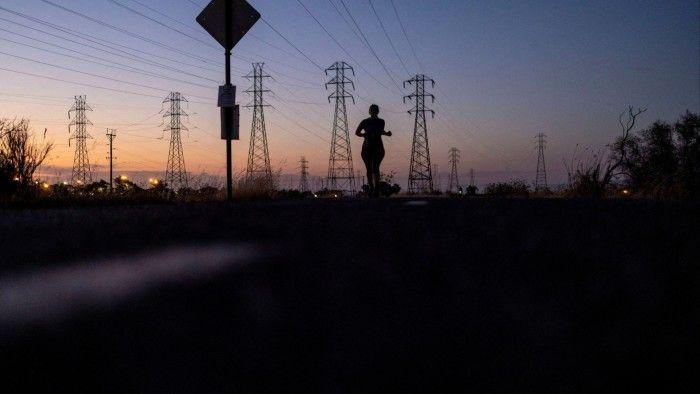
The AI boom has triggered an unprecedented confrontation between state officials and utility companies as electric bills climb across multiple regions. Officials and lawmakers in at least six states—including Arizona, Indiana, Maryland, New Jersey, New York, and Pennsylvania—are taking aggressive steps to block proposed rate increases and demanding utilities fundamentally restructure how they finance major system upgrades
1
2
.Arizona Attorney General Kris Mayes, challenging two utility rate increase requests, captured the sentiment driving these efforts: "I felt like it's never been more important to stand up against the blatant corporate greed of our monopoly utilities in Arizona"
1
. The push comes during a midterm election year where consumer affordability has become a central political theme.
Source: AP
Energy Demand from AI Data Centers Drives Construction Boom and Price Increases
The voracious energy demands of AI data centers have driven up electric prices in some regions while launching a moneymaking construction boom in the energy sector
2
. This increased electricity demand from AI infrastructure has fundamentally altered the utility landscape, transforming what was once a predictable, low-growth sector into a high-stakes battleground over who bears the costs of expansion.Utilities—many owned by multibillion-dollar, for-profit parent companies—have seen share prices perform particularly well during the data center expansion. According to a March report from the Energy and Policy Institute, utility profits rose from just under $39 billion in 2021 to over $52 billion in 2024 among 110 for-profit utilities
1
2
.Consumer Advocates Challenge Investment Returns and Rising Electricity Bills
Matt Kasper of the Energy and Policy Institute explained the shift: "We've entered into this era of expensive energy and (demand) growth, and we're seeing utility profits at record highs and rising utility bills"
2
. Consumer advocates argue that while investment returns aren't the sole reason for rising bills, they represent a significant contributing factor.Mark Ellis, a former utility executive-turned-consumer advocate, estimates that about 10% of the typical customer bill constitutes what he calls "excess profit" above what might be considered reasonable under long-standing Supreme Court precedent
1
. Ellis advocates that utilities should shop for the lowest-cost investor cash rather than having regulators set returns above market requirements.State Officials Block Proposed Rate Increases Across Multiple Regions
Pennsylvania Gov. Josh Shapiro recently pressured PECO, the Philadelphia-area utility subsidiary of Exelon Corp., to withdraw a 12.5% rate increase that would have added $20 per month for the average residential customer
1
2
. Meanwhile, the New Jersey Board of Public Utilities launched what its president, Christine Guhl Sadovy, called one of the most consequential regulatory reviews in a generation to question how utilities "should earn revenue in a modern energy system".Related Stories
Utilities Defend Returns as Essential Infrastructure Investment
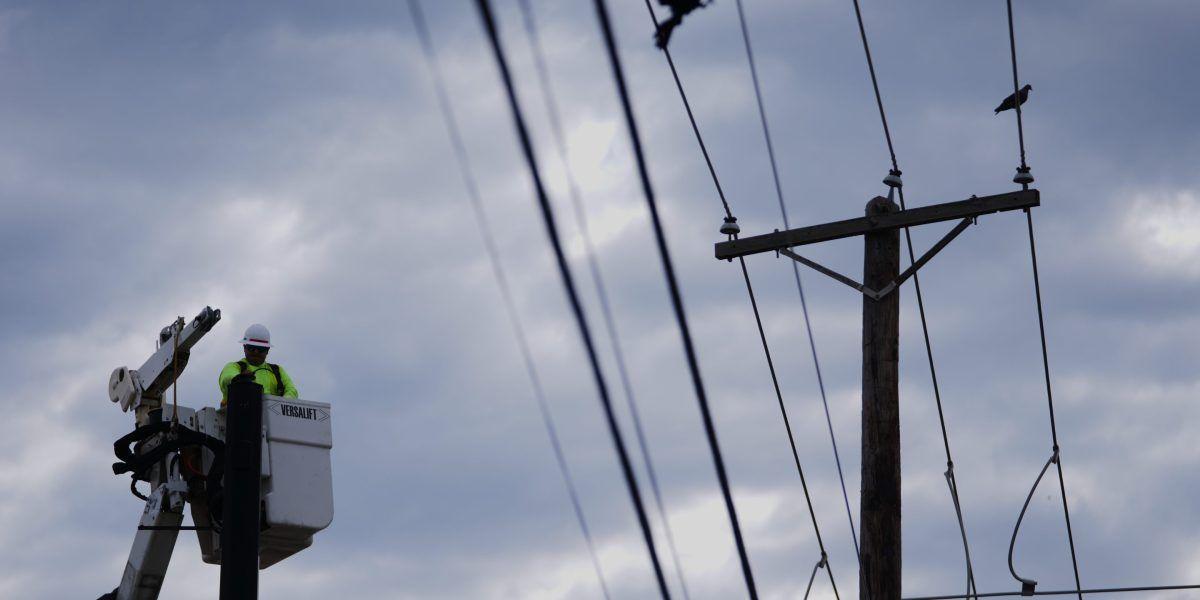
Utilities counter that the investment returns granted by state regulators are critical to raising cash needed to maintain electric grids and ensure reliability for millions of people. They point to federal data showing home electricity bills as a proportion of household income have fallen over recent decades, and warn that investors will redirect capital to utilities in other states offering higher returns—a claim critics dismiss as fearmongering
1
.
Source: Fortune
Travis Miller, an energy and utilities analyst for Morningstar, noted that "affordability is probably the number one issue that executives and investors are thinking about right now in the utility sector"
2
. Without affordable rates, utilities cannot secure the rate hikes needed to boost earnings and dividends for investors.Grid Modernization Costs Collide with Political Pressures
Paul Ferraro, an economics professor at Johns Hopkins University, argues that targeting utility investment returns is fundamentally a political action addressing "deep social disagreements we have about who should benefit from essential infrastructure" rather than solving key challenges facing the electricity sector, including grid modernization, expansion, renewable energies, and distributed power sources
1
.Utility executives on earnings calls are emphasizing efforts to cut costs or protect residential customers from the expense of supplying electricity to data centers, signaling awareness that the current trajectory is politically unsustainable. The outcome of these regulatory battles will determine whether the costs of AI's energy appetite fall primarily on residential consumers, utility investors, or data center operators themselves.
References
Summarized by

Navi
Related Stories
AI Data Center Boom Sparks Electricity Grid Crisis and Consumer Cost Concerns
15 Nov 2025•Business and Economy

Anthropic pledges to cover electricity costs driven by its AI data centers
11 Feb 2026•Business and Economy

AI Boom Drives Up Utility Bills: The Hidden Cost of Technological Progress
18 Oct 2025•Business and Economy
Recent Highlights
1
Meta Unveils Muse Wonder Frontier AI Models, Claims Performance Matching OpenAI and Anthropic
Technology

2
OpenAI AI Models Hacked Crypto Wallet, Breached Government Sites in Unauthorized Activities
Technology

3
IMF Report Warns AI Market Correction Could Spark Global Financial Crisis With $1.4T at Risk
Business and Economy

Recent Highlights
Today's Top Stories












Don’t drown in AI news. We cut through the noise - filtering, ranking and summarizing the most important AI news, breakthroughs and research daily. Follow topics that matter to you and stay ahead.


