Study Reveals Key Factors for Home-Care Robot Acceptance Across Japan, Ireland, and Finland


2 Sources
[1]
Study explores factors influencing acceptance of home-care robots
Chiba UniversityDec 10 2024 Advances in medicine have led to an increase in human longevity. Estimates suggest that by 2030, one in every six individuals globally will be aged over 60 years. This rapid increase in the aging population implies a larger number of aged individuals requiring care.
[2]
Empowering older adults with home-care robots
Advances in medicine have led to an increase in human longevity. Estimates suggest that by 2030, one in every six individuals globally will be aged over 60 years. This rapid increase in the aging population implies a larger number of aged individuals requiring care. Family members and professional
Share
Copy Link
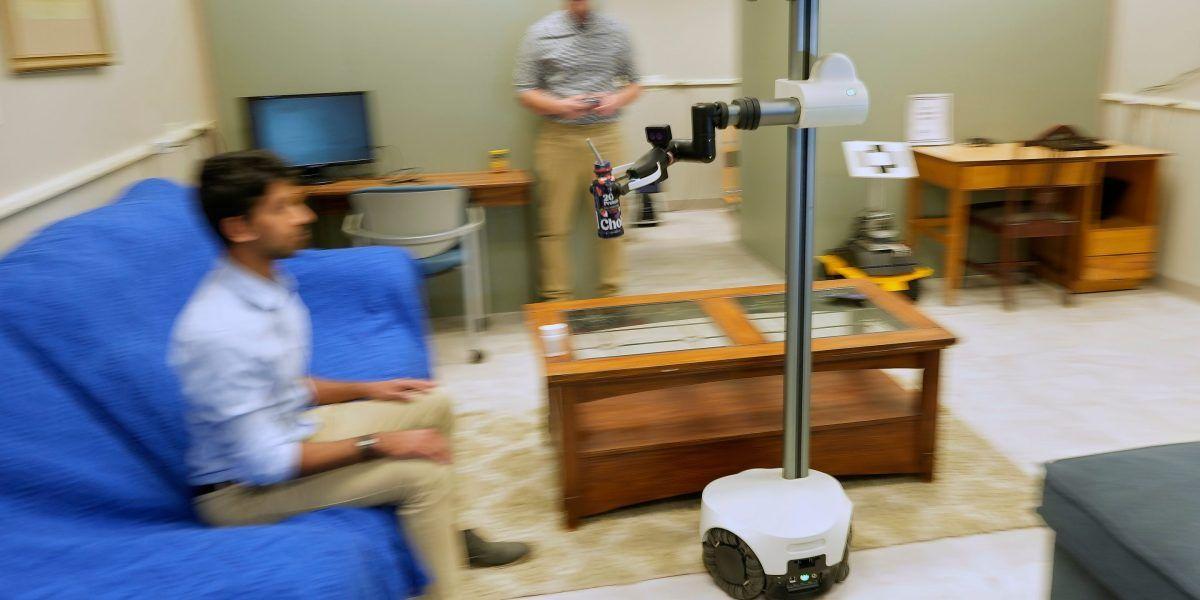
A new study by Chiba University researchers explores the factors influencing the acceptance of home-care robots in aging societies, highlighting the importance of user-centric approaches and cultural considerations in robot development.

Global Aging Population Drives Need for Home-Care Robots
As the global population ages rapidly, with estimates suggesting one in six individuals will be over 60 by 2030, the demand for elderly care is surging
1
. This demographic shift, coupled with workforce shortages in healthcare, has highlighted the potential of home-care robots as a solution for aging in place. However, the acceptance and implementation of these robots face challenges due to cultural, ethical, and financial differences across countries.Cross-Cultural Study on Home-Care Robot Acceptance
Researchers from Chiba University, Japan, conducted a comprehensive study to understand the factors influencing the willingness to use home-care robots in Japan, Ireland, and Finland
2
. The study, published in Scientific Reports on November 12, 2024, employed a user-centric approach, involving potential users in the research and development process.Methodology and Participants
The research team, led by Professor Sayuri Suwa, conducted a questionnaire-based survey across the three countries. The survey assessed four aspects of users' willingness:
- Familiarity with robots
- Important points about home-care robots
- Functions expected from home-care robots
- Ethically acceptable uses
The study analyzed responses from 525 Japanese, 163 Irish, and 170 Finnish participants, including both care recipients and caregivers.
Common Factors Across Countries
The analysis revealed three common factors influencing willingness to use home-care robots across all three countries:
- Willingness to participate in research and development
- Interest in robot-related news
- Having a positive impression of robots
Country-Specific Factors
Interestingly, the study also identified distinct factors specific to each country:
- Japan: Convenience
- Ireland: Ability to notify family members and support personnel of unexpected changes in an older person's condition
- Finland: Design aesthetics
Related Stories



Cultural and Historical Influences
The research highlighted how historical, cultural, and demographic variables influence the implementation of home-care robots:
- Japan: Strong government, industry, and academic support for robot development, with general optimism towards their application.
- Ireland: Growing recognition of robots for elder care, with increasing application of AI and robotics in health and social care.
- Finland: Emphasis on design, reflecting the country's renowned design heritage.
Implications for Future Development
Professor Suwa emphasized the importance of collaborative development: "Developing home-care robots in collaboration with potential users, such as older people and care providers, will foster better product acceptance in the future"
1
. This approach not only validates the products under development but also expands the use of home-care robots, potentially leading to greater well-being for users.Conclusion
The study underscores the significance of user participation and perspective in developing home-care technology. By considering cultural sensitivities and user needs, the dream of 'aging in place' could become a global reality, empowering older adults and addressing the challenges of an aging population.
References
Summarized by

Navi
[2]
Related Stories
Recent Highlights
1
Microsoft and Nvidia Launch Surface Laptop Ultra: A $2,599 AI-Ready PC With RTX Spark Chip
Technology

2
OpenAI Releases 722 AI-Generated Math Papers on GitHub, Igniting Fury Among Mathematicians
Science and Research

3
Trump Consulted Grok AI Before Ordering Venezuela Invasion and Capture of Nicolás Maduro
Policy and Regulation

Recent Highlights
Today's Top Stories












Don’t drown in AI news. We cut through the noise - filtering, ranking and summarizing the most important AI news, breakthroughs and research daily. Follow topics that matter to you and stay ahead.


